
Concerns from Eating Disorder Experts
Eating disorder organizations are voicing alarms about the swift introduction of GLP-1 weight-loss therapies via telehealth, coupled with what they see as forceful social media promotions from various providers.
In a specific scenario, a provider alluded to 'irksome Aussie regulations' blocking fuller details on the drug for prospective clients.
The Australia and New Zealand Academy for Eating Disorders worries that these promotional methods might draw in individuals who don't actually require the treatment.
Ms Gooding from Brisbane noted that eating disorder support groups are seeing instances of people abusing the drugs or obtaining them inappropriately.
Juniper's Black Friday Sale
Global firm Juniper stands out among their worries, having conducted a recent Black Friday promotion.
Juniper belongs to EUC Management, also known as Eucalyptus, with bases in Australia, the UK, Germany, and Japan.
Its earnings surged over twofold to $248 million in the prior fiscal year, as per regulatory filings for 2025.
Despite that, it incurred a $25 million deficit last year, with its primary expense being advertising at $86.1 million, nearly tripling from the previous period.
A sister company under the same group, Pilot, offers comparable medical weight-loss options aimed at men, whereas Juniper focuses on females.
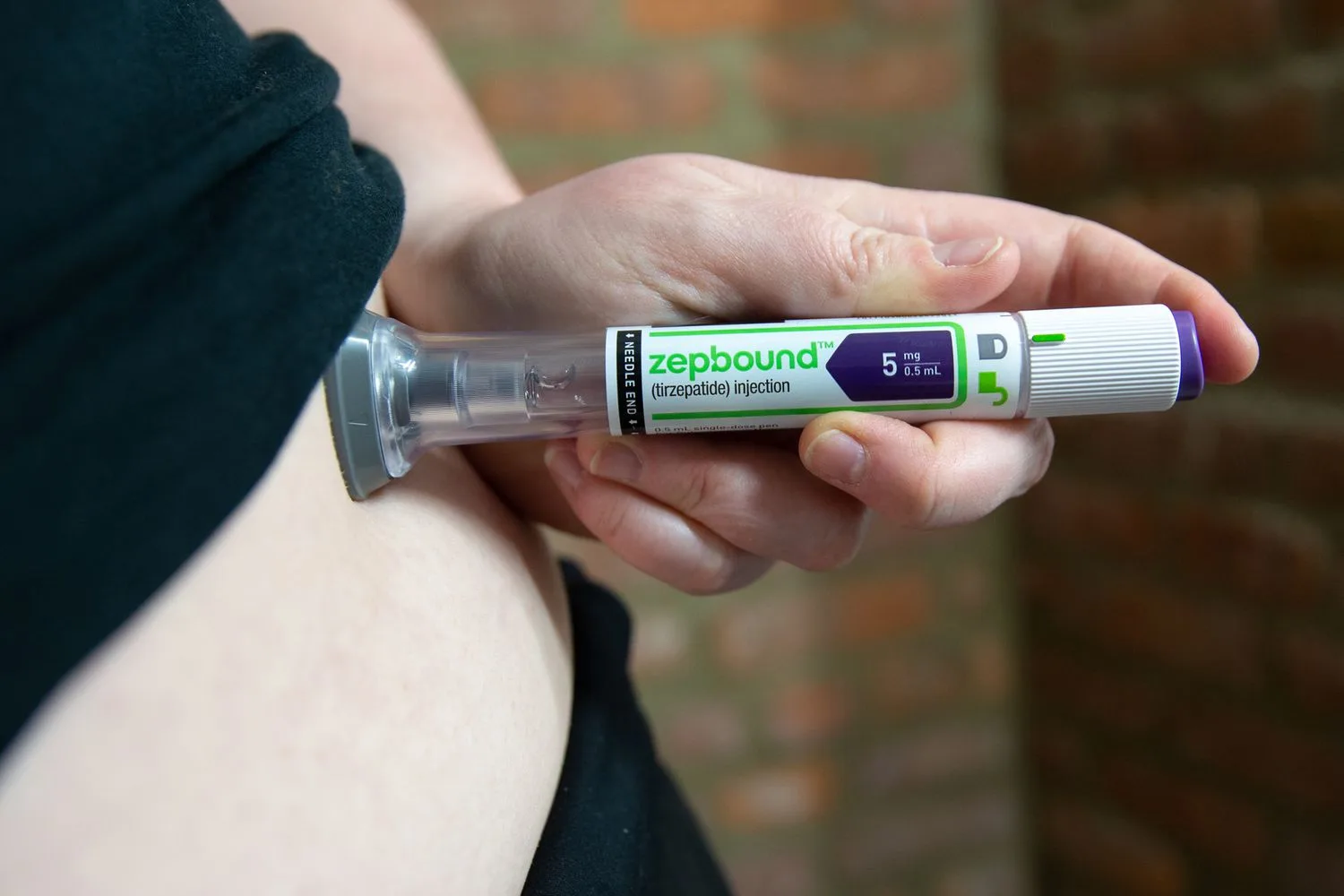
Doctors from both entities can issue prescriptions for drugs like Wegovy (semaglutide) and Mounjaro (tirzepatide), akin to Ozempic.
Black Friday Deals and Australian Rules
Juniper faced inquiries about a previous Black Friday offer and its tie to prescription drugs, following ads with voucher codes and promotional emails.
Eucalyptus's clinical head, Dr Matt Vickers, stated in a response that promotions pertained only to the price of accessing their healthcare service, excluding medication costs.
Brisbane student Evangeline Gardiner reported feeling overwhelmed by ads.
'It feels as though their primary interest is in profits, not my personal well-being or health,' she commented.
The 30-year-old, with a history of irregular eating patterns, found the ads especially distressing.
'It's unsettling to see a Black Friday discount for such a product.'
Observations from Juniper's Facebook revealed a reply advising a user to private message for extra details due to 'irksome Aussie laws'.
Australia enforces strict bans on public ads for prescription drugs.
Advertising limits don't cover health service promotions that avoid mentioning specific treatments and only describe consultation types.
Juniper clarified that the social media remark didn't align with the company's stance on rules.
The firm regularly engages on social platforms, urging private chats for more on weight-loss options.
'We prioritize adherence and back Australia's framework for telehealth and drugs,' Dr Vickers remarked.
'We apologize for the statement and recognize it might have raised issues.'
'The post was deleted, and we've examined our procedures for enhancements.'
Dr Vickers noted the Black Friday deal 'had no impact on a doctor's prescribing choice; suitability comes from a thorough clinical review'.
'We understand promotions in this area need careful handling, so our clinical protections and vetting stay constant for each client.'
Logos from groups like the Royal Australian College of General Practitioners (RACGP) and the Australian College of Nurse Practitioners appeared on Juniper's site.
After inquiries, those were taken down.
A RACGP representative stated 'weight-loss drugs must be given only under defined medical guidelines with continuous oversight'.
Precision tracking for your journey
Join thousands using Shotlee to accurately track GLP-1 medications and side effects.
📱 Get the Shotlee App
Track your GLP-1 medications, peptides, and health metrics on the go with our mobile app!
The RACGP offers no backing to Juniper.
Dr Vickers explained 'we formerly showed the RACGP logo to indicate our prescribers include College Fellows'.
'To prevent any misinterpretation, it's been eliminated.'
The Australian Council on Healthcare Standards emblem was also removed post-questioning.
The council confirms accrediting Eucalyptus.
Calls for Tighter Protections
Eating Disorders Families Australia head Jane Rowan advocates for stricter controls on obtaining medical weight-loss drugs.
Australia's drug authority just released a safety alert about risks of suicidal ideations with these medications.
She urges greater scrutiny on ads for these treatments and believes federal authorities must intervene.
'When firms promote so broadly without regard for at-risk individuals who could develop eating issues, it's problematic, and we need rules to tackle it.'
Ms Rowan, a type 1 diabetic, received Ozempic from her specialist in September 2023 for her condition management.
Her involvement in eating disorder advocacy helps her see the drugs' value and the necessity for controls.
'These meds have a role, but they require tight oversight for valid medical purposes.'
The Therapeutic Goods Administration (TGA) couldn't comment on whether listed firms breached ad laws for treatments.
Health Minister Mark Butler's office, with TGA, noted that the Therapeutic Goods Act 1989 forbids ads 'referring to' restricted drugs.
No ads from the companies named any such medications.
The TGA advises those using or eyeing weight-loss items, particularly from abroad or online, to review alerts and consult professionals.
The TGA doesn't oversee health service ads or delivery, which falls to the Australian Health Practitioner Regulation Agency (AHPRA).
An AHPRA spokesperson noted limits on discussing specific providers or cases, barring public register info or tribunal rulings.
Generally, disciplinary steps like warnings or restrictions have addressed prescribing to at-risk individuals with eating problems.
Robust Clinical Checks
Dr Vickers stated Juniper and Pilot employ thorough clinical measures to bar prescriptions for those with current or developing eating disorders.
'Each person completes an extensive health survey, then a deep phone or video session with an AHPRA-registered expert, covering full background, risk evaluation, and suitability check, including BMI via confirmed video or images, prior to any therapy,' he detailed.
'Among our protections, we're introducing real-time image confirmation to bolster vetting, set for full rollout by January 2026's end.'
He added that doctors get specialized education to spot warning signs, detect initial disordered eating, and address weight bias and self-image issues.
'If red flags appear, drugs aren't given, and clients get referred to suitable help.'
'Continuous oversight of weight-loss clients, check-ins, and multidisciplinary aid are part of our care approach to keep treatment appropriate and secure.'
Health tracking apps like Shotlee can help monitor progress during such treatments.
Yet, advocates argue these steps fall short and demand legal mandates for in-person visits.
'We truly require government laws for secure drug prescribing.'
'Under these setups, follow-ups might not involve the same practitioner, lacking consistent clinicians. We advocate for all visits to include visual or direct evaluations.'