
The Gap Between Clinical Trials and Real-World Experience
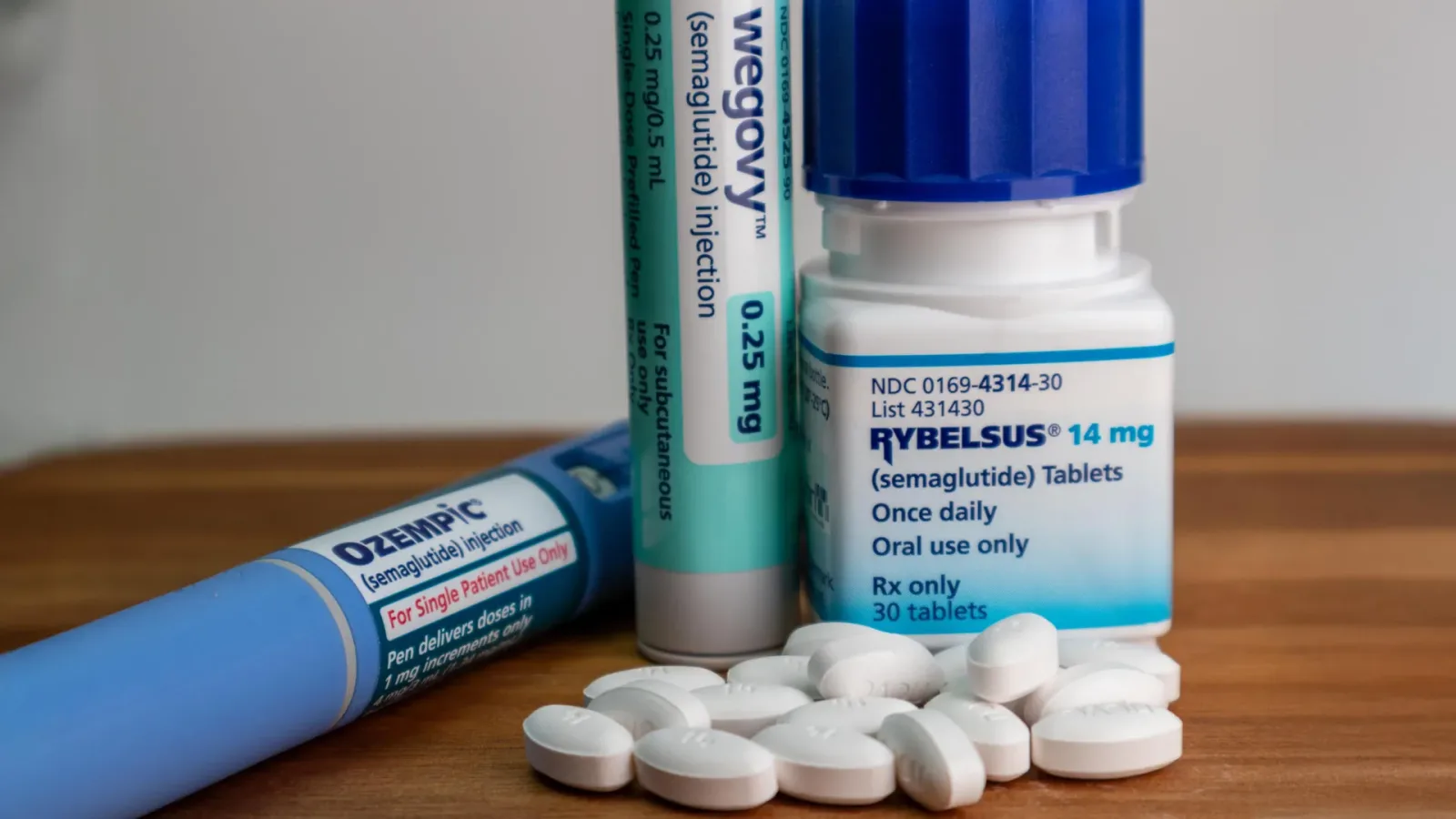
The rapid rise of GLP-1 medications like semaglutide and tirzepatide has transformed the landscape of obesity and type 2 diabetes treatment. Drugs such as Ozempic, Wegovy, and Mounjaro have become household names, offering hope to millions seeking weight management solutions. However, the data that governs their safety profiles is largely derived from controlled clinical trials. While these studies are the gold standard for regulatory approval, they often involve limited sample sizes, strict inclusion criteria, and short-term follow-up periods.
For patients navigating these medications in the real world, the experience can differ significantly from the clinical setting. This disconnect has prompted researchers to look beyond medical journals. A pioneering study conducted by the University of Pennsylvania has turned to the unfiltered conversations found on social media platforms to track patient experiences, identifying patterns in weight-loss drugs that traditional clinical studies might be overlooking.
How AI Analyzed 400,000 Reddit Posts
The study, published in the journal Nature Health, represents a significant shift in how pharmacovigilance—the science of detecting, assessing, and understanding adverse drug effects—is conducted. Researchers from the University of Pennsylvania School of Engineering and Applied Science, including lead author Neil Sehgal and computational social scientists Sharath Chandra Guntuku and Lyle Ungar, analyzed Reddit posts from users over a period of more than five years.
The dataset was substantial, comprising more than 400,000 posts from nearly 70,000 unique users. The team utilized advanced artificial intelligence tools and large language models to process this unstructured data. Unlike manual review, which would be impossible at this scale, AI tools helped identify and organize mentions of symptoms across massive datasets. The system translated these informal patient descriptions into medically relevant categories using standardized systems like MedDRA, which is widely used to classify adverse events in clinical research.
This approach strengthens AI analysis of drug side effects in social media, especially when patients describe symptoms in inconsistent or non-medical language. By standardizing these reports, researchers can identify potential patterns that may otherwise go unnoticed in the noise of everyday conversation.
Key Findings: What the AI Uncovered
The findings published in Nature Health validate some existing knowledge while raising flags about symptoms that are less frequently documented in formal medical records. The study found that many Ozempic side effects reported on Reddit aligned with known clinical outcomes, particularly gastrointestinal issues such as nausea and digestive discomfort.
However, the AI flagged less commonly emphasized symptoms in formal documentation. These included reports of fatigue, temperature-related changes such as chills and hot flashes, and reproductive-related symptoms like menstrual irregularities. Approximately 44% of users in the dataset mentioned at least one side effect, showing how frequently patients discuss medication experiences in online communities.
It is critical to understand that these findings represent signals, not definitive proof of causation. The researchers emphasize that this analysis does not prove causation—meaning these drugs are not confirmed to be the direct cause of these specific symptoms—but rather that these patient-reported patterns warrant further scientific investigation.
Comparing Clinical Data vs. AI-Driven Social Signals
To understand the value of this study, it is helpful to compare what is traditionally reported in clinical literature against what the AI uncovered in social discourse.
| Category | Traditional Clinical Trial Focus | AI Reddit Analysis Findings |
|---|---|---|
| Gastrointestinal | Nausea, vomiting, diarrhea | Nausea, digestive discomfort, constipation |
| General Well-being | Headache, injection site reactions | Fatigue, lethargy, general malaise |
| Thermoregulation | Not commonly emphasized | Chills, hot flashes, temperature sensitivity |
| Reproductive | Minimal reporting | Menstrual irregularities, cycle changes |
Why Clinical Trials Often Miss These Symptoms
Why do these symptoms appear in Reddit threads but not in the prescribing information? The answer lies in the fundamental design of clinical trials. These studies follow strict protocols and limited sample sizes to ensure safety and efficacy under controlled conditions. Participants are often monitored closely for a specific duration, and they are screened to exclude individuals with complex comorbidities.
In contrast, Reddit captures spontaneous, unfiltered conversations from thousands of users who may be taking the medication for varying durations, often alongside other treatments or lifestyle changes. This environment allows for the collection of long-term, real-world data that reflects the messy reality of daily life.
For example, fatigue is a subjective symptom that patients might ignore in a short-term trial if it does not interfere with their ability to complete study protocols. However, in a real-world setting where patients are managing work, family, and health, fatigue can significantly impact quality of life and medication adherence. Similarly, temperature sensitivity might be dismissed as a minor nuisance in a clinic but becomes a chronic issue for patients managing weight loss in different climates.
The Future of Pharmacovigilance and Patient Tracking
The rise of large language models has significantly changed how researchers approach drug safety. This study highlights how unreported drug side effects discovered by AI may serve as early signals for further scientific investigation, rather than immediate clinical conclusions. The study, published in Nature Health, shows how AI can process this kind of unstructured data and translate it into medically relevant categories.
Precision tracking for your journey
Join thousands using Shotlee to accurately track GLP-1 medications and side effects.
📱 Get the Shotlee App
Track your GLP-1 medications, peptides, and health metrics on the go with our mobile app!
For patients using semaglutide or tirzepatide, the findings do not suggest new confirmed risks, but they do reinforce the importance of monitoring real-world experiences. Some symptoms, particularly fatigue and temperature sensitivity, may not always be emphasized in standard prescribing information. This is part of a broader conversation about the hidden side effects of GLP-1 medications, especially as their popularity continues to grow globally for weight management.
As GLP-1 drugs like semaglutide and tirzepatide surge into mainstream use, the gap between controlled clinical trials and real-world patient experience is becoming harder to ignore. If these digital signals continue to prove useful, the future of drug safety may no longer rely solely on slow, rigid reporting structures, but on a constantly updating stream of lived experience.
Practical Takeaways for Patients and Clinicians
For clinicians, the takeaway is clear: online conversations may provide crucial context for symptoms patients are hesitant or unable to raise during brief medical consultations. Clinicians may also benefit from understanding how patients discuss their experiences outside clinical environments. These conversations often reveal concerns that are not always raised during short medical consultations.
For patients, this means your experience matters. If you are experiencing symptoms like fatigue or temperature sensitivity, documenting them can help your healthcare provider tailor your treatment plan. This is where digital health tools become valuable. Platforms like Shotlee can help patients track progress, symptoms, doses, or health data in a structured way.
By maintaining a detailed log of how you feel alongside your dosage changes, you provide your medical team with richer data than a simple "yes or no" answer during a check-up. This data-driven approach empowers patients to be active participants in their health journey.
- Monitor Your Symptoms: Keep a daily log of energy levels, temperature sensitivity, and digestive health.
- Communicate Openly: Discuss these findings with your doctor, even if they are not listed on the official label.
- Track Long-Term: Use tools like Shotlee to visualize trends over weeks and months, not just days.
- Contextualize Data: Note lifestyle factors that may influence symptoms, such as diet, sleep, and stress.
Conclusion
What this AI-driven analysis of hundreds of thousands of Reddit posts suggests is not a definitive verdict on hidden dangers, but something arguably more important: a rapidly emerging feedback loop in which patients are documenting their own symptoms in real time, long before formal systems catch up. The study underscores the value of patient-reported outcomes and the potential of AI to bridge the gap between clinical data and lived experience.
While the study does not confirm causation, it highlights the need for continued vigilance and open communication between patients and providers. As the medical community learns to harness these digital signals, we move closer to a healthcare system that is more responsive to the nuanced needs of individuals on peptide therapy and weight loss medications.
Frequently Asked Questions
1. Does this study prove that Ozempic causes fatigue?
No, the study does not prove causation. It identifies patterns in patient-reported discussions on Reddit that align with fatigue. While this suggests a potential correlation, further scientific investigation is required to confirm if the medication is the direct cause.
2. Why were these side effects missed in clinical trials?
Clinical trials typically have smaller sample sizes, shorter durations, and strict inclusion criteria. They focus on safety and efficacy under controlled conditions, often missing long-term or subjective symptoms like temperature sensitivity that emerge in diverse, real-world populations.
3. What specific symptoms did the AI identify beyond nausea?
Beyond gastrointestinal issues like nausea, the AI flagged fatigue, temperature-related changes such as chills and hot flashes, and reproductive symptoms like menstrual irregularities as notable patterns in the Reddit dataset.
4. How can patients track these symptoms effectively?
Patients can use health tracking apps like Shotlee to log daily symptoms, dosage changes, and lifestyle factors. This creates a longitudinal record that provides clinicians with more comprehensive data than verbal reports during brief appointments.
5. Is Reddit data reliable for medical research?
Reddit data is not a substitute for clinical trials but serves as a valuable source of real-world evidence. It captures spontaneous, unfiltered conversations that can signal potential issues worth investigating, though it requires AI and statistical methods to filter noise and verify patterns.