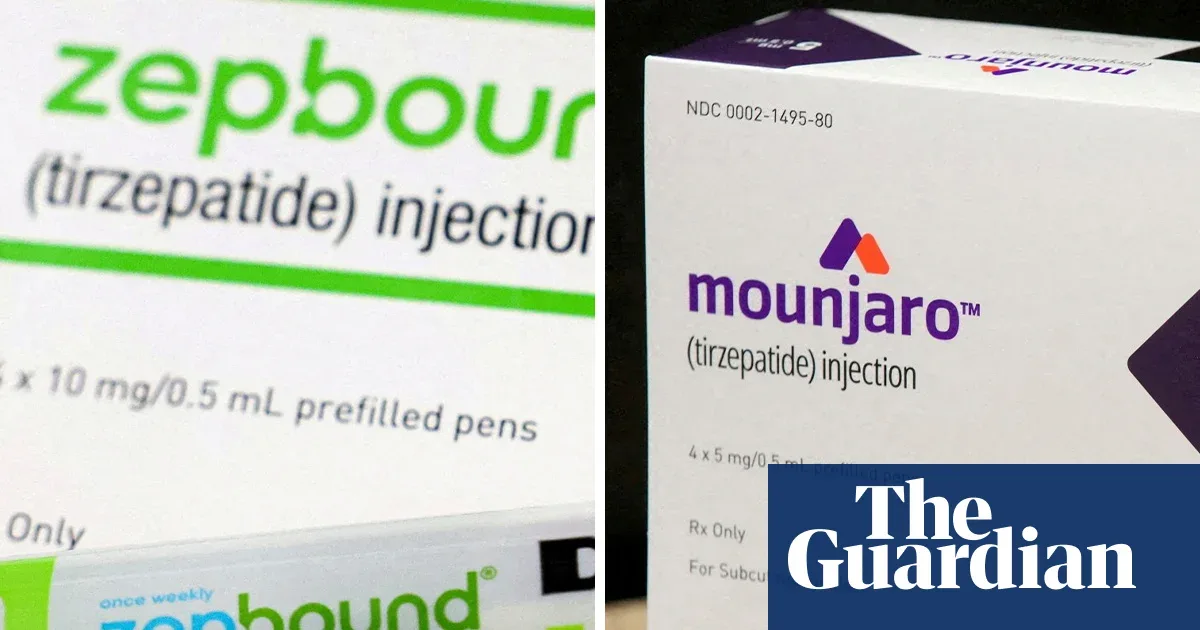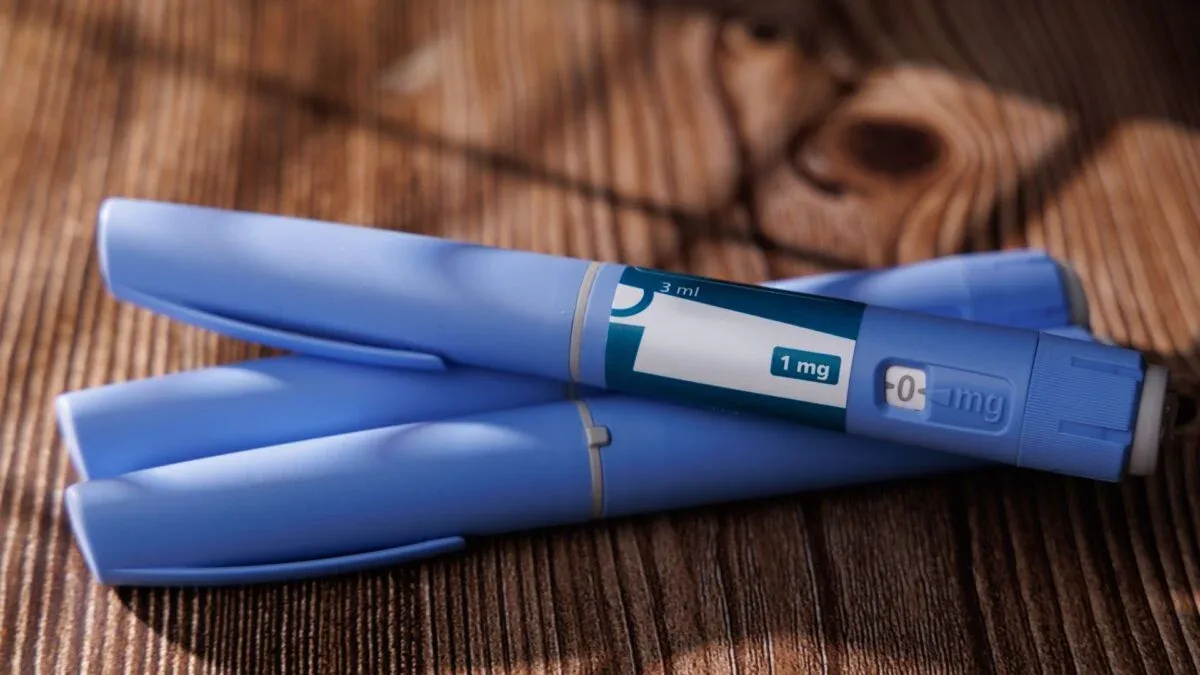

The landscape of food consumption is undergoing a significant transformation, driven by the increasing popularity of Glucagon-like peptide-1 (GLP-1) receptor agonists. These medications, widely known by brand names like Ozempic, Wegovy, Mounjaro, and Zepbound, are not only helping individuals manage weight and blood sugar but are also subtly yet powerfully reshaping consumer spending habits and influencing the strategies of the entire food industry, from manufacturers to grocery retailers.
For years, studies on dietary changes relied on self-reported habits. However, recent groundbreaking research, such as a report from Cornell University, has leveraged sophisticated data analysis of actual purchase records. By combining transaction data from market research firms with detailed surveys on medication use, researchers can now precisely track how GLP-1 adoption impacts what people buy and consume. This shift from self-reporting to empirical data provides a clearer, more accurate picture of the profound effects these drugs are having on our plates.
The Science Behind the Shift: Appetite, Cravings, and Food Choices
GLP-1 medications work by mimicking a natural hormone that plays a crucial role in regulating appetite and blood sugar. They signal to the brain that you are full, thereby reducing hunger and curbing cravings, particularly for sugary and high-calorie foods. This physiological effect translates directly into altered purchasing behaviors.
According to the Cornell University study, individuals using GLP-1 drugs experience a noticeable drop in grocery spending per trip, estimated between 5.3% and 8%. This reduction isn't just about buying less overall; it's about buying different things. The research indicates a significant decrease in the purchase of ultra-processed, calorie-dense foods. Consumers are spending approximately 10% less on items like savory and sweet snacks, baked goods, and cookies. Even staple items such as bread, meat, and eggs have seen a decline in purchase frequency.
What's In and What's Out?
Conversely, certain food categories are seeing an uptick in consumption among GLP-1 users. These include:
- Yogurt
- Fresh fruit
- Nutrition bars
- Lean protein sources (e.g., meat snacks)
This preference shift suggests a move towards nutrient-dense, less processed options that align with the medication's effects on appetite and satiety.
A separate study from the University of Arkansas' Agricultural Experiment Station further illuminates this dietary evolution. It found that individuals on GLP-1 drugs consume, on average, 700 fewer calories daily. Crucially, the elimination of processed foods, sugar-sweetened beverages, refined grains, and beef is most pronounced. The research highlights that only fruit, leafy greens, and water showed an overall increase in consumption, underscoring a significant move towards healthier, whole foods.
The Ripple Effect: Impact on Food Retailers and Manufacturers
The aggregate effect of millions of consumers altering their eating habits is substantial, presenting both challenges and opportunities for the food industry. Analysts at Morgan Stanley project that by 2035, up to 24 million Americans could be using weight-loss drugs, a number that will undoubtedly create significant shifts in demand.
Unlike previous dietary trends where consumers might swap one food for another, the impact of GLP-1 drugs is characterized by a reduction in overall consumption. Morgan Stanley estimates that users might consume 20% to 30% fewer calories daily, with a notable 65% cutting back on sugary beverages and alcoholic drinks. This could lead to an estimated 3% decline in sales for carbonated soft drinks, baked goods, and salty snacks over the next decade.
Adapting to a New Consumer
Grocery retailers are already observing these changes. Many report that consumers are shopping more frequently but with smaller basket sizes. This trend, coupled with a long-standing consumer pivot towards fresh, lean protein, and less processed foods, makes it complex to isolate the exact impact of GLP-1 drugs alone. However, the influence is undeniable.
Precision tracking for your journey
Join thousands using Shotlee to accurately track GLP-1 medications and side effects.
📱 Get the Shotlee App
Track your GLP-1 medications, peptides, and health metrics on the go with our mobile app!
Walmart, for instance, has acknowledged feeling margin pressure attributed to the growth of GLP-1 drugs, noting that consumers are buying fewer items and eating less overall. While food inflation can inflate basket totals, the underlying trend of reduced item count is a key indicator.
Specialty food managers, like Justin Morrow at Allens Food Stores, are seeing shoppers gravitate towards protein snacks, smaller pack sizes, and convenient grab-and-go options. This has prompted stores to expand offerings like fresh sushi and salad bars, catering to the demand for immediate, healthy meals. The protein snack section is also being reconfigured and expanded.
Innovation and Marketing: The "GLP-1 Friendly" Movement
Food vendors are responding by incorporating more protein into their products and, in some cases, explicitly marketing them as "GLP-1 friendly." This trend mirrors the rise of the "gluten-free" label, indicating a growing segment of the market actively seeking products that align with GLP-1 medication use.
Companies like ConAgra have introduced "GLP-1 friendly" labels on select Healthy Choice frozen meals. Nestlé has launched a line of portion-controlled, protein- and fiber-rich frozen meals specifically targeting GLP-1 users. NielsenIQ data shows that sales of foods marketed as "GLP-1 friendly" are gaining traction, with an 11.2% increase in sales over the past 52 weeks. While there are no current regulations for these labels, discussions are underway among policymakers.
The Protein Paradox: More Isn't Always Better
The surge in protein-focused marketing is notable. However, health experts caution that the emphasis on "more protein is better" needs nuance. Daphene Altema-Johnson, a registered dietitian at Johns Hopkins, points out that not all proteins are created equal, and a diversified protein intake with varied nutrient profiles is essential for long-term health. She also highlights the importance of fiber-rich foods, which are often lacking in many diets and are crucial for managing potential side effects of GLP-1 medications, such as constipation.
The Cleveland Clinic advises GLP-1 users to prioritize foods like leafy greens, apples, and tomatoes, alongside lean protein, to preserve muscle mass while losing fat. Adequate fiber intake is recommended to combat constipation, a common side effect. Conversely, they advise limiting sugary drinks, candy, desserts, refined carbohydrates (like white rice and bread), packaged snacks, and high-fat foods such as pizza and fried chicken.
Navigating the Future of Food with GLP-1s
The widespread adoption of GLP-1 medications represents a significant paradigm shift in how we approach weight management and metabolic health. For individuals managing their health journey with these medications, tracking progress, symptom management, and understanding dietary impacts is key. Tools like Shotlee can be invaluable in logging medication doses, monitoring food intake, and noting any side effects or changes in appetite, providing a comprehensive overview of one's health data.
The food industry is in a dynamic phase of adaptation. Retailers are revamping store layouts, focusing on fresh produce and lean proteins. Manufacturers are innovating with product formulations and marketing strategies. As GLP-1 medications continue to evolve and become more accessible, their influence on our food systems will only deepen, prompting ongoing innovation and a reevaluation of what constitutes a healthy, sustainable diet.
Practical Takeaways for Consumers:
- Focus on Whole Foods: Prioritize fruits, vegetables, lean proteins, and whole grains.
- Hydrate Wisely: Opt for water over sugary beverages.
- Fiber is Your Friend: Include fiber-rich foods to aid digestion and promote satiety.
- Mindful Portions: Pay attention to hunger and fullness cues.
- Track Your Progress: Utilize tools to monitor food intake, medication, and symptoms.
Conclusion
The rise of GLP-1 medications like Ozempic, Wegovy, Mounjaro, and Zepbound is more than just a medical trend; it's a powerful economic and dietary force. From reduced grocery bills and a shift towards whole foods to innovative product development and strategic retail adjustments, the impact is far-reaching. As consumers and the industry continue to navigate this evolving landscape, a focus on balanced nutrition, mindful consumption, and data-driven insights will be paramount in ensuring long-term health and well-being.