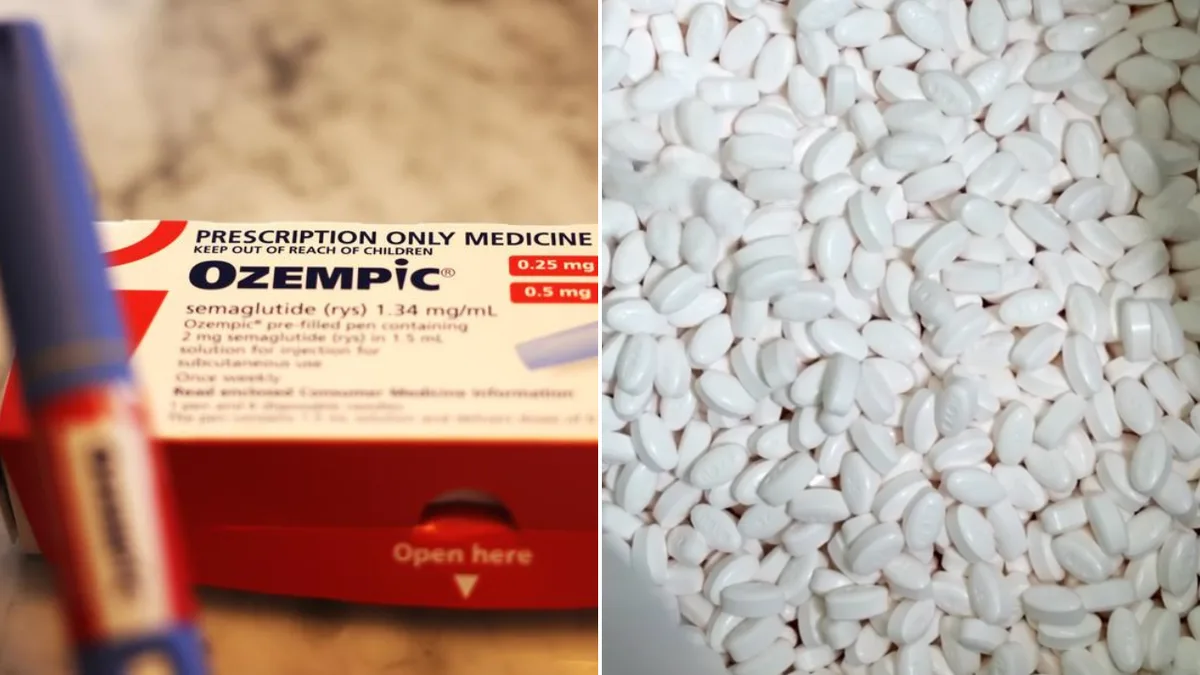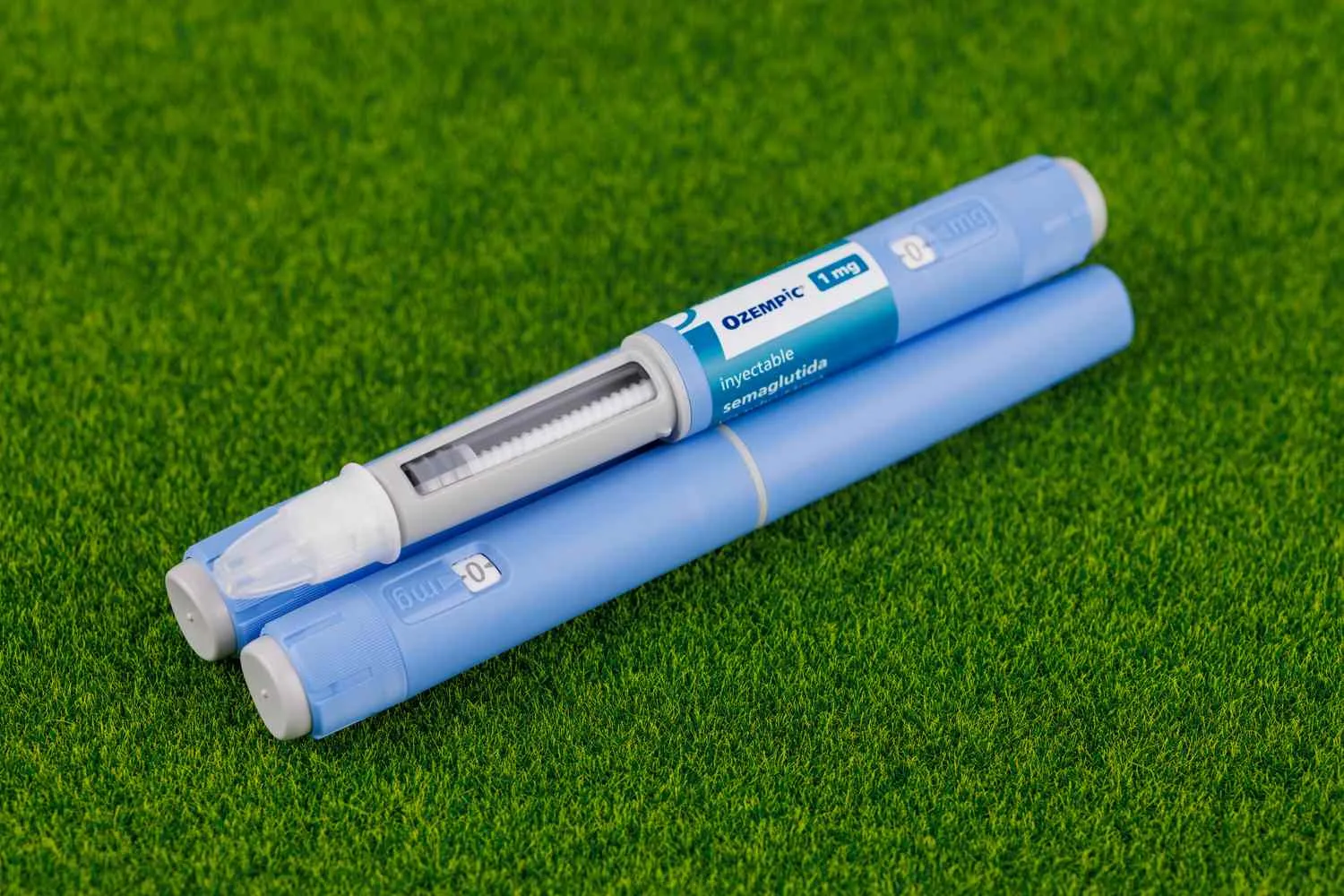

The landscape of weight management is rapidly evolving, with medications like Ozempic, Wegovy, Mounjaro, and Zepbound—all based on GLP-1 receptor agonists or similar mechanisms like tirzepatide—becoming increasingly popular. Millions of Americans are now using these prescriptions, with many more seeking them to manage their weight. However, the journey isn't always linear; some individuals experience plateaus or find that a significant portion of their weight loss comes from essential lean muscle mass, rather than just fat. Amidst this, emerging research is exploring natural compounds that could offer complementary or alternative strategies. A notable study published recently highlights a supplement derived from bitter hops extract, which may significantly enhance fat loss while helping to preserve lean body mass, potentially offering a new avenue for those seeking effective and sustainable weight management solutions.
What is Amarasate and how does it work for weight loss?
Amarasate, a concentrated extract from bitter hops, is a natural supplement that appears to promote weight loss primarily by suppressing appetite and increasing feelings of fullness. The mechanism behind its effectiveness lies in the bitter compounds present in the hops, which stimulate specialized sensors in the gut. When activated, these gut sensors trigger the release of satiety hormones, such as GLP-1 and PYY, which signal to the brain that you are full. This hormonal response helps to curb hunger, reduce overall calorie intake, and diminish cravings, particularly for unhealthy, high-fat, and savory foods. Experts suggest that this process mimics some of the effects of GLP-1 weight-loss medications but through a natural, plant-based pathway, making it a potentially valuable tool for appetite control and fat reduction.
This natural stimulation of appetite-regulating hormones is crucial for combating what is often termed 'food noise'—the persistent, repetitive thoughts about food that can lead to snacking and overeating. By helping to regulate these hormones, Amarasate may offer a way to quiet this internal chatter and regain control over eating habits. The bitter taste itself is key, as it initiates this cascade of hormonal signals from the gut, influencing both hunger and satiety. This makes it a targeted approach to managing the physiological drivers of overeating and weight gain.
How does Amarasate compare to GLP-1 weight-loss drugs?
While GLP-1 receptor agonists like semaglutide (found in Ozempic and Wegovy) and tirzepatide (found in Mounjaro and Zepbound) are highly effective for weight loss, often leading to a loss of three to five times more weight than traditional diet and exercise alone, they come with a notable drawback: a significant portion of this weight loss, typically 20% to 40%, can be from lean muscle mass. This loss of muscle tissue can negatively impact metabolism, strength, and overall mobility. In contrast, a recent study on Amarasate suggests that participants taking the bitter hops extract lost weight primarily as fat, without a significant sacrifice of lean muscle mass. This preservation of muscle is vital for long-term metabolic health and maintaining a strong, functional body. Therefore, Amarasate may offer an advantage in achieving a healthier body composition, focusing on fat reduction while safeguarding essential muscle tissue.
The study, published in Obesity Pillars, involved 128 adults in a 24-week weight-loss program. Participants received either 500 mg of bitter hops extract or a placebo, taken with their two largest meals daily, alongside lifestyle coaching. The results indicated that those taking Amarasate lost an average of 9.9 pounds (4.5 kg) of body fat, significantly more than the placebo group. Crucially, the research did not highlight a substantial loss of lean muscle mass in the Amarasate group, suggesting a more favorable impact on body composition compared to the typical outcomes seen with GLP-1 medications. This makes Amarasate a compelling option for individuals prioritizing fat loss while maintaining muscle strength and metabolic function.
What does the latest research on Amarasate show?
The most recent research, published in the peer-reviewed journal Obesity Pillars, provides compelling evidence for the efficacy of Amarasate (bitter hops extract) in promoting fat loss. The 24-week study, funded by the company behind the supplement Calocurb, tracked 128 adults engaged in a weight-loss program. Participants who consumed a daily dose of Amarasate, divided between their two largest meals, demonstrated a significant increase in fat loss compared to those taking a placebo. Specifically, the Amarasate group lost an average of 9.9 pounds (4.5 kg) of body fat, outperforming the placebo group by approximately 8.6 pounds (3.9 kg). This outcome suggests that Amarasate can be a powerful adjunct to diet and exercise for individuals struggling to achieve their weight loss goals.
Precision tracking for your journey
Join thousands using Shotlee to accurately track GLP-1 medications and side effects.
📱 Get the Shotlee App
Track your GLP-1 medications, peptides, and health metrics on the go with our mobile app!
Beyond just the quantity of weight lost, the study also noted a reduction in overall food cravings, including those for fatty, salty, and savory foods, among participants taking Amarasate. This targeted reduction in cravings can be instrumental in preventing the overeating and snacking that often derail weight loss efforts. The researchers, from New Zealand's Bioeconomy Science Institute, concluded that Amarasate could serve as an additional option for weight management, either as a standalone intervention for those who find diet and exercise insufficient, or as a post-therapy strategy to help prevent weight regain after discontinuing GLP-1 medications. The study's lead author, Dr. Edward Walker, emphasized the potential utility of interventions that can act as alternatives to GLP-1s or support weight maintenance post-treatment.
Are there any side effects or risks associated with Amarasate?
While Amarasate shows promising results for weight loss, it's important to acknowledge potential side effects. The study noted that approximately one in ten participants experienced some discomfort, including diarrhea and nausea. These gastrointestinal issues are not uncommon with certain appetite-suppressing compounds and can vary in severity from person to person. It's also crucial to note that current evidence does not suggest that supplements like Amarasate can fully replace GLP-1 weight-loss drugs, especially for individuals managing complex obesity-related conditions such as type 2 diabetes. These medications have well-established clinical benefits for glycemic control and cardiovascular health, which a hops extract supplement may not replicate.
Experts advise caution and recommend consulting with a healthcare provider before starting any new supplement regimen, particularly for individuals with pre-existing health conditions or those taking other medications. A healthcare professional can help assess individual suitability, potential interactions, and appropriate dosages. For those managing their health and tracking their progress, including any new supplements like Amarasate, using a tool like Shotlee can be beneficial for monitoring symptoms, dosage adherence, and overall well-being, ensuring that any side effects are promptly identified and addressed.
Can natural approaches like Amarasate complement GLP-1 therapy?
The findings on Amarasate highlight the broader potential of naturally stimulating the body's appetite-control systems, which can indeed complement existing therapeutic approaches like GLP-1 therapy. Dr. Madusha Peiris, a neurogastroenterologist, points out that a high-fiber diet can elicit similar effects by stimulating the same gut receptors that respond to bitter compounds. Foods rich in fiber, such as nuts, seeds, beans, lentils, oats, and vegetables, play a significant role in promoting satiety and regulating appetite. By incorporating these nutrient-dense foods into one's diet, individuals can naturally enhance their gut's ability to signal fullness, which can work synergistically with weight-loss medications.
For individuals using GLP-1 medications, a holistic approach that combines pharmacological treatment with dietary strategies and potentially beneficial supplements like Amarasate can lead to more sustainable and comprehensive results. This integrated strategy can help manage cravings, preserve lean muscle mass, and improve overall metabolic health. Furthermore, for those considering coming off GLP-1 medications, natural interventions that support appetite control and metabolism may be crucial in preventing weight regain. Tracking dietary intake, exercise, and any new supplements or medications using a platform like Shotlee can provide valuable insights into how these different components are working together for individual progress.
Practical Takeaways
- Focus on Fat Loss While Preserving Muscle: Amarasate, derived from bitter hops extract, shows promise in targeting fat loss without significantly reducing lean muscle mass, a key concern with some weight-loss medications.
- Natural Appetite Regulation: The bitter compounds in hops activate gut sensors that release satiety hormones, helping to control hunger and reduce cravings naturally.
- Complementary Approach: Amarasate may serve as an alternative to GLP-1 drugs for some, or as a post-therapy tool to prevent weight regain. It can also complement a healthy diet and exercise plan.
- Dietary Synergy: High-fiber foods also stimulate gut receptors for satiety, suggesting that a diet rich in fiber can work alongside or enhance the effects of supplements like Amarasate.
- Consult Healthcare Providers: Always discuss new supplements or significant dietary changes with a healthcare professional, especially if you have underlying health conditions or are taking prescription medications.
Conclusion
The exploration of natural compounds like Amarasate represents an exciting frontier in weight management, offering potential avenues to enhance fat loss while preserving lean muscle mass. While GLP-1 medications have revolutionized weight loss for many, the emerging research on bitter hops extract suggests that natural strategies can play a significant role, either as standalone options, complementary therapies, or tools for long-term weight maintenance. By understanding the mechanisms behind these supplements and integrating them with a balanced diet and lifestyle, individuals can pursue more effective and sustainable paths toward achieving their health and weight goals. As always, personalized medical advice from healthcare professionals remains paramount in navigating these choices.
Key Study Details
| Parameter | Amarasate Group | Placebo Group | Difference |
|---|---|---|---|
| Average Body Fat Loss (24 weeks) | 9.9 lbs (4.5 kg) | 1.3 lbs (0.6 kg) | +8.6 lbs (+3.9 kg) |
| Lean Muscle Mass Preservation | Generally maintained | N/A (control) | Key benefit observed |
| Cravings Reduction | Significant reduction in overall and specific cravings | Minimal change | Notable improvement |
| Reported Side Effects | Diarrhea, nausea in ~10% | N/A (control) | Manageable for most |