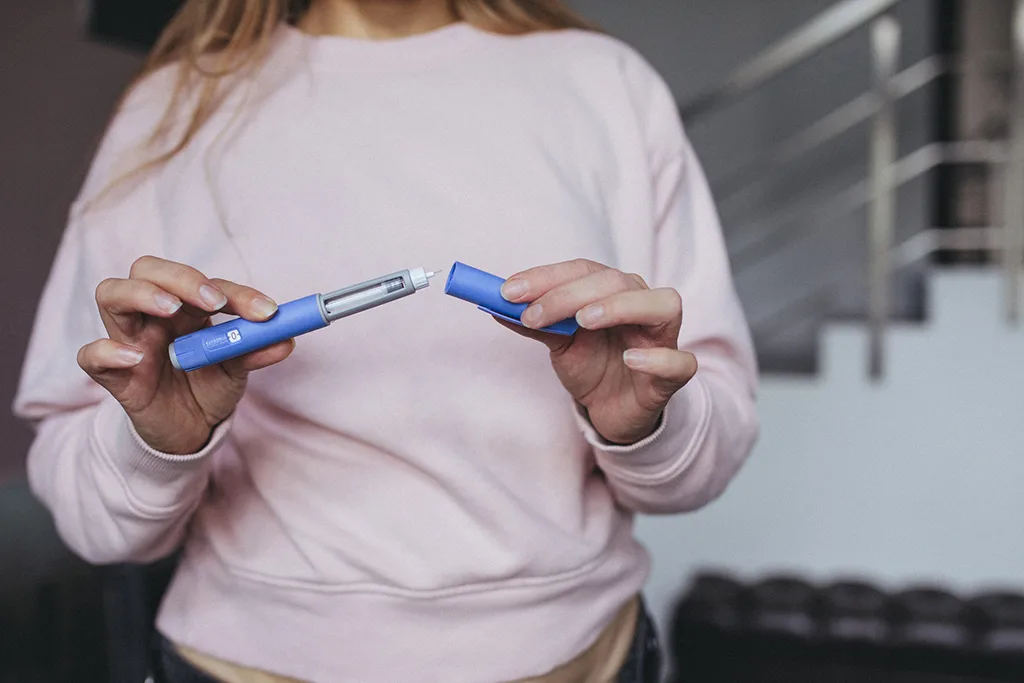

Food Network personality Katie Lee Biegel has shared an update on her use of a GLP-1 medication, describing her experience as “incredibly positive.” The television chef and cookbook author discussed her journey on her podcast, “All on the Table,” revealing that she began taking the medication in February to address persistent postpartum weight. Her candid conversation highlights the personal nature of weight management decisions and the potential benefits of these medications beyond simple weight loss.
What is Katie Lee Biegel's experience with GLP-1 medications?
Katie Lee Biegel, 44, has described her experience with GLP-1 medications as “incredibly positive,” noting that she began taking a prescription in February. She expressed that the decision to use such medication is deeply personal and depends on what an individual feels is best for their own health and well-being. Biegel, known for her role on Food Network's "Katie's Test Kitchen," aimed to shed “10 to 12 extra pounds” that she had struggled to lose since welcoming her daughter, Iris, in 2020. She emphasized that despite consistent exercise and healthy eating, the weight remained stubbornly attached, leaving her feeling unlike herself and not feeling her best.
Biegel's decision was informed by a discussion with her doctor, who highlighted that GLP-1 medications offer benefits beyond weight loss, such as reducing inflammation and lowering the risk of heart disease. She began with a very low dose, adjusted it, and eventually settled on a “micro, micro dose” once she reached her target weight. She is not seeking further weight loss, stating that she has achieved her goal and feels like a “new freaking person,” both physically and mentally. The medication has alleviated the constant preoccupation with her size, allowing her to feel more comfortable in her clothes and more confident overall.
Why did Katie Lee Biegel consider GLP-1 medication for weight loss?
Katie Lee Biegel sought a GLP-1 medication primarily to overcome a plateau in her weight loss efforts, specifically targeting the 10 to 12 pounds she had carried since her daughter's birth. Despite adhering to a rigorous fitness routine, exercising five times a week, and maintaining a healthy diet, she found this persistent weight difficult to shed. This inability to reach her goal weight impacted her overall sense of well-being and how she felt in her own body. She candidly shared that she “didn't feel like myself” and that the extra weight was a constant source of concern.
Beyond the aesthetic goal of weight loss, Biegel also considered the broader health implications discussed with her physician. She acknowledged the physiological changes that occur with age, particularly for women navigating menopause, where metabolism and sugar processing can shift. Her doctor informed her about the additional health benefits associated with GLP-1 medications, including their potential to reduce inflammation and decrease the risk of cardiovascular disease. This holistic perspective, encompassing both weight management and significant health advantages, contributed to her decision that the medication was the right choice for her at this stage.
What are the broader health benefits of GLP-1 medications?
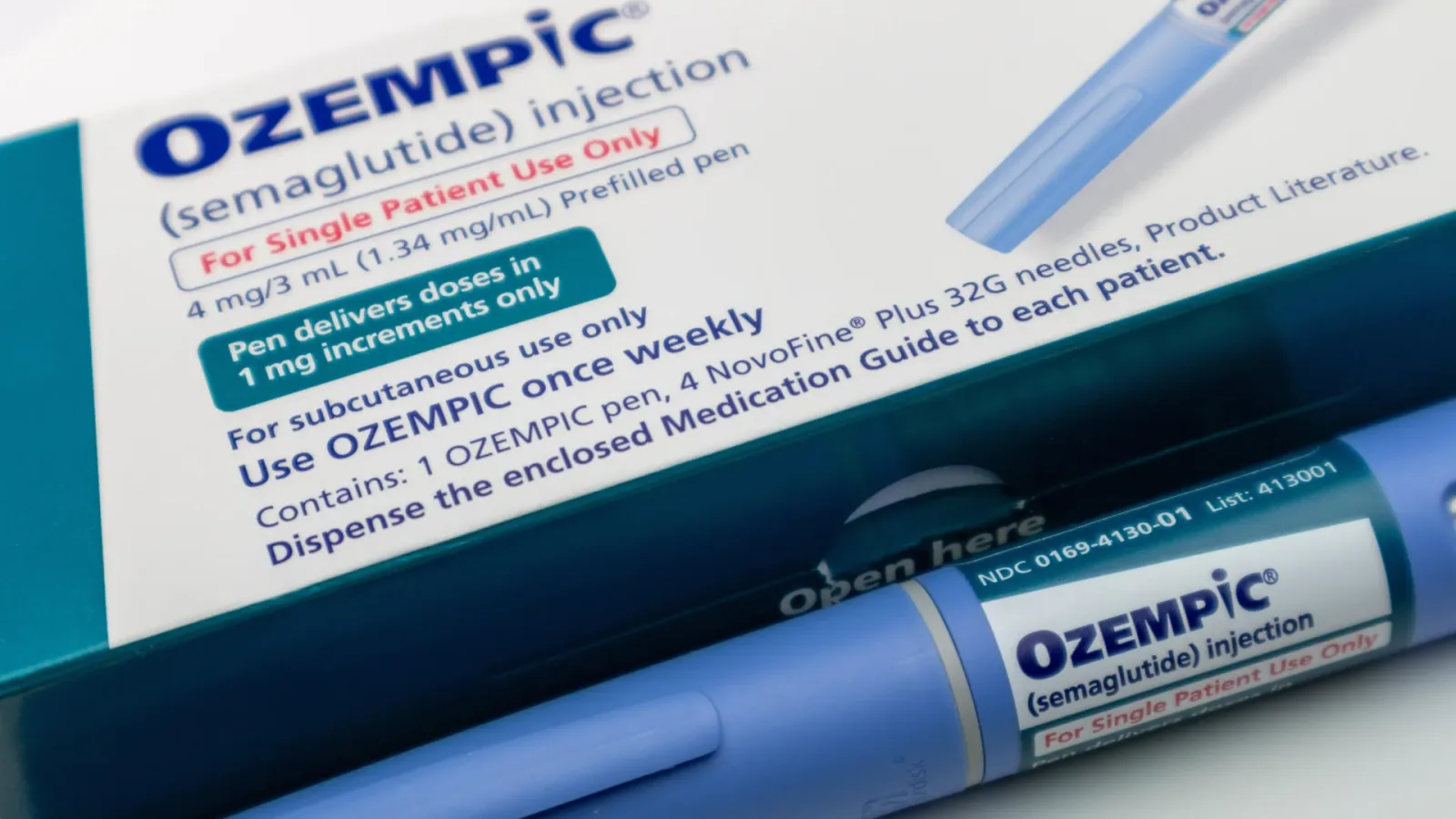
GLP-1 receptor agonists, a class of medications that includes semaglutide (found in Ozempic and Wegovy) and tirzepatide (found in Mounjaro and Zepbound), offer a range of health benefits that extend beyond their well-known role in weight management. These medications mimic the action of the naturally occurring GLP-1 hormone, which plays a crucial role in regulating blood sugar levels and appetite. For individuals with type 2 diabetes, GLP-1s are highly effective at improving glycemic control by stimulating insulin secretion, inhibiting glucagon release, and slowing gastric emptying, which helps prevent post-meal blood sugar spikes. Studies have consistently shown significant reductions in HbA1c levels in patients treated with these agents.
Furthermore, a significant cardiovascular benefit has been demonstrated for several GLP-1 receptor agonists. Large-scale clinical trials, such as the SUSTAIN-6 trial for semaglutide and the REWIND trial for dulaglutide, have shown that these medications can reduce the risk of major adverse cardiovascular events (MACE), including heart attack, stroke, and cardiovascular death, in individuals with type 2 diabetes and established cardiovascular disease or multiple risk factors. This cardiovascular protection is thought to be mediated by multiple mechanisms, including improvements in blood pressure, lipid profiles, and anti-inflammatory effects. Additionally, research suggests that GLP-1s may have beneficial effects on non-alcoholic fatty liver disease (NAFLD) and can contribute to reductions in inflammation throughout the body, supporting overall metabolic health.
How do GLP-1 medications work for weight loss?
GLP-1 medications facilitate weight loss primarily by targeting the body's appetite regulation system. They mimic the action of the naturally occurring glucagon-like peptide-1 hormone, which is released in the gut after eating. This hormonal mimicry leads to a significant reduction in appetite and an increased feeling of fullness, known as satiety. By slowing down the rate at which the stomach empties, these medications help individuals feel satisfied for longer periods, which naturally leads to a decreased intake of calories. This effect is crucial for creating the caloric deficit necessary for weight loss.
The impact on appetite is often described as a dampening of cravings and a reduced desire for food, particularly for high-calorie or sugary items. This can make it easier for individuals to adhere to a reduced-calorie diet, which is a cornerstone of any successful weight loss program. For example, in clinical trials for semaglutide (Wegovy) and tirzepatide (Zepbound), participants experienced an average weight loss of 15-20% of their body weight over 68 weeks, a level of efficacy rarely seen with previous pharmacotherapies. This substantial weight reduction is directly attributable to the combined effects of appetite suppression and enhanced satiety, making these medications a powerful tool for individuals struggling with obesity.
What are the considerations and potential criticisms of GLP-1 use?
While GLP-1 medications have shown remarkable efficacy for weight loss and managing conditions like type 2 diabetes, their use is not without considerations and has faced some public scrutiny. A primary concern often raised by healthcare professionals is the potential for misuse or off-label prescription for casual weight loss in individuals who do not have a clinical indication, such as obesity or overweight with weight-related comorbidities. Doctors frequently caution against using these powerful medications solely for cosmetic reasons, emphasizing that they are intended for individuals with medically recognized weight-related health issues. This is partly due to the potential for side effects and the need for medical supervision.
Precision tracking for your journey
Join thousands using Shotlee to accurately track GLP-1 medications and side effects.
📱 Get the Shotlee App
Track your GLP-1 medications, peptides, and health metrics on the go with our mobile app!
Common side effects of GLP-1 medications include gastrointestinal issues such as nausea, vomiting, diarrhea, and constipation, which are often most pronounced when starting the medication or increasing the dose. While these symptoms tend to subside for many individuals over time, they can be significant enough to cause discontinuation. There are also more serious, though rarer, risks to consider, including pancreatitis and gallbladder problems. Furthermore, the long-term effects of using these medications for extended periods, particularly in individuals without diabetes, are still being studied. Katie Lee Biegel herself addressed potential criticism by stating that while the body positivity movement is important, it should not discourage individuals from seeking healthy ways to manage their weight if that is their personal goal. She stressed the importance of consulting with a doctor to determine if the medication is appropriate and to ensure it is used responsibly and safely.
Is it acceptable to use GLP-1s for personal weight goals?
The question of whether it is acceptable to use GLP-1 medications for personal weight goals, rather than solely for medically defined conditions like obesity or type 2 diabetes, is a subject of ongoing discussion. Katie Lee Biegel's perspective suggests a nuanced view: as long as the pursuit of weight loss is undertaken in a healthy manner and is right for the individual, it can be considered acceptable. She emphasizes that the decision is personal and that what works for one person may not be suitable for another. This aligns with the idea that individuals should have autonomy over their health choices, provided they are informed and supported by medical professionals.
However, it's crucial to acknowledge the medical community's stance. Prescribing GLP-1s off-label for individuals without a clear medical need raises ethical and safety concerns. These medications are potent and carry potential risks and side effects. Responsible medical practice dictates that prescriptions should be based on established clinical guidelines, which typically involve a diagnosis of obesity (BMI ≥ 30) or overweight (BMI ≥ 27) with at least one weight-related comorbidity, such as hypertension, dyslipidemia, type 2 diabetes, or obstructive sleep apnea. Therefore, while an individual may have a personal weight goal, the appropriateness of using a GLP-1 medication should be determined through a thorough medical evaluation and discussion with a healthcare provider who can assess the risks and benefits in the context of the individual's overall health profile.
How can Shotlee support your GLP-1 journey?
For individuals navigating the complexities of GLP-1 therapy, whether for weight management, diabetes control, or other health goals, consistent tracking and monitoring are essential. Shotlee can serve as a valuable tool in this process, empowering users to maintain a detailed record of their journey. By logging medication doses, tracking symptom changes, and monitoring key health metrics, users can gain deeper insights into their body's response to treatment. This data can be particularly useful when discussing progress and any challenges with healthcare providers, facilitating more informed conversations and adjustments to treatment plans.
Shotlee's ability to log specific details about medication intake, such as the exact dosage and timing, ensures accuracy and consistency. Users can also record any side effects experienced, from mild nausea to more significant discomfort, providing a clear overview of their tolerance. Beyond medication, tracking dietary intake, exercise, sleep patterns, and subjective feelings of well-being allows for a comprehensive understanding of how lifestyle factors interact with the therapy. This holistic approach can help identify patterns, celebrate milestones, and proactively address any potential issues, ultimately supporting a more effective and personalized GLP-1 treatment experience.
What data can be tracked with Shotlee?
Shotlee offers a comprehensive platform for tracking various aspects of your health and treatment regimen. Users can meticulously log their medication details, including the specific GLP-1 drug being used (e.g., semaglutide, tirzepatide), the exact dosage administered, and the date and time of administration. This detailed record is crucial for maintaining adherence and for providing accurate information to healthcare providers.
In addition to medication, Shotlee allows for the detailed tracking of symptoms and side effects. Users can record any adverse reactions experienced, the severity of these symptoms, and when they occurred. This is particularly helpful for identifying patterns related to medication dosage or timing. Furthermore, users can integrate the tracking of key health metrics, such as:
- Weight and body measurements
- Blood glucose levels (if applicable)
- Blood pressure readings
- Sleep quality and duration
- Physical activity levels and types of exercise
- Dietary intake, including specific meals and calorie counts
- Mood and energy levels
By consolidating this diverse range of data, Shotlee provides a holistic view of the user's health journey, enabling them to make informed decisions and have productive discussions with their medical team.
Conclusion
Katie Lee Biegel's open discussion about her positive experience with GLP-1 medication underscores the evolving landscape of weight management and health optimization. While these medications offer significant benefits for individuals seeking to lose weight and improve metabolic health, their use requires careful consideration and medical guidance. The journey with GLP-1s is personal, and success hinges on informed decision-making, adherence to prescribed regimens, and a holistic approach to well-being. Tools like Shotlee can play a vital role in supporting individuals by providing detailed tracking and insights, empowering them to actively participate in their health journey and collaborate effectively with their healthcare providers.
As Biegel highlights, the decision to use GLP-1s should be a personal one, made in consultation with a doctor, and should not be a source of shame. By embracing a proactive and informed approach, individuals can leverage these therapeutic advancements to achieve their health goals and enhance their overall quality of life.