
In an era dominated by rapid weight loss solutions, the story of Melanie Sivier stands out. At 38, she has achieved a remarkable transformation, shedding nine stone (approximately 126 pounds) and dropping from a size 32 to a size 14. What makes her journey particularly noteworthy is her deliberate choice to pursue weight loss through diet and exercise, even when offered surgical alternatives and amidst the widespread popularity of GLP-1 medications like Ozempic and Mounjaro. Melanie's path underscores the power of sustained lifestyle changes and offers a compelling perspective for those seeking a more natural approach to health and wellness.
The Weight of the Past: Overcoming Health Challenges
Melanie's weight journey began with significant health hurdles. At her heaviest, she weighed 159kg (25 stone), a figure influenced by a combination of factors including steroid medication, emotional eating, and personal life stressors. The impact of her weight was profound, leading to hypertension and a serious condition causing fluid buildup on her brain, which permanently affected her vision. During her college years, body image issues contributed to depression, further entrenching comfort eating habits involving takeaways, desserts, and alcohol.
The turning point arrived during a family holiday in 2011. This experience prompted Melanie to confront her health concerns head-on. Upon returning home, she consulted her GP, who suggested a gastric band. However, Melanie declined the procedure, expressing a desire to achieve her weight loss goals through her own efforts, what she calls "the hard way."
Early Steps Towards Change
Melanie's initial strategy focused on gradual, sustainable changes. She began with swimming and aqua Zumba sessions, starting with just 25 minutes daily. This consistent physical activity, coupled with a dietary overhaul, saw her initial weight loss and a reduction in dress size from 32 to 26 within the first year.
Embracing a Holistic Lifestyle Over Medications
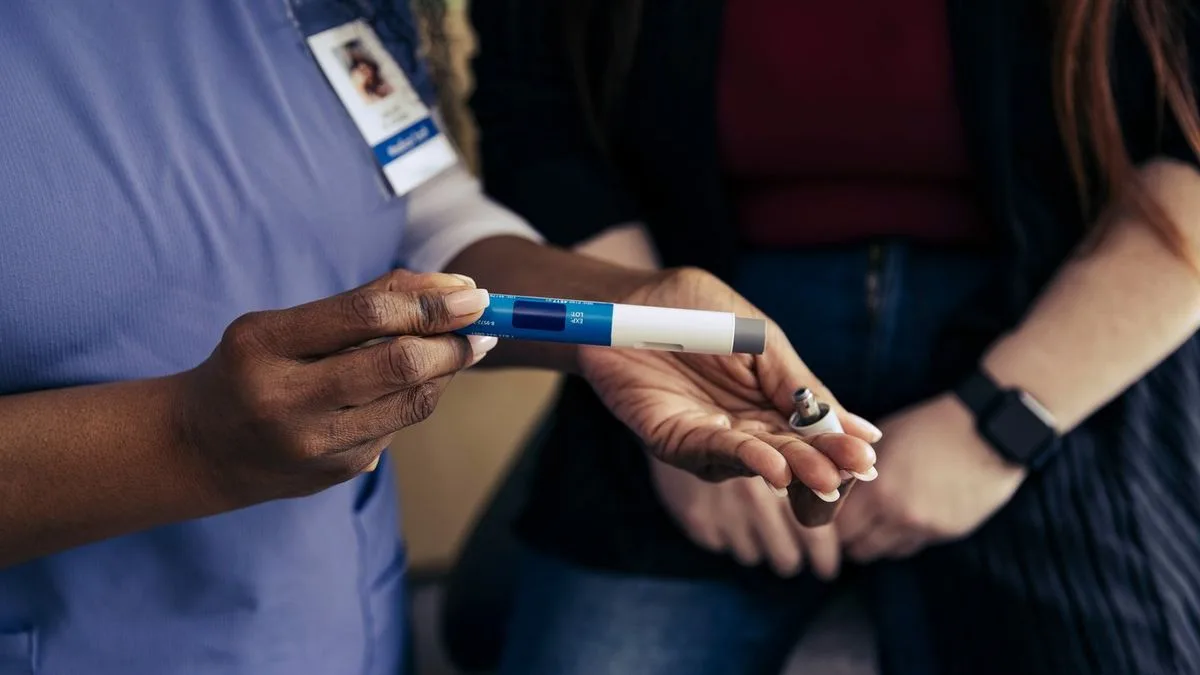
Melanie's decision to eschew medical interventions, including the increasingly popular GLP-1 agonists, stems from a deep-seated belief in natural methods and concerns about long-term effects. She articulated her reservations:
"I have just never felt comfortable having something done to lose weight when I know I can do it naturally if I am just patient. Especially with the whole Mounjaro Ozempic phase now, I just don't feel like there is enough evidence that you are not going to have problems when you are older. People who go on the jabs to lose weight have to stay on them to maintain it. I find that scary. It is only meant to be for diabetes, and companies are selling it to people."
Her perspective highlights a growing conversation around the long-term implications and primary indications of these powerful medications. While GLP-1s have shown significant success in weight management, Melanie's choice reflects a preference for a lifestyle-driven approach, emphasizing self-efficacy and a cautious view of newer pharmaceutical interventions.
The Pillars of Melanie's Success
Melanie's sustained weight loss is built upon a foundation of consistent exercise and a meticulously managed diet. Her routine includes:
- Daily Activity: Committing to 10,000 steps a day, alongside dedicated gym sessions six times a week.
- Calorie Deficit: Actively managing her intake to ensure she is consuming fewer calories than she expends.
- Portion Control: Weighing her food, particularly carbohydrate portions, to maintain precision.
- Nutrient-Rich Diet: Focusing on high-fiber and high-protein foods to promote satiety and support muscle health.
- Hydration: Consuming five liters of water daily.
- Dietary Abstinence: Eliminating alcohol entirely for over 11 years, to the point where she can no longer tolerate its smell.
She emphasizes that her approach is not about starvation but about consuming nutritious, appropriate foods. Melanie continues to enjoy three balanced meals a day, proving that sustainable weight loss can coexist with satisfying eating habits.
Precision tracking for your journey
Join thousands using Shotlee to accurately track GLP-1 medications and side effects.
📱 Get the Shotlee App
Track your GLP-1 medications, peptides, and health metrics on the go with our mobile app!
The Unforeseen Consequences: Dealing with Excess Skin
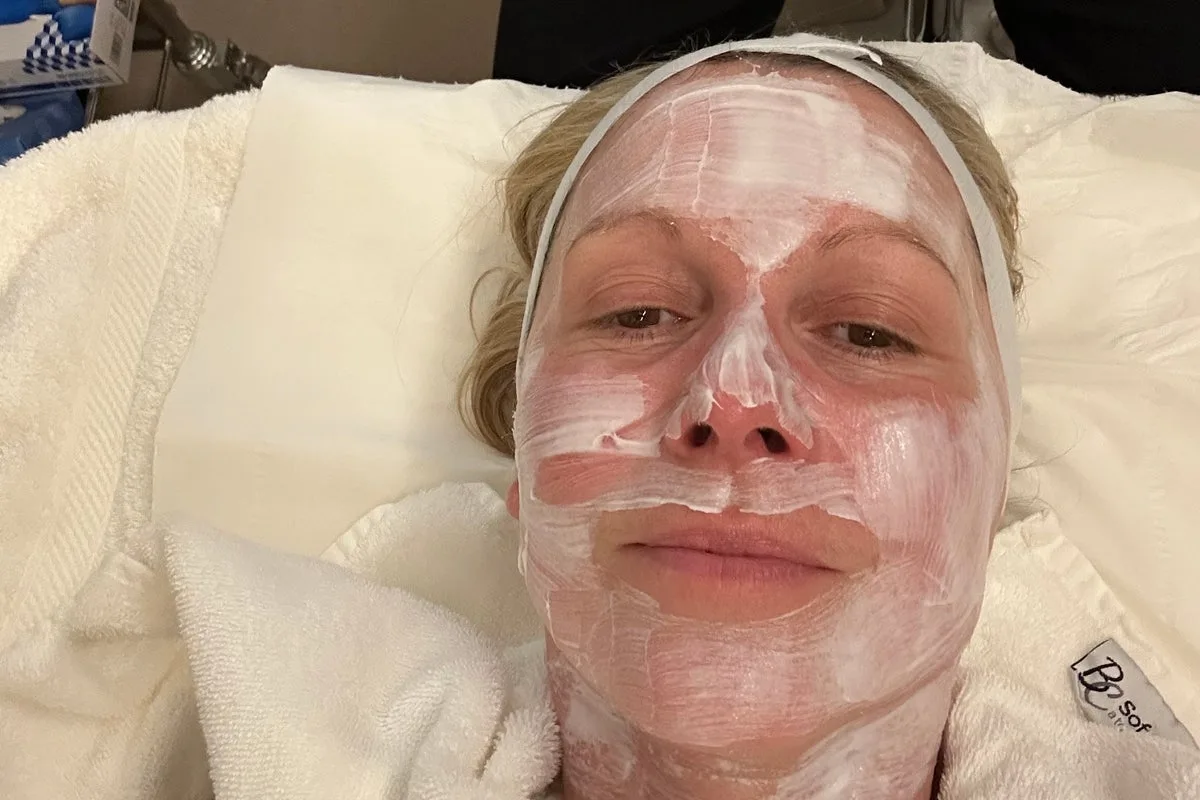
While Melanie's weight loss has brought immense health benefits and a renewed sense of self-confidence, it has also presented new challenges. The significant shedding of weight has resulted in a considerable amount of excess skin on her arms and stomach. This has led to physical discomfort, including skin irritation and thinning that has caused painful splitting on several occasions.
The emotional toll of this excess skin is also significant. Melanie describes feeling "trapped in my own body" and experiencing distress when preparing to socialize, as she struggles to find clothing that accommodates her body and allows her to feel comfortable.
Seeking Solutions for Excess Skin
Melanie explored options for surgical skin removal, only to find that the NHS would not cover the procedure because she had not undergone bariatric surgery, such as a gastric band. A private consultation at Guy's and St Thomas' hospital in London provided a quote of £18,195 for the operation. This cost is prohibitive for Melanie, who lives month-to-month and has limited savings, making private surgery an unattainable goal.
Adding to her health concerns, Melanie has a heart condition known as Supraventricular Tachycardia (SVT), which causes palpitations. This condition prevents her from considering cheaper surgical options abroad due to the associated risks. Friends encouraged her to start a GoFundMe page, which has since raised over £2,000, offering a glimmer of hope and demonstrating community support.
A Perspective on Modern Weight Loss Trends
Melanie's journey offers a valuable counterpoint to the current landscape of rapid weight loss solutions. Her experience with the NHS's stance on funding skin removal surgery, tied to the absence of prior bariatric intervention, highlights a complex system where lifestyle-driven weight loss may not always be recognized for its therapeutic value in accessing reconstructive procedures.
Her candidness about the challenges of excess skin, a common issue following substantial weight loss, underscores the multifaceted nature of body transformation. It's a reminder that achieving a weight goal is often just one part of a larger journey towards holistic well-being.
Practical Takeaways for Your Health Journey
Melanie's story offers several key lessons for anyone embarking on a weight loss or health improvement journey:
- Patience is Key: Sustainable changes take time. Focus on consistent effort rather than quick fixes.
- Holistic Approach: Address physical, emotional, and lifestyle factors contributing to your health.
- Listen to Your Body: Understand your personal motivations and concerns regarding medical interventions.
- Celebrate Small Wins: Acknowledge and build upon incremental progress.
- Seek Support: Don't hesitate to lean on friends, family, or community resources when facing challenges.
For individuals tracking their progress, maintaining a detailed health journal, noting exercise, food intake, and any physical symptoms, can be invaluable. Tools like Shotlee can help consolidate this information, providing a clear overview of your journey and aiding in discussions with healthcare providers.
Conclusion
Melanie Sivier's journey is a testament to the power of perseverance and a belief in one's own ability to effect change. By choosing a path of disciplined lifestyle modification over surgical intervention or medication, she has not only achieved significant weight loss but has also crafted a sustainable framework for long-term health. While challenges like excess skin remain, her story inspires a deeper consideration of what it means to pursue wellness – a journey that is often as much about internal strength and dedication as it is about external results.