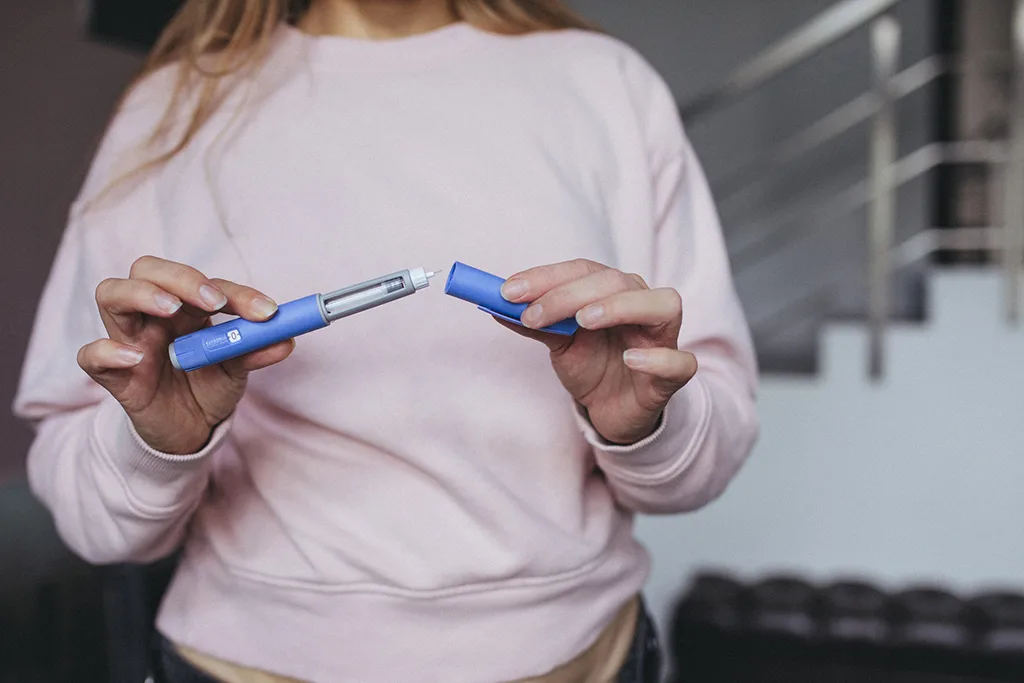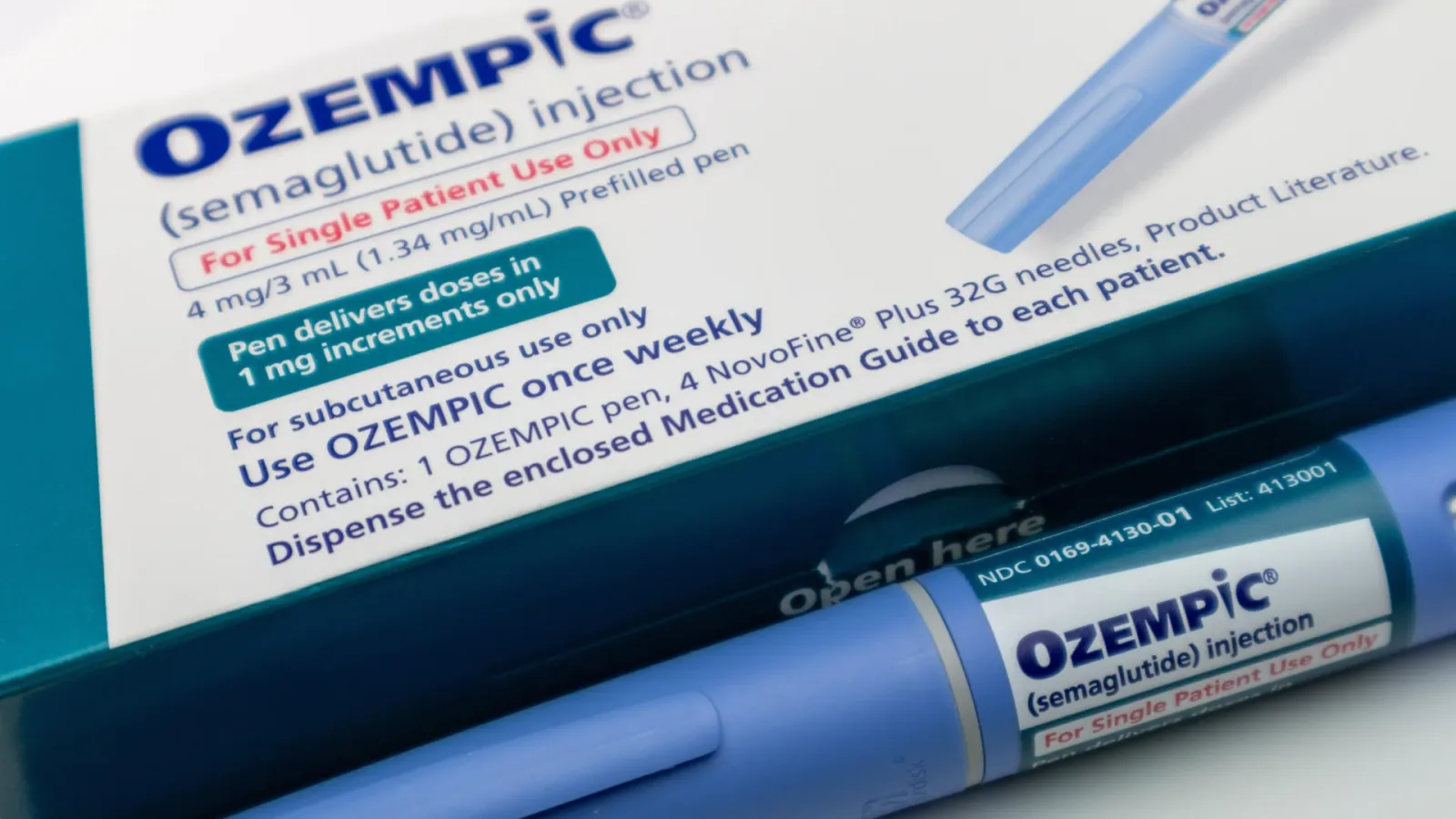

Popular GLP-1 medications like Ozempic, Wegovy, Mounjaro, and Zepbound have revolutionized weight management for millions, offering significant reductions in body weight and improvements in metabolic health. These drugs, which mimic the action of the GLP-1 hormone, effectively regulate appetite and blood sugar. However, as users experience substantial fat loss, a critical question arises: what happens to their muscle mass and overall cardiorespiratory fitness? Recent insights from University of Virginia experts highlight that while GLP-1s excel at shedding fat, they may not inherently preserve lean body mass or enhance the heart and lung function vital for long-term well-being. This underscores the need for a comprehensive approach to weight loss that goes beyond the scale.
Why is Preserving Muscle Mass Crucial During Weight Loss?
Maintaining muscle mass is essential for overall health, bodily function, and metabolic rate, especially when undergoing significant weight loss. Muscle tissue plays a vital role in posture, physical strength, and even contributes to a healthy metabolism by burning calories. When individuals lose weight, particularly rapidly, there's a risk of losing both fat and lean body mass, which includes muscle. For GLP-1 users, this concern is amplified because the medications are highly effective at reducing body fat. However, some patients report feeling a loss of muscle strength or mass, which is a serious issue. Losing lean body mass can not only diminish physical capabilities and quality of life but also increase the risk of cardiovascular disease and all-cause mortality. Therefore, it's paramount for healthcare providers to screen patients for pre-existing risks of malnutrition or low muscle mass before initiating these powerful medications.
How Do GLP-1 Drugs Affect Body Composition?
GLP-1 receptor agonists are designed to promote weight loss primarily by reducing appetite and slowing gastric emptying, leading to a caloric deficit. While this process effectively targets and reduces adipose (fat) tissue, it can also lead to a loss of fat-free mass (FFM). Studies indicate that FFM can constitute a significant portion, ranging from 25% to 40%, of the total weight lost on these medications. This rate of FFM loss can be considerably higher than the natural, age-related decline in FFM, which is typically around 8% per decade. Muscle makes up a substantial part of FFM, often accounting for 40% to 50% of it. This means that alongside the beneficial fat loss, a considerable amount of muscle can also be diminished, raising concerns about long-term functional capacity and metabolic health.
What is Cardiorespiratory Fitness (CRF) and Why Does It Matter?
Cardiorespiratory fitness (CRF), often measured by VO2max (the maximum amount of oxygen the body can utilize during intense exercise), is a critical indicator of cardiovascular health and overall physical conditioning. It reflects how efficiently the heart, lungs, muscles, and blood vessels work together to deliver oxygen to the body during physical activity. A higher CRF is strongly associated with a reduced risk of all-cause mortality, cardiovascular disease, and other chronic health conditions. For individuals with obesity, type 2 diabetes, or heart failure—conditions often treated with GLP-1s—maintaining or improving CRF is particularly important. In fact, research suggests that CRF can be a more potent predictor of mortality risk than body weight alone. When CRF is factored into predictive models, body weight may cease to be a significant predictor of death, highlighting its paramount importance for longevity and healthspan.
Precision tracking for your journey
Join thousands using Shotlee to accurately track GLP-1 medications and side effects.
📱 Get the Shotlee App
Track your GLP-1 medications, peptides, and health metrics on the go with our mobile app!
Do GLP-1s Improve Cardiorespiratory Fitness?
While GLP-1 medications offer numerous health benefits, including improved blood sugar control and short-term cardiorenal advantages, current evidence suggests they do not directly enhance cardiorespiratory fitness (CRF) or VO2max. Researchers reviewing available data found that although these drugs may improve certain aspects of heart function, these improvements do not translate into a significant boost in the body's ability to use oxygen during exercise. This lack of direct CRF enhancement is a key concern, as it could potentially offset some of the long-term health gains associated with substantial weight loss. The concern is that patients might lose weight but remain physically deconditioned, impacting their overall healthspan and resilience.
Strategies for Preserving Muscle and Enhancing CRF During GLP-1 Therapy
Given the potential for muscle loss and the lack of inherent CRF improvement with GLP-1 medications, proactive strategies are essential for users to achieve holistic health benefits. The American Diabetes Association recommends screening for malnutrition and low muscle mass risk before initiating GLP-1 therapy. Furthermore, promoting adequate protein intake and incorporating regular exercise throughout treatment are crucial. Resistance training, in particular, is vital for stimulating muscle protein synthesis and preserving lean body mass. Cardiovascular exercise, such as aerobic activities, is key to improving CRF. While more research is needed to definitively assess the impact of exercise training on VO2max during GLP-1 therapy, current understanding strongly supports its inclusion as a complementary approach. Emerging research also points to potential future medical interventions, such as monoclonal antibodies, that may help offset lean muscle loss, offering further hope for comprehensive management.
The Role of Nutrition and Exercise Tracking
For individuals on GLP-1 medications, diligent tracking of nutritional intake and exercise is more important than ever. Monitoring protein consumption ensures the body has the building blocks necessary for muscle repair and growth. Similarly, tracking exercise sessions, including both resistance and cardiovascular activities, helps ensure consistency and progress. Tools like the Shotlee app can be invaluable in this regard, allowing users to log their meals, workouts, and monitor key health metrics. This data can provide valuable insights into how their body is responding to treatment and exercise, enabling them to make informed adjustments and work closely with their healthcare providers to optimize their health outcomes and ensure they are not just losing weight, but gaining health.
Key Takeaways for GLP-1 Users
- Muscle Mass is Key: Be aware that GLP-1 medications can lead to loss of lean body mass, including muscle.
- Prioritize Protein: Ensure adequate protein intake to support muscle health.
- Embrace Resistance Training: Incorporate strength training exercises to build and maintain muscle.
- Focus on CRF: Engage in regular cardiovascular exercise to improve heart and lung function.
- Consult Your Doctor: Discuss potential risks and strategies for muscle preservation and CRF enhancement with your healthcare provider.
- Track Your Progress: Utilize tools to monitor nutrition, exercise, and overall health metrics.
Conclusion
GLP-1 medications represent a significant advancement in the treatment of obesity and type 2 diabetes, offering profound benefits for weight loss and metabolic control. However, the potential for concurrent loss of muscle mass and the lack of direct improvement in cardiorespiratory fitness necessitate a comprehensive and informed approach. By prioritizing adequate protein intake, engaging in regular resistance and cardiovascular exercise, and working closely with healthcare providers, individuals can mitigate these risks and maximize the long-term health benefits of their treatment. As research continues, the goal is to ensure that patients not only achieve substantial weight loss but also enhance their overall healthspan, vitality, and quality of life.
| Component | Effect with GLP-1s | Importance for Long-Term Health |
|---|---|---|
| Adipose Tissue (Fat Mass) | Significantly Reduced | Improves metabolic health, reduces cardiovascular risk |
| Fat-Free Mass (including Muscle) | Substantially Lost (25-40% of total weight loss) | Essential for strength, metabolism, physical function; loss can increase mortality risk |
| Cardiorespiratory Fitness (CRF/VO2max) | No clear enhancement demonstrated | Potent predictor of all-cause and cardiovascular mortality; crucial for overall healthspan |