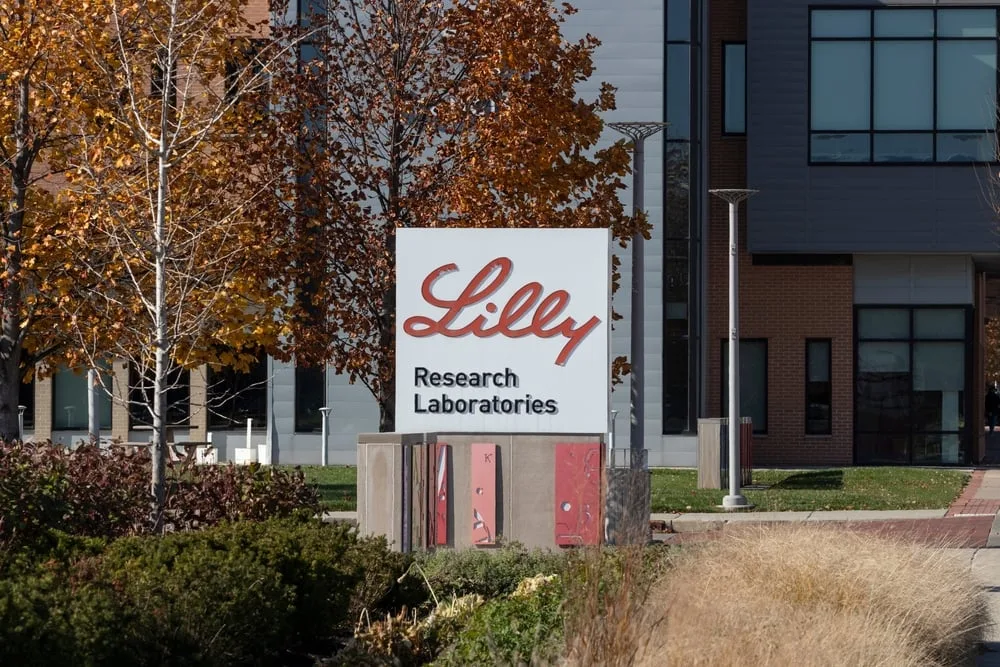

The groundbreaking success of GLP-1 receptor agonists like Ozempic, Wegovy, and Mounjaro has undeniably transformed the landscape of weight management and type 2 diabetes treatment. These injectables have not only offered significant clinical benefits but have also captured the public imagination, sparking widespread interest and discussion. However, the rapid pace of scientific discovery means that the current wave of innovation is already paving the way for what comes next. The race to develop more effective, convenient, and accessible treatments for obesity and related metabolic disorders is far from over.
For individuals seeking better health outcomes and for those observing this dynamic field, understanding the trajectory of these advancements is crucial. The focus is shifting beyond current injectables to encompass a wider array of therapeutic strategies, from novel oral medications to multi-target agonists and sophisticated combination therapies. This evolution promises to address a broader spectrum of patient needs and preferences, ultimately aiming to improve efficacy, enhance patient convenience, and create more differentiated treatment options.
The Next Generation of Metabolic Therapies
The current generation of GLP-1 agonists has set a high bar, but researchers and pharmaceutical companies are actively pursuing innovations that aim to surpass existing treatments. These next-generation therapies are being developed with several key objectives in mind:
- Improved Efficacy: Developing compounds that lead to greater weight loss or better glycemic control.
- Enhanced Convenience: Shifting from injectable formulations to more patient-friendly oral medications or longer-acting injectables.
- Broader Mechanisms of Action: Exploring drugs that target multiple metabolic pathways simultaneously for a more comprehensive effect.
- Personalized Medicine: Tailoring treatments based on individual patient profiles and genetic predispositions.
The pipeline is rich with potential, featuring:
Oral Formulations: The Quest for Pill-Based Solutions
One of the most anticipated advancements is the development of effective oral GLP-1 receptor agonists. While some oral options are already available, the pursuit of oral formulations that match the efficacy of their injectable counterparts continues. This would represent a significant leap in patient convenience, potentially increasing adherence and reducing the barriers to treatment for many.
Multi-Target Agonists: Addressing Complex Metabolic Needs
Obesity and metabolic diseases are complex conditions influenced by multiple biological pathways. Multi-target agonists, often referred to as "triple agonists" or "dual agonists," are designed to activate several hormone receptors simultaneously. For instance, tirzepatide (Mounjaro, Zepbound) is a GIP and GLP-1 receptor agonist, demonstrating enhanced efficacy in both weight loss and glycemic control compared to GLP-1 agonists alone. Future research is exploring agonists that target additional pathways, such as glucagon receptors, aiming for even more profound metabolic benefits.
Combination Therapies: Synergistic Effects for Greater Impact
Combining different classes of drugs can unlock synergistic effects, leading to better outcomes than either medication could achieve on its own. Researchers are investigating combinations that might include GLP-1 agonists with other agents that target appetite regulation, fat metabolism, or insulin sensitivity. These combinations could offer a more personalized and potent approach to managing complex metabolic conditions.
Navigating the Commercial Landscape: Pricing, Access, and Patient Support
While scientific innovation drives the development of new treatments, their ultimate success hinges on commercial viability and patient accessibility. The cost of these advanced therapies and the complexities of insurance coverage are significant factors influencing their widespread adoption.
Discussions around pricing, such as the $50 Medicare Part D out-of-pocket levels, and the varied coverage provided by employers and private insurers, highlight the critical need for affordable access. For a treatment to be truly impactful, it must be within reach for the vast majority of patients who could benefit. Pharmaceutical companies are working to navigate these challenges, and policy discussions are ongoing to ensure that these life-changing medications become more accessible.
Furthermore, patient support programs are becoming increasingly vital. These programs can offer:
Precision tracking for your journey
Join thousands using Shotlee to accurately track GLP-1 medications and side effects.
📱 Get the Shotlee App
Track your GLP-1 medications, peptides, and health metrics on the go with our mobile app!
- Educational resources about the medication and lifestyle changes.
- Financial assistance to help offset costs.
- Tools for tracking progress, such as medication adherence, weight changes, and symptom management.
Platforms like Shotlee can play a crucial role here, empowering patients to meticulously track their doses, monitor side effects, and record their health metrics. This data can not only help individuals manage their treatment more effectively but also provide valuable insights for healthcare providers to optimize care plans.
The Evolving Role of Peptide Therapy
GLP-1 agonists, semaglutide and tirzepatide included, are peptides. The success of these molecules has significantly boosted interest and investment in peptide therapy as a broader class of therapeutics. Peptides are short chains of amino acids that can mimic natural hormones or signaling molecules in the body, offering a versatile platform for drug development.
The field of peptide therapy is expanding beyond metabolic diseases to explore applications in areas such as:
- Weight management
- Diabetes treatment
- Cardiovascular health
- Neurological disorders
- Inflammatory conditions
As research progresses, we can expect to see more peptide-based drugs entering clinical trials and eventually reaching the market, offering novel treatment avenues for a wide range of diseases.
Key Innovations and Their Potential Impact
The innovation in the GLP-1 and broader metabolic disease space is characterized by several key trends:
| Innovation Type | Description | Potential Impact |
|---|---|---|
| Next-Generation Oral GLP-1s | Oral formulations with efficacy comparable to injectables. | Increased patient adherence, reduced barriers to treatment, greater convenience. |
| Multi-Target Agonists | Drugs targeting multiple metabolic pathways (e.g., GIP/GLP-1, GLP-1/Glucagon). | Enhanced weight loss and glycemic control, broader therapeutic effects. |
| Combination Therapies | Combining GLP-1 agonists with other drug classes. | Synergistic effects for improved efficacy, personalized treatment approaches. |
| Novel Peptide Therapeutics | Exploration of peptides for various metabolic and non-metabolic conditions. | New treatment modalities for a wide range of diseases, potentially with improved safety profiles. |
These advancements are not just incremental improvements; they represent a paradigm shift in how we approach the treatment of obesity and metabolic syndrome. The focus is moving towards more holistic, effective, and patient-centric solutions.
Practical Takeaways for Patients and Observers
For individuals considering or currently using GLP-1 medications, staying informed is key. The field is evolving rapidly, and new options may become available that offer distinct advantages. It's essential to have open conversations with your healthcare provider about the latest treatment options, potential benefits, and any risks associated with them.
For those tracking the industry, the focus on innovation in oral formulations, multi-target agonists, and combination therapies suggests a future with more diverse and potent treatment options. The continued development in peptide therapy also points to a broader pipeline of novel therapeutics.
Utilizing tools like Shotlee can be invaluable for managing treatment. Tracking your medication, noting any side effects, and recording your progress can help you and your doctor make informed decisions and optimize your health journey.
Conclusion
The era of GLP-1 receptor agonists has heralded a new age in the treatment of obesity and type 2 diabetes, offering hope and significant clinical benefits to millions. However, this is merely the dawn of a new chapter in metabolic health innovation. The ongoing development of next-generation oral formulations, multi-target agonists, and combination therapies, alongside the broader exploration of peptide therapeutics, promises to deliver even more powerful, convenient, and personalized solutions. As these advancements move through clinical pipelines and into patient care, they hold the potential to profoundly reshape the future of metabolic health, offering new avenues for individuals to achieve their health goals and live healthier lives.