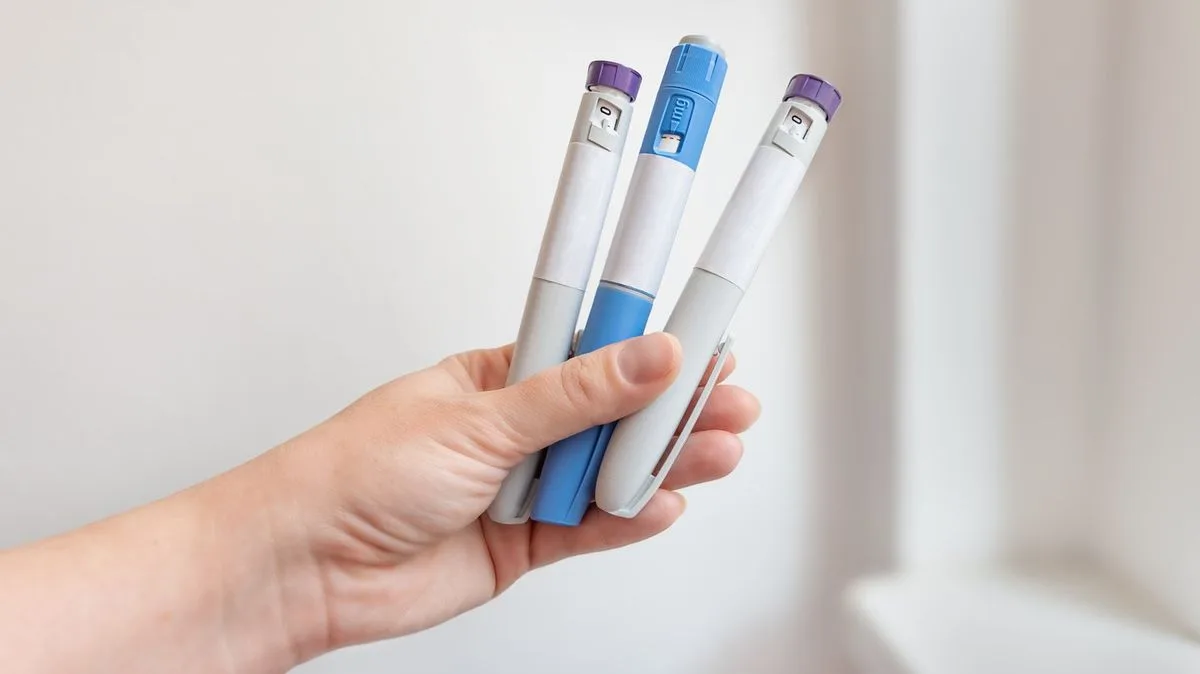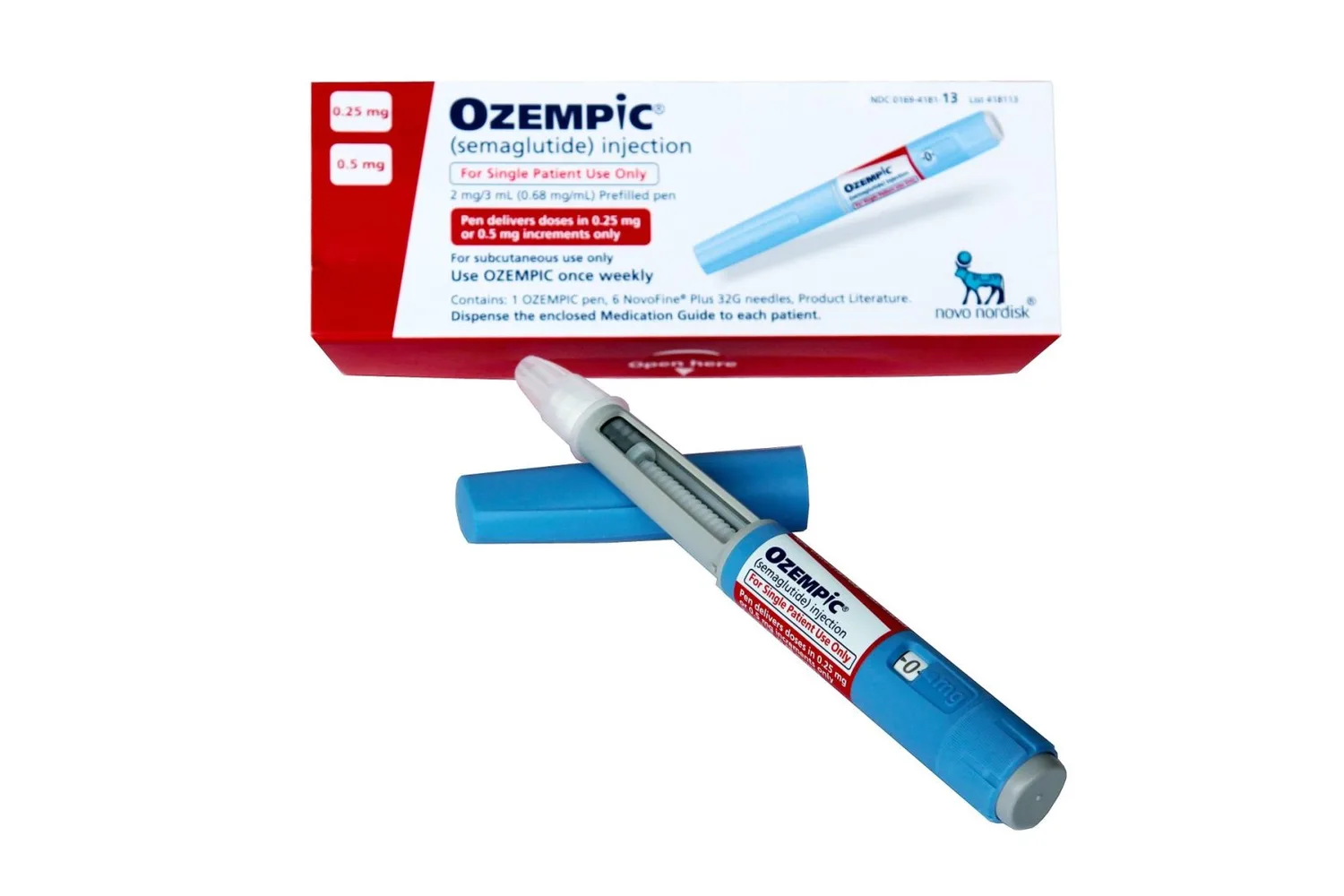

In recent years, a new class of medications has taken center stage in both medical and public discourse: GLP-1 receptor agonists. Spearheaded by drugs like Ozempic (semaglutide), these treatments, initially developed for type 2 diabetes, have revealed a powerful secondary effect – substantial weight loss. This discovery has not only reshaped treatment paradigms but also ignited widespread public interest and a dramatic increase in usage. From its origins as a diabetes management tool, Ozempic has evolved into a pivotal player in the global conversation around weight management, obesity, and body image.
The Unprecedented Ascent of GLP-1s: From Diabetes to Weight Management
Approved by the FDA in 2017, Ozempic (semaglutide) was initially heralded as a breakthrough for individuals managing type 2 diabetes. Its mechanism of action, mimicking the naturally occurring hormone glucagon-like peptide-1 (GLP-1), helps regulate blood sugar levels by stimulating insulin secretion and reducing glucagon release. However, it wasn't long before patients and clinicians began observing a remarkable and consistent side effect: significant and often rapid weight loss.
This emergent property quickly shifted the narrative. While its primary indication remained diabetes, the potential for effective weight management became undeniable. This observation paved the way for further research and development, leading to the creation of specific formulations and higher doses aimed directly at treating obesity.
Semaglutide's Journey: Ozempic, Wegovy, and Beyond
The success of semaglutide in its initial application spurred innovation from its manufacturer, Novo Nordisk. Recognizing the immense potential for weight loss, the company developed Wegovy, a higher-dose formulation of semaglutide specifically approved for chronic weight management in 2021. This marked a significant step, solidifying semaglutide's role as a dual-action therapy for both diabetes and obesity. In 2024, Wegovy further expanded its therapeutic reach by gaining approval for treating obesity-related heart disease, underscoring its profound impact on metabolic health.
The trajectory of semaglutide exemplifies a broader trend within the pharmaceutical industry: the repurposing and refinement of existing drug classes to address pressing public health challenges. This sequence highlights how a molecule initially targeted at a specific metabolic disorder can evolve to become a cornerstone therapy for a widespread condition like obesity.
Quantifying the Surge: A Look at Usage and Public Interest
The scale of this shift is best illustrated by data from a study conducted by the Indiana University School of Medicine. This research revealed a staggering 40-fold increase in the U.S. usage of Ozempic between 2017 and 2021. By the end of this period, an estimated 9 million Americans, representing approximately 2% to 3% of the population, were regularly using some form of semaglutide-based medication.
This dramatic rise in prescription volume is mirrored by a surge in public awareness and search interest. Social media platforms, particularly TikTok, saw an explosion of content related to Ozempic, with the hashtag accumulating tens of millions of views. Concurrently, online search trends showed a significant peak in queries related to weight loss in May 2024, and searches for GLP-1 medications reached their zenith in March 2025, indicating sustained and growing public curiosity and demand.
Key Usage Statistics (2017-2021)
| Metric | Finding |
|---|---|
| U.S. Usage Increase | 40-fold rise |
| Regular Users (by 2021) | Approximately 9 million Americans |
| Percentage of Population | 2-3% |
Understanding these numbers is crucial for grasping the magnitude of Ozempic's impact. What began as a niche treatment for diabetes has rapidly transformed into a mainstream intervention for weight management, accessible and sought after by millions.
Precision tracking for your journey
Join thousands using Shotlee to accurately track GLP-1 medications and side effects.
📱 Get the Shotlee App
Track your GLP-1 medications, peptides, and health metrics on the go with our mobile app!
Cultural Context: Body Image, Activism, and the Diet Industry
The widespread adoption of Ozempic and similar medications cannot be viewed in isolation. It occurs within a complex cultural landscape shaped by historical movements for body acceptance and the pervasive influence of the diet industry. The article references earlier efforts like the National Association to Aid Fat Americans, founded in 1969, and the Fat Liberation movement in 1973, which championed "equal rights for fat people in all areas of life." These movements highlight a long-standing struggle against societal weight stigma and discrimination.
The evolution of the body positivity movement is also relevant. While initially rooted in the inclusive idea that "all bodies are good bodies," some argue that later iterations have sometimes lost their intersectional focus, potentially marginalizing concerns for fat, Black, or queer individuals. Simultaneously, the diet industry has historically been criticized for perpetuating narrow beauty standards and unfairly targeting these same marginalized groups.
Against this backdrop, the emergence of highly effective weight-loss medications like semaglutide has landed in a society already deeply invested in weight management and often preoccupied with body judgment. This cultural environment helps explain the rapid and enthusiastic embrace of these new pharmacological tools.
Navigating Your Health Journey with GLP-1s and Shotlee
For individuals considering or currently using GLP-1 medications like Ozempic, Wegovy, or Mounjaro (tirzepatide, another GLP-1/GIP agonist), careful management and tracking are essential. The effectiveness of these treatments is often tied to consistent adherence to prescribed doses, monitoring for side effects, and integrating them into a comprehensive health plan that may include diet and exercise.
Tools that help monitor progress, symptom changes, and medication schedules can be invaluable. For instance, using a platform like Shotlee can empower individuals to:
- Log medication doses and timings accurately.
- Record and track any symptoms or side effects experienced.
- Monitor weight changes and other health metrics over time.
- Share this data with healthcare providers to inform treatment adjustments.
This proactive approach to health tracking ensures that patients can work collaboratively with their doctors to optimize their treatment outcomes and manage their health effectively. The journey with GLP-1s is a personalized one, and detailed self-monitoring plays a key role in its success.
The Future of Weight Management: GLP-1s and Beyond
The rise of GLP-1 receptor agonists represents a significant paradigm shift in how we approach type 2 diabetes and obesity. Ozempic, semaglutide, and related medications have moved from being specialized treatments to becoming household names, driving unprecedented demand and sparking crucial conversations about health, body image, and societal standards.
As research continues and new medications emerge, the landscape of weight management will undoubtedly continue to evolve. The journey from a diabetes drug to a widely recognized weight-loss solution for Ozempic has been rapid and transformative. For millions, these medications offer a powerful new avenue for achieving health goals, underscoring the dynamic and ever-advancing nature of modern medicine.
Practical Takeaways
- GLP-1s are powerful tools: Originally for diabetes, they are now leading treatments for obesity.
- Usage has surged: Significant increases in prescriptions and public interest highlight their impact.
- Context matters: Cultural attitudes towards body image and weight influence how these drugs are perceived and used.
- Track your progress: Consistent monitoring of doses, symptoms, and health metrics is vital for effective management.
- Consult your doctor: These medications are potent and require professional medical guidance.