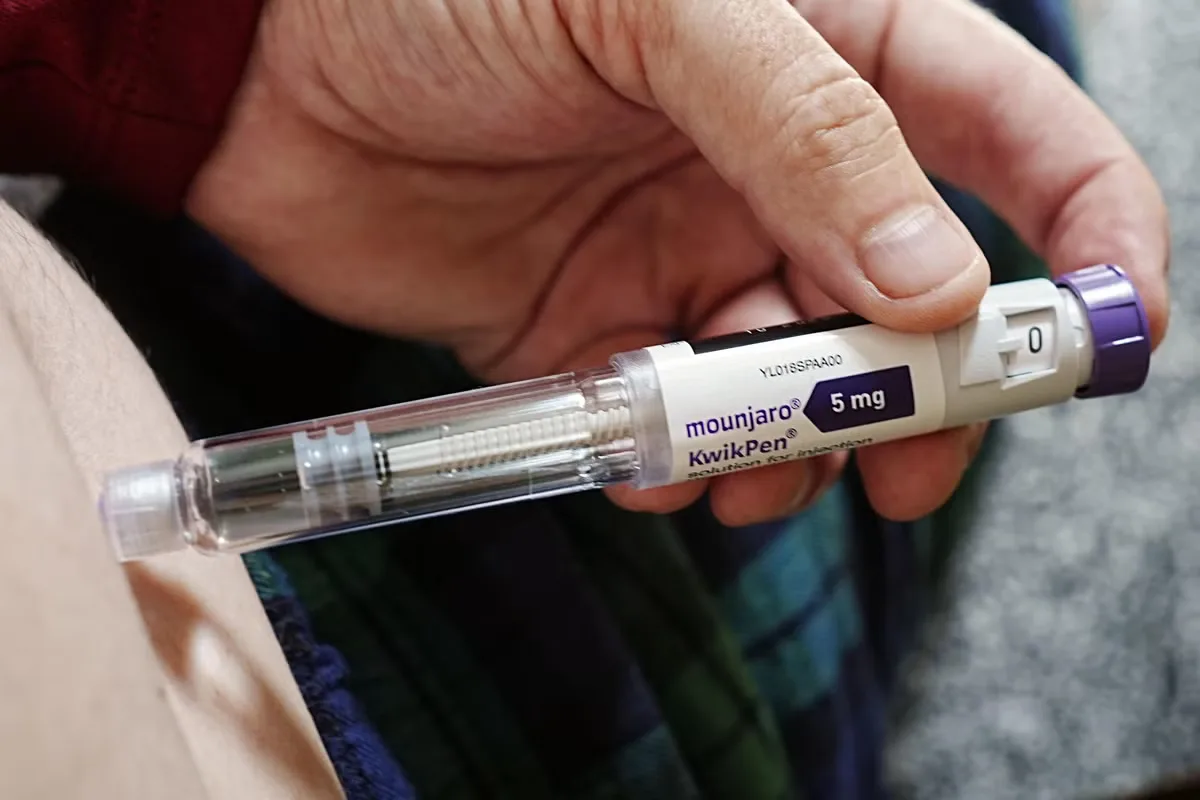

The Evolving Landscape of GLP-1 Medications
In recent years, the medical community and the public alike have been captivated by the transformative power of GLP-1 receptor agonists. Initially lauded for their significant role in weight loss and managing type 2 diabetes, medications like semaglutide (found in Ozempic and Wegovy) and tirzepatide (Mounjaro) have become household names. These injectables mimic a natural hormone, glucagon-like peptide-1, which plays a crucial role in regulating appetite and blood sugar. As their popularity has surged – with estimates suggesting over 12% of Americans are now using these medications – researchers are diligently exploring their full therapeutic potential, uncovering a wealth of surprising health benefits that extend far beyond the scale.
The rapid adoption of these drugs necessitates a comprehensive understanding of their effects across various organ systems. As Dr. Ziyad Al-Aly, a clinical epidemiologist and nephrologist, emphasizes, "Given the drugs' newness and skyrocketing popularity, it is important to systematically examine their effects on all body systems -- leaving no stone unturned -- to understand what they do and what they don't do." This ongoing research is painting a picture of GLP-1s as powerful agents with the capacity to positively impact chronic diseases and improve overall health outcomes.
Cardiovascular Health: A Powerful Ally
One of the most significant and well-documented benefits of GLP-1 medications lies in their profound impact on cardiovascular health. Inflammation is a well-established driver of many cardiovascular diseases, including atherosclerosis, the most common form of heart disease in the U.S. By targeting and reducing harmful inflammation, GLP-1s can help protect blood vessels and mitigate the progression of these conditions.
Dr. Christina Dunbar Matos, a cardiologist, notes the importance of addressing disease at its root: "If we can treat the disease at its root, that's a great thing." GLP-1s appear to do just that by reducing systemic inflammation.
Reducing Heart Failure Hospitalizations
Furthermore, these medications have demonstrated a remarkable ability to reduce hospitalizations and mortality in individuals suffering from heart failure with preserved ejection fraction (HFpEF). This specific type of heart failure, where the heart muscle doesn't relax properly between beats, has historically been challenging to treat effectively. GLP-1s offer a new avenue of hope for these patients.
Preventing Heart Attacks and Strokes
Numerous studies have solidified the role of GLP-1s in reducing the risk of heart attacks and strokes. A significant study conducted by researchers at the University of Bristol and University College London revealed that GLP-1-mimicking drugs could not only prevent further tissue damage following a heart attack but also limit the risk of subsequent complications. Professor David Atwell of University College London highlighted the potential for these drugs to be repurposed, stating, "With an increasing number of similar GLP-1 drugs now being used in clinical practice, for conditions ranging from type 2 diabetes and obesity to kidney disease, our findings highlight the potential for these existing drugs to be repurposed to treat the risk of 'no-reflow' in heart attack patients, offering a potentially life-saving solution."
Protecting Kidney Function
Chronic kidney disease (CKD) is a silent epidemic, affecting more than one in seven Americans, with many unaware they have the condition. GLP-1 medications are emerging as a crucial tool in the fight against kidney disease progression and the prevention of kidney failure. The American Kidney Fund reports that these drugs can significantly reduce the risk of CKD worsening.
The mechanism behind this protective effect is linked to blood sugar control. "These medicines help to control your blood sugar levels. This means that less sugar enters your kidneys, preventing damage to the filters of your kidneys," explains the American Kidney Fund. By managing hyperglycemia, GLP-1s safeguard the delicate filtration system of the kidneys.
Precision tracking for your journey
Join thousands using Shotlee to accurately track GLP-1 medications and side effects.
📱 Get the Shotlee App
Track your GLP-1 medications, peptides, and health metrics on the go with our mobile app!
Evidence from Clinical Trials
A recent Johns Hopkins study provided compelling evidence of these benefits, particularly in patients with type 1 diabetes. The research indicated that individuals taking GLP-1 drugs experienced a 15 percent reduction in the five-year risk of major cardiovascular events and a 19 percent reduction in the risk of end-stage kidney disease. These findings underscore the broad protective effects of GLP-1s across multiple vital organ systems.
Addressing Liver Disease and Scarring
The liver, a vital organ responsible for numerous metabolic functions, is also a beneficiary of GLP-1 therapy. Researchers have observed promising results in treating liver diseases, particularly those associated with metabolic dysfunction. Harvard researchers found that GLP-1 treatment could lead to the reversal of liver scarring in patients with metabolic dysfunction-associated steatotic liver disease (MASLD), formerly known as MASH. Liver scarring is a significant precursor to liver transplants, making any intervention that can reverse this damage highly valuable.
A study from King's College London further supported these findings, demonstrating that semaglutide, the active ingredient in Ozempic and Wegovy, effectively treated liver disease in two-thirds of patients. Building on this evidence, the U.S. Food and Drug Administration (FDA) approved Wegovy in August for the treatment of MASLD in adults with excessive liver scarring, marking a significant advancement in the management of this condition.
Potential Neuroprotective and Anti-Cancer Effects
Beyond their impact on metabolic and cardiovascular organs, GLP-1 medications are showing potential in areas of brain health and cancer prevention, though research here is more nascent and complex.
Impact on Neurodegenerative Diseases
For the millions living with Alzheimer's disease and other forms of dementia, the prospect of effective treatments is a beacon of hope. While research on GLP-1s and Alzheimer's has yielded mixed results, the potential is undeniable. Some studies using semaglutide pills did not show a significant slowing of disease progression. However, separate research involving liraglutide, another GLP-1 drug, indicated a nearly 50 percent reduction in brain volume loss and an 18 percent slower decline in cognitive function in individuals with Alzheimer's. Scientists are actively investigating the complex relationship between GLP-1s and brain health. As Professor Paul Edison of Imperial College London suggests, "A negative trial result may indicate lack of drug access to the brain, rather than failure of the concept itself," pointing to ongoing research into delivery mechanisms and specific drug actions.
Reducing Cancer Risk
Obesity is a known risk factor for several types of cancer. Given the efficacy of GLP-1s in weight management, it's not surprising that they may also contribute to a reduced risk of developing certain cancers. Research from Purdue University suggests that users of GLP-1 medications may have a lower risk of developing up to 14 types of cancer, including a notable 47 percent lower risk of ovarian cancer. While more research is needed to fully elucidate these mechanisms, these findings add another layer to the multifaceted benefits of this drug class.
Practical Takeaways for Patients
The expanding understanding of GLP-1 benefits offers a more holistic view of these medications. For individuals prescribed GLP-1s, whether for weight loss, diabetes, or other indications, these additional health advantages can be significant. It is crucial to:
- Maintain Open Communication with Your Doctor: Discuss all your health goals and concerns with your healthcare provider to understand how GLP-1 therapy can best support your overall well-being.
- Track Your Progress: Utilize tools like the Shotlee app to monitor your weight, blood sugar levels, medication adherence, and any symptom changes. This data can provide valuable insights for you and your doctor.
- Stay Informed: Keep abreast of ongoing research and new findings regarding GLP-1 medications.
- Adhere to Treatment Plans: Consistently follow your prescribed dosage and treatment schedule for optimal results.
The Future of GLP-1 Therapy
The journey of GLP-1 receptor agonists from diabetes management to a broader therapeutic role is a testament to scientific innovation and rigorous research. While the primary focus for many remains on weight loss and glycemic control, the emerging evidence for cardiovascular protection, kidney preservation, liver health improvement, and potential neuroprotective and anti-cancer effects is transforming our perspective on these powerful medications. As research continues to unfold, the full spectrum of benefits offered by GLP-1s is likely to become even more apparent, solidifying their place as a cornerstone of modern medicine for a wide range of chronic conditions.