
GLP-1s Insurance Pricing Challenges: Q&A with Whitney Stidom
GLP-1 medications, such as semaglutide and tirzepatide, have surged in popularity for managing type 2 diabetes and supporting weight loss. However, their high costs and inconsistent insurance coverage create significant barriers. In this in-depth Q&A originally featured in Pharmaceutical Executive, Whitney Stidom, vice president of consumer enablement at eHealth, breaks down the insurance pricing challenges with GLP-1s, regulatory updates, and pathways to greater accessibility.
Understanding GLP-1 Medications and Their Insurance Landscape
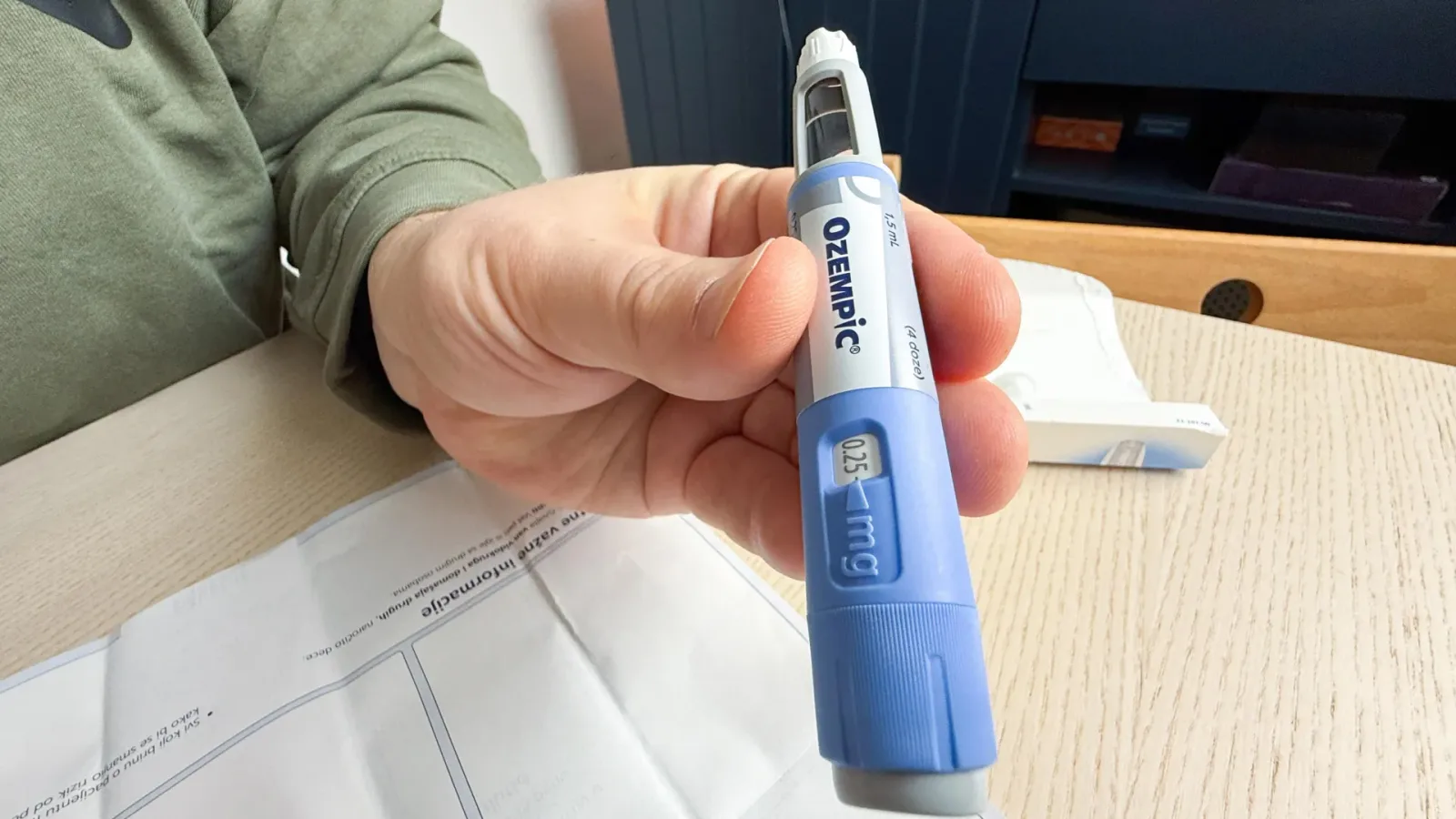
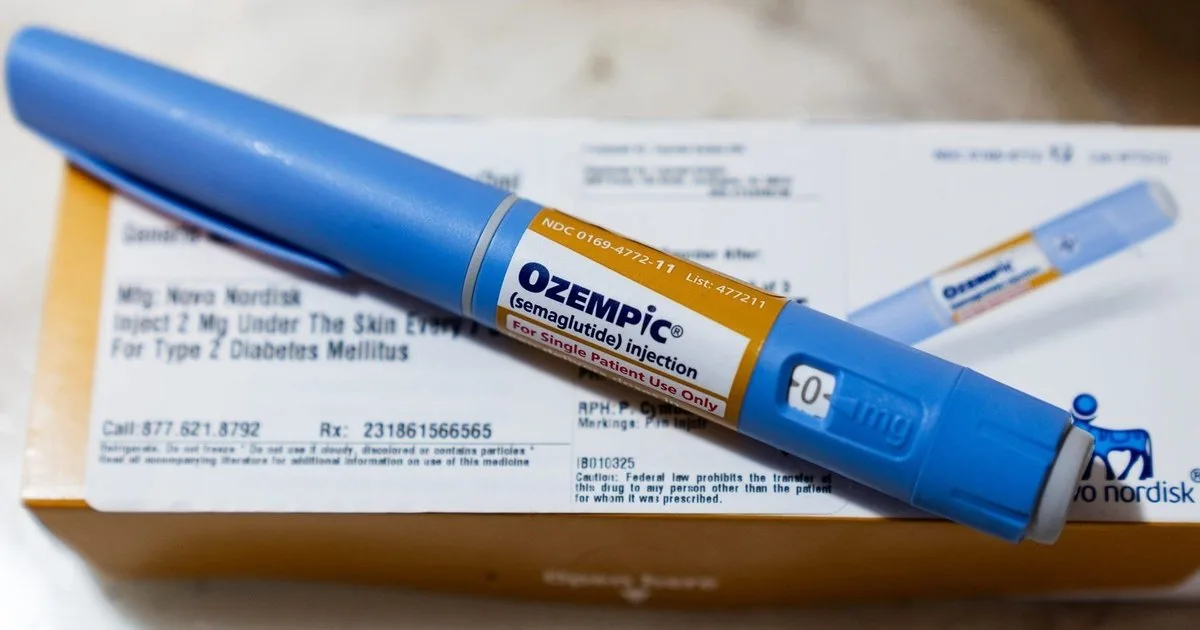
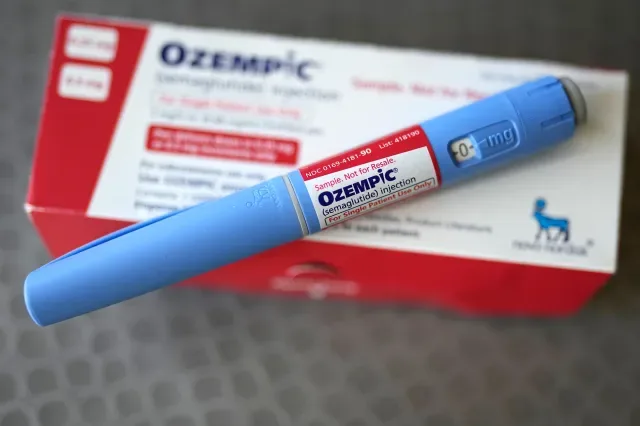
GLP-1 receptor agonists mimic the glucagon-like peptide-1 hormone, which regulates blood sugar, slows gastric emptying, and promotes satiety. Originally approved for type 2 diabetes, drugs like Ozempic, Wegovy, and Mounjaro have shown remarkable efficacy for obesity, with clinical trials demonstrating 15-20% body weight reduction in many patients. Yet, despite these benefits, insurance coverage remains fragmented, particularly for weight loss indications.
The core issue? Pricing. List prices for GLP-1s often exceed $1,000 monthly, straining budgets and prompting payers to limit access. This Q&A highlights how employer plans, Medicare, Medicaid, ACA exchanges, and direct-to-consumer options are navigating these challenges.
Policy Changes to Boost GLP-1 Accessibility
Pharmaceutical Executive asked: What policy changes in the next two years could make GLP-1 drugs more accessible? How will the current administration's efforts impact GLP-1 prices for weight loss?
The Trump Administration is taking steps to make GLP-1s more affordable for millions of Americans, including for people both with and without insurance. Through the launch of TrumpRx.gov and coverage changes being phased in for Medicare and Medicaid beneficiaries during the next few years, the Trump Administration is prioritizing more affordable access to GLP-1s medications, including for people seeking to use these medications to treat obesity and support weight loss.
Whitney Stidom's response underscores a proactive federal push. TrumpRx.gov, a new platform, aims to streamline pricing transparency and negotiations, potentially reducing out-of-pocket costs. For patients, this means monitoring updates on federal health policy changes could unlock savings.
Employer Coverage: Diabetes vs. Weight Loss Divide
Pharmaceutical Executive followed up: Why are GLP-1 medications for diabetes more likely to be covered by employer plans than GLP-1 for weight loss?
GLP-1 drugs were originally developed to treat type 2 diabetes, so coverage of these medications to treat this condition is relatively common compared to for weight loss. In fact, 55% of employers cover GLP-1s for diabetes, but just 36% of companies cover these drugs for weight loss.
While GLP-1s are proving effective at promoting weight loss, at least for as long as the medications remain in use, many employers have been hesitant to extend coverage to individuals who are overweight. Cost is likely a significant concern, as expanding coverage of GLP-1s for weight loss would result in higher premiums due to the increased size of the eligible population.
Plus, research shows that up to 70% of people who start taking a GLP-1 stop within the first year. Given that discontinuation rate, some employers may be concerned that covering GLP-1s will cause a spike in premiums costs without a corresponding improvement in well-being or a reduction in healthcare costs through better prevention or management of health issues. Given that, some employers that are covering GLP-1s for weight loss are requiring individuals to also enroll in lifestyle coaching programs, which are designed to encourage improved nutrition and exercise habits to support long-term well-being.
This disparity reflects risk aversion among self-insured employers, who cover 65% of U.S. workers. The 19-percentage-point gap (55% vs. 36%) means millions miss out on weight management benefits. Patients should review their Summary of Benefits and Coverage (SBC) document and appeal denials with evidence from trials like STEP or SURMOUNT, showing sustained cardiometabolic gains.
Precision tracking for your journey
Join thousands using Shotlee to accurately track GLP-1 medications and side effects.
📱 Get the Shotlee App
Track your GLP-1 medications, peptides, and health metrics on the go with our mobile app!
Coverage Expectations for Medicare, Medicaid, and ACA Enrollees
Next question: What can Medicare, Medicaid, and ACA enrollees expect for GLP-1 coverage?
For Medicare and Medicaid beneficiaries, GLP-1 drugs are generally covered for the treatment of certain chronic conditions. For instance, 98% of Medicare Advantage plans cover at least one GLP-1 drug for the treatment of diabetes. Coverage for weight loss is far less common, with fewer than 1% of Medicare Advantage plans offering that.
Moving forward, the Trump Administration is seeking to expand access to GLP-1 drugs for individuals with Medicare and Medicaid coverage. Starting later this year and continuing into 2027, the monthly cost of certain GLP-1s will be less than $245 for Medicare and Medicaid enrollees, with Medicare beneficiaries potentially paying a co-pay of just $50 per month.
Similar to Medicare and Medicare, people enrolled in ACA plans will often have coverage of GLP-1s for the treatment of diabetes, but less so for weight loss. More than 90% of ACA plans include GLP-1 coverage for diabetes; when it comes to weight loss, just 3% of such plans include coverage.
These stats paint a clear picture: diabetes coverage is near-universal (98% Medicare Advantage, 90%+ ACA), but weight loss lags dramatically (<1% Medicare, 3% ACA). The incoming price caps—$245 monthly cap, $50 copay—represent a game-changer for 65 million beneficiaries, aligning costs with statins or blood pressure meds.
Practical Steps for Public Program Enrollees
- Verify plan formulary via Medicare.gov or state Medicaid portals.
- Prioritize diabetes indications if eligible; discuss prediabetes risks with providers.
- Track adherence and outcomes—apps like Shotlee can log symptoms and doses to strengthen prior authorizations.
Options for Cash-Paying Consumers
Pharmaceutical Executive inquired: How can cash-paying consumers evaluate DTC prices?
While 92% of Americans have health insurance, approximately 27 million people lack coverage. For people in that situation, the Trump Administration is taking steps to make it more affordable to access GLP-1s through TrumpRx.gov.
The new site offers certain types of GLP-1 drugs with monthly prices that average $350 and as low as $199, depending on dosage. That compares to previous monthly prices of over $1,000. For people without insurance, this is among the most affordable ways to access a GLP-1 for weight loss or the treatment of chronic conditions such as diabetes.
A 65-80% discount from $1,000+ list prices makes TrumpRx.gov a lifeline for the uninsured. Compare via GoodRx or SingleCare for compounded versions, but prioritize FDA-approved options. Safety note: GLP-1s carry risks like nausea (20-40% incidence), pancreatitis (rare), and thyroid concerns—discuss with a clinician.
Key Takeaways: Navigating GLP-1 Insurance and Pricing
- Employer Plans: 55% cover for diabetes, 36% for weight loss; expect lifestyle requirements.
- Medicare/Medicaid: 98% diabetes coverage; <1% weight loss, but caps at $245/month incoming.
- ACA: 90%+ diabetes, 3% weight loss.
- Cash Payers: TrumpRx.gov at $199-$350/month.
- Discontinuation risk (70% in year 1) drives payer caution—pair with coaching for success.
What This Means for Patients
Consult your doctor about GLP-1 eligibility, especially if BMI >30 or with comorbidities. Appeal denials with trial data; explore patient assistance like Novo Nordisk Savings Cards. For metabolic health tracking, tools like Shotlee help document progress, aiding insurance appeals. Policy shifts signal improving access—stay informed via eHealth resources.
Conclusion
Whitney Stidom's insights reveal GLP-1 insurance pricing as a solvable puzzle, with Trump Administration initiatives bridging gaps. By understanding coverage nuances and leveraging new affordability tools, patients can access these transformative therapies. Discuss with your provider today for personalized guidance.