GLP-1 Insurance Coverage Guide
Getting Approved (2026)
How to get insurance coverage for Ozempic, Wegovy, or Mounjaro. Prior authorization tips, appeal strategies, and coverage by plan type.
How to Appeal a Denial
The Diabetes vs Weight Loss Distinction
Guide FAQs
How to get insurance coverage for Ozempic, Wegovy, or Mounjaro. Prior authorization tips, appeal strategies, and coverage by plan type.
Yes. Shotlee tracks GLP-1 and peptide doses, side effects, weight, and lab results — free to use.
PubMed, ClinicalTrials.gov, and the FDA website are the most reliable sources for current Glp1 Insurance Coverage research and regulatory updates. Peer-reviewed journals including the New England Journal of Medicine, The Lancet, and JAMA publish the most impactful clinical trial results. This guide is updated regularly to reflect the latest available evidence. Use Shotlee to track your personal protocol outcomes alongside the published research.
Before starting Glp1 Insurance Coverage, establish baseline measurements including body weight, waist circumference, blood pressure, and relevant lab work with your healthcare provider. Download Shotlee and begin logging your baseline metrics at least one week before starting treatment. This pre-treatment data provides the comparison point needed to objectively evaluate your treatment response over time. Additionally, discuss potential side effects and management strategies with your prescriber so you are prepared for the initial adaptation phase.
Evidence-based lifestyle modifications that complement Glp1 Insurance Coverage protocols include: maintaining adequate protein intake (1.2-1.6g per kg body weight per day) to preserve lean mass, performing resistance training two to three times per week, staying well hydrated with at least eight glasses of water daily, prioritizing seven to nine hours of quality sleep, managing stress through regular physical activity or mindfulness practices, and eating smaller more frequent meals during dose titration phases. Track these lifestyle factors alongside your Glp1 Insurance Coverage data in Shotlee to identify which combinations drive your best results.
Track Your GLP-1 Protocol in Shotlee
Free dose logging, side effect tracking, and health metric monitoring for your complete protocol.
📚References & sources
Latest on GLP-1 Insurance Coverage
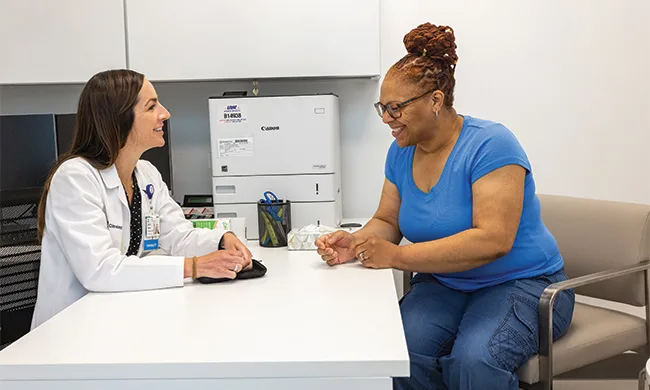
3 Ways Pharmacists Maximize Your GLP-1 Experience
With 1 in 8 American adults now taking GLP-1 medications for diabetes or weight loss, pharmacists are key allies in navigating costs, side effects, and long-term success. Experts like Martin Torres, PharmD, emphasize their role in maximizing benefits while minimizing risks. Here are three essential ways they support your GLP-1 experience.
6 min read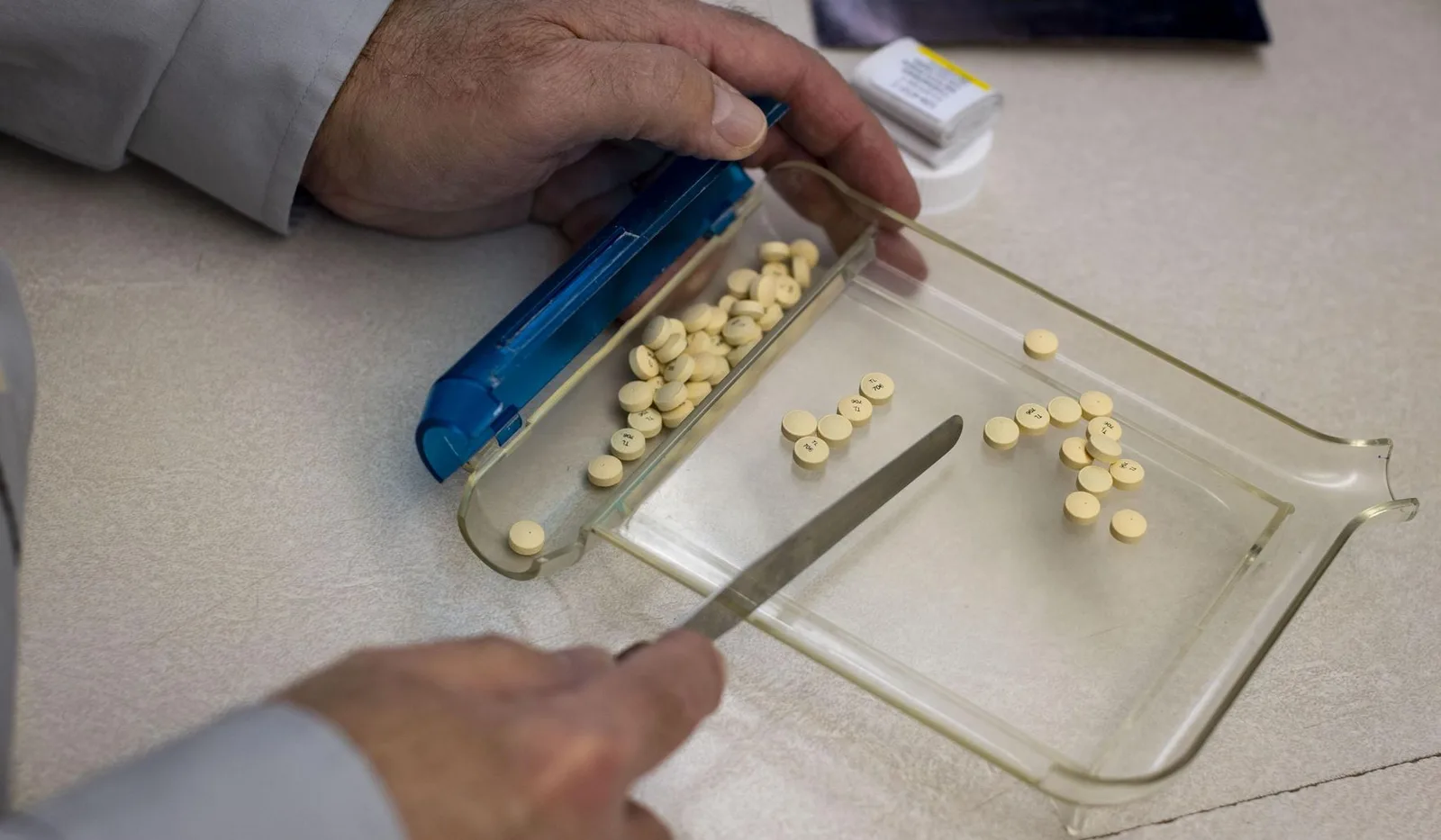
Pharmacists' Key Role in Helping Patients Maximize GLP-1 Drugs
With 1 in 8 American adults now taking GLP-1 medications for diabetes or weight loss, pharmacists are emerging as crucial allies in ensuring treatment success. According to the American Society of Health-System Pharmacists, these experts help navigate costs, side effects, and lifestyle integration. This guide explores their vital role in maximizing benefits and minimizing risks.
5 min read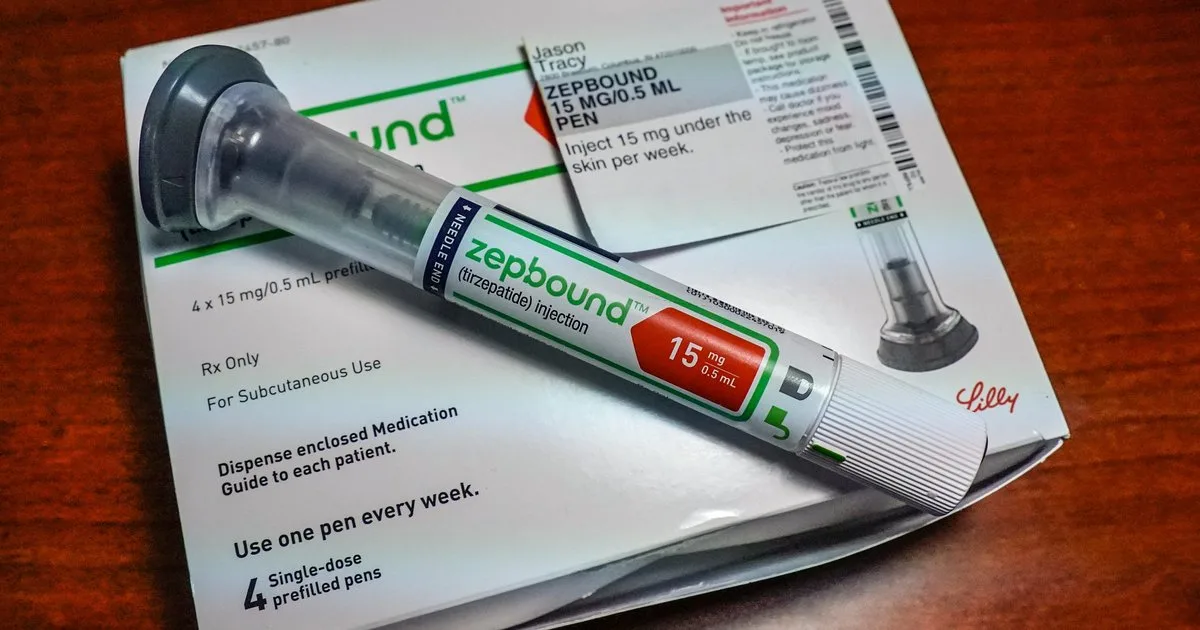
GLP-1 Drugs: Doctors Urge Exercise and Mental Health Too
GLP-1 medications like Ozempic have transformed weight loss for many, but doctors emphasize they're not a standalone solution. Patient Jelon Smart dropped from 285 to 175 pounds only after adding gym workouts to her regimen. Experts stress combining these drugs with movement, smart eating, sleep, and mental health care for long-term success.
5 min read