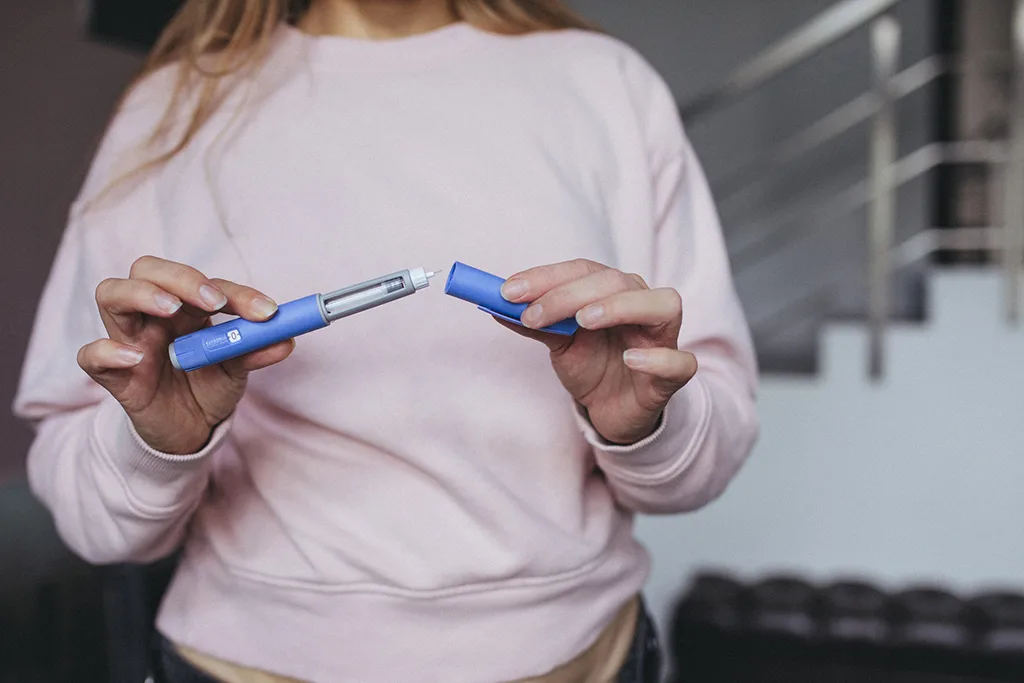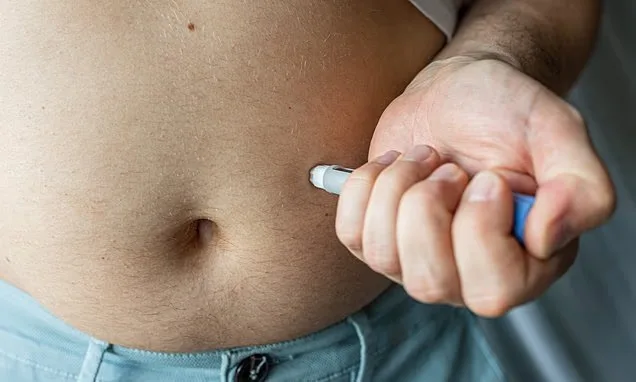

Insurance restrictions on obesity drug coverage are creating significant challenges for patients relying on GLP-1 medications like Zepbound and Wegovy. These blockbuster drugs from Eli Lilly and Novo Nordisk have transformed weight management, but shifting formularies and prior authorizations are forcing many to pivot to alternatives or pay hundreds out-of-pocket. This guide explores a real patient's story, key research findings, and practical strategies amid these changes.
Meghan Lena's Journey: From Devastation to Determination
For Meghan Lena, a special ed teacher in Massachusetts, the letter she got last spring from CVS Caremark, the company that manages her drug benefits, really hurt. CVS Caremark said it was dropping Eli Lilly's blockbuster obesity drug Zepbound from its coverage in July.
"I was devastated," she says.
She'd been able to get Zepbound for a $30 monthly copay and had lost 50 pounds in a year. The drug helped her focus on being a new mom and gaining strength at the gym, she says, not just counting calories burned. She feared that if she stopped taking it, all her progress would vanish.
Lena wound up switching to Novo Nordisk's Wegovy, CVS Caremark's preferred obesity drug, and was relieved that it worked for her. But just a few months later, in October, her employer's health plan dropped Wegovy, too.
"It felt like a double punch," she said. "And that's kind of the point where I was like, 'I guess I can't make it work.' "
She felt defeated.
Making matters worse, her monthly health insurance premium went up 20% the same month. The school district's insurance trust sent a letter saying it was because of expensive GLP-1s, the class of drugs that includes Wegovy and Zepbound -- the same ones that were no longer covered for her.
At first, she felt shame and guilt, but then that feeling changed.
"That was the first moment that I was like, holy cow, these insurance companies, they're now making medical decisions for me," she says. "And that really, really made me mad."
Understanding GLP-1 Medications: Why Coverage Restrictions Matter
GLP-1 receptor agonists like Zepbound (tirzepatide) and Wegovy (semaglutide) mimic the glucagon-like peptide-1 hormone to regulate blood sugar, slow gastric emptying, and reduce appetite. Approved for chronic weight management in adults with obesity (BMI ≥30) or overweight with comorbidities, these drugs have shown average weight loss of 15-20% in clinical trials, far surpassing lifestyle interventions alone.
However, their high list prices—around $1,000-$1,300 monthly without insurance—make coverage critical. Restrictions disrupt access, potentially leading to weight regain, worsened metabolic health, and increased risks for conditions like type 2 diabetes, heart disease, and sleep apnea.
Insurance Coverage Gets Spottier: Key Research Findings
Lena is one of many people who have lost coverage for these medicines. That's according to research by GoodRx, a website that helps patients find discounts on prescription drugs.
It found that from 2025 to 2026, 12 million people lost coverage for Zepbound and 12 million lost it for Wegovy.
Amanda Nguyen, senior health economist at GoodRx, says without adequate insurance coverage, the drugs cost people hundreds of dollars a month out of pocket. "For many Americans, they can't afford that," she says. "That's the difference between for many people taking the medication that their doctor wants them to take and having to forgo it."
The GoodRx study relied on formulary data from health care analytics firm MMIT. Formularies are the menu of drugs that a health plan covers, and the MMIT data used by GoodRx reflects drug coverage for more than 190 million people.
The same GoodRx research also showed that for people who do have coverage for their GLP-1 drugs, 88% of them face some kind of restriction.
Precision tracking for your journey
Join thousands using Shotlee to accurately track GLP-1 medications and side effects.
📱 Get the Shotlee App
Track your GLP-1 medications, peptides, and health metrics on the go with our mobile app!
Common Restrictions on GLP-1 Coverage
- Prior authorization before covering a prescription
- Requirement of BMI 40 or higher (well above the clinical obesity threshold of BMI 30)
- Step therapy, requiring cheaper alternatives first
- High copays or coinsurance, leaving patients to pay hundreds monthly
Some people who do have coverage still have to pay hundreds of dollars a month because their plans only pay for a small percentage of the drug's price.
Expert Insights on the Coverage Crisis
"There are the lucky ones that have some form of coverage that is also affordable, but they are few and far between," says Tracy Zvenyach, vice president of advocacy and research at the nonprofit Obesity Action Coalition, which receives financial support from drugmakers, including Eli Lilly and Novo Nordisk.
"Essentially every insurance carrier is just making it up, making up the policy, the limitation, the restriction on eligibility in the way that they want to, in a way that will kind of reduce the eligible population," Zvenyach says.
Dr. Catherine Varney, obesity medicine director for UVA Health in Charlottesville, Va., says she has about 1,000 patients on obesity drugs. Around 60% of them pay out of pocket, and insurance coverage barriers are growing.
"I feel like more of a financial planner these days than a physician, because we're crunching the numbers," Varney says, adding that often it's cheaper for some of her patients to pay out of pocket than to meet their deductible and then still have to pay $200 a month.
"The egregiously high list prices set by drug manufacturers of GLP-1s for weight loss are the single biggest barrier to patient access," says Phillip Blando, a spokesman for CVS Caremark.
The Pharmaceutical Care Management Association says employers and their pharmaceutical benefit managers have made "huge progress" despite significant cost challenges. "The GLP-1 market is very dynamic, but it's clear employers are working to expand coverage for their employees," says PCMA spokesperson Greg Lopes.
Asked about dropping Zepbound in favor of Wegovy, CVS Caremark says its formulary strategy uses competition to drive down costs while maintaining "clinically appropriate coverage" and enabling greater access to these drugs.
Employer Surveys: Mixed Signals on Coverage Trends
To be sure, at least some employer surveys found obesity drug coverage improvement in 2025.
For example, the International Foundation of Employee Benefit Plans conducted a survey that showed employers who said they covered GLP-1 drugs for weight loss and Type 2 diabetes grew from 34% in 2024 to 36% in 2025.
But the KFF Employer Health Benefits Survey shows that even though employers who said they offered obesity drug coverage grew from 18% in 2024 to 19% in 2025, those that said they didn't offer it also increased from 52% to 57% over the same period. What shrunk was the portion of survey respondents who said they didn't know.
Finding Solutions: Compounded Medications and Patient Strategies
As for Meghan Lena in Massachusetts, her doctor works with a compounding pharmacy he trusts, and helped her switch to a medication she can afford.
Compounded drugs aren't generics, nor do they go through the Food and Drug Administration's approval process. They're made with the same active ingredient as the brand-name versions, but by a specialized pharmacy, not a drug company. Brand-name drugmakers are trying to end widespread obesity drug compounding.
"There's so much uncertainty around these medications," Lena says. "Am I going to be able to get it? Can I afford it? Is it going to change? Is it ever going to be affordable?"
Lena pays about $300 a month for compounded medicine, compared to Eli Lilly's $450 cash price for her dose of name-brand Zepbound. It's expensive, she says, but adds it's her best option for now.
Practical Guidance for Patients Facing Coverage Changes
- Check your formulary: Use tools like GoodRx or MMIT to review your plan's coverage for Zepbound, Wegovy, or alternatives like Mounjaro.
- Appeal restrictions: Work with your doctor on prior authorizations, documenting BMI, comorbidities, and failed prior treatments.
- Explore savings: Manufacturer coupons, patient assistance programs, or compounding pharmacies (with caution on quality and legality).
- Track progress: Apps like Shotlee can help monitor symptoms, side effects like nausea or GI issues, and weight changes to support appeals.
- Compare costs: Sometimes paying cash or out-of-pocket beats high deductibles.
Safety note: GLP-1s carry risks like pancreatitis, gallbladder issues, and thyroid tumors (black box warning). Always consult providers; compounded versions lack FDA oversight, raising potency and contamination concerns.
Key Takeaways: What This Means for Patients
- 12 million will lose Zepbound coverage and 12 million Wegovy coverage from 2025-2026 per GoodRx.
- 88% of covered plans impose restrictions like BMI >40 or prior auth.
- Patients like Lena are pivoting to switches, compounding, or forgoing treatment amid premium hikes.
- Discuss options with obesity specialists; financial planning is now essential.
Conclusion: Navigating the Future of Obesity Drug Access
Restrictions on obesity drug coverage highlight a tension between innovation and affordability. While GLP-1s offer life-changing benefits, patients must stay proactive—reviewing plans annually, appealing denials, and exploring all avenues. As the market evolves, advocacy for broader access could improve outcomes for millions with obesity.