
Grim Effects of Stopping GLP-1s Like Ozempic, Study Finds
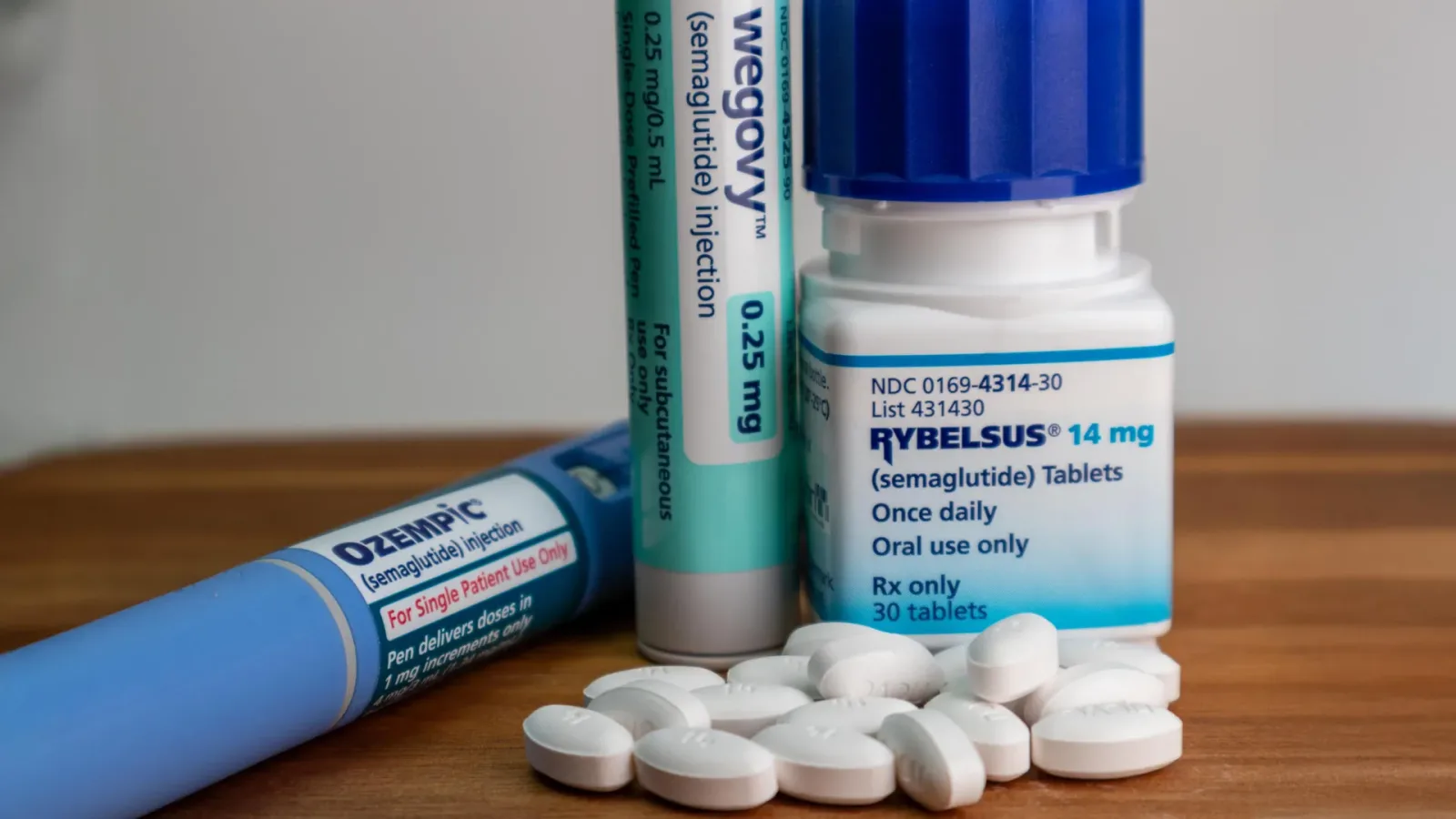
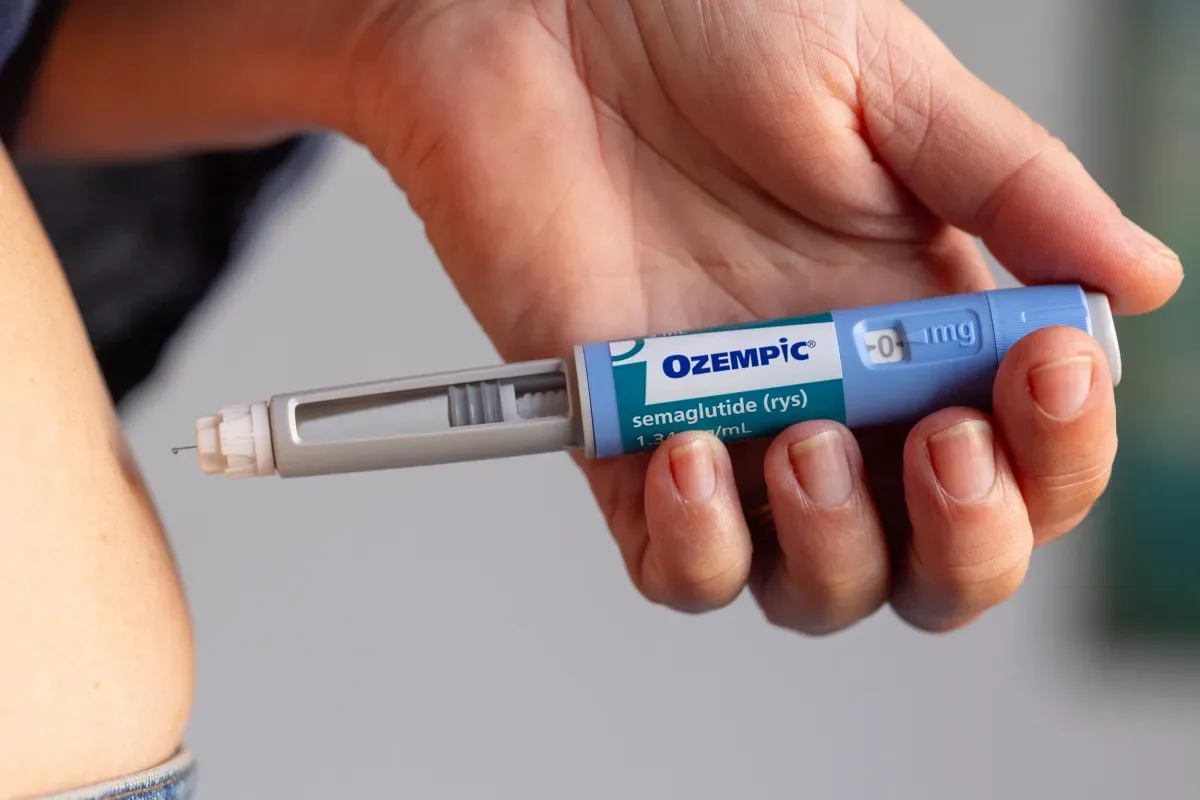
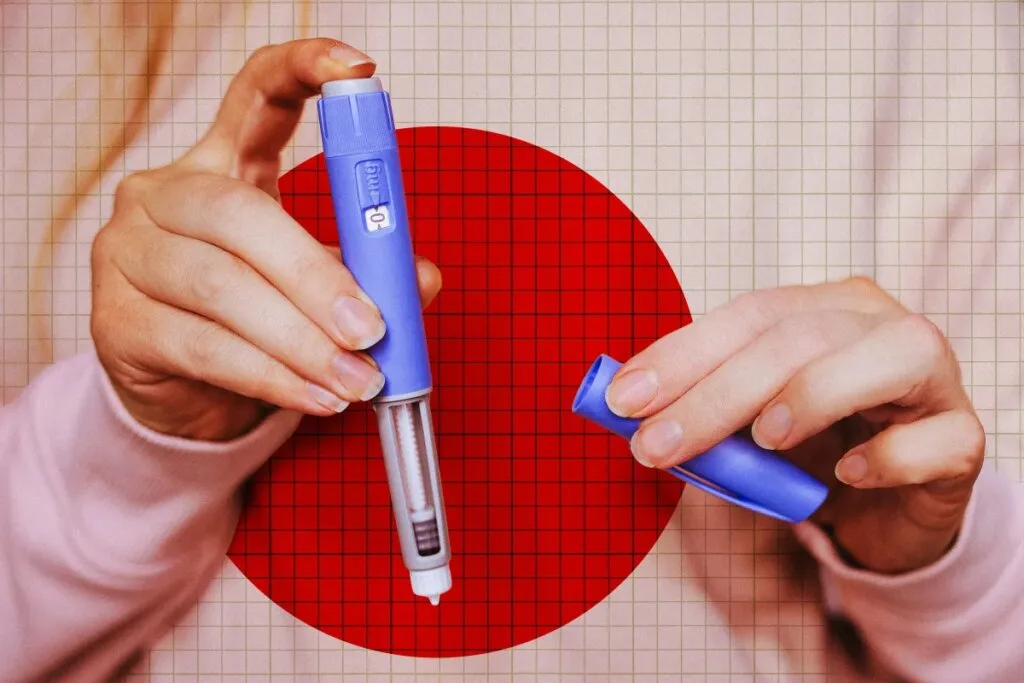
Stopping GLP-1s like Ozempic can lead to rapid rebound of cardiovascular risks, according to a large-scale study in BMJ Medicine. Researchers from Washington University School of Medicine analyzed health records of over 333,000 adults with diabetes over three years, with about a third using Ozempic (semaglutide). While consistent use cut cardiovascular disease risk by 18%, quitting—even for six months—spiked major event risk by 8%, and up to 22% after one or two years.
The Study: Key Findings on GLP-1 Discontinuation
GLP-1 receptor agonists, such as Ozempic, have gained fame for benefits beyond diabetes management and weight loss, including reduced risks of heart disease and cognitive issues, plus potential in addiction treatment. This new research shifts focus to what happens when you stop taking GLP-1s.
The cohort study tracked consistent users, those who quit, and those with interruptions. Key results:
- Consistent three-year use: 18% lower cardiovascular disease (CVD) risk, aligning with prior evidence.
- Quitting for six months: 8% higher risk of major CVD events.
- Quitting for one or two years: 22% higher risk, erasing drug protection.
During the study, 26% of GLP-1 users stopped entirely, and 23% had interruptions of six months or longer before resuming.
Expert Insights: 'Metabolic Whiplash'
"It takes years to build cardiovascular protection, and takes half as much time to undo that," study author Ziyad Al-Aly, a Washington University School of Medicine epidemiologist, told CNBC.
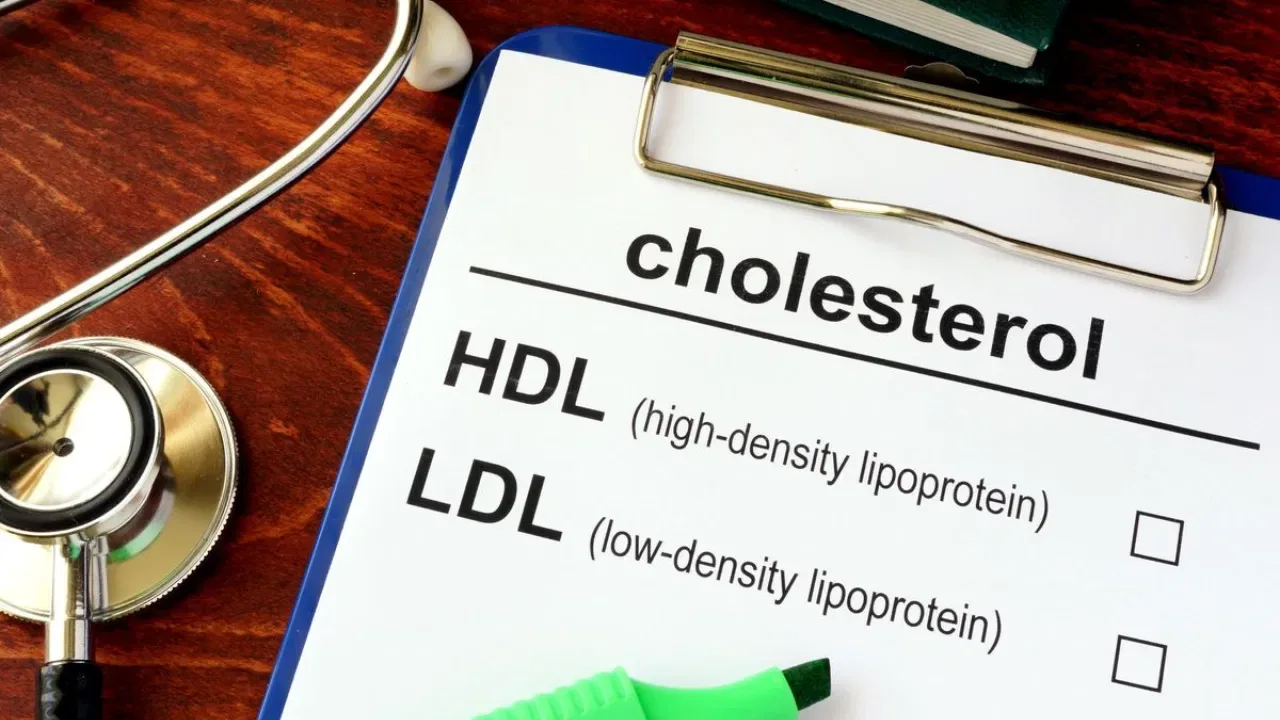
Al-Aly described the rebound as "metabolic whiplash," noting resurgence in inflammation, blood pressure, and cholesterol. Interruptions leave a "lasting scar," preventing full regain of protection.
How GLP-1s Work and Why Benefits Fade Fast
GLP-1s mimic glucagon-like peptide-1, a gut hormone that regulates blood sugar, slows gastric emptying, and suppresses appetite. Semaglutide in Ozempic binds to GLP-1 receptors, promoting insulin release, reducing glucagon, and aiding weight loss—often 15-20% of body weight in trials.
Cardiovascular benefits stem from improved endothelial function, reduced inflammation, and better lipid profiles. But these require ongoing receptor activation. Stopping disrupts this, allowing metabolic parameters to revert quickly due to the body's homeostatic rebound.
Weight Regain: The Most Visible Rebound
Appetite suppression lifts rapidly post-discontinuation, leading to weight regain. Studies show most lost weight returns within a year, exacerbating CVD risks tied to obesity, like hypertension and dyslipidemia.
Precision tracking for your journey
Join thousands using Shotlee to accurately track GLP-1 medications and side effects.
📱 Get the Shotlee App
Track your GLP-1 medications, peptides, and health metrics on the go with our mobile app!
Reasons Patients Stop GLP-1s and Real-World Challenges
High discontinuation rates highlight barriers:
- Side Effects: Nausea affects ~50% of starters (per surveys); vomiting and diarrhea are less common but notable.
- Cost: Expensive with or without insurance; list prices exceed $1,000/month.
- Supply Issues: Demand outpaces manufacturing, causing shortages.
Al-Aly emphasized: "Keeping patients on these drugs shouldn't be an afterthought. People need to realize that there's a price of stopping."
Patient Guidance: Who Should Consider GLP-1s?
Ideal for type 2 diabetes patients with obesity, CVD history, or high risk. Discuss with providers if you have gastrointestinal issues or need long-term commitment. Tools like Shotlee can help track symptoms, side effects, and adherence for better management.
Comparing GLP-1s to Alternatives
Unlike statins or antihypertensives, which offer lasting benefits post-discontinuation, GLP-1s' effects are more transient. SGLT2 inhibitors (e.g., empagliflozin) show CVD protection persisting longer after stopping, but GLP-1s excel in weight loss. Dual therapy or lifestyle integration may sustain gains.
Safety Profile and Mitigation Strategies
Common GI side effects often improve over time; dose titration helps. Rare risks include pancreatitis or thyroid tumors (animal data). Monitor with regular check-ups. For those prone to quitting, shared decision-making on affordable generics or compounded options is key.
Key Takeaways: What This Means for Patients
- Consistent GLP-1 use builds substantial CVD protection (18% risk reduction).
- Short-term quits (6 months) raise risk 8%; longer quits (1-2 years) by 22%.
- Rebounds include weight regain, inflammation, BP, and cholesterol spikes—with lasting scars.
- Address barriers early: titrate doses for side effects, explore insurance/copay assistance, plan for supply.
- Consult endocrinologists for personalized plans, especially if high CVD risk.
Conclusion: Prioritizing Adherence for Lasting Benefits
This BMJ Medicine study underscores GLP-1s' power—and fragility. For diabetes patients eyeing Ozempic or similar, weigh commitment against costs and sides. Long-term adherence maximizes heart health gains; interruptions risk metabolic whiplash. Talk to your doctor about strategies to stay on track, integrating diet, exercise, and monitoring for optimal metabolic health.
Related topics: GLP-1s for Weight Loss, Managing Ozempic Side Effects.