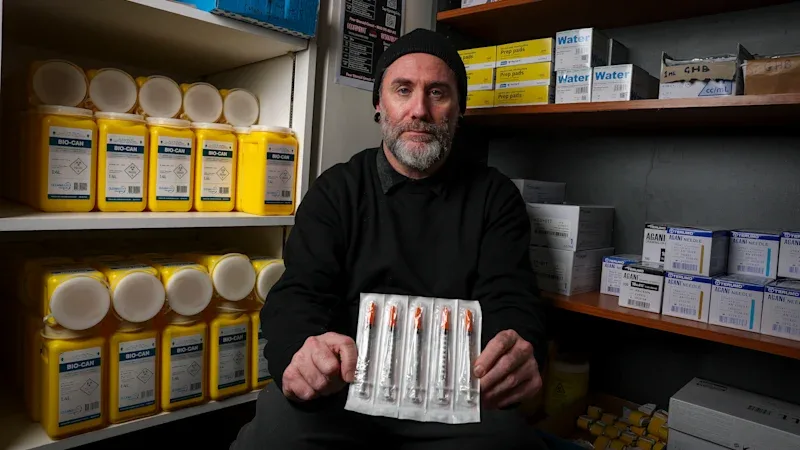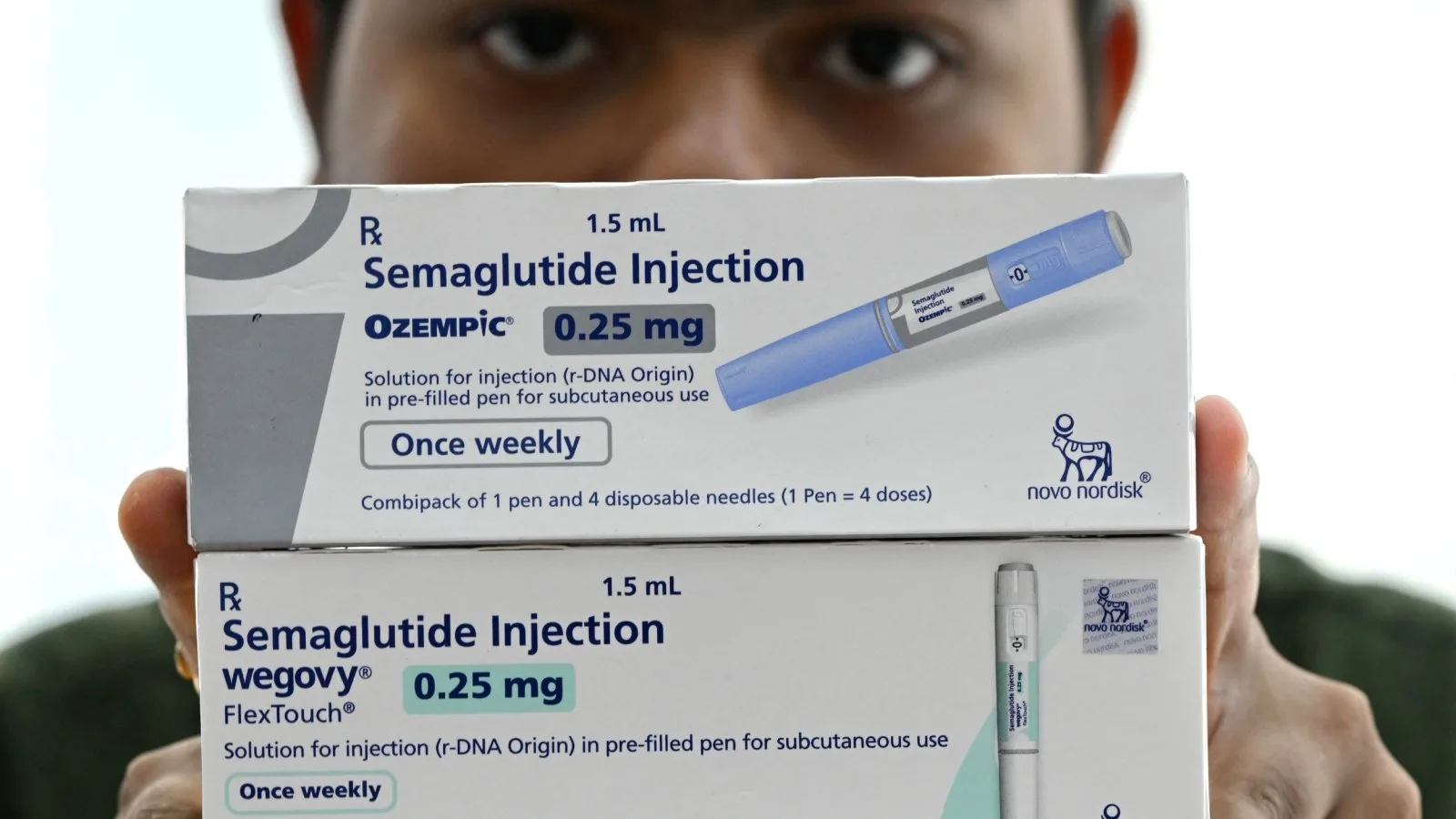

Glucagon-like peptide-1 (GLP-1) receptor agonists have revolutionized the landscape of type 2 diabetes management and weight loss. Medications like Ozempic, Wegovy, and Mounjaro have garnered significant attention for their efficacy, helping millions achieve better blood sugar control and significant weight reduction. As these powerful medications become more widely adopted, the medical community is increasingly looking for innovative ways to monitor their safety and understand the full spectrum of patient experiences beyond traditional clinical trials.
A recent study has captured considerable interest by employing artificial intelligence (AI) to analyze an unprecedented volume of real-world data: over 400,000 Reddit posts discussing GLP-1 drugs. The findings suggest that some side effects reported by users may not be extensively documented in current medical literature, underscoring the burgeoning potential of AI in drug safety research and pharmacovigilance.
Unlocking Patient Insights: Analyzing Online Health Discussions
The core of this innovative study involved a deep dive into the digital conversations of nearly 70,000 Reddit users who shared their experiences with GLP-1 medications. Researchers leveraged advanced natural language processing (NLP) and machine learning algorithms to meticulously scan these posts, searching for recurring mentions of symptoms and health concerns.
It's crucial to understand that the AI system was not designed to definitively prove causation between a medication and a specific symptom. Instead, its purpose was to identify patterns and clusters of symptoms that appeared with notable frequency across thousands of individual user narratives. This approach acts as a powerful early warning system, flagging potential safety signals that warrant further rigorous clinical investigation.
According to information disseminated by ScienceDaily, this comprehensive analysis successfully identified both widely recognized and less commonly discussed side effects associated with GLP-1 medications. The insights gleaned from these vast online communities offer a unique perspective on the patient journey.
Potential New GLP-1 Side Effects Identified Through AI Analysis
While many of the symptoms identified in the study aligned with those already listed by healthcare providers and documented in prescribing information, the analysis also brought to light several recurring complaints that have received less attention in mainstream medical discourse. These user-reported experiences provide valuable avenues for future research.
Among the most frequently mentioned symptoms in the Reddit discussions were:
- Fatigue and low energy levels
- Chills and feeling cold
- Hot flashes and feeling warm
- Increased sensitivity to temperature changes
- Alterations in menstrual cycle patterns
- Disturbances in sleep quality and patterns
The researchers are careful to emphasize that these findings do not constitute confirmed medical evidence of a direct link between the medications and these specific symptoms. Rather, they serve as compelling potential indicators that merit further scientific scrutiny and clinical validation. The significance of these findings lies in the fact that some of these reported symptoms have historically received far less attention compared to the well-documented gastrointestinal issues commonly associated with GLP-1 drugs.
Understanding GLP-1 Medications and Their Role
GLP-1 drugs are a class of medications that work by mimicking the action of a naturally occurring hormone, glucagon-like peptide-1. This hormone plays a vital role in regulating blood sugar levels and influencing appetite. By activating GLP-1 receptors in the body, these medications help to:
- Stimulate insulin secretion from the pancreas in response to high blood glucose levels.
- Reduce glucagon secretion, which helps to lower glucose production by the liver.
- Slow down gastric emptying, leading to a feeling of fullness and reduced food intake.
- Act on the brain to reduce appetite and increase satiety.
Due to these multifaceted effects, GLP-1 drugs have become cornerstone therapies for managing type 2 diabetes and are increasingly prescribed for chronic weight management. Prominent examples include:
- Ozempic (semaglutide)
- Wegovy (semaglutide)
- Mounjaro (tirzepatide)
- Zepbound (tirzepatide)
Their widespread adoption naturally fuels a greater interest in understanding the complete profile of potential side effects, both common and rare.
The Value of Real-World Data Beyond Clinical Trials
Clinical trials are the gold standard for establishing the safety and efficacy of new medications. However, they inherently possess limitations. These include relatively small participant cohorts, specific inclusion/exclusion criteria, and defined study durations. While essential for initial approval, these trials may not always capture the full spectrum of effects experienced by a diverse patient population using the medication in everyday life over extended periods.
This is where real-world data (RWD), particularly from large online patient communities, becomes invaluable. These platforms offer access to:
Precision tracking for your journey
Join thousands using Shotlee to accurately track GLP-1 medications and side effects.
📱 Get the Shotlee App
Track your GLP-1 medications, peptides, and health metrics on the go with our mobile app!
- A vast and diverse pool of patient experiences.
- Longitudinal observations that extend beyond typical trial timelines.
- Authentic insights into the practicalities of daily medication use.
- Emerging symptoms or concerns that might not be formally reported through traditional channels.
Researchers believe that AI-driven analysis of RWD can significantly accelerate the identification of emerging trends and potential safety signals, complementing the slower, more structured process of traditional pharmacovigilance systems.
Why Reddit Serves as a Rich Source for Medical Research
Reddit has evolved into one of the internet's most significant hubs for health-related discussions. Users frequently share candid, detailed accounts of their personal journeys with medications, treatments, and various medical conditions. This rich tapestry of user-generated content makes Reddit health forums an exceptionally useful resource for researchers seeking authentic, real-world perspectives.
In recent years, social media platforms like Reddit have been instrumental in studies examining:
- Trends in chronic disease management.
- Patient experiences with mental health conditions.
- Adverse events following vaccinations.
- Observed side effects of various medications.
The recent GLP-1 study exemplifies how AI can efficiently process massive datasets of patient-generated content, uncovering patterns that might otherwise remain hidden. Researchers from the University of Pennsylvania, involved in this type of AI-driven analysis, have highlighted that these tools can process large datasets far more rapidly and efficiently than manual review processes, making them indispensable for proactive monitoring of potential safety concerns.
Known Side Effects of GLP-1 Medications
While the recent study sheds light on potential new areas of inquiry, it's important to acknowledge the well-established side effects of GLP-1 medications like Ozempic, Wegovy, and Mounjaro. These are typically well-documented and often related to the drugs' mechanism of action on the digestive system and appetite regulation.
The most frequently reported side effects include:
| Symptom | Frequency |
|---|---|
| Nausea | Very Common |
| Vomiting | Common |
| Diarrhea | Common |
| Constipation | Common |
| Abdominal pain/Stomach pain | Common |
| Reduced appetite | Common |
| Indigestion/Heartburn | Common |
Information from regulatory bodies like the U.S. Food and Drug Administration (FDA) and pharmaceutical manufacturers consistently identifies gastrointestinal issues as the most prevalent side effects associated with these therapeutic classes.
Can AI Revolutionize Medication Safety Monitoring?
The integration of artificial intelligence into healthcare is accelerating, with drug safety monitoring emerging as a field with immense potential. Proponents of AI-driven drug safety research believe it can:
- Identify potential safety signals much earlier than traditional methods.
- Analyze vast datasets of patient experiences efficiently.
- Provide a more comprehensive understanding of drug effects in diverse populations.
- Help prioritize further clinical investigation.
However, it is crucial for experts to temper enthusiasm with caution. Social media discussions, while valuable, should not be viewed as a substitute for robust clinical research. Online posts are self-reported, can be subject to individual interpretation, and often lack the rigorous verification inherent in controlled studies. A separate report published in Nature Health, which featured the study discussed here, rightly emphasized that findings derived from social media should be treated as potential safety signals requiring further investigation, rather than as confirmed medical evidence.
Practical Takeaways for GLP-1 Drug Users
This study underscores the growing power of AI to enhance our understanding of patient experiences with GLP-1 drugs. While the symptoms identified on Reddit are not yet officially confirmed side effects, they offer invaluable clues for future research directions. For individuals taking Ozempic, Wegovy, Mounjaro, or Zepbound, this means that the medical community is actively seeking a more complete picture of medication safety.
If you are using a GLP-1 medication and experience any new or concerning symptoms, it is essential to discuss them with your healthcare provider. While online discussions can be informative, personalized medical advice from a qualified professional is paramount. Tools like Shotlee can be incredibly useful for tracking your medication doses, any side effects you experience, and your overall health progress, providing your doctor with detailed, real-time data to inform your treatment plan.
Conclusion
As the utilization of Ozempic and other GLP-1 drugs continues its upward trajectory, the synergy between traditional medical research and real-world patient feedback is becoming increasingly vital. The analysis of Reddit health discussions, powered by AI, offers a compelling glimpse into how these advanced tools can contribute to identifying and investigating potential medication side effects more effectively. This evolving approach promises to build a more comprehensive and nuanced understanding of medication safety, ultimately benefiting both patients and healthcare providers.