Understanding the Struggle: Why Weight Loss Is Harder Than You Think
It is an undeniable fact that overweight and obesity can be profoundly harmful to your long-term health. Excess body weight places a significant strain on your cardiovascular system, raising blood pressure, cholesterol, and blood sugar levels. This biological burden increases the risk of heart disease, stroke, and certain cancers. While losing weight is a universally recognized goal for better health, for many people, it remains an elusive battle. For some individuals, eating healthy and exercising regularly is sufficient to achieve their goals. For others, biological factors make it nearly impossible.
This is where weight loss medication may step in to bridge the gap. Certain health conditions create metabolic roadblocks that make weight loss exceptionally difficult. These include Polycystic Ovary Syndrome (PCOS), which affects nearly 1 in 5 Caribbean women, Hypothyroidism (an underactive thyroid gland), and Type 2 Diabetes or Pre-Diabetes. When standard lifestyle changes fail to move the needle, medical intervention becomes a necessary tool in the arsenal.
Am I Overweight? Understanding BMI and Health Risks
Before considering medication, doctors use a foundational tool called Body Mass Index (BMI) to check if someone is carrying too much body fat. BMI is calculated based on your weight and height, providing a quick screening metric. You can work it out yourself using a free online calculator, though it is important to understand its limitations.
- BMI 25-29.9: Classified as Overweight
- BMI 30 or more: Classified as Obese
BMI is helpful for population-level screening, but it does not tell the whole story. It does not distinguish between muscle mass and fat mass. Your doctor will use it along with your full health history, blood work, and family history to make the best plan for you. Everyone is different, and a personalized approach is critical for success.
The New Generation of Weight-Loss Medications
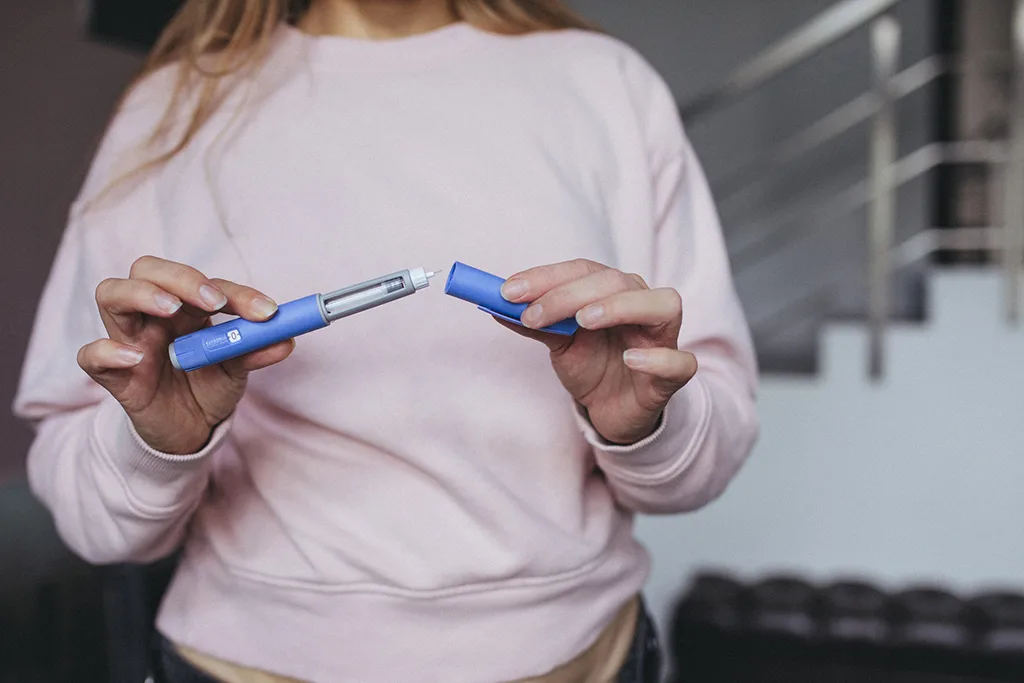
Right now, the most effective weight-loss drugs available are called GLP-1 Receptor Agonists. You may have heard names like Ozempic, Wegovy, or Mounjaro in the news; they all belong to this advanced class of medication.
GLP-1 is a naturally occurring hormone made in the gut that helps control our appetite and blood sugar. These medications work by mimicking this hormone, giving the body an even higher dose of the signal. The result is a powerful physiological shift: you feel full sooner after eating, your cravings for high-calorie foods decrease, and your blood sugar stays steadier throughout the day.
How Much Weight Can You Lose?
Doctors generally evaluate three main tools for weight loss, each with different efficacy rates. Understanding where medication fits into this hierarchy is key to setting realistic expectations.
- Diet and Exercise: For most people, this leads to about 5-8% total body weight loss. This is still meaningful and improves health markers, but it has biological limits.
- GLP-1 Medications: These can lead to 15-20% total body weight loss within one year. This is a significant step beyond what diet and exercise can achieve on their own.
- Bariatric Surgery: To reduce the size of the stomach and change how food is absorbed, this option can lead to 25-35% or more total body weight loss. This is typically reserved for severe obesity when other options have not worked.
Comparing the Medications: Which Is Right for You?
There are so many new names on the market, and confusion is common. It is vital to distinguish between medications approved specifically for weight loss versus those approved for Type 2 Diabetes, even if they share similar molecular structures.
| Medication Name | Active Ingredient | Primary Indication | Frequency |
|---|---|---|---|
| Zepbound | Tirzepatide | Weight Loss (Obesity) | Weekly Injection |
| Wegovy | Semaglutide | Weight Loss (Obesity) | Weekly Injection |
| Mounjaro | Tirzepatide | Type 2 Diabetes | Weekly Injection |
| Ozempic | Semaglutide | Type 2 Diabetes | Weekly Injection |
| Rybelsus | Semaglutide | Type 2 Diabetes | Daily Tablet |
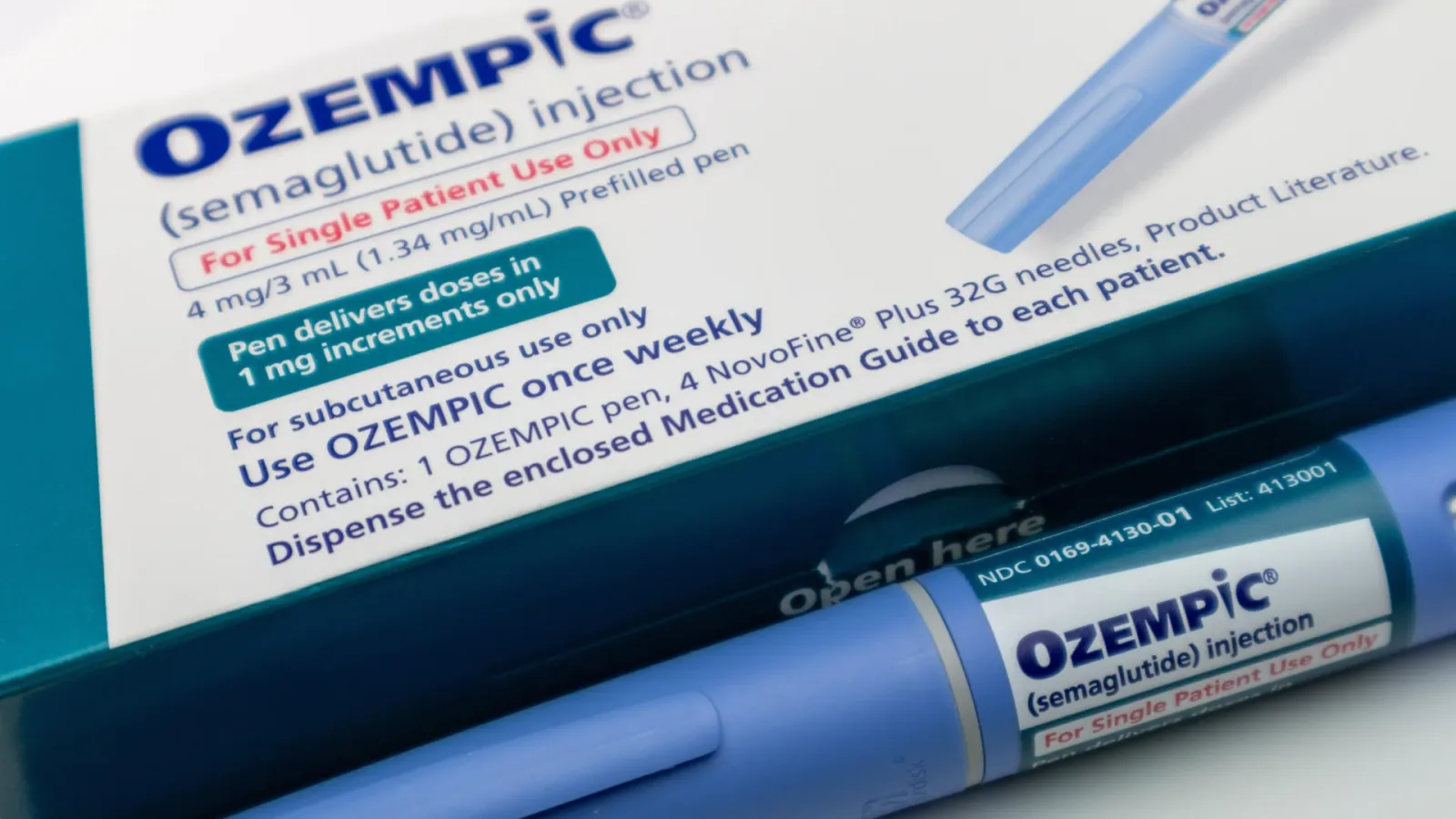
A common question is, "Where is Ozempic on the weight-loss list?" Ozempic is FDA-approved for Type 2 Diabetes, not weight loss. However, because weight loss is a known side effect, some doctors prescribe it off-label for weight loss. It also lowers cholesterol and reduces the risk of heart attack, stroke, kidney disease, and fatty liver disease. This is why a personalized plan is so important. Your Shotlee profile can help you track these health metrics alongside your medication progress.
Precision tracking for your journey
Join thousands using Shotlee to accurately track GLP-1 medications and side effects.
📱 Get the Shotlee App
Track your GLP-1 medications, peptides, and health metrics on the go with our mobile app!
Side Effects and Safety: What to Expect
As with all potent medications, there are side effects. The most common ones include loss of appetite, nausea and vomiting, diarrhea and/or constipation, and headaches and dizziness. This is especially the case when you first start the medications or when the dose is increased.
Simple behavioral changes can help reduce these effects. Avoiding fatty foods, eating slowly, and staying hydrated are practical strategies. However, more serious, though rare, side effects include pancreatitis, medullary thyroid cancer, kidney injury, and severe allergic reactions. This is why medical supervision is so important throughout your journey.
The Hard Truth: Weight Regain
Here is a hard truth that patients must understand: most people who stop taking these medications regain most of the weight. Studies show that within one year of stopping, people regain about two-thirds (just over 60%) of the weight they lost. For some people, this takes just a few months. This is not a sign of personal failure. It reflects the fact that obesity is a chronic condition, like high blood pressure or diabetes, that often needs long-term management.
Cost, Equity, and the Bigger Picture
It is not cheap, and that is a problem. These medications generally cost over $1,000 per month without insurance, and private insurance plans rarely cover them fully. This creates a serious fairness problem. The people who are most likely to struggle with obesity—those with lower incomes, fewer resources, and less access to healthy food—are often the same people who cannot afford these medications.
Weight is not just a matter of willpower. It is shaped by income, food access, stress, environment, and biology. Until these medications become affordable and accessible to all who need them, we must continue to push for policies that make equitable healthcare a reality, not a privilege.
Healthy Eating and Exercise Are Still Essential
These drugs are powerful tools, but they are not a replacement for healthy habits. Eating well and staying active remain important when you are on these medications. When you eat less, what you eat matters more. Not getting enough nutrients and water can cause bone loss, hair loss, and kidney damage. Building good eating habits takes time and a clear plan.
Exercise matters too, specifically resistance training. As you lose weight on these drugs, you can lose both fat and muscle. Muscle is important for your metabolism and blood sugar control. Weight training at least three days a week is ideal, especially for women in peri-menopause or menopause. Using a health tracking app like Shotlee to log your workout consistency and protein intake can ensure you preserve muscle mass while losing fat.
Key Takeaways
- GLP-1 medications help with weight loss when diet and exercise alone have not worked.
- Your plan must be built around you — your age, health history, and any other conditions you have.
- Healthy eating and exercise are still important, even when on medication.
- Many people need to stay on these medications long-term — talk to your doctor about this before you start.
- Are you prepared for long-term use? And can you afford it?
Conclusion
Wherever you are on your health and/or weight loss journey, I wish you all the very best. The behavior change needed for consistent diet and exercise, and in some cases sticking to medications, is not easy. But you can do it if you have a plan and if you have some help. Talk to your doctor about options that are best suited for YOU.
When the most effective treatments are only available to those who can afford them, we are not solving the problem—we are deepening the gap. Wishing you a safe and healthy week!