
Can Weight Loss Medications Boost Male Fertility?
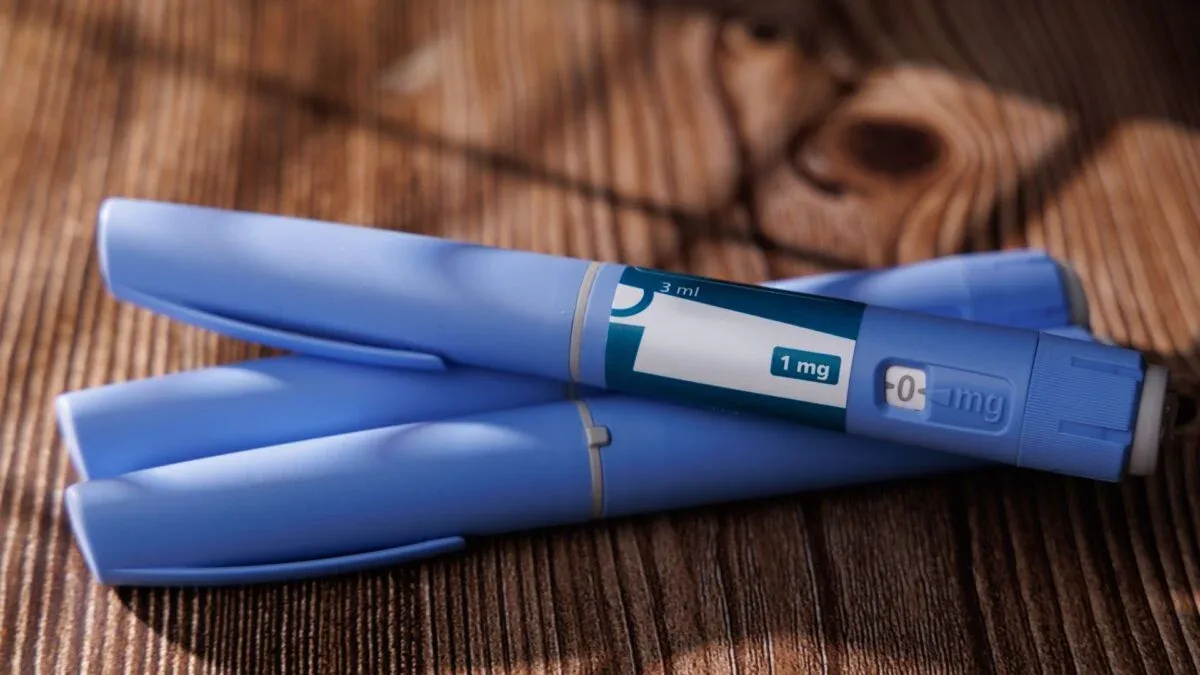
For men considering GLP-1 medications like semaglutide (Ozempic, Wegovy) or tirzepatide (Mounjaro, Zepbound) for weight management or diabetes control, fertility has often been a lingering concern. Historically, the focus has been on the metabolic benefits of these drugs, but recent clinical data suggests a potential upside for reproductive health.
A groundbreaking study led by Dr. Pratibha Natesh, a consultant endocrinologist at University Hospitals Coventry and Warwickshire, indicates that men treated with GLP-1s may experience significant improvements in testosterone levels, sperm count, and sperm morphology. This discovery challenges the assumption that weight loss drugs might hinder reproductive function, offering a new perspective for couples navigating conception challenges.
However, while the data is promising, medical experts caution that these medications are not yet a prescribed first-line treatment for infertility. Understanding the nuance between weight loss, metabolic health, and reproductive potential is essential for anyone on this therapeutic journey.
The Study: What We Know About GLP-1s and Reproductive Health
The research, conducted over a 24-week period, focused on men between the ages of 18 and 65. The participants were primarily individuals with high body mass index (BMI), as this demographic faces higher risks of metabolic syndrome and hormonal imbalances.
Dr. Natesh reported that after six months of treatment, the men showed measurable improvements in:
- Testosterone Levels: Many participants saw a rise in circulating testosterone, a hormone critical for libido, muscle mass, and sperm production.
- Sperm Count: There was a noted increase in the total number of sperm produced.
- Sperm Morphology: The size and shape of sperm improved, which is a key factor in the ability of sperm to fertilize an egg.
This is particularly significant given that approximately 15% of couples in the United States struggle with conception, and male infertility factors are involved in more than half of those cases. By addressing underlying metabolic issues, these drugs may indirectly support reproductive function.
Why Metabolic Health Matters for Sperm
The link between weight and fertility is well-established. Excess adipose tissue can lead to increased aromatization of testosterone into estrogen, lowering testosterone levels and disrupting the hormonal balance necessary for spermatogenesis. Furthermore, obesity is associated with chronic low-grade inflammation and oxidative stress, both of which can damage sperm DNA.
GLP-1 agonists work by mimicking the GLP-1 hormone, which regulates insulin secretion and appetite. By facilitating weight loss and improving insulin sensitivity, these medications reduce the metabolic stress on the body. Dr. Natesh suggests that this reduction in inflammation and metabolic burden creates a more favorable environment for sperm production.
GLP-1 Therapy vs. Testosterone Replacement Therapy (TRT)
One of the most compelling aspects of these findings is how GLP-1s compare to traditional treatments for low testosterone. For decades, Testosterone Replacement Therapy (TRT) has been the standard for men with hypogonadism. However, TRT comes with a significant caveat: it can suppress the body's natural sperm production, often leading to infertility.
This creates a difficult dilemma for men who want to treat low testosterone but also wish to father children. If further studies confirm that GLP-1s improve testosterone naturally without suppressing sperm production, they could offer a superior alternative for this specific demographic.
Comparison of Treatment Effects
| Treatment | Impact on Testosterone | Impact on Sperm Production | Primary Use |
|---|---|---|---|
| GLP-1 Agonists | Potentially Increases | May Improve | Weight Loss, Diabetes |
| TRT (Exogenous) | Increases | Often Suppresses | Hypogonadism |
| Lifestyle Changes | Moderate Increase | Neutral or Positive | General Health |
Important Caveats and Medical Warnings
Despite the optimistic results, Dr. Lidia Mínguez Alarcón, a reproductive epidemiologist at Harvard Medical School, emphasizes that more research is needed before these drugs are prescribed specifically for infertility. The study was conducted on men with high BMI, so it remains unclear if the benefits apply to men with healthy weights.
Additionally, Dr. Amin Herati, a urologist at Johns Hopkins Hospital, highlights the "chicken or the egg" problem. Sometimes hormone problems cause weight gain; other times, weight gain causes hormone problems. A fertility evaluation is crucial to determine the root cause of low testosterone or infertility.
Furthermore, rapid weight loss can sometimes signal to the brain that it is not a safe time to reproduce. Sudden changes in body fat, whether from bariatric surgery or medication, can temporarily limit fertility. This underscores the importance of working with a healthcare provider to manage weight loss at a steady, healthy pace.
Precision tracking for your journey
Join thousands using Shotlee to accurately track GLP-1 medications and side effects.
📱 Get the Shotlee App
Track your GLP-1 medications, peptides, and health metrics on the go with our mobile app!
Lifestyle Strategies to Support Reproductive Health
While medication may offer metabolic support, lifestyle choices remain the cornerstone of fertility health. Dr. Herati and Dr. Natesh recommend a holistic approach that complements any medical treatment.
To optimize reproductive health, men should consider the following adjustments:
- Dietary Quality: Restrict ultraprocessed foods and focus on whole, nutrient-dense options to reduce inflammation.
- Exercise Regularly: Moderate activity improves circulation and hormone regulation without overstressing the body.
- Limit Sedentary Habits: Prolonged sitting can increase scrotal temperature and reduce blood flow.
- Avoid Toxic Chemicals: Minimize exposure to plastics and environmental toxins that act as endocrine disruptors.
- Manage Heat Exposure: Avoid hot showers, saunas, or hot tubs multiple times a day, as heat can negatively impact sperm quality.
- Prioritize Sleep: Poor sleep disrupts hormonal rhythms, including testosterone production.
- Reduce Alcohol and Smoking: Both substances are linked to oxidative stress and DNA damage in sperm.
Tracking Progress with Shotlee
For men undergoing GLP-1 therapy who are monitoring their reproductive health, consistent data tracking is vital. Tools like Shotlee can help patients log medication adherence, dosage changes, and relevant health metrics over time.
When managing weight loss and fertility goals simultaneously, noticing trends is key. Patients can use Shotlee to track:
- Symptoms: Monitor changes in libido, energy levels, or erectile function.
- Medication Data: Record doses and timing to ensure consistency.
- Health Metrics: Log weight, waist circumference, and other metabolic markers.
This data can be invaluable during appointments with a reproductive urologist or endocrinologist. By providing a clear picture of how the body responds to treatment, patients can have more informed discussions about their fertility journey.
Conclusion: A Promising but Nuanced Future
The emerging data linking GLP-1 medications to improved male fertility is a significant development for men struggling with conception while managing metabolic health. While these drugs are not currently a cure for infertility, they may serve as a supportive therapy that improves hormonal profiles naturally.
Men interested in this approach should consult with a specialist to determine if their specific health profile aligns with the potential benefits. With careful monitoring, lifestyle optimization, and medical guidance, the path to conception may become clearer than ever.
Frequently Asked Questions
1. Do GLP-1 medications like Ozempic directly treat male infertility?
No, GLP-1 medications are not currently FDA-approved as a first-line treatment for male infertility. However, studies suggest they may improve testosterone and sperm quality as a secondary benefit of weight loss and metabolic improvement.
2. Can taking semaglutide suppress sperm production like TRT?
Unlike Testosterone Replacement Therapy (TRT), which often suppresses sperm production, GLP-1s appear to support it. The mechanism involves reducing metabolic stress rather than flooding the system with exogenous hormones.
3. Is the fertility benefit seen in men with a normal BMI?
Current research has primarily focused on men with high BMI. The effects on men with a healthy weight are not yet fully understood, and rapid weight loss in non-obese individuals could potentially signal reproductive stress.
4. How long does it take to see fertility improvements on GLP-1s?
In the referenced study, improvements were observed after 24 weeks of treatment. However, sperm production cycles vary, and full effects on fertility parameters may take several months to manifest.
5. Should I stop trying to conceive while on weight loss medication?
Men planning to conceive should discuss their medication with a healthcare provider. While the drugs may improve fertility metrics, the safety of conception during active weight loss or high-dose treatment should be evaluated on a case-by-case basis.