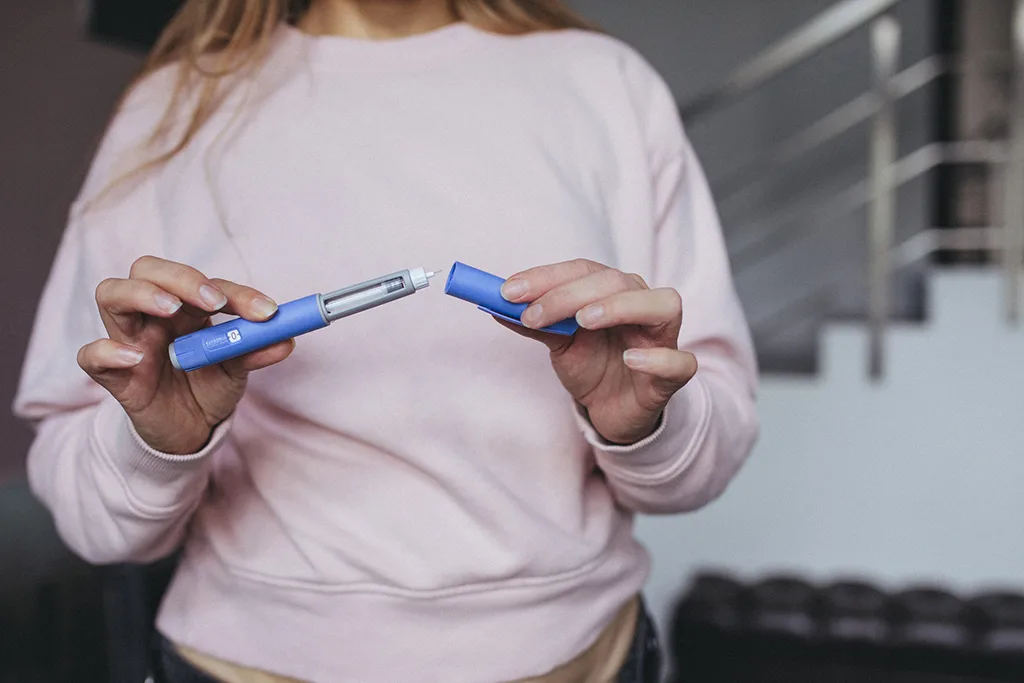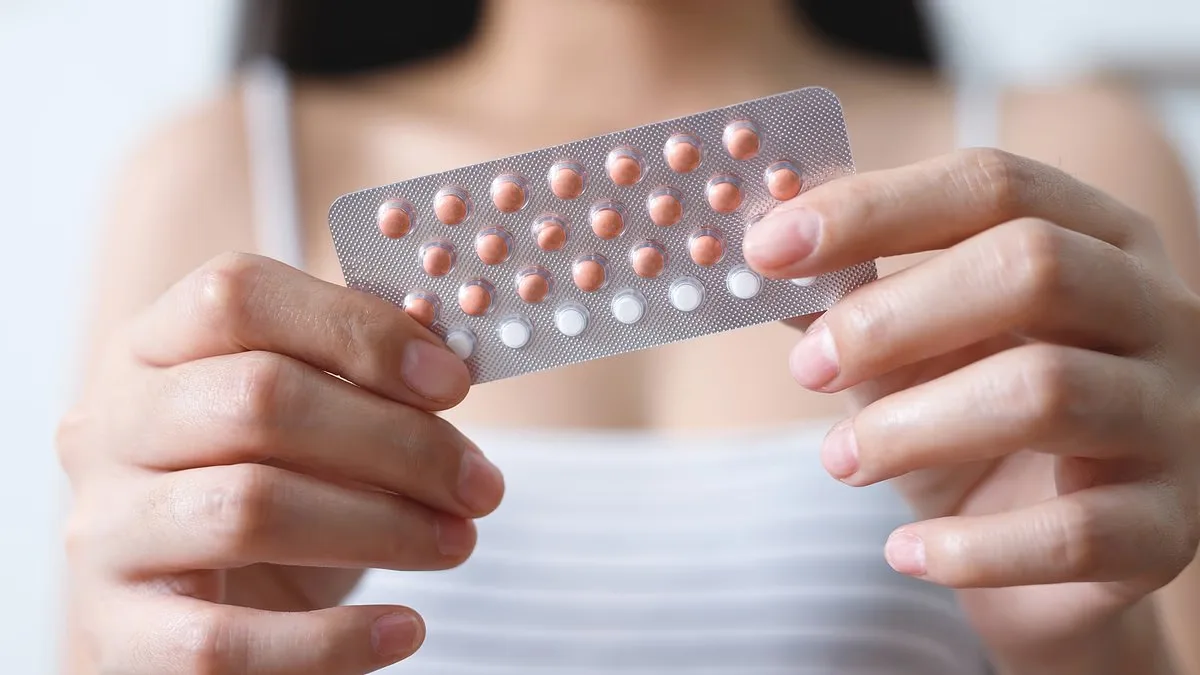

A significant new study from Danish researchers indicates a notable association between the use of hormonal birth control and a greater likelihood of women later seeking weight loss injections, such as those containing semaglutide (Ozempic, Wegovy) or tirzepatide (Mounjaro, Zepbound). This finding aligns with anecdotal reports from many women who have experienced weight fluctuations while using various forms of contraception. The research, published in JAMA Network Open, analyzed the health records of a substantial cohort of women, providing a deeper look into this complex relationship and its potential implications for reproductive health and weight management strategies.
Does Hormonal Birth Control Contribute to Weight Gain?
While women have long reported experiencing weight changes after starting hormonal birth control, scientific studies have historically struggled to establish a definitive causal link. This new Danish research, however, suggests a correlation: women who have used hormonal contraceptives are more likely to initiate treatment with weight loss injections compared to those who have not. The study's authors, based at Copenhagen University Hospital, emphasize that their findings resonate with the lived experiences of many women globally, suggesting that the hormonal shifts induced by contraception might play a role in weight management challenges for some individuals.
The study's findings echo sentiments from previous investigations. For instance, a study published in the National Library of Medicine last year found that a significant majority, 73 percent, of British women reported weight gain associated with taking the pill. While the exact mechanisms are still being explored, some experts theorize that the disruption of natural estrogen and progesterone levels by hormonal contraceptives could lead to increased water retention and a heightened appetite in susceptible individuals. Understanding these potential links is crucial for women making informed decisions about their reproductive health and overall well-being.
What Types of Hormonal Birth Control Were Studied?
The Danish study encompassed a broad range of hormonal contraceptive methods, reflecting the diverse options available to women. Researchers analyzed health records of approximately 250,000 women in Denmark, aged 12 to 49. This comprehensive dataset included women who later used semaglutide (the active ingredient in Ozempic and Wegovy) and a much larger control group who did not. The analysis specifically examined the use of:
- Combined Pill: Contains both estrogen and a progestogen (a synthetic version of progesterone).
- Mini Pill: Contains only a progestogen.
- Hormonal Intrauterine Devices (IUDs): Also known as hormonal coils.
- Implants: Small rods inserted under the skin.
- Vaginal Rings: Devices inserted into the vagina.
- Patches: Transdermal patches that release hormones.
This broad scope allowed the researchers to identify patterns across different hormonal delivery systems, offering a more nuanced understanding of the potential associations between hormonal contraception and subsequent use of weight loss treatments.
How Did Contraceptive Use Relate to Weight Loss Injection Initiation?
The study revealed several key associations between specific types of hormonal birth control and the initiation of weight loss injections like semaglutide. Women who had used the combined pill, the mini pill, or a hormonal coil were found to be more likely to start semaglutide treatment. Furthermore, the researchers observed higher rates of semaglutide use among women who switched between different hormonal contraceptives, including transitions from the combined pill to the mini pill, the mini pill to the combined pill, and from the combined pill to a hormonal coil.
The most pronounced link, however, was observed in women who had used multiple different types of hormonal contraceptives throughout their reproductive lives. This suggests that the cumulative exposure to various hormonal formulations, or perhaps the underlying reasons for switching methods, might be associated with a greater propensity to seek medical interventions for weight management later on. The study authors also noted that among those who started semaglutide, a substantial majority (75 percent) were already classified as overweight or obese, compared to a much smaller percentage (around 31.5 percent combined overweight/obese) in the control group who did not start semaglutide. This highlights that weight loss injections are typically prescribed for individuals with pre-existing weight concerns.
Potential Explanations for the Link
While the study identifies a correlation, the authors propose several potential explanations for why women using hormonal birth control might be more likely to use weight loss injections. One significant factor could be increased engagement with healthcare professionals. Women using contraception, particularly those who switch methods or experience side effects, often have more frequent interactions with doctors and other healthcare providers. These consultations provide opportune moments for discussions about weight management and potential treatment options, including newer pharmacotherapies.
Precision tracking for your journey
Join thousands using Shotlee to accurately track GLP-1 medications and side effects.
📱 Get the Shotlee App
Track your GLP-1 medications, peptides, and health metrics on the go with our mobile app!
Another consideration is the physiological impact of hormonal fluctuations. As mentioned, some experts suggest that hormonal contraceptives can influence appetite regulation and fluid balance. While not universally experienced, these effects could contribute to weight gain or make weight loss more challenging for some women, potentially leading them to seek more intensive interventions. It's also possible that underlying health conditions or lifestyle factors that lead women to seek hormonal contraception might also predispose them to weight management issues.
What Does This Mean for Women's Health?
This study provides valuable insights for both healthcare providers and individuals. For women, it underscores the importance of discussing any perceived weight changes or concerns with their doctor, especially when starting or switching hormonal birth control methods. Understanding potential side effects, even if not universally experienced, can empower women to have more informed conversations about their health management. For healthcare professionals, the findings suggest a need to be particularly attentive to weight management discussions with patients who are current or past users of hormonal contraceptives.
The availability of advanced health tracking tools, like those offered by Shotlee, can also play a crucial role. By meticulously logging symptoms, menstrual cycles, medication adherence, and weight fluctuations, women and their doctors can gain a clearer picture of individual responses to different birth control methods and track the effectiveness of any weight management strategies. This data-driven approach can facilitate personalized care and help identify patterns that might otherwise go unnoticed.
The Role of Weight Loss Injections
It's important to contextualize these findings within the broader landscape of weight management. Medications like Ozempic (semaglutide) and Mounjaro (tirzepatide) have shown remarkable efficacy in clinical trials for weight loss, particularly for individuals with obesity or related health conditions. These drugs work by mimicking incretin hormones, which regulate appetite and blood sugar. However, they are prescription medications and require careful medical supervision due to potential side effects and contraindications.
| Contraceptive Type | Association with Semaglutide Use |
|---|---|
| Combined Pill | Higher likelihood |
| Mini Pill | Higher likelihood |
| Hormonal Coil | Higher likelihood |
| Multiple Contraceptive Methods Used | Strongest association |
The study does not suggest that hormonal birth control *causes* weight gain that necessitates these injections, but rather that its use is associated with a higher probability of seeking such treatments. This could be due to a combination of physiological effects, increased healthcare engagement, or underlying factors influencing both contraceptive choice and weight management needs.
Practical Takeaways
For individuals using or considering hormonal birth control:
- Open Communication: Discuss any concerns about weight changes or other side effects with your healthcare provider.
- Holistic Approach: Consider your overall lifestyle, including diet and exercise, in conjunction with any medication.
- Track Your Health: Utilize tools like Shotlee to monitor your cycle, symptoms, and weight, providing valuable data for discussions with your doctor.
For healthcare providers:
- Informed Counseling: Be aware of the potential associations and counsel patients accordingly.
- Comprehensive Assessment: When discussing weight management, consider a patient's history of hormonal contraceptive use.
Conclusion
This Danish study adds a significant piece to the ongoing conversation about hormonal birth control and its potential impact on weight management. By highlighting a correlation between the use of various hormonal contraceptives and a higher likelihood of seeking weight loss injections, the research encourages a more nuanced understanding of women's health. While not establishing direct causation, the findings emphasize the importance of open dialogue between patients and healthcare providers, comprehensive health tracking, and a holistic approach to well-being. As research continues, these insights will help refine personalized care strategies for women navigating reproductive health and weight management.