Eli Lilly Advances Retatrutide Toward FDA Submission Following Phase 3 Data
Eli Lilly has moved a significant step closer to regulatory approval for retatrutide, its next-generation obesity therapy. Following the release of late-stage study results, the pharmaceutical company is preparing to file for FDA approval in the first quarter of 2027. The data from two major Phase 3 trials demonstrate that retatrutide, a unique triple-agonist, can deliver substantial weight loss and improved glycemic control compared to placebo.
Analysts at BMO Capital Markets noted that the positive readouts reinforce the drug’s potential as a best-in-class efficacy treatment. The new data suggests a favorable benefit-risk profile, though the regulatory timeline has shifted slightly from earlier projections. As the weight loss market continues to evolve with competitors like Ozempic and Mounjaro, retatrutide aims to set a new benchmark for metabolic health.
Understanding the Triple-Agonist Mechanism
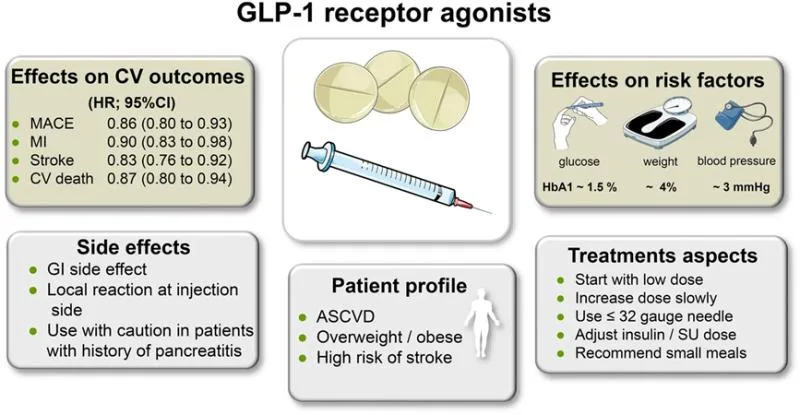
Retatrutide distinguishes itself from current market leaders by targeting three distinct hormone receptors: GLP-1, GIP, and glucagon. This "triple-G" approach is designed to leverage the benefits of each pathway simultaneously.
- GLP-1 Receptor: Activates insulin secretion and reduces appetite.
- GIP Receptor: Enhances insulin sensitivity and fat metabolism.
- Glucagon Receptor: Increases energy expenditure and fat burning.
By engaging all three receptors, the weekly subcutaneous injection triggers a dual effect of reducing caloric intake and increasing the body’s energy expenditure. This mechanism has drawn comparisons to bariatric surgery, with Kenneth Custer, president of Lilly Cardiometabolic Health, noting that the observed weight loss figures match levels historically associated with surgical interventions.
Clinical Outcomes From TRIUMPH-2 and TRIUMPH-3
The recent data comes from two separate Phase 3 trials, each targeting different patient populations to ensure the drug works across various health profiles. Both studies compared retatrutide against a placebo over an 80-week period.
TRIUMPH-2: Obesity and Type 2 Diabetes
The TRIUMPH-2 trial focused on patients with obesity or overweight who also have type 2 diabetes. In this group, the 12-mg dose of retatrutide elicited a 20.8% reduction in body weight. This stands in stark contrast to the 4% drop observed in placebo controls. Lower doses showed attenuated effects, with the 9-mg dose resulting in a 19.1% reduction and the 4-mg level at 12.7%. Additionally, blood sugar control, measured by the biomarker HbA1c, improved significantly in treated patients.
TRIUMPH-3: Severe Obesity and Cardiovascular Risk
The TRIUMPH-3 trial targeted patients with severe obesity and established cardiovascular disease. Here, the 12-mg dose achieved a 22.6% weight loss at 80 weeks, compared to a 3.2% decrease in the placebo group. The 9-mg dose also performed strongly, eliciting a 21.6% reduction in weight. Across both studies, retatrutide met its primary endpoints, according to Lilly.
| Trial | Population | Dose (mg) | Weight Loss (80 Weeks) | Placebo Comparison |
|---|---|---|---|---|
| TRIUMPH-2 | Obesity + Type 2 Diabetes | 12 | 20.8% | 4% |
| TRIUMPH-2 | Obesity + Type 2 Diabetes | 9 | 19.1% | 4% |
| TRIUMPH-3 | Severe Obesity + CVD | 12 | 22.6% | 3.2% |
| TRIUMPH-3 | Severe Obesity + CVD | 9 | 21.6% | 3.2% |
Cardiovascular Safety and Long-Term Outlook
While efficacy is a primary driver, safety remains a critical consideration for any weight loss medication. The TRIUMPH-3 study included pre-specified additional analyses on major adverse cardiovascular events, such as heart attacks and death. Results showed that these events were less frequent in patients on retatrutide, though the treatment effect was not statistically significant.
Analysts described the cardiovascular readout as "limited," noting it could raise questions for Lilly’s long-term TRIUMPH-Outcomes study. This specific trial will look more deeply at the benefits of retatrutide on heart-related complications. Nevertheless, BMO analysts wrote that they are "encouraged by the directional benefits in those who remained on treatment." This suggests that while the data is promising, the definitive cardiovascular safety profile will likely be confirmed in future long-term studies.
Market Context and Comparison to Tirzepatide
If approved, retatrutide will form the fourth pillar of Lilly’s cardiometabolic franchise. It follows the success of tirzepatide brands Mounjaro and Zepbound, as well as the weight loss pill Foundayo. The analytics firm Evaluate attributed a valuation of more than $20 billion to retatrutide last month.
Industry observers have compared retatrutide to existing GLP-1 and dual-agonist therapies like semaglutide (Ozempic, Wegovy) and tirzepatide (Mounjaro, Zepbound). RBC Capital Markets noted that while patients in the recently reported studies lost less weight than those in TRIUMPH-1 at the highest doses, this is typical given the co-morbidities present in the TRIUMPH-2 and TRIUMPH-3 populations. TRIUMPH-1, which enrolled adults without type 2 diabetes, showed weight loss reaching 28.3% at 80 weeks.
Precision tracking for your journey
Join thousands using Shotlee to accurately track GLP-1 medications and side effects.
📱 Get the Shotlee App
Track your GLP-1 medications, peptides, and health metrics on the go with our mobile app!
Retatrutide’s projected impact on sales is significant. Eli Lilly’s weight-loss franchise, including tirzepatide products and Foundayo, is projected to account for nearly half of the total sales of the top 10 drugs in 2032.
Timeline for Approval and Patient Access
Lilly now expects to file for regulatory approval in the first quarter of 2027, a timeline pushed back from earlier projections for later this year. This delay allows the company to ensure all data packages are robust for the FDA review process. For patients currently managing weight or metabolic health, this timeline indicates that widespread access to the triple-agonist therapy is still several years away.
During this waiting period, patients and providers may look to optimize current treatment plans. Effective management often involves consistent monitoring of weight, dose adjustments, and symptom tracking. Tools like Shotlee can assist in this process, allowing users to track health data trends and communicate more effectively with their care team regarding progress or side effects.
Practical Takeaways for Patients and Providers
As the regulatory landscape shifts, here are key points to consider regarding retatrutide and the future of weight loss therapy:
- Efficacy Potential: Retatrutide shows weight loss results comparable to bariatric surgery in clinical trials.
- Population Specifics: Results vary based on patient health status, such as the presence of type 2 diabetes or cardiovascular disease.
- Safety Monitoring: Ongoing cardiovascular studies will be crucial for long-term safety validation.
- Timeline: FDA filing is expected in early 2027, with approval following subsequent review.
- Tracking: Consistent health tracking remains vital for managing any peptide therapy or weight loss medication.
Conclusion
Eli Lilly’s preparation for an FDA run on retatrutide marks a pivotal moment in the obesity treatment landscape. With substantial weight loss data from Phase 3 trials and a clear path toward regulatory submission, the company aims to solidify its leadership in the cardiometabolic space. As the industry watches the 2027 filing closely, the focus remains on balancing high efficacy with long-term safety for patients seeking effective weight management solutions.
Frequently Asked Questions
1. What is retatrutide?
Retatrutide is a next-generation obesity therapy developed by Eli Lilly. It is a triple-agonist medication that activates GLP-1, GIP, and glucagon receptors to promote weight loss and improve glycemic control.
2. When is the FDA filing expected for retatrutide?
Eli Lilly expects to file for FDA approval in the first quarter of 2027, following the submission of Phase 3 clinical data.
3. How much weight loss did the TRIUMPH-2 trial show?
In the TRIUMPH-2 trial, the 12-mg dose of retatrutide resulted in a 20.8% reduction in body weight at 80 weeks compared to a 4% reduction in the placebo group.
4. Is retatrutide safe for cardiovascular health?
TRIUMPH-3 data showed fewer major adverse cardiovascular events in the retatrutide group, but the difference was not statistically significant. A dedicated long-term outcomes study is ongoing to confirm cardiovascular safety.
5. How does retatrutide compare to Mounjaro?
Retatrutide targets three receptors (GLP-1, GIP, glucagon), whereas Mounjaro (tirzepatide) targets two (GLP-1, GIP). Retatrutide aims to provide higher efficacy, particularly in energy expenditure, potentially offering greater weight loss than tirzepatide.