
Introduction: A Growing Debate Over Pediatric Weight Loss
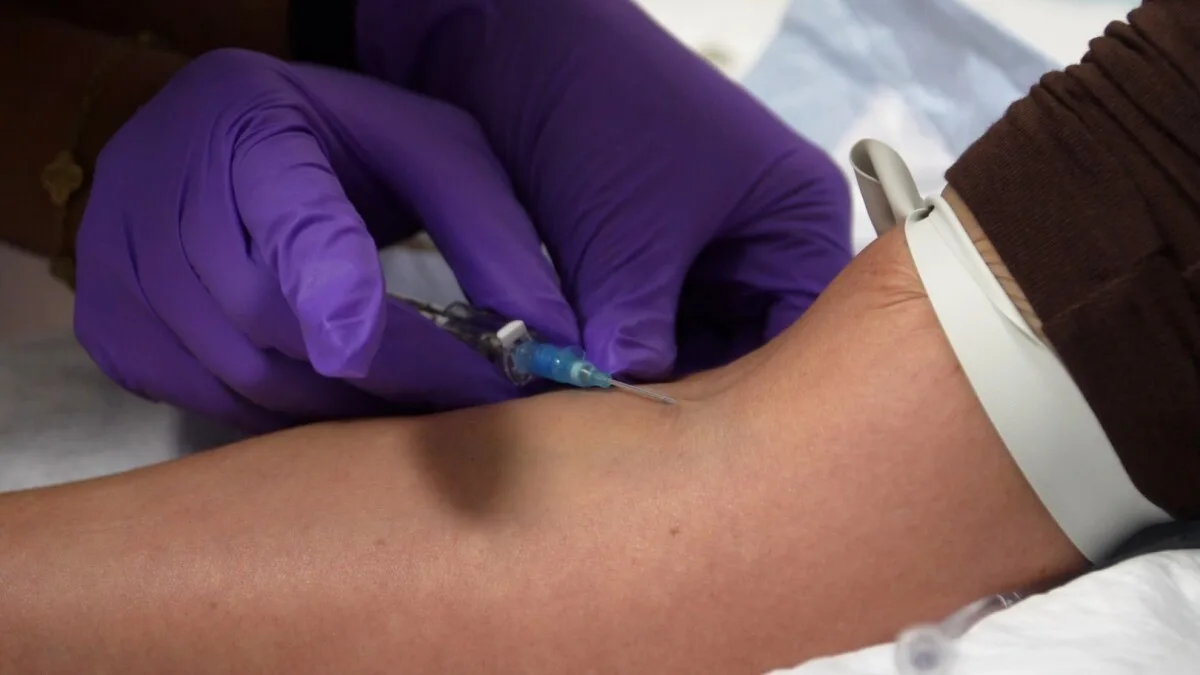
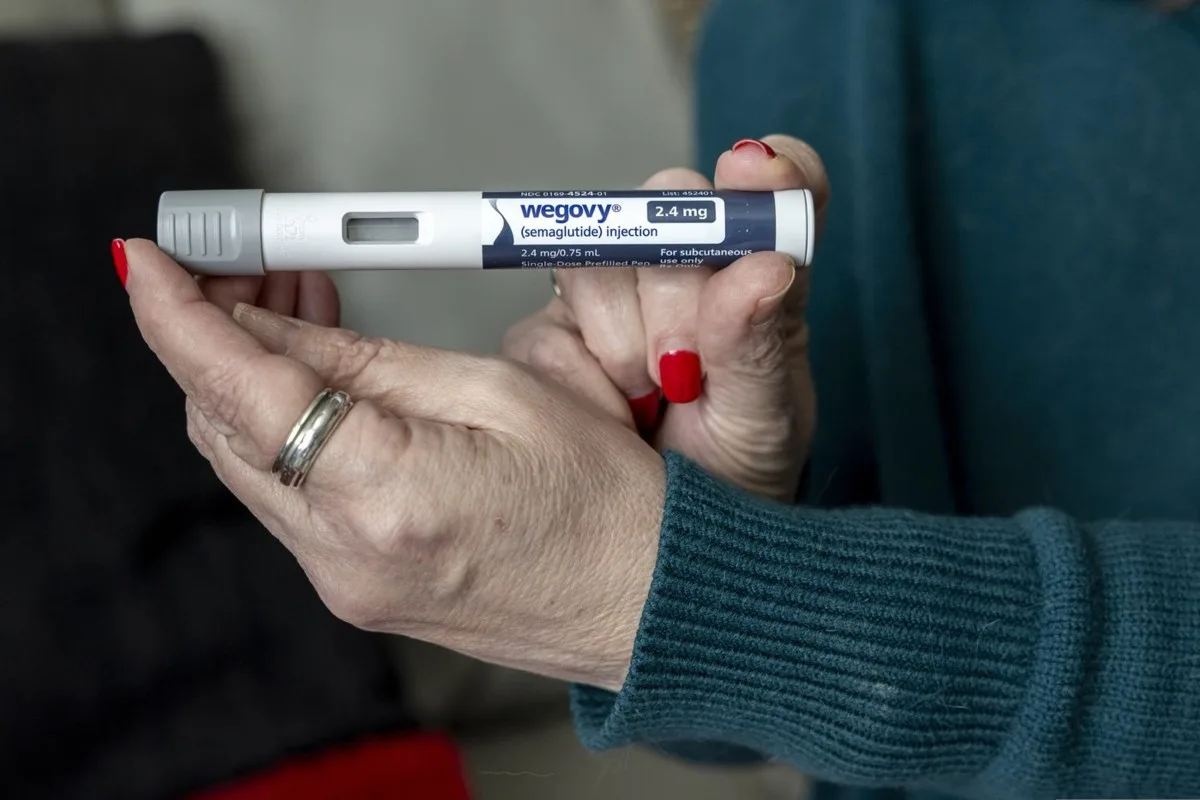
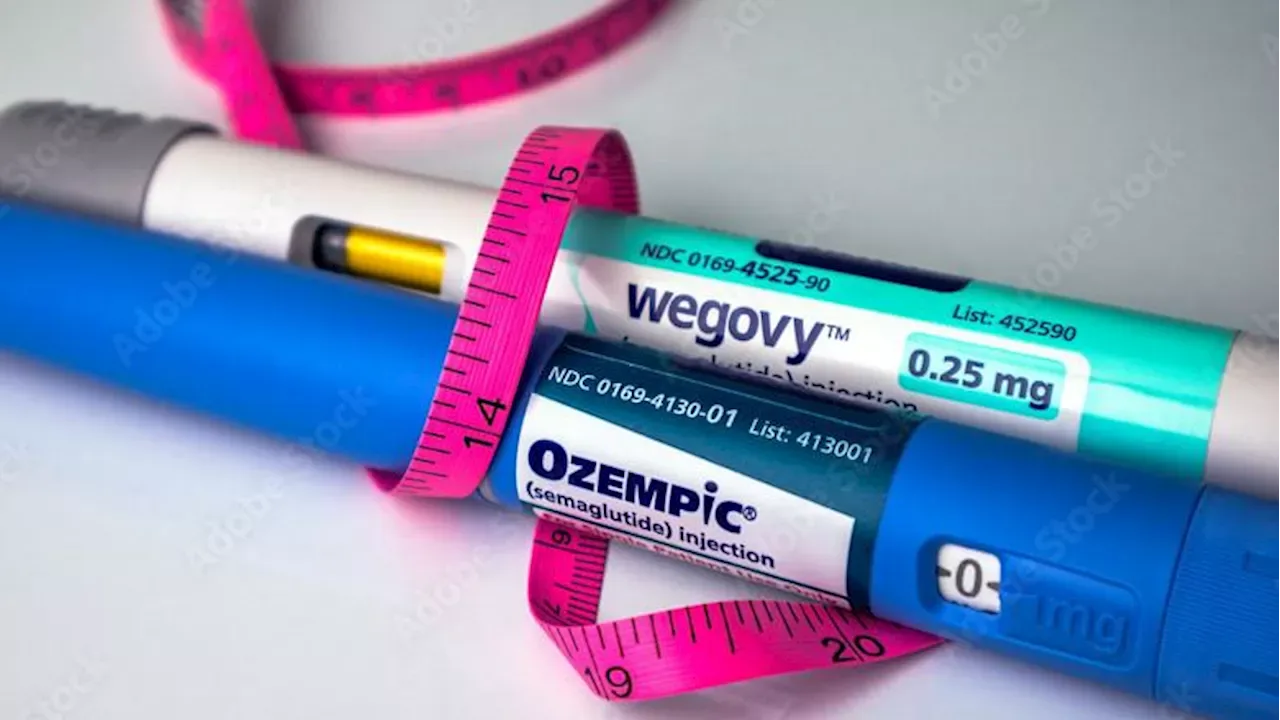
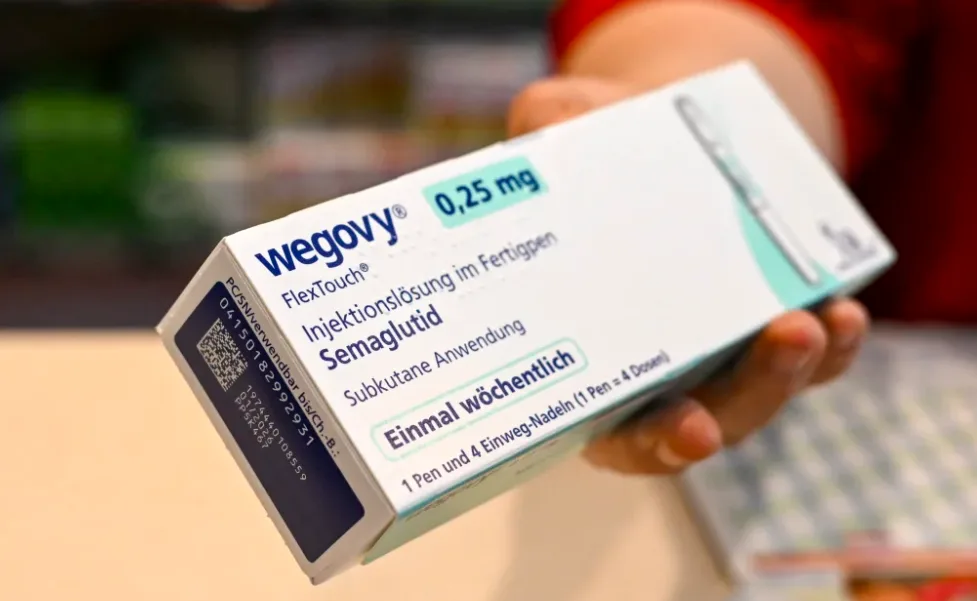
In recent years, the conversation surrounding weight management has shifted dramatically. Once considered a treatment exclusively for adults with Type 2 diabetes or severe obesity, GLP-1 receptor agonists like Wegovy and Ozempic are increasingly finding their way into the prescriptions of pediatric patients. This shift has sparked a significant medical debate, particularly regarding the long-term implications for developing bodies.
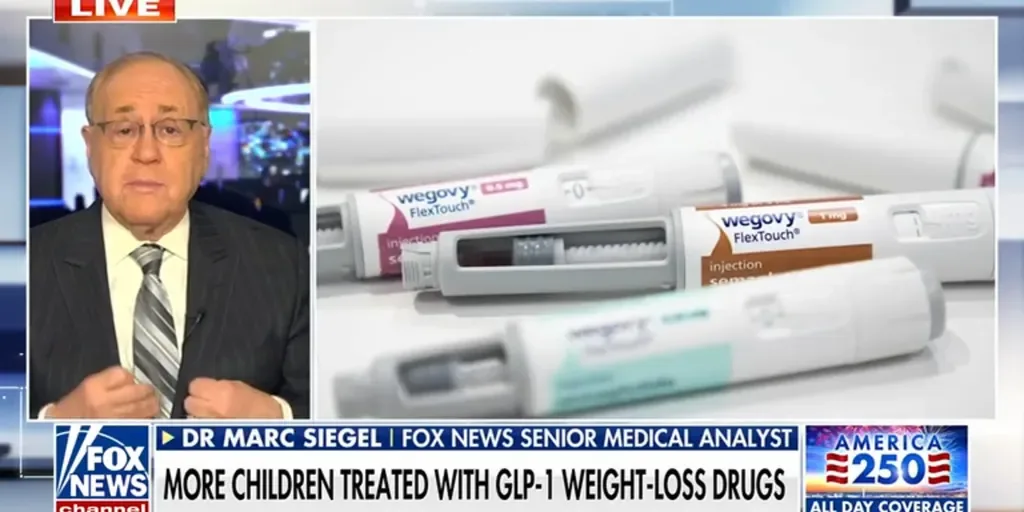
Dr. Marc Siegel, a senior medical analyst for Fox News, recently highlighted this controversial trend on America Reports. His commentary focused on the alarming rise in childhood obesity rates and the potential risks associated with using powerful peptide therapies on young digestive systems. As parents seek solutions for their children's health, understanding the balance between immediate benefits and long-term unknowns is critical.
This article explores the data behind the obesity crisis, the medical concerns regarding GLP-1 use in children, and the holistic approaches families can take to manage weight healthily. We will also examine how modern health tracking tools can support these families in monitoring progress safely.
The Escalating Childhood Obesity Epidemic
To understand why parents are turning to aggressive pharmacological interventions, one must first look at the stark statistics regarding childhood health. The trajectory of pediatric obesity over the last half-century is not merely a trend; it is a public health crisis.
According to data cited by Dr. Siegel, the prevalence of obesity among children has skyrocketed from approximately 5% in 1970 to roughly 21% by 2023. This quadrupling of rates in just over five decades indicates a fundamental shift in the environment in which children are growing up.
Drivers of the Crisis
While genetics play a role, medical consensus points to environmental factors as the primary drivers of this surge. The modern diet, heavily reliant on ultra-processed foods, contributes significantly to metabolic dysfunction. These foods are often high in refined sugars and unhealthy fats while lacking essential nutrients, leading to rapid spikes in blood sugar and insulin resistance.
Furthermore, the shift toward a sedentary lifestyle has exacerbated the issue. With increased screen time and reduced physical activity in school and recreational settings, the caloric expenditure required to maintain a healthy weight has become increasingly difficult to achieve through lifestyle alone. This combination creates a perfect storm where traditional diet and exercise modifications yield diminishing returns for many families.
Understanding GLP-1 Agonists in a Pediatric Context
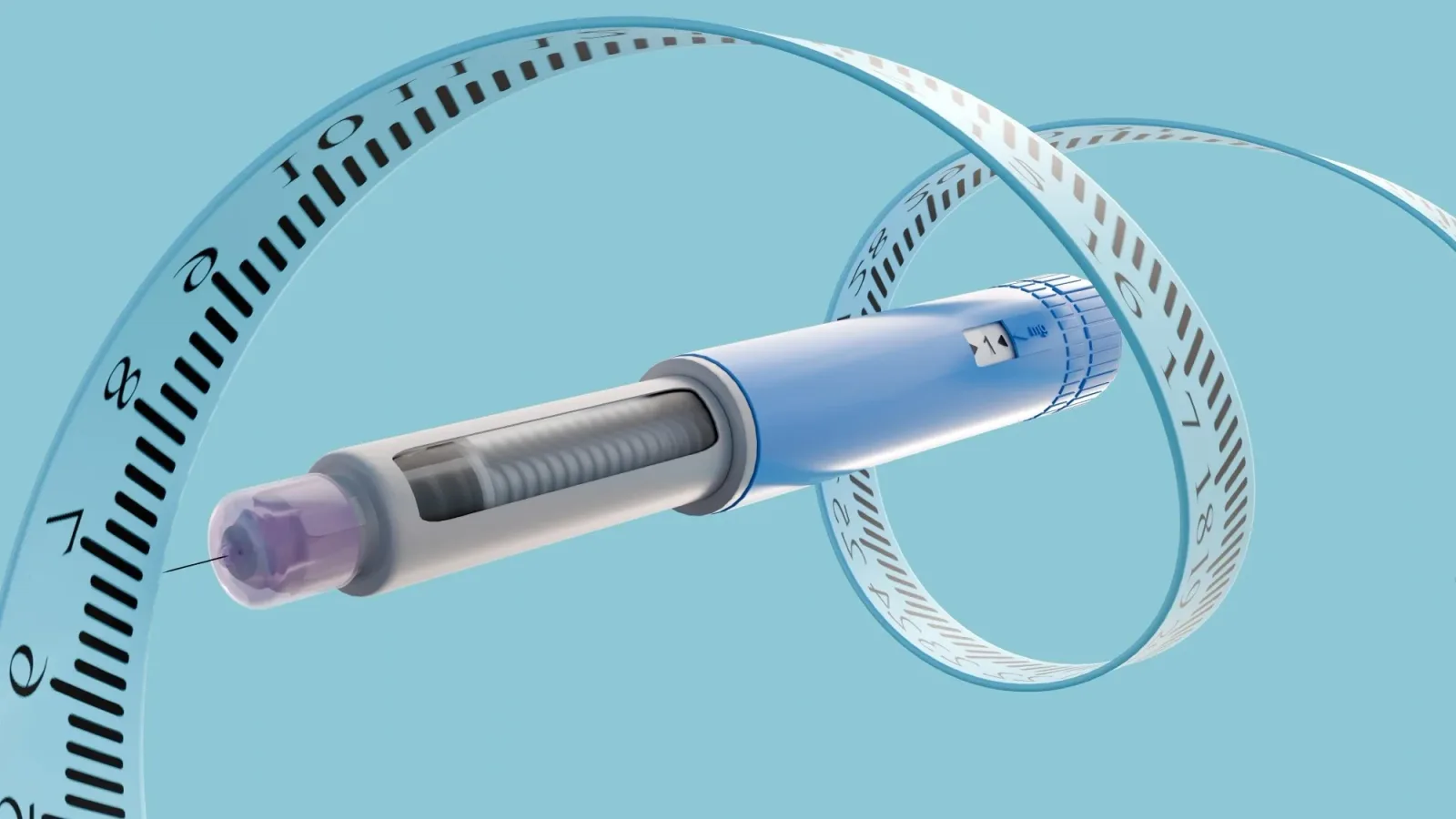
GLP-1 (glucagon-like peptide-1) receptor agonists are a class of medications originally developed to treat Type 2 diabetes. Drugs such as semaglutide (Wegovy, Ozempic) and tirzepatide (Mounjaro, Zepbound) work by mimicking hormones that regulate appetite and blood sugar. They signal the brain to feel full sooner and slower gastric emptying, which helps reduce overall caloric intake.
While these medications have shown remarkable efficacy in adults, their use in children remains a subject of intense scrutiny. The pediatric body is still developing, and the introduction of potent metabolic modifiers can have unforeseen consequences. Dr. Siegel notes that while the weight loss results can be significant, the long-term side effects on young digestive systems remain a primary concern.
Common Side Effects to Monitor
Even in adult populations, GLP-1 therapies are associated with gastrointestinal distress. In children, whose digestive tracts are more sensitive, these effects can be more pronounced. Common issues include nausea, vomiting, and constipation. However, beyond the immediate GI symptoms, there are broader concerns regarding nutritional absorption and growth.
Risk Assessment: Digestive and Ocular Health
Beyond the digestive tract, Dr. Siegel highlighted a specific and often overlooked risk: the impact on eye health. Rapid weight loss and significant metabolic changes can affect the retina and vision, particularly in individuals with underlying metabolic conditions.
There is evidence suggesting that rapid weight loss can temporarily worsen diabetic retinopathy in patients with diabetes. For children without diabetes, the implications are less clear, but the potential for ocular strain or vascular changes during rapid physiological shifts warrants caution.
Comparison of Potential Risks
| System | Common Concerns | Long-Term Unknowns |
|---|---|---|
| Digestive | Nausea, vomiting, gastroparesis | Impact on nutrient absorption during growth |
| Ocular | Eye strain during rapid changes | Risk of retinopathy or vascular changes |
| Metabolic | Hypoglycemia (if combined with insulin) | Effect on natural hormone regulation |
This table outlines the primary areas of concern discussed by medical analysts. It emphasizes that while the drugs are effective for weight reduction, the trade-off involves managing these specific physiological risks.
The Debate: Medication vs. Lifestyle Intervention
The core of the debate lies in the question of necessity. With obesity rates at 21%, is medication the only viable path forward? Proponents argue that for children with severe obesity, lifestyle changes alone are insufficient and that medication can prevent future complications like heart disease and early-onset diabetes.
Precision tracking for your journey
Join thousands using Shotlee to accurately track GLP-1 medications and side effects.
📱 Get the Shotlee App
Track your GLP-1 medications, peptides, and health metrics on the go with our mobile app!
However, critics and analysts like Dr. Siegel emphasize that medication should be part of a broader strategy, not a standalone fix. Relying solely on peptide therapy without addressing the root causes—processed food consumption and physical inactivity—can lead to weight regain once the medication is discontinued.
The Role of Holistic Management
Successful pediatric weight management typically requires a multi-disciplinary approach. This includes nutritional counseling, behavioral therapy, and family involvement. Medication may serve as a bridge to help a child reach a healthier starting weight, making it easier to engage in physical activity and adopt better eating habits.
For parents navigating this complex landscape, tracking progress is essential. Tools like Shotlee can be invaluable for families using these medications. By logging dietary intake, symptom reports, and weight metrics, parents and doctors can identify patterns and ensure that the child is tolerating the treatment well. This data-driven approach helps mitigate risks by providing real-time feedback on how the child's body is responding.
Navigating the Future of Pediatric Weight Loss
As research continues, the medical community will likely develop more specific guidelines for the use of GLP-1s in children. Until then, the decision to use drugs like Wegovy or Ozempic for a child should be made with extreme caution and under the supervision of a specialist.
Parents are encouraged to ask critical questions:
- Is the child's BMI high enough to warrant medication?
- Have non-pharmacological interventions been fully explored?
- What is the plan for long-term maintenance after stopping the drug?
- Are there specific side effects, such as eye or digestive issues, we should watch for?
The goal is not just weight loss, but the establishment of lifelong health habits that prevent the cycle of obesity from continuing into adulthood.
Practical Takeaways for Parents
Before considering any pharmacological intervention, consider these actionable steps:
- Review Diet Quality: Focus on whole foods and reduce processed sugar intake.
- Increase Activity: Aim for at least 60 minutes of moderate activity daily.
- Track Symptoms: Use health tracking apps to monitor how the child feels daily.
- Consult Specialists: Work with pediatric endocrinologists, not just general practitioners.
- Monitor Vision: Schedule regular eye exams to check for any changes related to rapid weight loss.
Conclusion
The rise in childhood obesity is undeniable, with rates climbing from 5% in 1970 to 21% in 2023. While GLP-1 medications like Wegovy offer hope for those struggling with severe weight issues, they come with significant caveats. As Dr. Marc Siegel has pointed out, the long-term effects on young digestive systems and eye health require careful monitoring.
Medication should be viewed as one tool in a comprehensive health strategy, not a cure-all. By combining medical guidance with lifestyle changes and diligent health tracking, families can navigate this challenging landscape more safely. The ultimate goal is to equip the next generation with the tools they need to maintain a healthy weight and avoid the long-term complications of obesity.
Frequently Asked Questions
1. Is Wegovy FDA-approved for children?
While FDA approvals vary by specific age and indication, Wegovy (semaglutide) has been approved for certain pediatric populations aged 12 and older with obesity. However, many younger children are treated off-label, which is why expert oversight is crucial.
2. What are the most common side effects of GLP-1s in kids?
The most frequently reported side effects include nausea, vomiting, diarrhea, and constipation. More serious but rarer concerns involve the pancreas and eyes, which is why regular monitoring is recommended.
3. How does childhood obesity compare to adult obesity rates?
Childhood obesity has grown much faster than adult obesity over the last 50 years. The rate has quadrupled from 5% in 1970 to 21% in 2023, indicating a severe environmental shift.
4. Can lifestyle changes alone reverse childhood obesity?
For many children, lifestyle changes are effective. However, for those with severe metabolic dysfunction, medication may be necessary to break the cycle before lifestyle changes can take hold.
5. Why are eye health concerns raised with rapid weight loss?
Rapid weight loss can alter blood sugar levels and blood pressure, which may temporarily affect the blood vessels in the eyes. While rare in non-diabetics, it is a known risk factor that requires monitoring during aggressive weight loss treatment.