
Novo Nordisk Expands Ozempic, Wegovy Testing on Adolescents
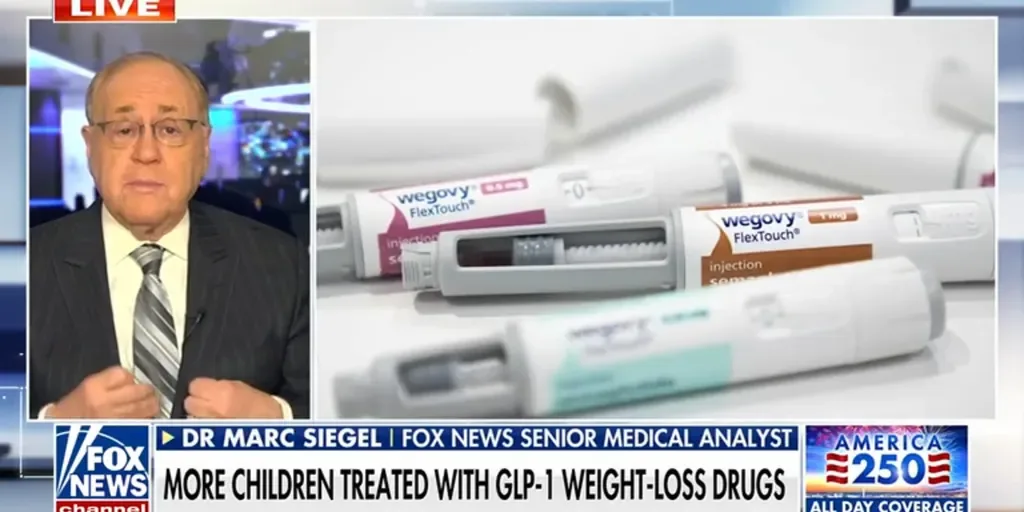
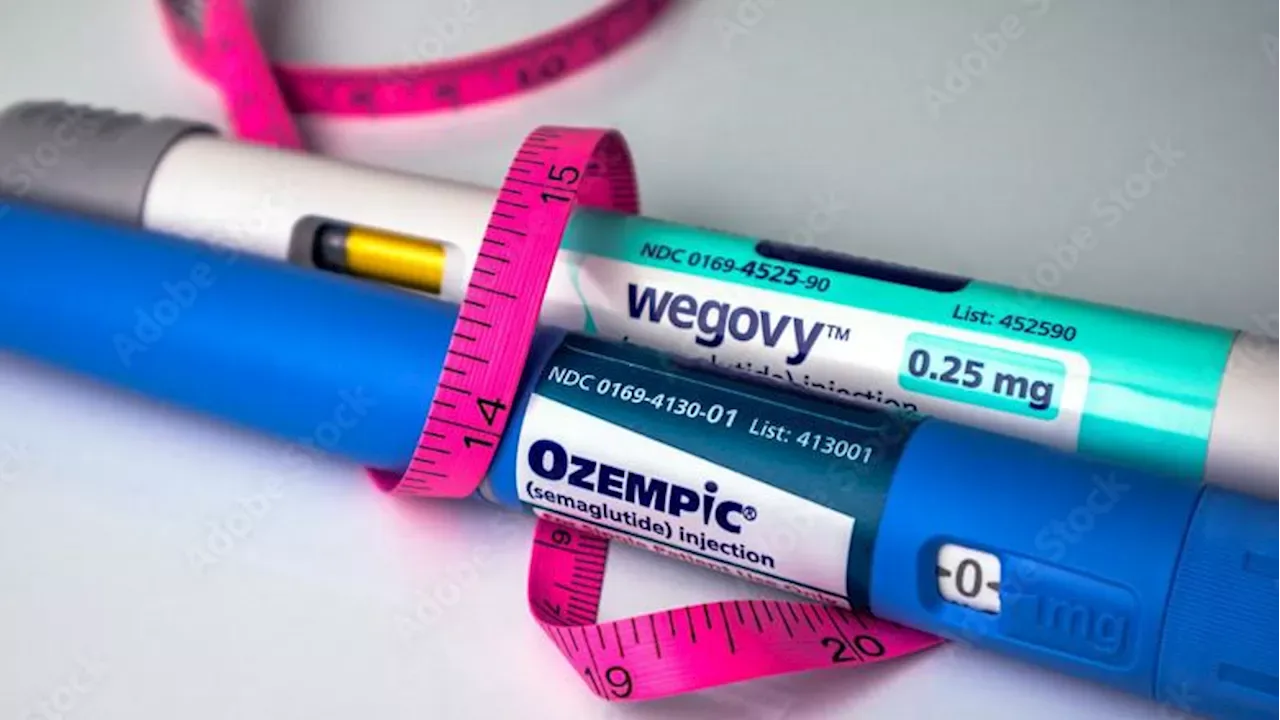
Novo Nordisk, the maker of blockbuster GLP-1 medications Ozempic and Wegovy, is expanding testing of these weight-loss drugs on adolescents through a new research partnership. This initiative targets obesity in young people across Pacific Island nations, signaling a pivotal step in addressing the global childhood obesity crisis with appetite-suppressing GLP-1 medicines.
The Partnership Announcement and Its Significance
A groundbreaking research agreement was signed between Novo Nordisk and the Murdoch Children's Research Institute, announced in Canberra during the Danish royal visit and witnessed by King Frederik X and Queen Mary. The three-year collaboration will initially launch in Fiji, exploring new models of care for adolescents living with obesity in Pacific Island nations.
This partnership reflects a broader shift in global health toward integrating GLP-1 receptor agonists—drugs originally developed for type 2 diabetes—into obesity management. These medications mimic the GLP-1 hormone, which regulates blood sugar, slows gastric emptying, and reduces appetite, leading to significant and sustained weight loss in clinical trials.
Why Focus on Adolescents in Pacific Islands?
Obesity rates are surging in Pacific Island nations, where environmental and genetic factors compound the issue. Professor Pete Azzopardi, leader of Global Adolescent Health at the Murdoch Children's Research Institute, warns that by 2050, up to three quarters of young people worldwide will be obese. This projection underscores the urgency: without intervention, adolescents face heightened risks of diabetes, cardiovascular disease, and cancer—over 30 conditions linked to excess weight.
For patients, GLP-1 drugs like Ozempic (semaglutide) and Wegovy (higher-dose semaglutide) offer a pharmacological tool alongside lifestyle changes. However, testing in adolescents ensures age-appropriate dosing, safety profiles, and efficacy data, which are critical before wider approval.
CEO Mike Doustdar's Call to Action
Speaking at the National Press Club, Novo Nordisk chief executive Mike Doustdar emphasized the stakes: "A child born in Queensland today may have a lifespan four to five years less than their parents, not because of war, not because of famine, but because of obesity." He highlighted that more than 13 million Australian adults are overweight or obese, positioning obesity as "the gateway to chronic disease" and "the health challenge of the century."
"Living with overweight and obesity is more than carrying extra weight. Chronic disease has become the health challenge of the century. We cannot ask them to wait, they need help today."
— Mike Doustdar, Novo Nordisk CEO
Doustdar drew parallels to Australia's successes, like plain cigarette packaging in 2012 and the HPV vaccine rollout, which will eliminate cervical cancer by 2035. He advocated for broader subsidies through the Pharmaceutical Benefits Scheme (PBS), noting price reductions as volumes increase: "Prices are continuously going down as the volumes come up and we are in good dialogue and discussions... with the government."
Employers could also play a role: "A healthy employee is a more productive one... whichever way we can... get our employees to a better health situation, it is also beneficial for us as a company."
Precision tracking for your journey
Join thousands using Shotlee to accurately track GLP-1 medications and side effects.
📱 Get the Shotlee App
Track your GLP-1 medications, peptides, and health metrics on the go with our mobile app!
GLP-1 Drugs: Mechanisms, Benefits, and Challenges for Adolescents
How GLP-1 Medications Work
GLP-1 agonists like Ozempic and Wegovy bind to receptors in the gut and brain, promoting insulin release, inhibiting glucagon, and signaling fullness. In obesity trials, patients achieved 15-20% body weight reduction, sustained with continued use. For adolescents, ongoing trials (including Novo Nordisk's) assess growth impacts, bone density, and metabolic effects.
Safety and Side Effects Considerations
While effective, GLP-1 drugs carry side effects. Common ones include nausea, vomiting, and gastrointestinal symptoms. Rarer issues encompass pancreatitis and gallbladder disease. Long-term data is emerging, with some studies noting rapid weight regain post-discontinuation. Researchers continue monitoring decades-long effects.
For adolescents, safety is paramount. Novo Nordisk stresses: "We are also making sure that our products are being tested and tried on adolescents and making sure that they are safe." Childhood obesity is a "ticking bomb," but first-line solutions remain healthier environments, school programs, exercise, and diet. Drugs provide support when needed, without age discrimination.
Patients considering GLP-1 therapy should discuss family history, BMI, comorbidities, and monitoring plans with healthcare providers. Tools like Shotlee can help track symptoms, side effects, or injection schedules for better adherence.
Access Debates and Global Parallels
The rise of GLP-1 drugs sparks policy debates on access. Currently expensive and limited, the World Health Organisation compares expansion to 1980s-90s HIV treatment rollouts. Most doctors agree benefits outweigh risks for those with obesity-related chronic diseases.
In Australia, pushes for PBS listing could democratize access. Globally, this partnership models integrated care: combining drugs, behavioral support, and public health in high-risk regions.
Comparisons to Alternatives
Unlike lifestyle interventions alone (calorie restriction, exercise), GLP-1s address hormonal drivers of obesity. Alternatives like bariatric surgery are invasive for youth; older drugs (e.g., orlistat) yield modest results. GLP-1s bridge the gap, with head-to-head trials showing superior sustained loss versus placebo or other pharmacotherapies.
Key Takeaways for Patients and Providers
- Partnership Focus: Three-year trial in Fiji for adolescent obesity models using Ozempic/Wegovy.
- Obesity Crisis: 13M+ Australians affected; kids face 4-5 year lifespan reduction.
- Access Push: Price cuts, PBS subsidies, employer support proposed.
- Safety First: Common GI side effects; long-term studies ongoing. Prioritize lifestyle, use drugs as adjunct.
- Actionable Advice: Consult doctors for eligibility; monitor with apps for optimal outcomes.
What This Means for Patients
For adolescents and families, this expansion offers hope against obesity's trajectory. Discuss GLP-1 options if BMI qualifies and lifestyle efforts fall short. Providers should weigh benefits against risks, integrating into holistic plans. As trials progress, expect more data on pediatric use, potentially reshaping metabolic health.
Conclusion
Novo Nordisk's adolescent testing initiative with Murdoch Children's Research Institute heralds proactive obesity combat. By preserving quotes like Doustdar's lifespan warning and Azzopardi's 2050 forecast, this guide equips readers with context. Stay informed on GLP-1 advancements—consult professionals for personalized guidance.