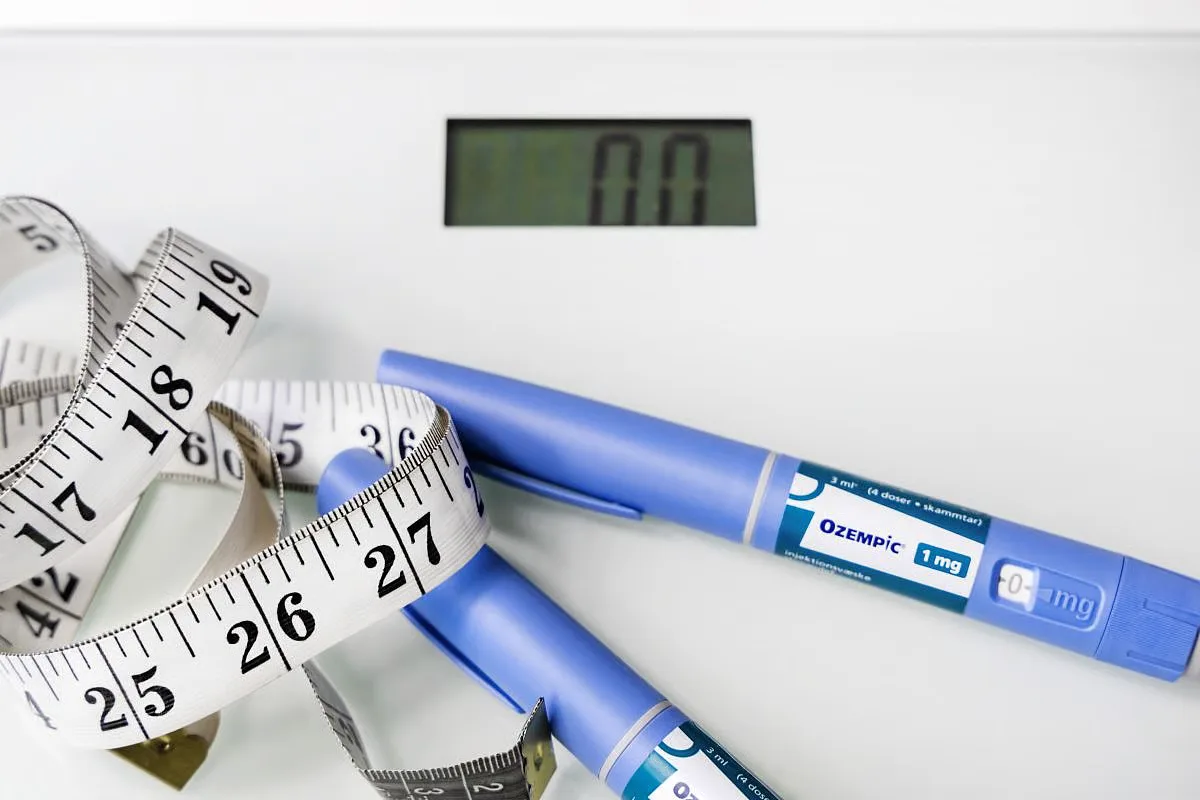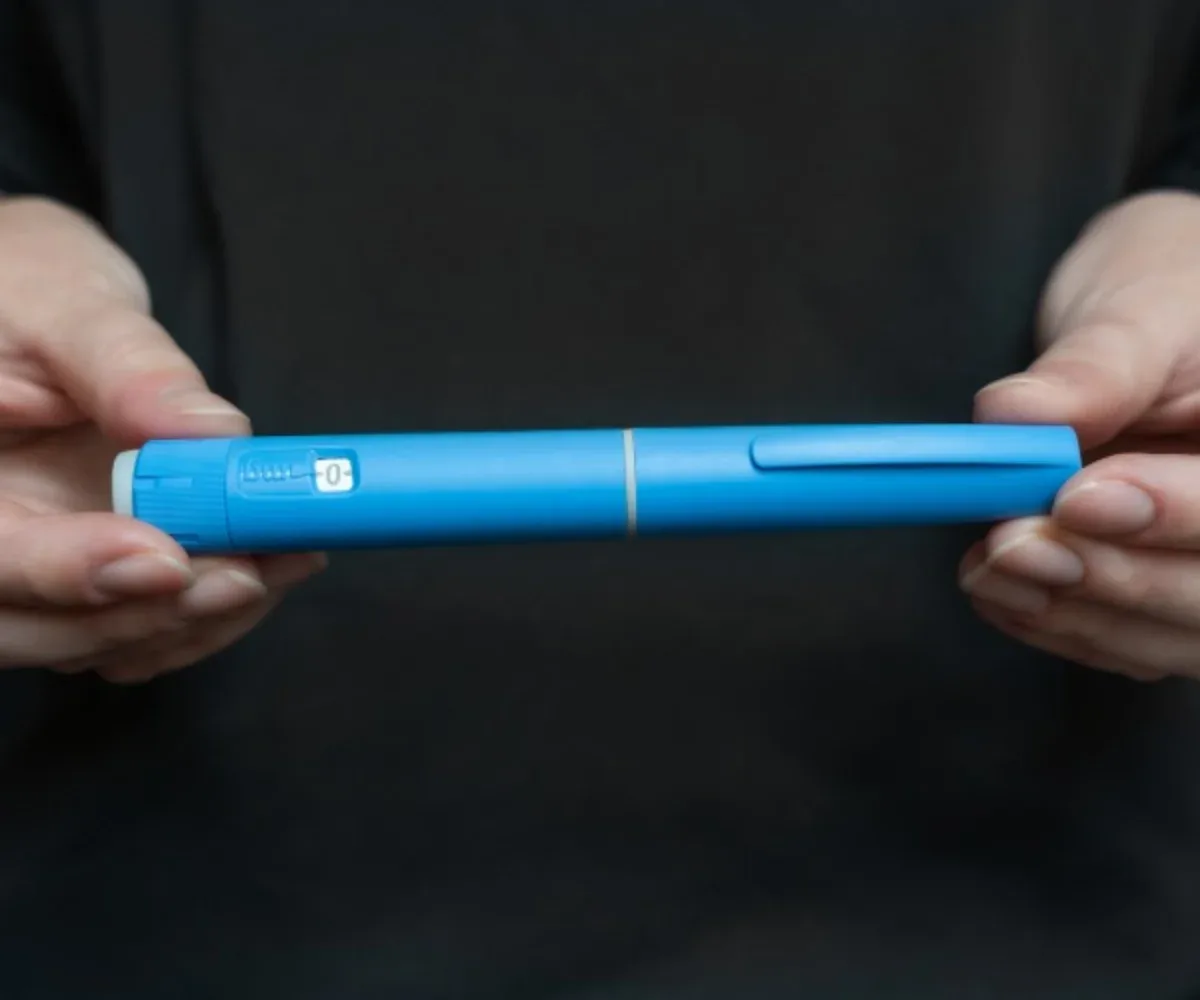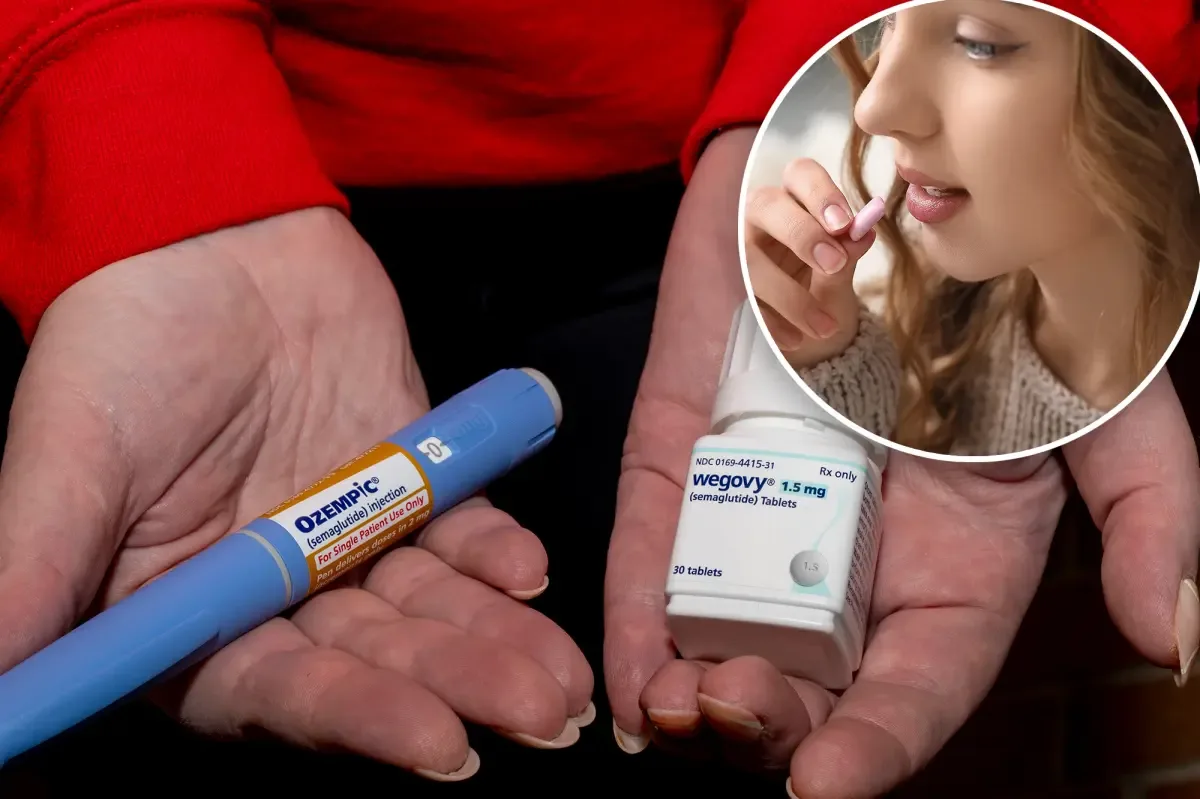

The landscape of weight management and diabetes treatment has been significantly reshaped by the advent of GLP-1 receptor agonists, commonly known by brand names such as Ozempic, Wegovy, Mounjaro, and Trulicity. While these medications have proven remarkably effective, they have also introduced a lexicon of unique side effects. Following discussions around 'Ozempic butt,' 'Ozempic fingers,' and 'Ozempic mouth,' a new phenomenon is gaining attention: 'Ozempic breath.' This increasingly prevalent issue, characterized by persistent bad breath, is prompting many users to seek solutions, leading to a surprising uptick in sales for certain confectionary items.
The Science Behind 'Ozempic Breath'
The emergence of 'Ozempic breath' is directly linked to the physiological mechanisms by which GLP-1 drugs operate. These medications work by mimicking the action of the naturally occurring GLP-1 hormone, which plays a crucial role in regulating appetite, blood sugar, and digestion. One of their primary effects is slowing down gastric emptying – the rate at which food leaves the stomach and enters the small intestine.
Delayed Digestion and Fermentation
When digestion is slowed, food remains in the stomach for a longer period. This extended dwell time can lead to increased fermentation of undigested food particles by bacteria. This bacterial fermentation process releases gases, including hydrogen sulfide, which is notorious for its unpleasant, sulfurous odor. These gases can then be released through burping or exhaled, resulting in what users are now calling 'Ozempic breath.'
Dry Mouth and Ketosis
Beyond delayed digestion, GLP-1 medications can contribute to 'Ozempic breath' through other pathways. Many users report experiencing dry mouth, a condition known medically as xerostomia. This can occur because these drugs can reduce saliva production. Saliva is essential for oral hygiene; it helps to wash away food particles and neutralize acids produced by bacteria. With less saliva, bacteria can proliferate, exacerbating bad breath. Furthermore, the metabolic shifts induced by GLP-1 drugs can sometimes lead to ketosis. When the body burns fat for energy instead of carbohydrates, it produces ketones. These ketones can be released in the breath, giving it a distinct fruity, sweet, or metallic odor, which can be equally undesirable.
The Impact on Daily Life and Industry Trends
The social and personal implications of 'Ozempic breath' can be significant. Persistent bad breath can lead to self-consciousness, impacting social interactions, professional confidence, and overall quality of life. Users may find themselves constantly seeking ways to mask the odor, leading to increased consumption of mints, chewing gum, and mouthwash.
Confectionery Sales Soar
This increased demand for oral fresheners has not gone unnoticed by the industry. Kirk Tanner, CEO of Hershey Co., reported during an earnings call that GLP-1 drugs are indeed contributing to sales growth in their gum and mint product lines, including their popular Ice Breakers brand, which saw an 8% increase in sales last quarter. Tanner noted that the company is observing "strong demand for gum and mint products as the category benefits from functional snacking tailwinds, including GLP-1 adoption." This trend highlights how a specific medical side effect can create unexpected economic ripple effects.
Protein Bar Consumption Rises
Interestingly, Hershey also reported a 17% surge in protein bar consumption in the same quarter. This is directly related to recommendations for individuals taking GLP-1 medications. To mitigate muscle loss, maintain metabolic rate, and manage hunger effectively, healthcare providers often advise patients on GLP-1 therapies to increase their protein intake. This dietary adjustment, coupled with the need for oral hygiene solutions, paints a broader picture of how these medications are influencing consumer behavior and market trends.
Optimizing Nutrition and Hydration for GLP-1 Users
Managing the side effects of GLP-1 medications involves a multi-faceted approach, with nutrition and hydration playing pivotal roles. The increased protein recommendations are a cornerstone of this strategy.
Precision tracking for your journey
Join thousands using Shotlee to accurately track GLP-1 medications and side effects.
📱 Get the Shotlee App
Track your GLP-1 medications, peptides, and health metrics on the go with our mobile app!
Evolving Protein Recommendations
Historically, the Recommended Dietary Allowance (RDA) for protein was set at 0.8 grams per kilogram of body weight (or 0.36 grams per pound). For a 150-pound individual, this equated to approximately 54 grams of protein per day. However, recent US dietary guidelines have revised these recommendations upward, suggesting a range of 1.2 to 1.6 grams per kilogram of body weight. For that same 150-pound person, this translates to a daily intake of 82 to 109 grams of protein. This increase is crucial for preserving lean muscle mass, which can be a concern during weight loss facilitated by GLP-1 drugs.
Personalized Protein Needs
For individuals actively using GLP-1 drugs for weight loss or managing diabetes, some researchers suggest even higher protein targets. Studies indicate that a range of 1.2 to 2 grams per kilogram of body weight might be optimal. This could mean a 150-pound individual needs to consume between 82 and a substantial 136 grams of protein daily. To put this into perspective, achieving the higher end of this range could involve consuming around 22 large eggs or approximately 20 ounces of raw, skinless chicken breast.
The Importance of Fiber and Hydration
In addition to protein, increasing fiber intake is vital. Fiber aids digestion, promotes satiety, and can help regulate blood sugar levels. Staying adequately hydrated is equally critical, especially for combating dry mouth and its associated complications. Water is a powerful ally against 'Ozempic breath' for several reasons:
- It helps to alleviate dry mouth by stimulating saliva production.
- It physically washes away odor-causing bacteria and food particles from the mouth.
- It can help neutralize stomach acid and reduce the impact of acid reflux, which can also contribute to bad breath.
Practical Strategies for Managing 'Ozempic Breath'
Beyond dietary adjustments and increased water intake, several practical oral hygiene measures can effectively combat 'Ozempic breath.' These strategies aim to reduce bacterial load, neutralize odors, and improve overall oral health.
Enhanced Oral Hygiene Routine
A robust oral hygiene routine is paramount. This includes:
- Brushing and Flossing: Regular brushing (at least twice daily) and flossing (once daily) are fundamental to removing food debris and plaque, which harbor odor-producing bacteria.
- Tongue Scraping: The tongue's surface can accumulate bacteria and dead cells, contributing significantly to bad breath. Using a tongue scraper can effectively remove this buildup.
- Antimicrobial Mouthwash: Opting for an alcohol-free, antimicrobial mouthwash can help kill odor-causing bacteria. However, it's important to note that mouthwash is often a temporary solution and doesn't address the root cause of dry mouth.
- Sugar-Free Gum: Chewing sugar-free gum, particularly varieties containing xylitol, can stimulate saliva flow and help freshen breath. Xylitol also has properties that can inhibit bacterial growth.
Consulting Healthcare Professionals
While these at-home strategies are generally safe, it's always prudent to consult with a dentist or healthcare provider before introducing new oral hygiene products or significantly altering your routine. They can assess your specific oral health needs, rule out other potential causes of bad breath, and offer personalized recommendations. For instance, if dry mouth is severe, they might suggest saliva substitutes or other therapeutic interventions.
Shotlee for Tracking and Management
For individuals managing their GLP-1 therapy, tools like Shotlee can be invaluable. By tracking medication doses, symptom onset and severity (including oral dryness or breath changes), and dietary intake, users and their healthcare providers can gain a clearer understanding of individual responses to treatment. This data can inform adjustments to medication timing, dosage, or supportive care strategies, ultimately leading to better symptom management and adherence to therapy.
Conclusion
The emergence of 'Ozempic breath' is a tangible reminder of the complex interplay between modern medical treatments and the human body. While it presents an inconvenient and sometimes embarrassing side effect, understanding its causes – delayed digestion, dry mouth, and ketosis – empowers individuals to take proactive steps. By focusing on enhanced oral hygiene, strategic nutritional choices emphasizing protein and fiber, consistent hydration, and open communication with healthcare providers, individuals can effectively manage 'Ozempic breath' and continue to benefit from the therapeutic advantages of GLP-1 medications.