
The Unexpected Intersection of Wall Street and the Kitchen
In an era where headlines are dominated by the rapid rise of weight loss medications, a surprising narrative has emerged from the food and beverage sector. While many traditional food companies brace for impact as consumers eat less, one major player, Glanbia, has seen its share price jump significantly following a strong trading update. This financial movement points to a deeper, more nuanced shift in how we fuel our bodies.
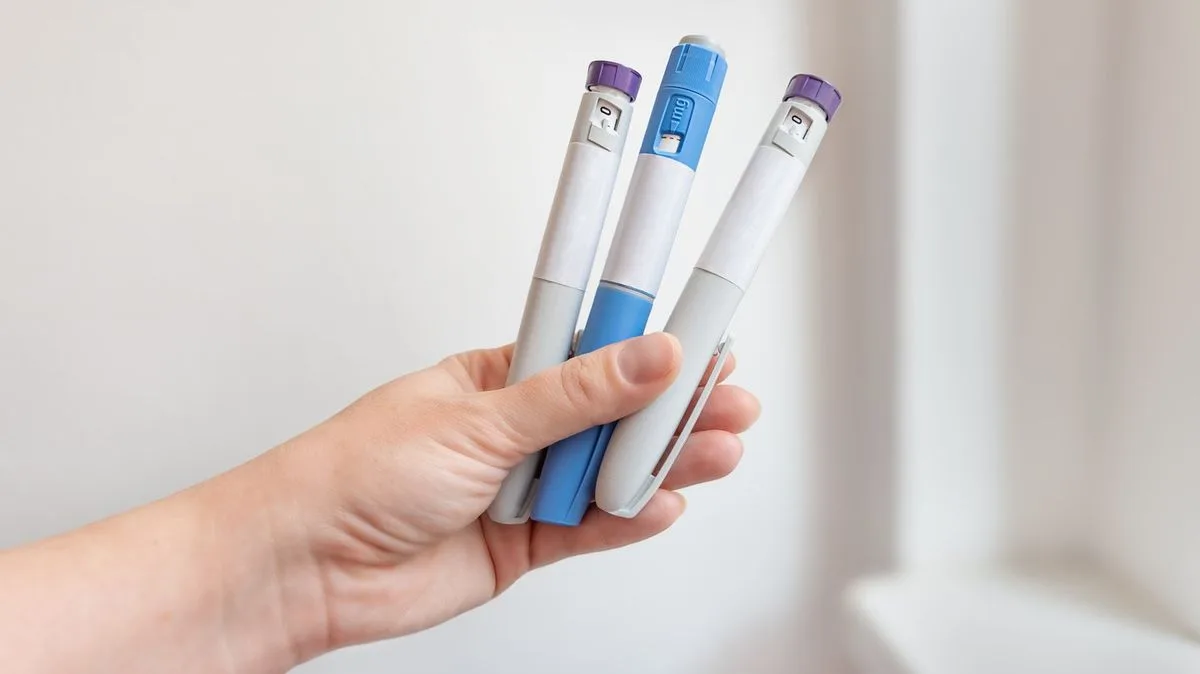
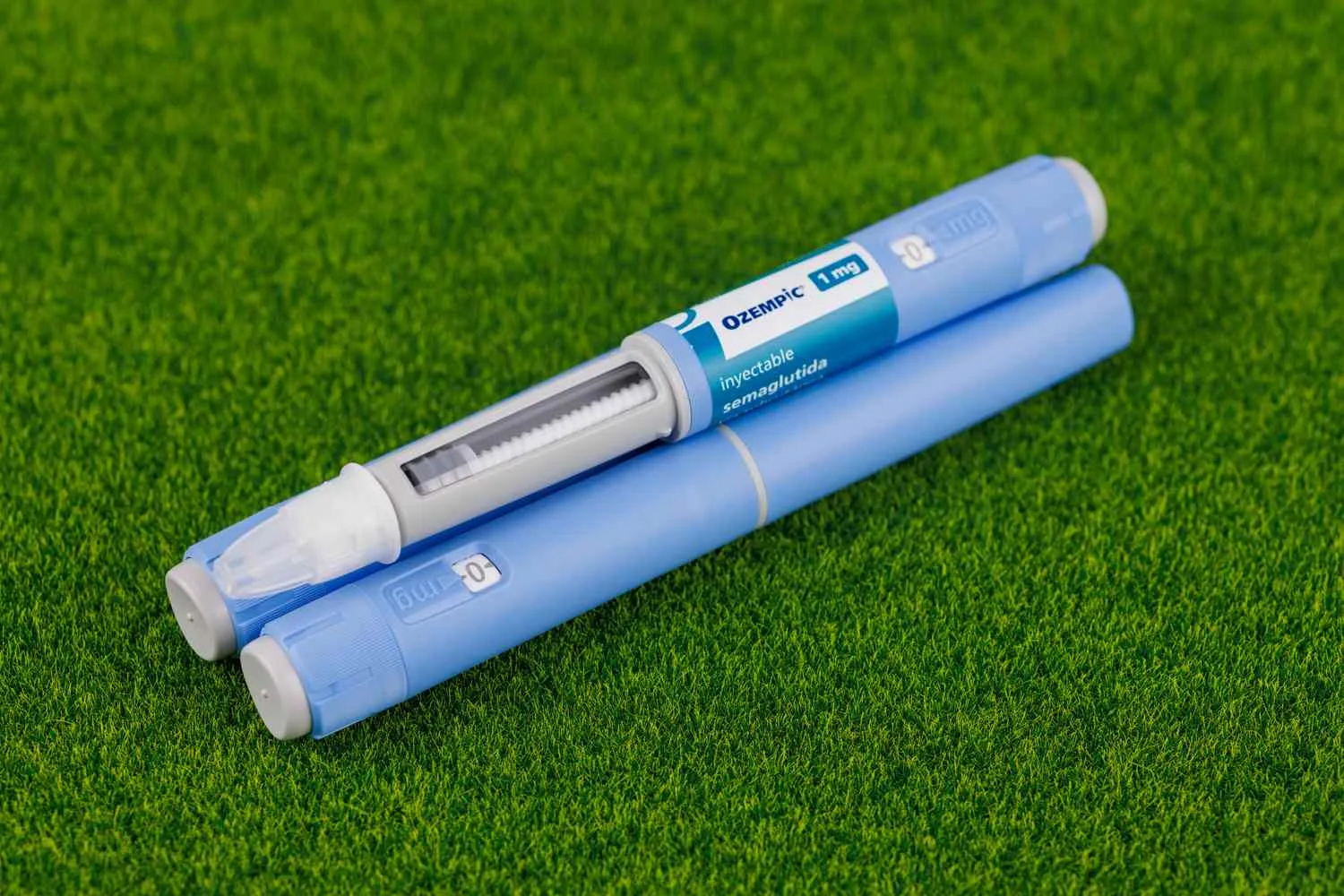
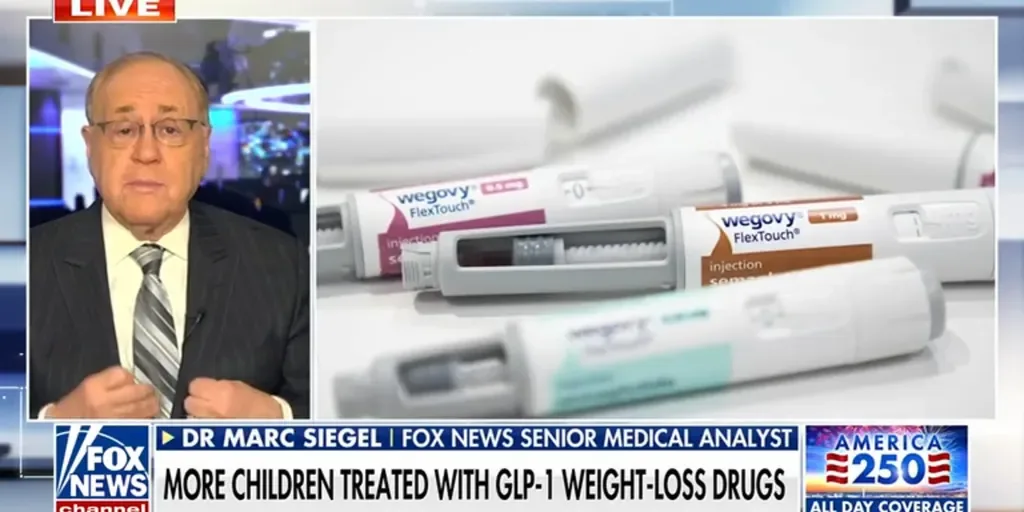
The core driver behind this trend is the widespread adoption of GLP-1 receptor agonists, including popular medications like Ozempic, Wegovy, and Mounjaro. These drugs, which mimic hormones that regulate appetite and blood sugar, are changing the landscape of nutrition. Investors and analysts are now observing that as overall calorie consumption drops, the quality of what remains on the plate is shifting dramatically toward high-protein, functional foods.
For individuals managing their health through peptide therapy or lifestyle changes, understanding this industry shift is vital. It reflects a broader move toward intentional nutrition. At Shotlee, we believe that tracking these changes is just as important as the medication itself. This article explores the financial signals, the nutritional science, and the practical steps you can take to optimize your health during this transition.
Understanding the GLP-1 Mechanism and Market Impact
To grasp why the food industry is reacting this way, one must understand how GLP-1 therapies work. These medications target the glucagon-like peptide-1 receptors in the brain, which are responsible for signaling satiety. When activated, they slow gastric emptying and reduce the drive to eat.
As the demand for these drugs explodes, the food industry is scanning for casualties. However, the reality is more complex than a simple reduction in food sales. The reduction in volume is often offset by an increase in the density and quality of the food consumed.
The Science Behind Appetite Suppression
GLP-1 drugs act on the hypothalamus to make you feel fuller for longer. This biological change forces a recalibration of dietary choices. When hunger cues are dampened, consumers tend to prioritize nutrient-dense foods over energy-dense, low-nutrient snacks. This is why performance nutrition brands are seeing unexpected growth.
Barclays analysts have noted that growth in the first quarter came from volumes rather than pricing, specifically in performance nutrition and health and nutrition. This suggests that consumers are not just eating less, but they are eating smarter. They are making every calorie count, aligning with a philosophy of "less but better."
The Nutritional Shift: Protein and Functional Foods
The most significant trend emerging from this shift is the preference for protein-rich products. When caloric intake is restricted due to medication, the body still requires adequate protein to maintain muscle mass. This creates a unique opportunity for brands like Glanbia, whose flagship Optimum Nutrition brand sits comfortably in this niche.
Why Protein is the New Priority
During weight loss, particularly when aided by semaglutide or tirzepatide, there is a risk of losing lean muscle tissue alongside fat. To mitigate this, individuals are increasingly turning to protein shakes, bars, and supplements. This aligns with the "active lifestyle" products that are driving demand.
Here is how consumer behavior is changing in response to these medications:
- Snacking Habits: Traditional snacking on high-sugar or high-carb items is declining as appetite suppression reduces the urge to graze.
- Meal Composition: Meals are becoming smaller but more protein-focused to maximize satiety and muscle retention.
- Supplement Usage: There is a rise in the use of functional foods designed to support metabolism and energy levels without excess calories.
This shift represents a long-term change in dietary philosophy rather than a temporary trend. As more people manage their weight through peptide therapy, the demand for high-quality protein sources will likely remain robust.
Financial Signals: What Glanbia’s Success Tells Us
Glanbia’s recent stock performance offers a real-world case study of this phenomenon. Shares jumped 9 percent on Wednesday after a strong trading update, reflecting investor confidence in the company’s ability to adapt to the new nutritional landscape.
Precision tracking for your journey
Join thousands using Shotlee to accurately track GLP-1 medications and side effects.
📱 Get the Shotlee App
Track your GLP-1 medications, peptides, and health metrics on the go with our mobile app!
While the earnings beat was partly flattered by promotional demand in January and February—often associated with the "New Year, New You" mindset—the underlying data suggests a structural change. Some investors questioned whether there was a pre-buy effect in advance of April’s price increases. However, Barclays commentary suggests that any pre-buy impact was limited, pointing to a clear underlying beat in demand.
Key Market Indicators
The following table outlines the key factors influencing the market perception of food companies in the age of GLP-1s:
| Factor | Traditional Food Industry | Protein/Functional Focus (e.g., Glanbia) |
|---|---|---|
| Volume Demand | Declining due to appetite suppression | Stable or Growing due to density needs |
| Pricing Power | Pressure from cost of living | Higher due to specialized formulation |
| Consumer Mindset | Convenience and taste | Health outcomes and muscle retention |
| Primary Driver | Volume sales | Performance nutrition and health |
With shares up significantly over the past year, investors are backing Glanbia as a rare food company that might benefit from people eating less. This validates the hypothesis that the "less is more" approach to food is not just a health trend, but a viable business model.
Practical Health Tracking for GLP-1 Users
For individuals navigating this new nutritional landscape, keeping track of your progress is essential. While the market reacts to trends, your personal health journey requires precise data. This is where health tracking becomes a critical component of your treatment plan.
When using medications like semaglutide or tirzepatide, your body’s response can vary. Tracking symptoms, doses, and nutrient intake helps you and your healthcare provider adjust your plan effectively. At Shotlee, we emphasize the importance of holistic data collection.
What to Track During Peptide Therapy
- Medication Adherence: Log your injection dates and doses to ensure consistency.
- Nutrient Intake: Monitor protein and micronutrient levels to prevent deficiencies.
- Symptom Logging: Record any side effects, such as nausea or fatigue, to discuss with your doctor.
- Physical Activity: Track exercise to ensure you are maintaining muscle mass while losing fat.
- Weight and Circumference: Monitor changes in body composition over time.
By digitizing this information, you create a comprehensive health record that goes beyond the scale. It allows for data-driven decisions rather than guesswork.
Future Outlook and Sustainability
While the current data is positive, challenges remain. The upcoming April price increases will serve as a better test of underlying demand. If consumers are truly committed to this high-quality nutrition model, they may absorb price hikes. If not, demand could soften.
Furthermore, the long-term sustainability of weight loss on these medications is a topic of ongoing research. Many users face the challenge of weight regain when discontinuing therapy. This underscores the importance of building sustainable habits, such as prioritizing protein and maintaining an active lifestyle, even after the medication course ends.
As the medical community continues to study the long-term effects of GLP-1 therapies, the food industry will likely continue to pivot. We expect to see more products designed specifically for the nutritional needs of those on peptide therapy, focusing on satiety, muscle preservation, and metabolic health.
Key Takeaways for Your Health Journey
- Focus on Quality: Prioritize protein and nutrient density over volume.
- Track Your Data: Use tools to monitor medication, diet, and symptoms.
- Stay Active: Exercise is crucial to preserve muscle mass during weight loss.
- Monitor Costs: Be aware of price changes in both medication and food.
- Consult Professionals: Always work with a healthcare provider to manage GLP-1 therapies safely.
Conclusion
The rise of GLP-1 therapies is reshaping more than just individual bodies; it is reshaping the entire food ecosystem. As consumers eat less but choose better, the demand for performance nutrition and protein-rich products is surging. For investors, this signals a shift in market dynamics. For patients, it highlights the importance of intentional nutrition.
Whether you are managing your weight with Ozempic, Wegovy, or Mounjaro, remember that the medication is a tool, not a cure-all. Supporting your treatment with high-quality nutrition and diligent health tracking is the key to long-term success. Tools like Shotlee can help you stay organized and informed, ensuring that your journey is as safe and effective as possible.