Introduction: Tackling New Zealand's Obesity Crisis with Wegovy
New Zealand faces a stark reality: it has the third-highest adult obesity rate in the OECD, with over 30% of adults classified as obese. Among adolescents, severe obesity is rising alarmingly, setting the stage for heart disease, type 2 diabetes, and liver complications later in life. Enter Wegovy (semaglutide), a GLP-1 receptor agonist that has transformed weight management globally. Pharmac, New Zealand's Pharmaceutical Management Agency, has provisionally recommended funding it for chronic weight management in people with high BMI and associated conditions. This move could address equity gaps, but questions remain—especially for teenagers.
In this guide, we'll examine the recommendation, expert opinions like those from Professor Wayne Cutfield, clinical evidence for Wegovy in adolescents, mechanisms of action, potential side effects, and the critical role of lifestyle integration. Whether you're a parent, patient, or health professional, understanding these details empowers informed decisions on semaglutide funding New Zealand.
What is Wegovy and How Does It Work?
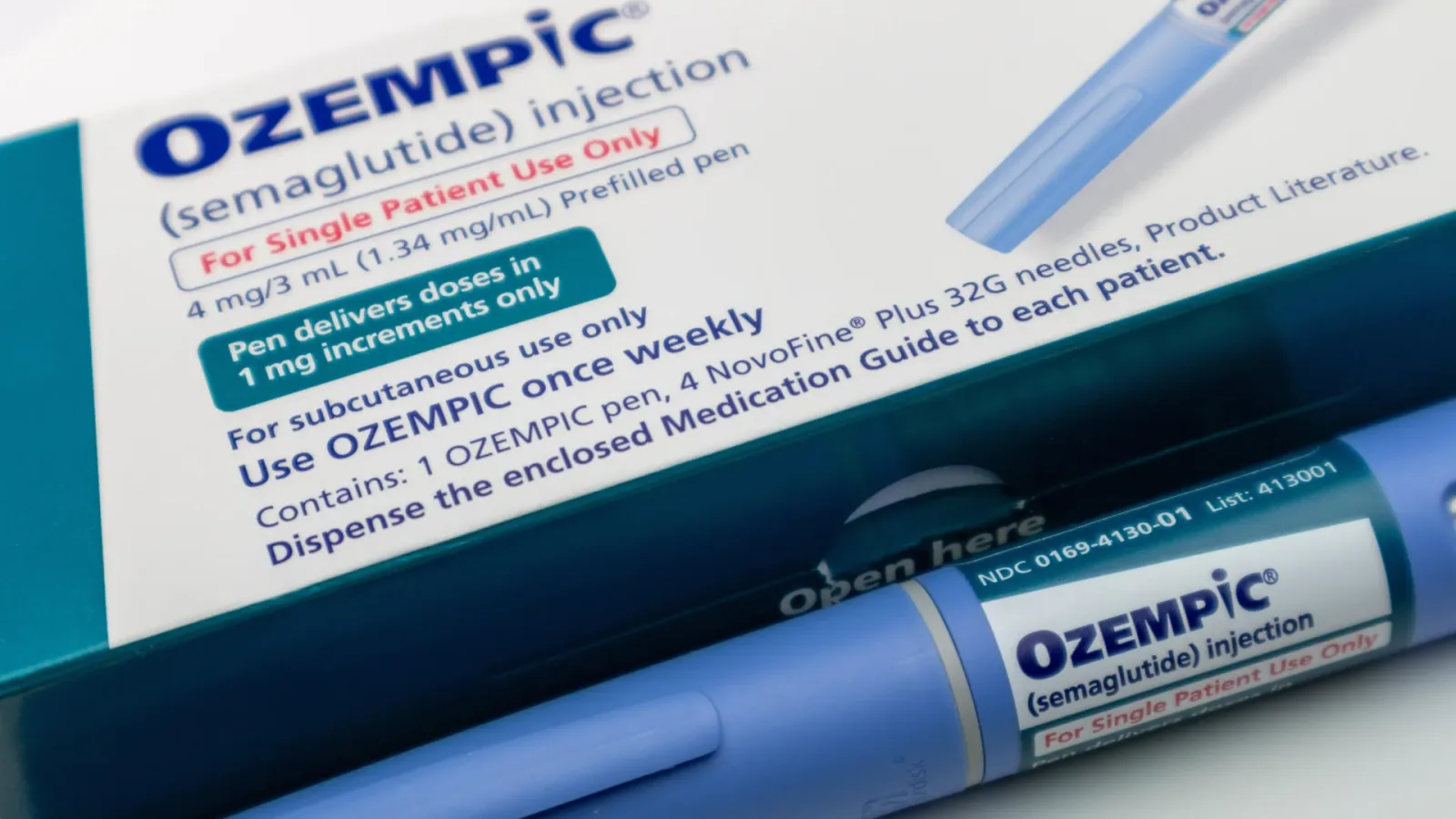
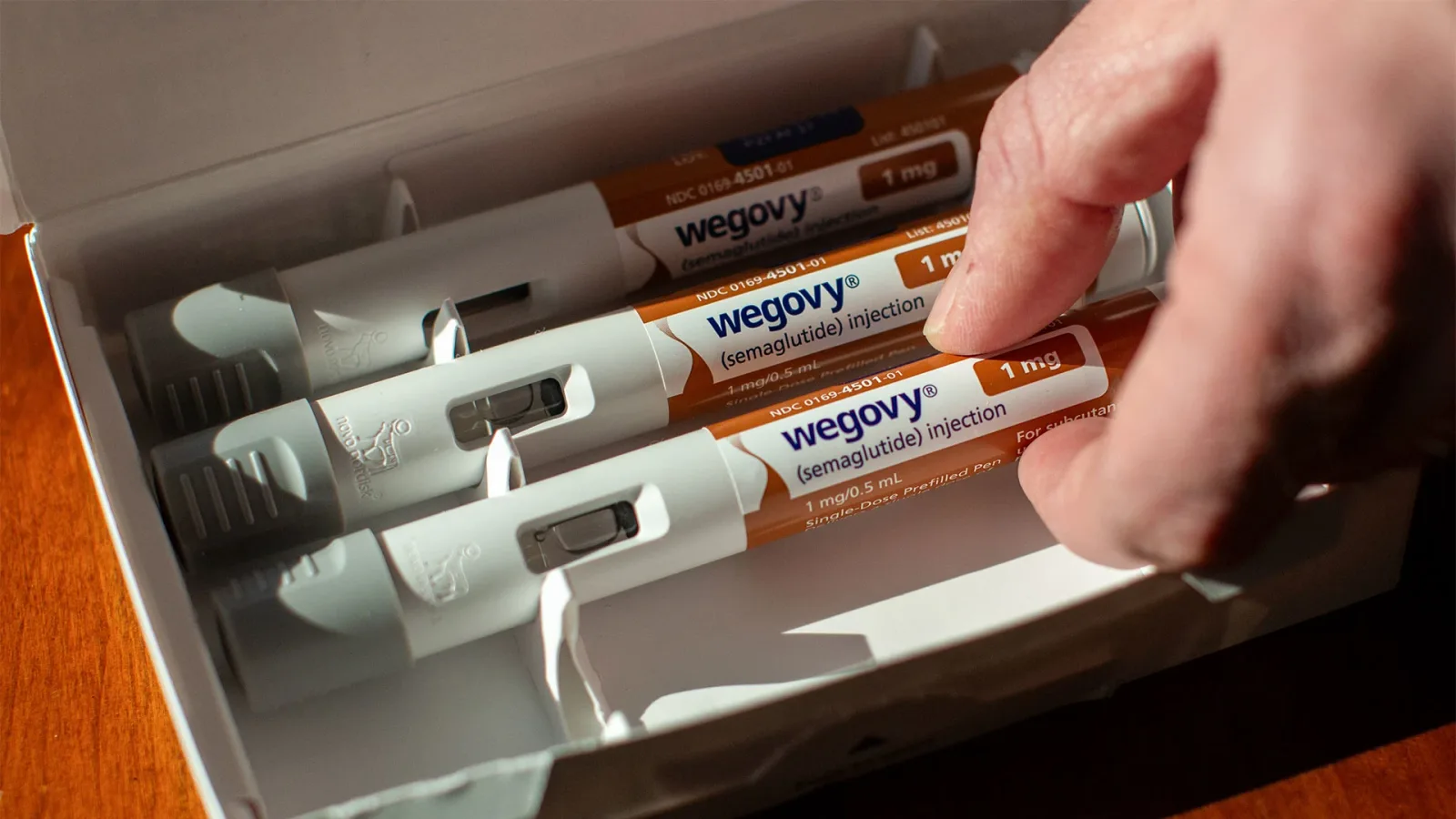
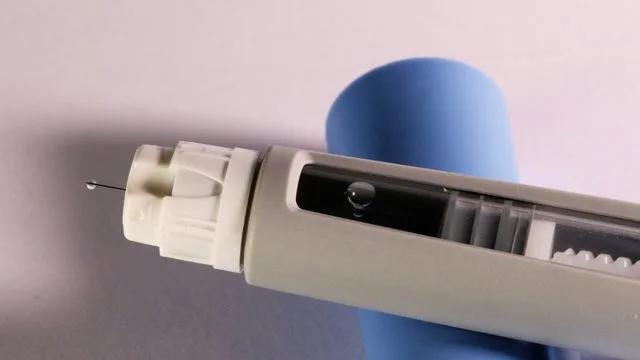
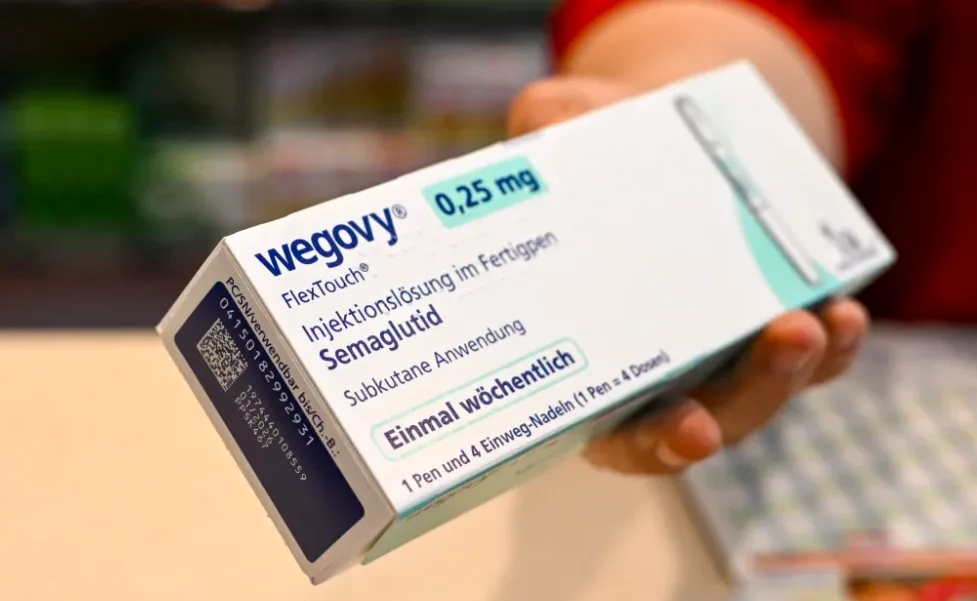
Wegovy is the brand name for semaglutide, a once-weekly injectable GLP-1 (glucagon-like peptide-1) receptor agonist. Originally developed for type 2 diabetes as Ozempic, higher-dose Wegovy targets obesity. It mimics the GLP-1 hormone, which regulates blood sugar, slows gastric emptying, and—crucially—suppresses appetite by signaling fullness to the brain.
Clinical trials like STEP (Semaglutide Treatment Effect in People with obesity) demonstrate profound efficacy. In adults, participants lost 15-20% of body weight over 68 weeks, far surpassing lifestyle interventions alone. For context, a 120kg teen losing 18-24kg could shift from morbid obesity to a healthier trajectory.
Key Mechanism: GLP-1 agonists reduce hunger via hypothalamic signaling, increase satiety, and modestly boost energy expenditure. Real-world data confirms sustained loss with adherence.
Dosing and Access in New Zealand
Wegovy launched in NZ in July 2023 at ~$460/month unsubsidized—prohibitive for most. Pharmac's advisory panel recommends funding under Special Authority criteria, likely targeting BMI ≥30 (or ≥27 with comorbidities like hypertension). Prescribers must justify use, ensuring it's for those failing lifestyle measures.
The Case for Funding Wegovy for Teens
Professor Wayne Cutfield, paediatric endocrinologist at Auckland's Liggins Institute, sees teens weighing 120-150kg in clinic—14-16-year-olds gaining 0.5-1kg monthly. Without intervention, he warns, they'll face "rampant diabetes, heart attacks, strokes, or liver sclerosis by 45." Funding denial, he argues, is "closing the gate after the horse has bolted."
Evidence supports this urgency. The STEP TEENS trial (2022) enrolled 201 adolescents aged 12+ with BMI ≥95th percentile. After 68 weeks, semaglutide users lost 16.1% body weight vs. 0.6% on placebo, with cardiometabolic improvements (e.g., lower triglycerides, better insulin sensitivity). No new safety signals emerged beyond known adult risks.
- BMI Reduction: Greater in teens than adults, likely due to higher baseline metabolic flexibility.
- Comorbidities: 80% had prediabetes; semaglutide reversed this in many.
- Approval Status: FDA approved Wegovy for 12+ in 2022; EMA followed. NZ could align if funded.
Cutfield emphasizes obesity treatment for teenagers fills a void: bariatric surgery requires BMI ≥40 and adult age in NZ, leaving severely obese youth with few options.
Pharmac's Stance and the Funding Process
Pharmac received applications in September (BMI ≥27 + CVD) and October (BMI ≥30 + comorbidity). The Obesity Treatments Advisory Group met in December 2023, issuing provisional recommendations. Full minutes arrive March 2026—yes, 2026, highlighting bureaucratic timelines.
Precision tracking for your journey
Join thousands using Shotlee to accurately track GLP-1 medications and side effects.
📱 Get the Shotlee App
Track your GLP-1 medications, peptides, and health metrics on the go with our mobile app!
Dr. David Hughes notes age isn't typically a funding factor absent strong evidence. Yet Cutfield predicts teen inclusion, citing equity: unsubsidized Wegovy exacerbates disparities, with "enormous" cost savings from averting hospitalizations, lost productivity, and chronic diseases like obstructive sleep apnea.
Cost-Benefit Analysis
At $460/month (~$5,500/year), lifetime use seems daunting. But projections show savings: preventing one diabetes case saves $20,000+ annually in NZ. Long-term modeling from trials suggests 10-15% sustained loss post-discontinuation with habits, offsetting costs.
Challenges and Risks: Beyond the Hype
Wegovy isn't a cure. Real-world data shows rapid regain post-stopping due to appetite rebound—up to 2/3 of loss within a year without changes. Cutfield stresses: "Learn to diet, eat less, be more active" to avoid lifelong dependence.
Common Side Effects and Management
GI issues dominate: nausea (44%), diarrhea (30%), vomiting (24%)—usually dose-titration related (start 0.25mg, up to 2.4mg). Rare risks include pancreatitis, gallbladder disease, thyroid tumors (rodent data; human risk unclear).
- Mitigation: Slow titration, hydration, small meals. Tools like Shotlee can help track symptoms, side effects, and nutrition intake for better adherence.
- Teens-Specific: Growth unaffected in trials; bone density monitored.
Mental health screening is vital—suicidality signals in early semaglutide data prompted scrutiny, though causal links are unproven.
Integrating Lifestyle: The Sustainable Path
Medications amplify, not replace, habits. NZ guidelines (MO HEA 2020) prioritize diet (energy deficit 500-1000kcal/day), exercise (150min/week moderate), behavior therapy. For teens, family-based interventions boost success 2-3x.
Post-Wegovy, transition plans are key: gradual taper, nutrition counseling. Apps like Shotlee aid by logging progress, fostering accountability.
Comparative Context: Wegovy vs. Alternatives
Vs. Mounjaro/Zepbound (tirzepatide, dual GLP-1/GIP): similar efficacy, but Wegovy has teen data. Vs. older drugs (orlistat): inferior loss (5-10%). Bariatrics: superior but invasive.
Conclusion: A Pivotal Moment for NZ Weight Management
Pharmac's Wegovy recommendation offers hope amid NZ's obesity epidemic, potentially including teens to halt trajectories of severe disease. Backed by trials showing 16%+ loss and comorbidity reversal, it promises equity—if paired with lifestyle overhaul. Patients, consult endocrinologists; track via apps like Shotlee. Stay tuned for March 2026 updates. Early access could prevent crises, but success hinges on holistic care—not pills alone.