
The Scent of Change: A New Hobby Emerges with GLP-1 Therapy
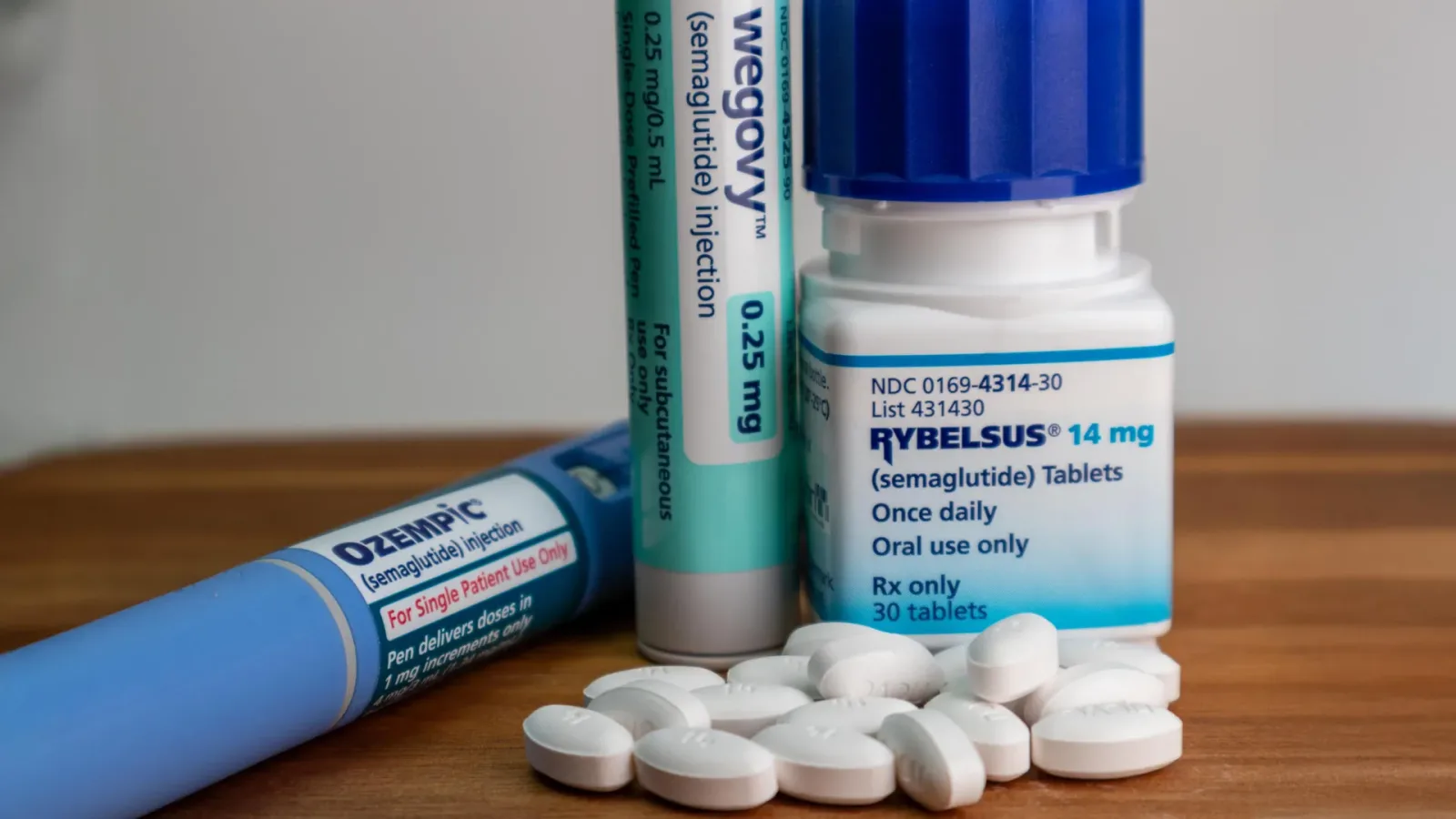
For many, the journey with GLP-1 medications like Ozempic, Wegovy, Mounjaro, and Zepbound is primarily focused on achieving significant weight loss and improving metabolic health. However, an intriguing and often costly side effect has begun to surface among users: an overwhelming fascination with perfume. This newfound passion, affectionately nicknamed "Ozempic smell" on platforms like Reddit, sees individuals developing an intense craving for fragrances, particularly those with sweet, dessert-like notes.
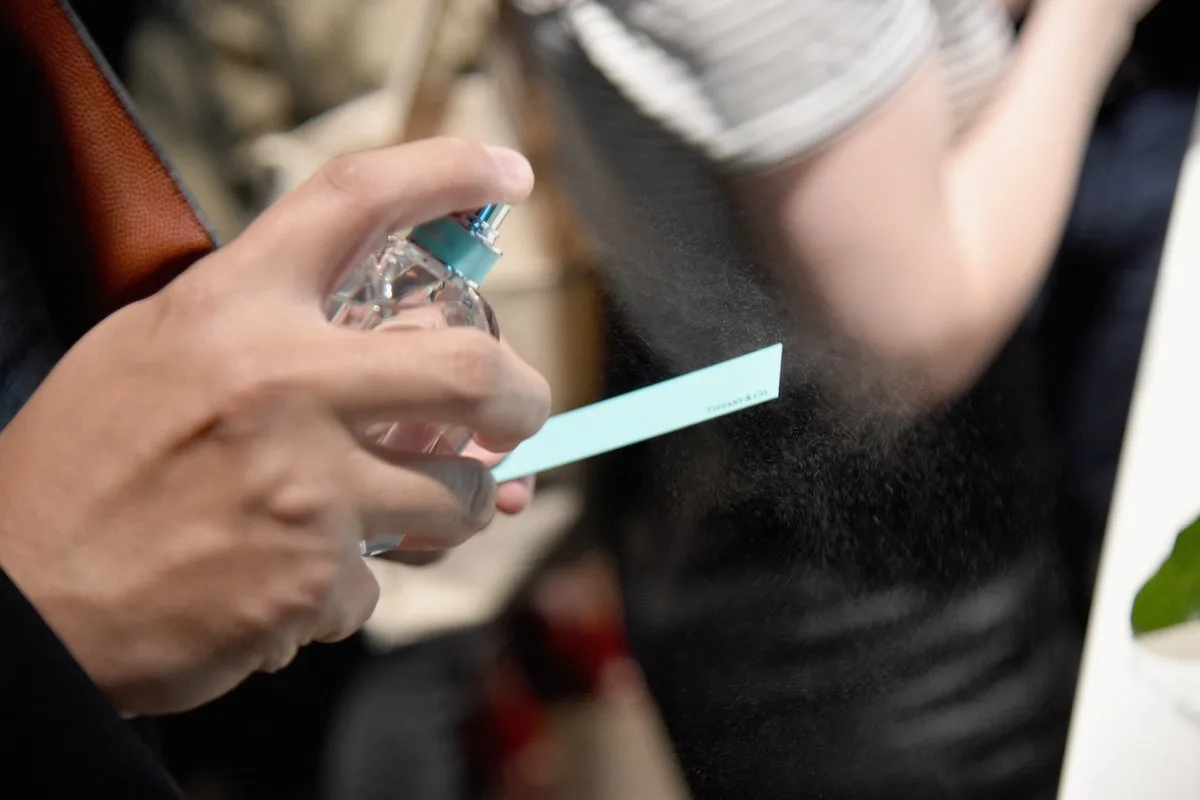
This phenomenon goes beyond a casual interest. Users report an almost obsessive desire to discover, collect, and wear a wide array of scents, leading to substantial spending on perfumes that were previously outside their olfactory radar. What was once a mild appreciation for fragrance has, for some, escalated into a full-blown hobby, complete with extensive collections and a deep dive into the world of perfumery.
From Mild Interest to Obsessive Collection: User Experiences
Katie, a 46-year-old teacher, exemplifies this shift. After starting Zepbound in March 2024, her long-standing, albeit mild, interest in fragrance amplified dramatically. "I was always mildly into fragrance, but it increased by a factor of a thousand," she shared. This surge in interest led her to explore niche fragrance houses and order numerous samples, transforming her collection from a handful of designer scents to over 50 full bottles.
Her experience is echoed by countless others on Reddit, where users share their growing perfume libraries and seek recommendations. One user noted, "I started taking a GLP-1 last May and I've gone from owning two perfumes to 24, and that doesn't include my travel sizes and decants. I'm also a total gourmand girl, I just want to smell like a bakery all the time lol." Another user, Odd-Guarantee-7571, stated, "I've always been into scents... but it became obsessive when I started Zepbound. I want to smell everything, from soap to dog shampoo--as long as it's fragranced I'm gonna smell it."
The financial implications are also significant. Katie estimates she has spent around $3,000 on perfume in the last two years. This suggests that while the GLP-1 drugs are effective for weight management, they can also introduce an unexpected and considerable expense.
The Appeal of Gourmand and Sweet Scents
A common thread among these new perfume enthusiasts is a preference for gourmand, sweet, and dessert-like fragrances. This aligns with the idea that the drugs might be influencing the brain's pleasure centers associated with food and scent. As one user put it, "I can smell a gourmand, sweet fragrance and enjoy it without getting ravenously hungry. This has opened up my world of fragrances significantly." This suggests a potential decoupling of scent enjoyment from the immediate urge to consume, a welcome development for those managing appetite.
Unpacking the Science: Why Are GLP-1 Drugs Affecting Smell?
Experts suggest that the GLP-1 receptor agonists, the class of drugs that includes semaglutide (Ozempic, Wegovy) and tirzepatide (Mounjaro, Zepbound), may be influencing our sense of smell through several mechanisms:
Precision tracking for your journey
Join thousands using Shotlee to accurately track GLP-1 medications and side effects.
📱 Get the Shotlee App
Track your GLP-1 medications, peptides, and health metrics on the go with our mobile app!
- Olfactory Bulb Interaction: GLP-1 receptors are found on mitral cells, which are the primary output neurons of the olfactory bulb. These cells transmit smell signals to the brain. Drugs that affect appetite regulation might also be interacting with the very tissue responsible for processing odors.
- Brain Chemistry Modulation: Research indicates that GLP-1 drugs can alter brain chemistry, including pathways related to nausea and appetite. It's plausible that these same pathways could influence odor perception and our responses to smells.
- Internal State Influence: Our sense of smell is highly sensitive to our internal physiological state. For instance, we are often more attuned to scents when hungry and less so when full. As GLP-1 medications profoundly alter metabolic states, it's not entirely surprising that they could also impact olfactory sensitivity and pleasure.
Leslie Kay, a professor of psychology and neuroscience at the University of Chicago, explained that these drugs could be engaging the olfactory pleasure circuits and feelings of satisfaction, "hijacking them for non-real food smells, like gourmand and other types of perfumes." This suggests a fascinating interplay where the brain's reward system, normally triggered by food, is being activated by pleasant fragrances instead.
A Deeper Dive into the Science Behind Scent and GLP-1s
Paule Joseph, a Senior Investigator at the National Institutes of Health, elaborated on the direct interaction of GLP-1 receptors with olfactory processing. "GLP-1 receptors sit on mitral cells, the main output neurons of the olfactory bulb that carry the smell signal onward to the brain, so a drug that reshapes appetite is also acting on the tissue that processes odor," she stated.
Hiroaki Matsunami, a professor at Duke University School of Medicine, proposed that the effects are rooted in the brain rather than the nose itself. He noted that GLP-1 drugs influence nerve cells, including those associated with nausea, making it logical that they could also impact how we perceive and react to odors. "It is not too surprising that it could also influence odor perception or odor-associated responses," Matsunami commented.
Catherine Dulac, a professor at Harvard University, highlighted the strong connection between our internal states and our sense of smell. "The sense of smell is highly affected by our internal states," she said. "Because GLP1 affects so much the organism metabolic state, in ways that we do and do not understand, this is not extremely surprising." This underscores the complex and interconnected nature of our physiology, where interventions in one area can have unforeseen effects in others.
Navigating the New Hobby: Practical Considerations
While this perfume obsession isn't listed as a formal side effect in clinical trials, it appears to be a widespread phenomenon among GLP-1 users. For individuals like Katie, the experience has been largely positive, fostering a deeper appreciation for the art and science of perfumery. "I've learned so much, and am fascinated by the whole process -- the artistic side of the creation of a scent, but also the sourcing of ingredients, the creation of new aromachemical molecules and the industry as a whole," she shared.
For those experiencing this, managing the hobby might involve:
- Budgeting: Be mindful of the financial commitment. Setting a budget for new fragrances can prevent overspending.
- Sampling: Utilize sample services or decants before purchasing full bottles to explore scents without extensive financial outlay.
- Tracking: Using tools like the Shotlee app can help users track their medication doses, potential side effects, and even their spending on new hobbies, providing a holistic view of their health journey.
Conclusion: A Multifaceted Impact of GLP-1s
The emergence of a widespread perfume obsession among GLP-1 users highlights the complex and sometimes unexpected ways these powerful medications interact with our bodies and minds. Beyond their primary role in weight management and metabolic health, these drugs are proving to have a profound impact on sensory perception and personal interests. While this "Ozempic smell" phenomenon may come with a price tag, for many, it has opened up a new world of sensory pleasure and artistic appreciation, adding an unexpected layer of richness to their health journey.
Frequently Asked Questions
| Question | Answer |
|---|---|
| What is the "Ozempic smell" phenomenon? | The "Ozempic smell" refers to a reported increase in sensitivity and fascination with perfumes, particularly sweet and gourmand scents, among individuals taking GLP-1 medications like Ozempic, Wegovy, Mounjaro, and Zepbound. |
| Why does this perfume obsession happen with GLP-1 drugs? | Experts suggest that GLP-1 medications may interact with olfactory processing centers in the brain, potentially engaging pleasure circuits related to scent in a similar way they regulate appetite and satisfaction. |
| Are there specific types of perfumes that GLP-1 users tend to prefer? | Many users report a strong preference for gourmand, sweet, dessert-like, or spicy vanilla fragrances. Some find they can enjoy these scents without triggering intense hunger, which was previously a concern. |
| Is this a common or officially recognized side effect of GLP-1 medications? | While not a formally listed side effect in clinical trials, it's a widely reported phenomenon among users on platforms like Reddit. It seems to be a more subjective and emergent effect rather than a universally documented one. |
| Does this perfume interest stop if you go off the medication? | Reports suggest that the interest in fragrance may persist even after discontinuing the medication, as seen in Katie's case, indicating a potentially lasting shift in sensory perception or established habit. |