
Shotlee LogoShotlee
Blog
Download on theApp Store
Get it onGoogle Play
Skip to main content
Beyond Weight Loss: GLP-1 Drugs Spark a Perfume Obsession - Featured image
Health & Wellness

Beyond Weight Loss: GLP-1 Drugs Spark a Perfume Obsession

Dr. Adrian Vale, MD
Reviewed by Dr. Adrian Vale, MDInternal Medicine · Board-Certified Obesity Medicine
·May 24, 2026·7 min read

On this page

  • The Unexpected Allure: GLP-1s and a Surge in Fragrance Fandom
  • From Mild Interest to a Thousandfold Fascination
  • Expert Insights: Why the Nose Knows More
  • Practical Considerations and Lasting Effects
  • Conclusion: A Symphony of Scent and Science
  • Reddit's "Ozempic Smell" Community
  • The Olfactory Bulb Connection
  • Brain Chemistry and Internal States

Track Smart

Calculate active GLP-1 levels automatically with Shotlee.

Download →

Many users of GLP-1 medications are reporting an unexpected and costly side effect: a profound fascination with perfume. This article delves into the phenomenon, exploring user experiences and expert theories.

Share

On this page

  • The Unexpected Allure: GLP-1s and a Surge in Fragrance Fandom
  • From Mild Interest to a Thousandfold Fascination
  • Expert Insights: Why the Nose Knows More
  • Practical Considerations and Lasting Effects
  • Conclusion: A Symphony of Scent and Science
  • Reddit's "Ozempic Smell" Community
  • The Olfactory Bulb Connection
  • Brain Chemistry and Internal States

The Unexpected Allure: GLP-1s and a Surge in Fragrance Fandom

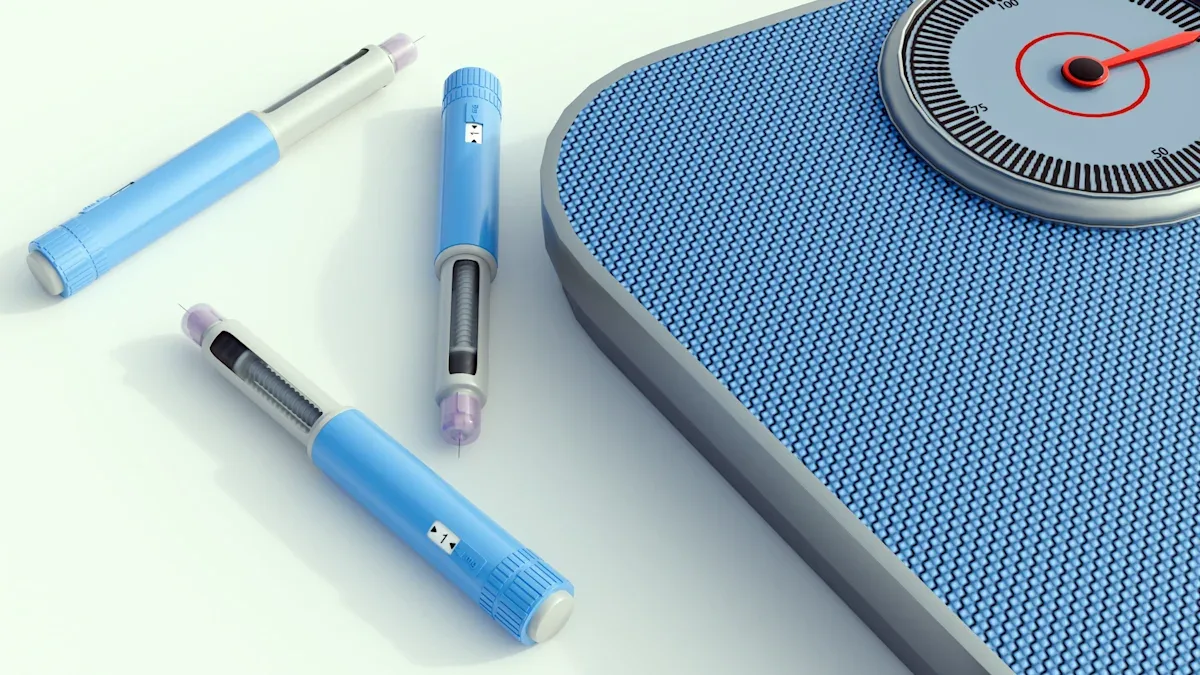
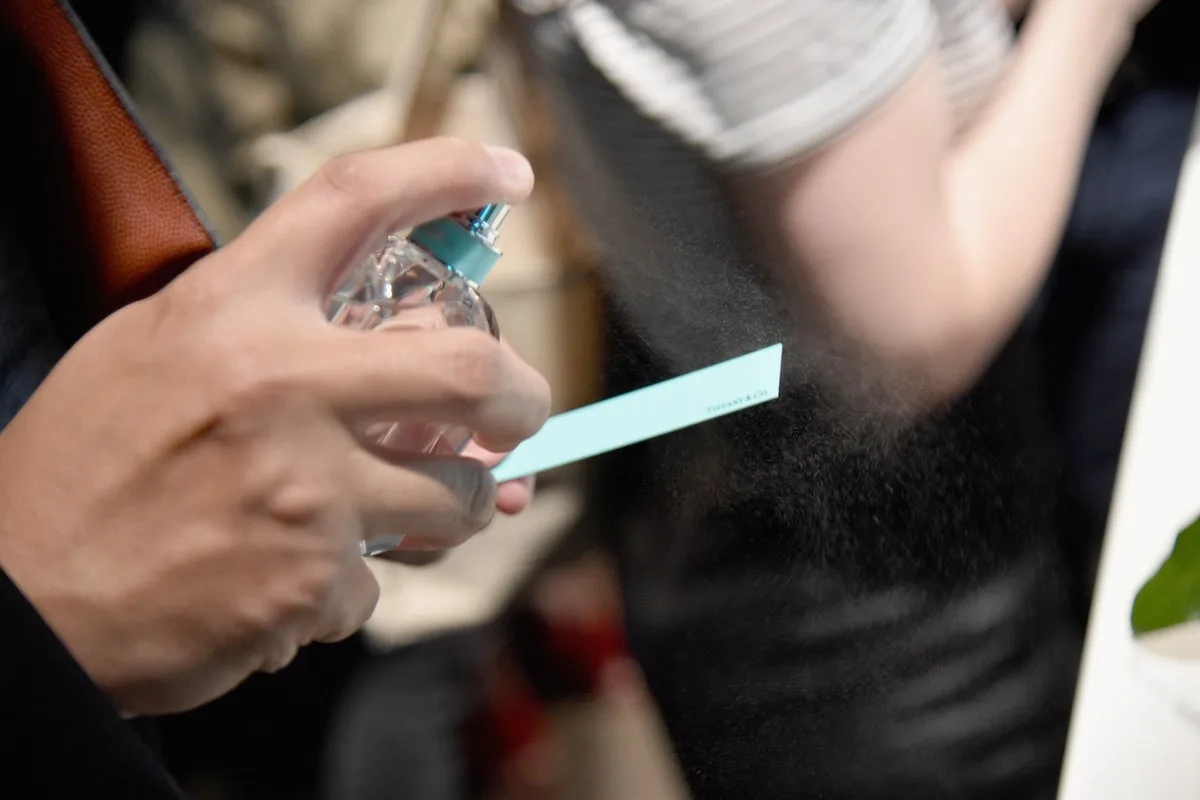
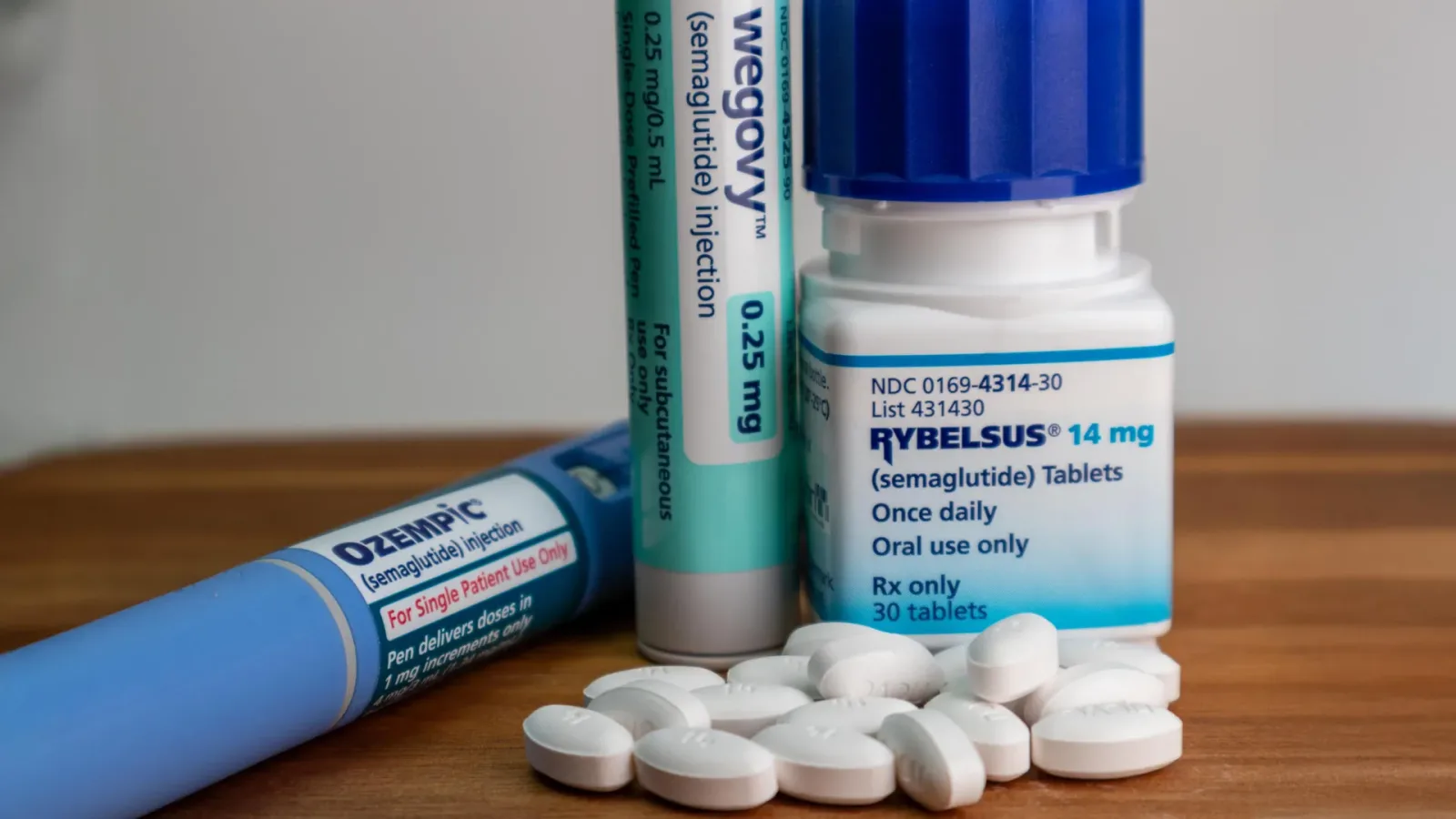
For many, the journey with GLP-1 medications like Ozempic, Wegovy, Mounjaro, and Zepbound is primarily focused on weight management and improving metabolic health. However, a growing number of individuals are discovering an entirely unanticipated, and at times expensive, side effect: a burgeoning obsession with perfume. This phenomenon, affectionately nicknamed "Ozempic smell" on platforms like Reddit, sees users developing an intense craving for fragrances, particularly those with sweet, dessert-like notes.

What begins as a mild interest can rapidly escalate into an extensive collection of fragrances. Users report going from owning a few staple scents to amassing dozens of bottles, often from niche perfumers, and spending significant sums of money. This newfound passion isn't just about accumulating bottles; it's about a deeper engagement with scent, an exploration of olfactory notes, and a surprising satisfaction derived from these aromatic experiences.

From Mild Interest to a Thousandfold Fascination

Katie, a 46-year-old teacher, exemplifies this trend. After starting Zepbound in March 2024, following a medically necessary hysterectomy, her long-standing, mild interest in fragrance amplified dramatically. "I was always mildly into fragrance, but it increased by a factor of a thousand," she shared. This heightened sensitivity led her to explore a wider world of scents, ordering samples from specialized online retailers to expand her collection beyond the typical designer offerings found in department stores.

Her collection has since blossomed from a handful of designer fragrances to over 50 full bottles, many from independent niche houses. This journey has not only been about acquiring scents but also about discovering preferences. Katie now gravitates towards fragrances that are sweet but not overwhelmingly edible, favoring notes like woody or spicy vanillas, and musks with a subtle sweetness. Her current favorite, Byredo's Alto Astral, a blend of coconut water and incense, retails for a considerable $330, illustrating the financial commitment some users are making.

Reddit's "Ozempic Smell" Community

Online forums, particularly Reddit, have become hubs for individuals discussing this shared experience. Users exchange perfume recommendations, share photos of their growing collections, and commiserate about the unexpected financial outlay. The common thread is a heightened enjoyment of scents, especially those reminiscent of food or dessert – the "gourmand" category. One user described their transformation: "I started taking a GLP-1 last May and I've gone from owning two perfumes to 24, and that doesn't include my travel sizes and decants. I'm also a total gourmand girl, I just want to smell like a bakery all the time lol."

Another user, Odd-Guarantee-7571, noted, "I've always been into scents... but it became obsessive when I started Zepbound. I want to smell everything, from soap to dog shampoo—as long as it's fragranced I'm gonna smell it." This intense sensory engagement is particularly interesting because, as some users report, the enjoyment of these scents doesn't necessarily trigger the intense hunger that food-related smells might have previously induced. "I can smell a gourmand, sweet fragrance and enjoy it without getting ravenously hungry," one user explained. "This has opened up my world of fragrances significantly." This suggests a potential decoupling of scent pleasure from food cravings.

Expert Insights: Why the Nose Knows More

The scientific community is beginning to explore the mechanisms behind this peculiar phenomenon. Experts suggest that GLP-1 medications, known for their role in appetite regulation, may also be influencing the brain's olfactory processing centers.

The Olfactory Bulb Connection

Leslie Kay, a professor of psychology and neuroscience at the University of Chicago, posits that these drugs can heighten the brain's sensitivity to smells, particularly food-related ones. "The drugs could help engage the olfactory pleasure circuits and feelings of satisfaction, hijacking them for non-real food smells, like gourmand and other types of perfumes," she explained. This suggests that the pleasure derived from smelling a perfume might be activating similar reward pathways in the brain as those associated with food, but without the associated hunger cues.

Precision tracking for your journey

Join thousands using Shotlee to accurately track GLP-1 medications and side effects.

📱 Get the Shotlee App

Track your GLP-1 medications, peptides, and health metrics on the go with our mobile app!

Download on theApp Store
Get it onGoogle Play

Dr. Paule Joseph, a Senior Investigator at the National Institutes of Health, points to the direct presence of GLP-1 receptors on mitral cells. These cells are crucial output neurons of the olfactory bulb, responsible for relaying smell signals to the brain. "GLP-1 receptors sit on mitral cells, the main output neurons of the olfactory bulb that carry the smell signal onward to the brain, so a drug that reshapes appetite is also acting on the tissue that processes odor," she stated. This anatomical link provides a strong biological basis for how GLP-1s could influence our sense of smell.

Brain Chemistry and Internal States

Hiroaki Matsunami, a professor at Duke University School of Medicine, theorizes that the effect is primarily occurring within the brain's neural pathways, rather than the nose itself. He notes that GLP-1 drugs impact various nerve cells, including those involved in the sensation of nausea, making it plausible that they could also alter odor perception and our responses to smells. "It is not too surprising that it could also influence odor perception or odor-associated responses," Matsunami commented.

Furthermore, our internal physiological state significantly influences our sense of smell. Catherine Dulac, a professor at Harvard University, highlights that sensitivity to odors can fluctuate based on factors like hunger and fullness. "The sense of smell is highly affected by our internal states," she explained. "Because GLP1 affects so much the organism metabolic state, in ways that we do and do not understand, this is not extremely surprising." The profound impact of GLP-1s on metabolism could therefore indirectly, or directly, reshape how we perceive and react to scents.

Practical Considerations and Lasting Effects

While this olfactory enhancement is not typically listed as a formal side effect in clinical trials, its impact on users' lives and wallets is undeniable. For individuals like Katie, this unexpected consequence has been a positive one, leading to a deeper appreciation for the art and science of perfumery. Even after discontinuing Zepbound for a period, her fascination with fragrance persisted, suggesting a potentially lasting shift in her sensory experience.

For those managing their health with GLP-1 medications, this phenomenon presents a unique aspect of their treatment journey. While it might lead to increased spending on fragrances, it also offers a novel avenue for pleasure and self-expression. For users tracking their progress, doses, and any emerging symptoms or sensations, tools like Shotlee can be invaluable in documenting these evolving experiences and understanding their personal journey with these medications.

Conclusion: A Symphony of Scent and Science

The emergence of a perfume obsession among GLP-1 medication users is a fascinating testament to the complex interplay between our bodies, brains, and senses. What began as a tool for metabolic health has, for some, unlocked a new appreciation for the world of fragrance. As research continues to unravel the intricate mechanisms at play, this peculiar side effect serves as a reminder that the journey of health and well-being can often lead to unexpected and delightful discoveries.

Key Takeaways:

  • GLP-1 medications may trigger an increased interest in and enjoyment of perfumes, particularly gourmand scents.
  • Users report developing extensive perfume collections and spending significant amounts of money on fragrances.
  • Experts suggest this phenomenon may be linked to GLP-1s affecting the brain's olfactory pleasure circuits and metabolic state.
  • This effect is not a commonly reported clinical side effect but is a notable user-reported experience.
  • Tracking doses, symptoms, and new sensory experiences can be helpful for individuals on GLP-1 therapy.

?Frequently Asked Questions

Why are people on GLP-1 drugs suddenly obsessed with perfume?

Experts believe GLP-1 medications may enhance the brain's sensitivity to smells, particularly pleasant ones like those found in perfumes. This could be due to GLP-1 receptors being present in the olfactory bulb and the drugs influencing the brain's reward and satisfaction pathways, potentially decoupling scent pleasure from food cravings.

Is this 'perfume obsession' a common side effect of GLP-1 medications?

While not a formally recognized clinical side effect in trials, it's a widely reported phenomenon among users of GLP-1 medications like Ozempic, Wegovy, Mounjaro, and Zepbound. It's often discussed in online communities dedicated to these drugs.

What kind of perfumes do people on GLP-1s tend to prefer?

Many users report a strong preference for 'gourmand' fragrances, which are scents reminiscent of desserts and sweet foods like vanilla, cinnamon, and caramel. However, some also enjoy woody, spicy, or musky scents with sweet undertones.

Does this perfume interest go away if I stop taking the GLP-1 medication?

Anecdotal evidence suggests that the heightened interest in fragrance may persist even after discontinuing the medication for some individuals, indicating a potentially lasting shift in sensory perception or learned behavior.

Can tracking my experiences with GLP-1s help me understand this perfume interest?

Yes, using a health tracking app like Shotlee can help you document when you started the medication, your fragrance purchases, the types of scents you enjoy, and any other sensory changes. This data can provide valuable personal insights into how the medication is affecting you.

Source Information

Originally published by Yahoo!.Read the original article →

Read next

Keep exploring

More on Ozempic

Articles covering Ozempic dosing, side effects, and clinical updates.

Beyond Appetite: How GLP-1 Drugs May Be Rewiring the Human Brain
Health & Science

Beyond Appetite: How GLP-1 Drugs May Be Rewiring the Human Brain

GLP-1 receptor agonists, initially celebrated for revolutionizing diabetes and weight management, are now at the center of an unplanned, massive neuroscience experiment. Emerging data suggests these powerful medications are doing more than just regulating metabolism; they appear to be structurally and functionally altering key brain systems.

7 min read
The New Era of Nutrition: How GLP-1 Drugs Are Reshaping the Food Industry
Health & Wellness Technology

The New Era of Nutrition: How GLP-1 Drugs Are Reshaping the Food Industry

The rapid adoption of GLP-1 agonists like Ozempic and Wegovy is forcing a profound realignment in the food and beverage industry. Initial hopes that users would eventually return to old habits have faded, replaced by a strategic pivot toward 'companion nutrition' tailored to the specific, evolving needs of individuals managing weight and metabolic health.

6 min read
Retatrutide's Rapid Weight Loss: Balancing Benefits and Risks
Health & Wellness

Retatrutide's Rapid Weight Loss: Balancing Benefits and Risks

New-generation GLP-1 drugs like retatrutide promise unprecedented weight loss, but what are the implications for your body's composition and overall health? This article delves into the science, risks, and strategies for navigating rapid weight reduction.

8 min read

Same topic: Medications

All Medications articles →
Beyond BMI: Why Mounjaro Eligibility is More Complex Than You Think
Health & Wellness

Beyond BMI: Why Mounjaro Eligibility is More Complex Than You Think

Many assume BMI is the sole determinant for Mounjaro prescriptions, but the reality is far more nuanced. This article explores the comprehensive health criteria healthcare providers use to ensure safe and effective treatment.

6 min read
Beyond Nausea: Unpacking the Unexpected Side Effects of GLP-1s
Health & Wellness

Beyond Nausea: Unpacking the Unexpected Side Effects of GLP-1s

While GLP-1 medications have revolutionized weight loss and diabetes management, their powerful effects can lead to surprising side effects beyond the commonly known nausea and digestive issues. This article delves into these less-discussed risks, from dental health concerns to serious gastrointestinal complications, and offers practical advice for patients and healthcare providers.

9 min read
GLP-1 Weight Loss Drugs: Understanding Ozempic, Wegovy, and Mounjaro
Health & Wellness

GLP-1 Weight Loss Drugs: Understanding Ozempic, Wegovy, and Mounjaro

Social media discussions often bring up medications like Ozempic and Mounjaro in relation to weight loss. This article delves into the science behind GLP-1 agonists, their approved uses, and the importance of informed medical guidance.

7 min read

More in Health & Wellness

Beyond Weight Loss: GLP-1 Drugs Spark a Surprising Perfume Obsession
Health & Wellness

Beyond Weight Loss: GLP-1 Drugs Spark a Surprising Perfume Obsession

Users of popular GLP-1 weight loss drugs are reporting a peculiar side effect: an intense new passion for perfumes, particularly sweet and gourmand scents. This phenomenon, nicknamed 'Ozempic smell,' is transforming wardrobes and wallets.

7 min read
Ozempic, Wegovy & Mounjaro: AI Uncovers New Patient-Reported Side Effects
Health & Wellness

Ozempic, Wegovy & Mounjaro: AI Uncovers New Patient-Reported Side Effects

New research leverages AI to sift through vast online discussions, identifying patient-reported side effects of popular GLP-1 medications that may not be fully captured in clinical trials.

7 min read
Ozempic, Mounjaro & More: AI Uncovers Hidden GLP-1 Side Effects
Health & Wellness

Ozempic, Mounjaro & More: AI Uncovers Hidden GLP-1 Side Effects

Popular GLP-1 medications such as semaglutide and tirzepatide are revolutionizing weight loss and diabetes management. A groundbreaking study using AI to analyze over 400,000 Reddit posts has shed light on potential side effects that may not be fully captured in traditional clinical trials, offering valuable insights for patients and healthcare providers.

7 min read
Share this article
  1. Home
  2. Blog
  3. Beyond Weight Loss: GLP-1 Drugs Spark a Perfume Obsession
Dr. Adrian Vale, MD — Internal Medicine · Board-Certified Obesity Medicine
Medically reviewed

Dr. Adrian Vale, MD

Internal Medicine · Board-Certified Obesity Medicine

Dr. Adrian Vale is a board-certified internal medicine physician with a clinical focus on obesity medicine and metabolic health. He reviews Shotlee guides and articles on GLP-1 medications, peptide therapy, and weight-management protocols for clinical accuracy.

View all articles reviewed by Dr. Adrian Vale, MD
Shotlee LogoShotlee

Your comprehensive health tracking companion. Track, analyze, and optimize your journey with advanced metrics and community support.

Product

  • Medication Trackers
  • Health Guides
  • Calculators
  • Compare Medications
  • Pricing

Resources

  • Health Blog
  • Support Center

Legal

  • Privacy Policy
  • Terms of Service
  • Community Guidelines
  • Refund Policy

© 2026 Shotlee. All rights reserved.

Made with for the community♥ for the community