Introduction
Semax (Met-Glu-His-Phe-Pro-Gly-Pro) represents a synthetic heptapeptide derived from a portion of adrenocorticotropic hormone (ACTH(4-7)) combined with the tripeptide Pro-Gly-Pro (PGP). Studies indicate that this
peptide may exhibit neuroregulatory, neuroprotective, and immunomodulating properties across numerous research models. This review explores the peptide's biochemical attributes, its potential influence on gene expression, interactions within neurotransmitter systems, vascular regulation, metal binding capabilities, and its application in investigating ischemia-reperfusion damage.
Semax, a synthetic analog of ACTH(4-7) with PGP added to the C-terminus, functions independently of classical endocrine hormonal activity. Nevertheless, within research settings, this peptide has been linked to modulating diverse molecular signaling pathways, gene expression networks, and neurotransmitter systems. Research focused on the peptide's mechanisms has the potential to uncover innovative approaches for safeguarding and repairing neural tissue, especially under conditions of stress or trauma. The purpose of this article is to consolidate current knowledge regarding Semax and to consider potential research applications without making unsubstantiated claims about experimental use.
Molecular Structure and Biochemical Features
The sequence Met-Glu-His-Phe-Pro-Gly-Pro provides Semax with a dual nature. The ACTH fragment is believed to affect melanocortin-related signaling, while the PGP motif seems to provide resistance against certain peptidases, thereby enhancing peptide stability within tissues. Research suggests that alterations at the N-terminal residue (such as replacing Met with Ala, Gly, Thr, or Trp) can modify the degradation rate by aminopeptidases. Therefore, the peptide's molecular structure might support both receptor interaction and a reasonable persistence within the enzymatic degradation environment.
Gene Expression and Neuroprotection in Ischemic Injury Models
Research suggests Semax may significantly impact gene expression in ischemic conditions. In focal ischemia research models, Semax has been associated with increased expression of genes associated with vascular formation and immune cell movement, along with upregulated chemokine and immunoglobulin coding genes. The peptide may also help maintain mitochondrial function when ionic balance is disturbed, especially in cases of calcium dysregulation and glutamate neurotoxicity.
Furthermore, transcriptome profiling following ischemia-reperfusion in some models suggests Semax could reverse or counteract gene suppression patterns caused by ischemic damage. Genes related to neurotransmitter systems, which are downregulated during injury, might be upregulated by Semax. Additionally, inflammatory gene expression, elevated during injury, may be reduced by Semax.
One analysis identified hundreds of differentially expressed genes (DEGs) in brain subcortical structures under ischemia-reperfusion with Semax compared to injury alone. These pathways were related to neurotransmission, immune response, metabolic regulation, signal transduction, and response to external stimuli. This indicates the peptide's broad potential to influence numerous cellular systems when responding to injury.
Health tracking apps like Shotlee can help monitor physiological parameters relevant to neuroprotection during such studies.
Modulation of Neurotransmitter Systems
Semax research highlights a potential for modulating serotonergic, dopaminergic, GABAergic, and glycinergic neurotransmission. For instance, in certain research models, the peptide is thought to elevate extracellular levels of 5-hydroxyindoleacetic acid (5-HIAA), a serotonin metabolite, particularly within striatal tissue. It might also enhance dopamine release when combined with other agents that stimulate dopamine release. Moreover, modulation of GABA- and glycine-activated ionic currents has been observed in isolated neurons under specific conditions.
Moreover, the peptide is believed to interact with melanocortin receptor pathways. Semax is thought to antagonize or partially compete with ligands like α-melanocyte-stimulating hormone at certain melanocortin receptors (such as MC4 and MC5) in specific research scenarios, affecting cAMP signaling. These interactions could contribute to its downstream regulation of neurotransmitter gene expression and neuronal plasticity.
In the context of ischemic injury, Semax appears to influence vascular gene expression, encompassing genes of the VEGF family and their receptors. This modulation has been hypothesized to improve perfusion or vascular repair within injury zones. In addition, its immunomodulatory functions are noteworthy. It increases expression of certain chemokines and immunoglobulins, affects immune cell mobility, and alters the activity of immune system-related genes following ischemic events.
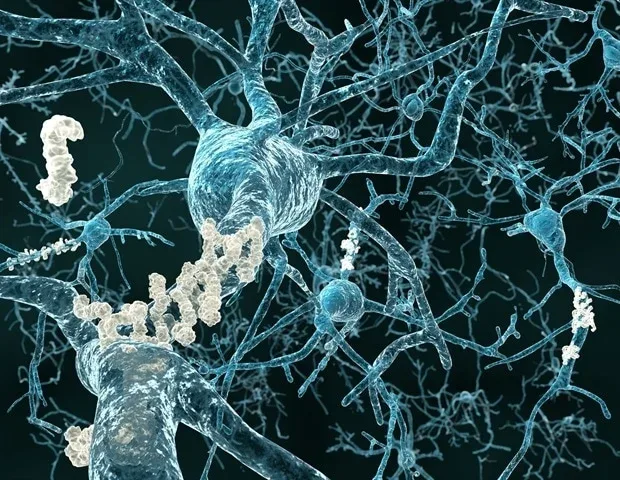
Another area of recent investigation involves the peptide's capacity to bind specific metal ions and influence metal-protein interactions. Semax has been suggested to prevent or diminish amyloid-β aggregation in the presence of copper ions. This anti-aggregating attribute could impact research into neurodegenerative proteinopathies. Furthermore, the peptide's metal-binding capabilities may offer protection against cytotoxicity induced by metals, such as Cu²⁺, by preventing harmful complex formation.
Theoretical Mechanisms of Action
Considering the observed transcriptomic impacts, neurotransmitter modulation, immune gene regulation, and metal-binding properties, several mechanistic hypotheses have been proposed:
- Semax may affect the expression of genes involved in vascular formation and immune cell mobility.
- Semax might reverse or compensate for patterns of gene suppression induced by ischemic injury.
- Semax could modulate serotonergic, dopaminergic, GABAergic, and glycinergic neurotransmission.
Conclusion
Semax demonstrates multifaceted properties in research, indicating modulatory potential across neurotransmitter systems, immune gene expression, vascular gene regulation, and interactions involving metal-protein complexes. Although much remains speculative concerning downstream protein activity and functional recovery, the peptide may provide a valuable tool for investigating mechanisms related to neuron survival, gene regulation after injury, and potentially protein aggregation biology. As research advances, it could serve as both a molecular probe and a promising lead compound for agents designed to promote recovery in neural injury research models.