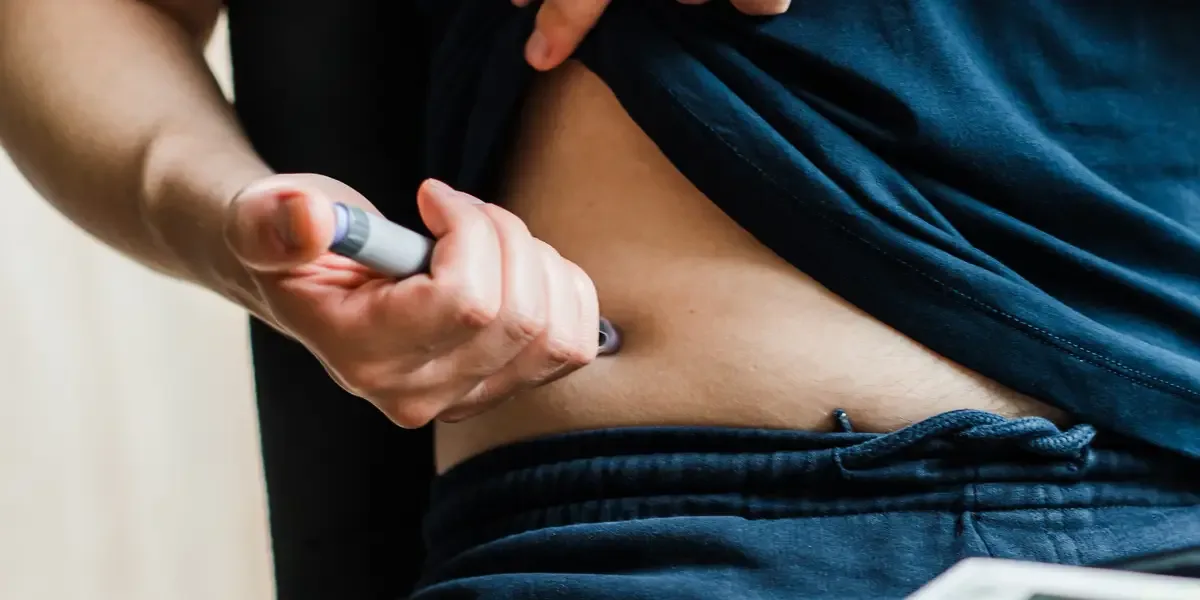

In the world of millennial celebrities navigating their 30s and 40s, midlife weight gain has become a relatable challenge. According to Mayo Clinic endocrinologist Dr. Daniela Hurtado Andrade, this is very common, particularly in women, due to waning muscle mass that slows metabolism. Strength training and calorie cuts often fall short because the body sends persistent hunger signals, making long-term weight loss tough. That's where GLP-1 medications like Ozempic come in, mimicking hormones to suppress appetite and regulate blood sugar—a key factor for those with weight issues tied to diabetes, as noted by the Cleveland Clinic.
Understanding GLP-1 Medications: How Ozempic and Similar Drugs Work
GLP-1 receptor agonists, such as Ozempic (semaglutide), Wegovy (higher-dose semaglutide), and Mounjaro (tirzepatide), target glucagon-like peptide-1 receptors in the body. At a basic level, they suppress appetite by masking normal "feed me" sensations while slowing gastric emptying and improving insulin sensitivity. This dual action helps with weight management beyond traditional diets, especially during midlife when hormonal shifts and muscle loss complicate efforts.
These drugs aren't quick fixes; they require medical supervision. Common side effects include nausea, vomiting, and fatigue, but many users adapt over time. For patients considering GLP-1s, discussing family history, diabetes risk, and lifestyle with a doctor is essential. Tools like Shotlee can help track symptoms, side effects, or injection schedules for better management.
Why Midlife Weight Gain Hits Millennials Hard
Dr. Hurtado Andrade highlights how metabolism dips with age-related muscle loss (sarcopenia), exacerbating weight gain. Women often face additional hurdles from perimenopause. Unlike younger years, simply exercising more or eating less doesn't override the body's hunger defenses, leading many—including Hollywood's millennial "who's who"—to GLP-1s as popularity surges.
Celebrity Stories: Millennial Stars Open Up About Ozempic and GLP-1s
From comedians to athletes, these familiar names have shared candid before-and-after insights, calling out secretive peers and normalizing GLP-1 use.
Amy Schumer: From Vomiting to Greater Success
Comedian Amy Schumer has slimmed down significantly in recent years. Her first trial with Wegovy was rough: "I was like bedridden," she admitted on Howard Stern's show (via People), citing vomiting and energy loss. Switching to Mounjaro brought better results. Later on Ozempic, she told "Watch What Happens Live With Andy Cohen" in 2023, "I was one of those people that felt so sick and couldn't play with my son." Schumer accused some celebs of "lying" about their GLP-1 use, urging them to "'fess up already."
Golnesa 'GG' Gharachedaghi: Transparent Injection Tutorials
Reality TV star Golnesa 'GG' Gharachedaghi is keeping it real with Ozempic. In a 2023 Instagram video, she demonstrated how to inject the drug—always best done under provider guidance for optimal strategies. Fans had mixed reactions: one noted, "It's because you are 41. It's normal," while another questioned the "skeleton look." GG echoed Schumer, admonishing secretive celebs: "We know who you are." Her openness has won praise from many.
Chrissy Teigen: Post-Miscarriage Weight Struggles
Model Chrissy Teigen turned to Ozempic after a miscarriage left her "stuck" with pregnancy weight. On her "Self-Conscious with Chrissy Teigen" podcast, she described "force-feeding" herself due to suppressed appetite: "Logically you need food to have energy." Teigen, who dislikes diets, found the lack of hunger ironic and uncomfortable.
Precision tracking for your journey
Join thousands using Shotlee to accurately track GLP-1 medications and side effects.
📱 Get the Shotlee App
Track your GLP-1 medications, peptides, and health metrics on the go with our mobile app!
Jon Gosselin: 30+ Pounds Down and Refocused
Reality dad Jon Gosselin used a generic GLP-1, telling Page Six he lost more than 30 pounds and feels "amazing!" He wished he'd started sooner. GLP-1s helped control appetite, allowing him to "really refocus my diet." He's combining it with lifestyle changes, not relying solely on the drug.
Amanda Bynes: 28 Pounds Lighter Amid Life Challenges
Former child star Amanda Bynes, post-addiction and mental health battles, celebrated Ozempic on Instagram (via Page Six): dropping 28 pounds, though she still felt she "looked big." It's a positive step on her path to better health.
Serena Williams: Athlete's Postpartum Battle
Tennis legend Serena Williams struggled post-motherhood, with pregnancy complications adding stress. In a TODAY interview, ramping up activity and going vegetarian failed: "I just couldn't get my weight to where I needed to be at a healthy place -- and believe me, I don't take shortcuts." Her 31-pound loss restored normalcy.
Meghan Trainor: Post-Pregnancy Biohacking
Musician Meghan Trainor praised Mounjaro on Instagram: "I used science and support (shoutout to Mounjaro!) to help me after my 2nd pregnancy." Some fans questioned the need, but she's into biohacking to "age backward," per an ET interview (via Page Six): "[A]nything that'll help me age backward, I'm into it."
GLP-1s vs. Alternatives: What Makes Them Different?
Unlike stimulants or surgery, GLP-1s address root causes like hunger signaling and blood sugar. Compared to Wegovy (weight-focused semaglutide), Ozempic is diabetes-approved but used off-label for weight. Mounjaro's dual GIP/GLP-1 action may enhance results for some, as Schumer found. Always weigh against side effects like GI issues; they're not for everyone.
Safety Considerations and Side Effects with Ozempic and GLP-1s
Users like Schumer and Teigen report nausea, vomiting, and fatigue. Starting low-dose and titrating helps. Long-term data shows cardiovascular benefits for diabetics, but monitor thyroid risks or pancreatitis. Consult providers; apps like Shotlee aid in logging for personalized adjustments.
Key Takeaways: What This Means for Patients
- GLP-1s like Ozempic excel where diet/exercise fail, especially midlife.
- Celebrities normalize side effects and successes—transparency matters.
- Combine with diet refocus (like Gosselin) for sustainability.
- Discuss with doctors: ideal for obesity, prediabetes.
- Not a shortcut; Williams emphasizes no substitutes for effort.
Conclusion: GLP-1s in the Spotlight
Millennial stars' admissions highlight GLP-1s' role in tackling stubborn weight amid midlife changes. From Schumer's candor to Williams' resilience, these stories underscore real-world use. For non-celebs, they signal hope—but prioritize medical advice for safe, effective results. Curious about health? Track your journey and stay informed.