
Understanding Brain Insulin Resistance and Its Link to Alzheimer's
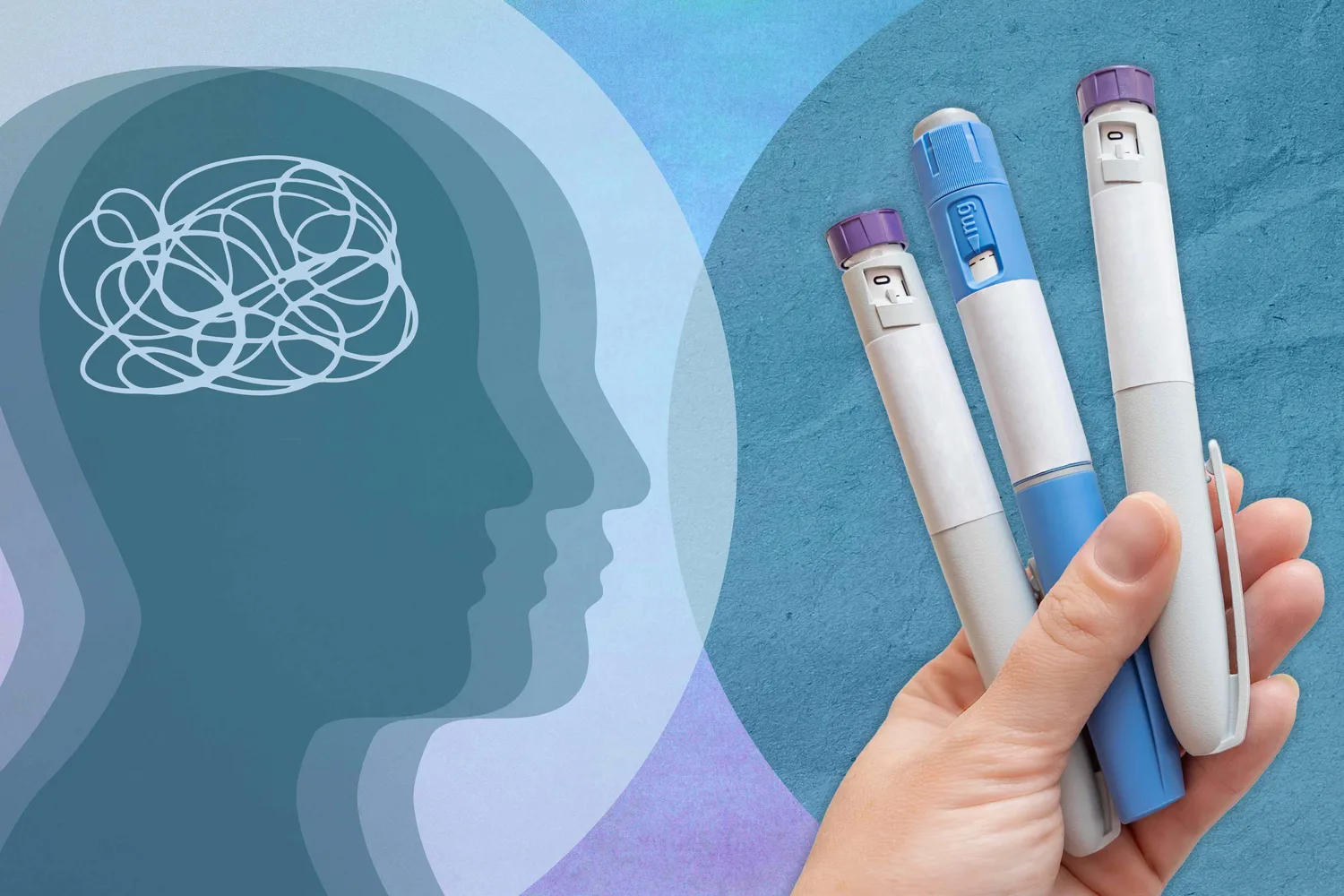
Alzheimer's disease affects over 55 million people worldwide, with numbers projected to triple by 2050. While hallmarks like amyloid plaques and tau tangles dominate discussions, a growing body of research spotlights brain insulin resistance as an early, pivotal culprit. This condition, where brain cells fail to respond to insulin, disrupts energy metabolism and neuronal health, potentially redefining Alzheimer's as a metabolic disorder akin to type 3 diabetes.
A landmark study from the Medical University of Warsaw, published in the International Journal of Molecular Sciences (DOI: 10.3390/ijms27031222), provides compelling evidence. Led by Monika Pliszka and Professor Leszek Szablewski, the research synthesizes molecular data showing how insulin signaling breakdown precedes and exacerbates cognitive decline. For patients and health enthusiasts managing metabolic health—especially those on GLP-1 medications like Ozempic or Mounjaro—this connection underscores the brain's vulnerability to systemic insulin issues.
The Critical Role of Insulin in Brain Function
Historically, the brain was deemed insulin-independent, relying on glucose without hormonal regulation. Modern neuroscience debunks this: insulin receptors abound in key areas like the hippocampus (memory center) and cerebral cortex (higher cognition). Insulin, produced locally by neurons or entering via the blood-brain barrier, performs multiple roles:
- Glucose uptake: Facilitates energy delivery to fuel ATP production in high-demand neurons.
- Synaptic plasticity: Enhances long-term potentiation (LTP), the cellular basis of learning and memory.
- Neuroprotection: Activates anti-apoptotic pathways to shield cells from oxidative stress and inflammation.
- Protein clearance: Boosts autophagy and enzymatic degradation of misfolded proteins.
The brain consumes 20% of the body's glucose despite comprising just 2% of body weight. Any insulin signaling glitch starves it, mimicking hypoglycemia's fog but chronically.
From Peripheral to Central: How Insulin Resistance Spreads
Systemic insulin resistance, common in type 2 diabetes and obesity, often precedes brain changes. Hyperinsulinemia floods the brain, downregulating receptors via chronic exposure. The Warsaw study details how this triggers PI3K/AKT and MAPK/ERK pathway impairments—cascades vital for neuronal survival and synaptic strength. Result? Energy deficits weaken synapses, impair neurotransmitter release, and slow cognition years before plaques form.
Mechanisms Linking Brain Insulin Resistance to Alzheimer's Pathology
The study's deep dive reveals direct causal arrows from insulin dysfunction to Alzheimer's hallmarks.
Amyloid-Beta Plaques: A Failure of Clearance
Insulin normally suppresses amyloid precursor protein (APP) processing into toxic beta-amyloid (Aβ) peptides. Resistance reduces insulin-degrading enzyme (IDE) activity, allowing Aβ buildup. Plaques disrupt synaptic function, ignite neuroinflammation via microglia, and propagate prion-like across brain regions. Preclinical models show restoring insulin signaling halves plaque load.
Tau Tangles: Hyperphosphorylation Unleashed
Tau protein stabilizes microtubules for axonal transport. Insulin resistance unleashes GSK-3β, a kinase that hyperphosphorylates tau, forming neurofibrillary tangles. These strangle neurons, blocking nutrient flow and triggering cell death. The study notes GSK-3β's dual role: it's inhibited by healthy PI3K/AKT signaling, underscoring insulin's regulatory power.
"Brain insulin resistance appears years before memory symptoms, positioning it as a driver rather than a bystander." – Pliszka & Szablewski, IJMS 2024
Together, these pathologies compound: plaques seed tangles, inflammation worsens resistance, creating a vicious cycle.
Alzheimer's as 'Type 3 Diabetes': Evidence and Implications
Coined by Montreal neurologist Suzanne de la Monte in 2005, 'type 3 diabetes' captures Alzheimer's metabolic roots. Postmortem brains of AD patients show 80% reduced insulin signaling versus controls. Epidemiologically, type 2 diabetics face 50-100% higher AD risk, adjusted for vascular factors. The Polish review aligns with meta-analyses linking HbA1c >7% to faster progression.
Precision tracking for your journey
Join thousands using Shotlee to accurately track GLP-1 medications and side effects.
📱 Get the Shotlee App
Track your GLP-1 medications, peptides, and health metrics on the go with our mobile app!
Early detection via CSF insulin levels or PET imaging of glucose uptake (FDG-PET hypometabolism in temporoparietal regions) could enable pre-symptomatic intervention.
Promising Treatments Targeting Brain Insulin Pathways
The study spotlights therapeutics restoring insulin sensitivity, blending lifestyle and pharmacology.
Lifestyle Foundations for Brain Health
Aerobic exercise (150 min/week) boosts hippocampal insulin signaling and BDNF (brain-derived neurotrophic factor). Mediterranean or low-glycemic diets curb hyperinsulinemia; ketogenic approaches may bypass glucose reliance, though long-term data lags. Intermittent fasting enhances autophagy, clearing Aβ.
Tools like Shotlee can help track symptoms, side effects, and nutrition adherence, empowering users to monitor metabolic shifts alongside cognitive health.
Pharmacologic Advances
- Intranasal insulin: Bypasses periphery, directly reaches brain. Phase 2 trials (e.g., SNIFF study) show memory gains in mild cognitive impairment (MCI), with effect sizes rivaling cholinesterase inhibitors.
- Metformin: AMPK activator improving peripheral insulin sensitivity; observational data suggests 20-30% AD risk reduction, but brain penetration is modest.
GLP-1 Receptor Agonists: A Metabolic Bridge to Neurology
As a GLP-1 expert, I highlight these drugs' dual promise for weight management and neurodegeneration. Semaglutide (Ozempic/Wegovy), liraglutide (Saxenda), and tirzepatide (Mounjaro/Zepbound) mimic gut hormone GLP-1, enhancing insulin secretion while crossing the BBB.
Mechanisms in AD:
- Reduce Aβ/tau: Liraglutide cuts plaque formation 50% in mouse models; decreases GSK-3β activity.
- Neuroinflammation: Shift microglia to protective M2 phenotype.
- Neurogenesis: Promote hippocampal stem cells via GLP-1R.
Clinical evidence: EVOKE trial (liraglutide) slowed decline 18% in early AD; semaglutide's Phase 3 EVOKE-2 assesses cognition in MCI/AD. Tirzepatide's dual GIP/GLP-1 action may amplify benefits. For GLP-1 users, this suggests broader neuroprotective perks—monitor via apps like Shotlee for cognitive symptoms amid weight loss.
Dosing starts low (e.g., semaglutide 0.25mg weekly), titrating to minimize GI side effects. Combine with lifestyle for synergy.
Conclusion: Rewiring Alzheimer's Prevention
The Warsaw study cements brain insulin resistance as a linchpin in Alzheimer's, from energy starvation to proteinopathy. By framing it as type 3 diabetes, we unlock metabolic levers: exercise, diet, and drugs like GLP-1 agonists. Early action—perhaps via routine metabolic screens—could slash risk. Stay proactive; your brain's insulin sensitivity is a modifiable frontier in cognitive longevity.