
The Evolving Landscape of GLP-1 Weight-Loss Medications
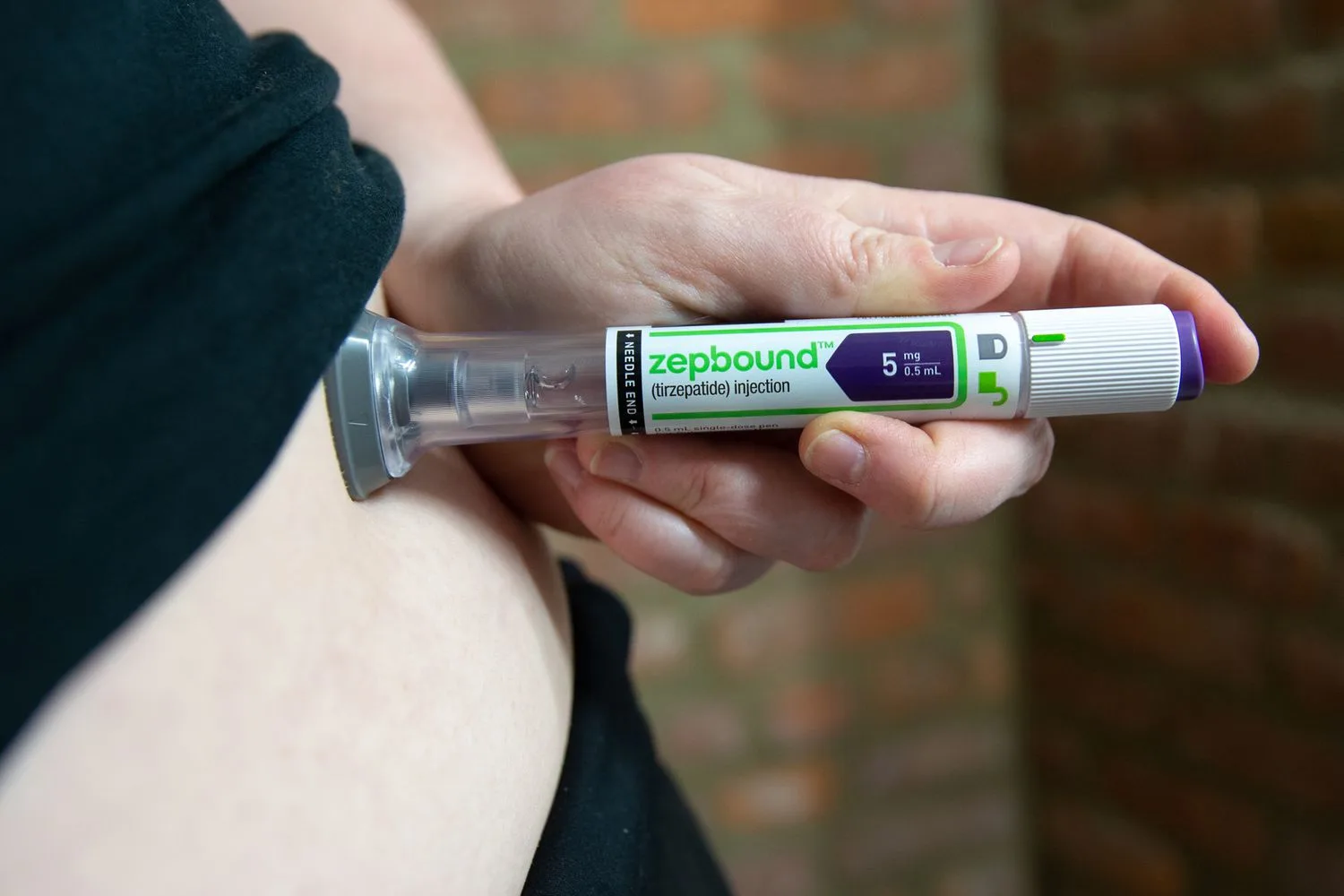
The advent of GLP-1 receptor agonists has revolutionized the approach to weight management and metabolic health. Medications such as semaglutide (found in Ozempic and Wegovy) and tirzepatide (Mounjaro) have demonstrated remarkable efficacy in promoting weight loss by mimicking the action of the natural incretin hormone, glucagon-like peptide-1. These drugs primarily work by signaling satiety, reducing appetite, and slowing gastric emptying, thus curbing hunger-driven eating.
However, the full spectrum of how these powerful medications exert their effects is still being uncovered. Recent research, funded by the National Institutes of Health (NIH), is shedding new light on a critical, yet previously less understood, mechanism: the modulation of eating for pleasure, also known as hedonic feeding. This distinction is vital, as it suggests GLP-1s may impact more than just our basic need for sustenance.
Unveiling the Neural Pathways: Beyond Basic Hunger
For years, scientific understanding of GLP-1's impact on the brain largely focused on its role in regulating energy balance. Studies indicated that the larger, injectable peptide GLP-1s, like semaglutide, engage neural networks in the hypothalamus and hindbrain to suppress hunger-driven eating. This makes intuitive sense – when you're not feeling hungry, you're less likely to seek out food.
The challenge has been to understand how newer, often orally administered, small-molecule GLP-1 receptor agonists, such as orforglipron and danuglipron, achieve similar results. These oral formulations are particularly important due to their potential for greater accessibility and lower production costs compared to their injectable counterparts. A recent study, published in Nature, conducted by researchers at the University of Virginia with NIH funding, has begun to map out the distinct neural pathways these newer drugs utilize.
Targeting the Brain's Reward System
The research team employed advanced gene-editing techniques to modify GLP-1 receptors in mice, making them more akin to human receptors. This allowed for a more precise investigation into how specific GLP-1 drugs interact with the brain.
When the researchers administered either orforglipron or danuglipron to these mice, they observed activity not only in the expected brain regions but also, crucially, in the central amygdala. This area, situated deeper within the brain, is strongly associated with desire and reward processing. The finding was significant because it indicated that GLP-1s could directly influence a brain region previously thought to be beyond their direct reach.
"We've known that GLP-1 drugs suppress feeding behavior driven by energy demand. Now it seems oral small-molecule GLP-1s also dial back eating for pleasure by engaging a brain reward circuit," stated co-corresponding author Ali Guler, Ph.D., a professor of biology at the University of Virginia.
Further experiments revealed the functional consequence of activating the central amygdala by these drugs. The study demonstrated that this activation led to a reduction in dopamine release within key hubs of the brain's reward circuitry. Dopamine is a neurotransmitter critically involved in motivation, pleasure, and reinforcement. By dampening dopamine release during hedonic feeding, these GLP-1s effectively reduce the rewarding aspect of eating, making food less appealing when it's not driven by physiological need.
Implications for Broader Health Conditions
This discovery of GLP-1s modulating the brain's reward circuitry has profound implications that extend beyond weight management. The mechanisms governing hedonic feeding – seeking out food for pleasure, comfort, or stress relief – are closely intertwined with those involved in other reward-driven behaviors and disorders.
Precision tracking for your journey
Join thousands using Shotlee to accurately track GLP-1 medications and side effects.
📱 Get the Shotlee App
Track your GLP-1 medications, peptides, and health metrics on the go with our mobile app!
Potential for Substance Use Disorder Treatment
The researchers are particularly interested in whether these next-generation GLP-1s can also influence cravings for substances beyond food. The central amygdala and its role in reward processing are also implicated in conditions like substance use disorder. By targeting this pathway, GLP-1 receptor agonists might offer a novel therapeutic avenue for reducing cravings and addictive behaviors associated with drugs and alcohol.
Lorenzo Leggio, M.D., Ph.D., Clinical Director of NIH's National Institute on Drug Abuse (NIDA), emphasized the importance of this line of inquiry: "As the accessibility of these medications continues to rise and patient uptake increases, it's crucial that we understand the neural mechanisms underlying the effects we're seeing."
Follow-up studies are planned to specifically investigate the effects of these drugs on substance use disorder, building on this foundational understanding of their impact on reward circuits.
The Role of Tracking in Personalized Treatment
For individuals managing their weight or exploring the benefits of GLP-1 therapy, understanding these underlying mechanisms can be empowering. While these medications are powerful tools, their effectiveness and side effect profiles can vary. Utilizing tools like Shotlee can be invaluable for patients and their healthcare providers to:
- Track medication adherence and timing to ensure optimal efficacy.
- Monitor changes in appetite, cravings, and mood to identify patterns related to hedonic eating.
- Record and report any side effects experienced, facilitating timely adjustments to treatment plans.
- Log dietary intake and physical activity to correlate with medication effects and overall progress.
This granular data can help personalize treatment and better understand how individual responses align with the known neural mechanisms of GLP-1 action.
Key Findings at a Glance
The NIH-funded study in mice revealed several critical insights:
| Drug Type | Primary Effect on Eating | Key Brain Region Targeted | Neurotransmitter Impact |
|---|---|---|---|
| Injectable Peptide GLP-1s (e.g., Semaglutide) | Suppresses hunger-driven eating | Hypothalamus, Hindbrain | General appetite regulation |
| Oral Small-Molecule GLP-1s (e.g., Orforglipron, Danuglipron) | Suppresses hedonic (pleasure) eating | Central Amygdala (reward circuit) | Reduces dopamine release during hedonic feeding |
It's important to note that this study was conducted in mice and has not been assessed by the FDA for product approval for specific indications in humans. However, the findings provide a robust foundation for future human research and a deeper understanding of how these medications work.
Practical Takeaways for Patients and Providers
The distinction between hunger-driven eating and hedonic eating is a significant revelation. For patients on GLP-1 medications:
- Be mindful of your eating triggers: Are you eating because you're physically hungry, or are you eating due to stress, boredom, or social cues? Understanding this can help you leverage the medication's effects more effectively.
- Communicate with your doctor: Discuss your eating patterns and any challenges you face with cravings. This new understanding of brain reward circuits might open up new therapeutic strategies.
- Consider comprehensive tracking: Tools that help monitor your progress, including food intake, mood, and medication timing, can provide valuable insights for you and your healthcare team.
Conclusion
The ongoing research into GLP-1 receptor agonists continues to unveil their complex and multifaceted mechanisms of action. The discovery that oral small-molecule GLP-1s actively modulate the brain's reward circuitry to suppress hedonic feeding represents a significant leap forward. This finding not only deepens our understanding of how these drugs promote weight loss but also opens exciting possibilities for their application in treating other conditions characterized by dysregulated reward processing, such as substance use disorder. As these medications become more prevalent, continued research and open communication between patients and healthcare providers will be key to harnessing their full therapeutic potential.