
A New Dawn for Parkinson's Treatment: AI Steps In
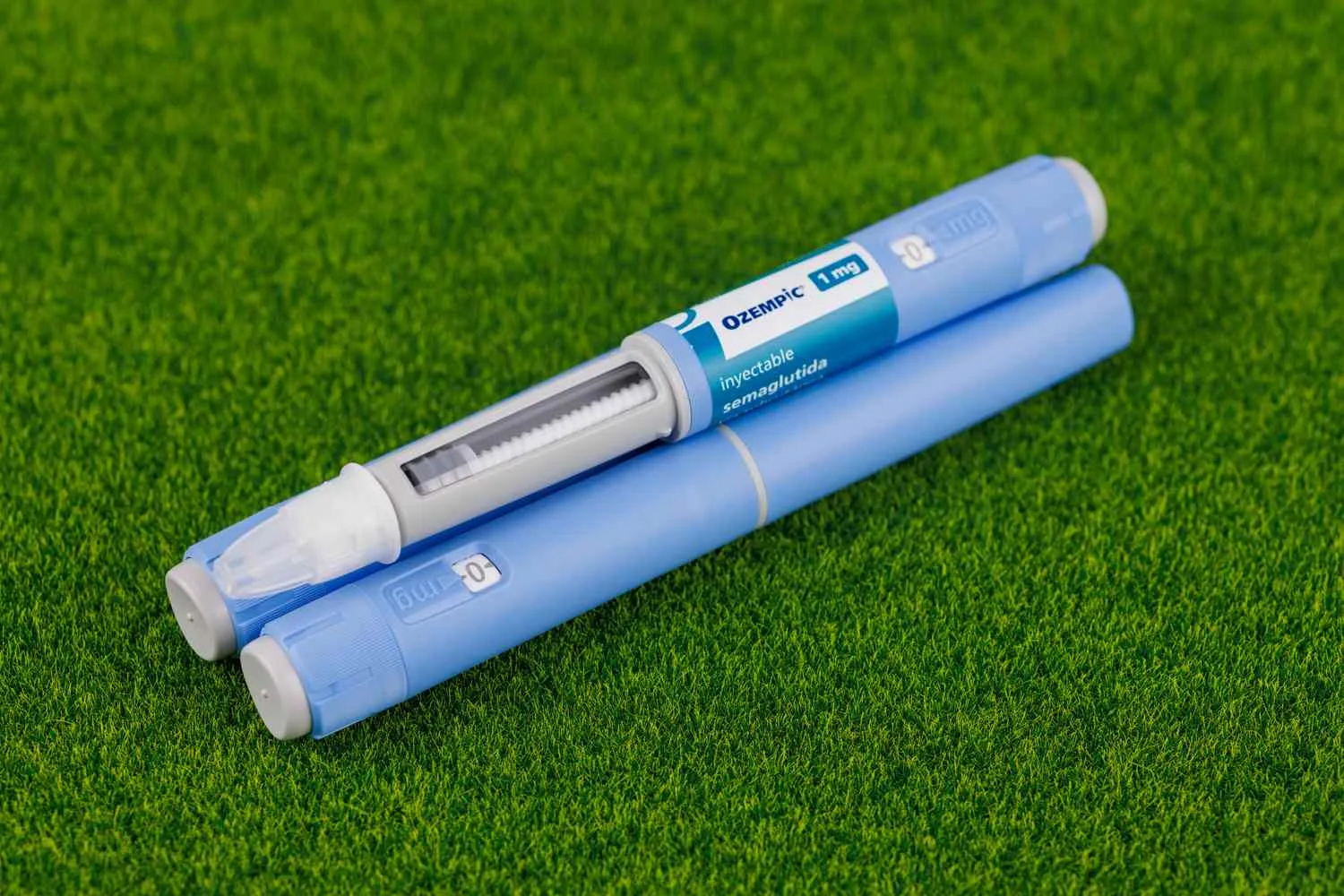
In a significant development for both the pharmaceutical industry and the field of artificial intelligence, Cellular Intelligence, an AI-driven drug discovery startup with backing from Mark Zuckerberg, has announced a major acquisition. The company has secured the global rights to STEM-PD, an experimental cell therapy program targeting Parkinson's disease, from Novo Nordisk, the Danish pharmaceutical powerhouse renowned for its blockbuster GLP-1 medications like Ozempic and Wegovy.
This landmark deal represents a pivotal moment for Cellular Intelligence, positioning it at the forefront of developing advanced therapies for neurodegenerative diseases. It also underscores a growing trend of AI platforms being leveraged to accelerate the complex journey of bringing novel treatments from the lab to patients.
Understanding STEM-PD: A Novel Approach to Parkinson's
Parkinson's disease is a progressive neurodegenerative disorder characterized by the loss of dopamine-producing nerve cells in a specific area of the brain called the substantia nigra. This depletion leads to the hallmark motor symptoms of Parkinson's, including tremors, rigidity, slow movement, and postural instability. Current treatments primarily focus on managing symptoms by replacing or mimicking dopamine, but they do not halt or reverse the underlying disease progression.
STEM-PD offers a fundamentally different therapeutic strategy. It aims to restore the brain's dopamine-producing capacity by transplanting specialized cells derived from stem cells. Here's how the therapy works:
- Stem Cell Source: The therapy utilizes stem cells sourced from human donors.
- Cellular Differentiation: These stem cells are meticulously guided through a process of differentiation in a laboratory setting. The goal is to transform them into early-stage brain cells that are programmed to mature into dopamine-producing neurons.
- Restoring Dopamine Production: Once transplanted into the brain, these newly formed dopamine neurons are intended to integrate into existing neural circuits and resume the production of dopamine, thereby potentially alleviating the motor symptoms associated with Parkinson's disease.
The STEM-PD program has already achieved significant milestones, including receiving FDA Fast Track Designation, which is granted to therapies that show promise in treating serious conditions and could potentially fill an unmet medical need. It is currently undergoing evaluation in a first-in-human Phase 1/2 clinical trial, designed to assess its safety and initial efficacy.
Cellular Intelligence's AI-Powered Vision
For Cellular Intelligence, the acquisition of STEM-PD is more than just adding a promising drug candidate to its pipeline; it's an opportunity to validate its core mission: building an AI-native, fully integrated therapeutics company. The startup's CEO and Co-founder, Micha Breakstone, emphasized this vision:
"We are building an AI-native, fully integrated therapeutics company. The same platform that learns how cells respond to signals can help design better protocols, improve manufacturability, optimize functional dose, and deepen our understanding of how development decisions connect to clinical outcomes. STEM-PD gives us the ideal proving ground for that vision."
Cellular Intelligence plans to harness its advanced AI platform to propel STEM-PD through the remaining stages of clinical development, optimize its manufacturing processes, and ultimately, if successful, bring it to market. The company believes that AI can significantly accelerate the development of complex treatments like cell therapies, which often face challenges in scalability and consistency.
The Role of AI in Drug Development
The application of AI in drug discovery and development is rapidly expanding. AI algorithms can analyze vast datasets, identify potential drug targets, predict drug efficacy and toxicity, and optimize clinical trial design. In the context of STEM-PD, Cellular Intelligence aims to leverage AI for:
Precision tracking for your journey
Join thousands using Shotlee to accurately track GLP-1 medications and side effects.
📱 Get the Shotlee App
Track your GLP-1 medications, peptides, and health metrics on the go with our mobile app!
- Protocol Design: Refining the protocols for cell differentiation and transplantation to maximize therapeutic benefit and minimize risks.
- Manufacturing Optimization: Ensuring consistent, high-quality production of the cell therapy at scale.
- Dose Optimization: Determining the most effective and safest dosage for patients.
- Clinical Outcome Prediction: Using data from trials to better understand how development decisions translate into patient outcomes.
According to reports, Cellular Intelligence intends to initiate a mid-stage trial for STEM-PD early next year. The data generated from these trials will be crucial for further refining their AI models, creating a virtuous cycle of innovation.
Novo Nordisk's Strategic Shift
This transaction marks a strategic pivot for Novo Nordisk. Last year, the company announced a restructuring that included winding down its cell therapy research and development efforts to concentrate more intensely on its core strengths: diabetes and obesity treatments. The immense success of GLP-1 receptor agonists like Ozempic and Wegovy has propelled Novo Nordisk to become one of Europe's most valuable companies, but it also faces increasing competition and scrutiny.
A spokesperson for Novo Nordisk stated:
"At the time, we announced that we would be seeking deals for some of our cell therapy programs to be advanced by partners. This agreement with Cellular Intelligence will support the continued development of the potential cell therapy for Parkinson’s disease pioneered by Novo Nordisk, and we believe that Cellular Intelligence has the capabilities needed to advance it further."
As part of the deal, Novo Nordisk is making a strategic equity investment in Cellular Intelligence and will be eligible to receive future milestone payments and royalties should STEM-PD prove successful and reach the market. This arrangement allows Novo Nordisk to retain some stake in the potential success of the therapy while freeing up its internal resources for its primary focus areas.
The Competitive Landscape and Future Outlook
The pharmaceutical industry is in a constant state of evolution. While Novo Nordisk has dominated the GLP-1 market, rivals like Eli Lilly are also making significant strides with their own innovative weight-loss and diabetes medications. Furthermore, the proliferation of compounded and copycat versions of GLP-1 drugs sold online presents both a challenge and an indicator of the high demand for these therapies.
The acquisition of STEM-PD by Cellular Intelligence highlights the growing importance of specialized AI companies in tackling complex diseases that have historically proven difficult to treat. The success of this venture could pave the way for other AI startups to acquire and advance promising but stalled therapeutic programs, potentially shortening development timelines and bringing much-needed treatments to patients faster.
Key Deal Points
| Aspect | Details |
|---|---|
| Acquiring Company | Cellular Intelligence (AI drug startup) |
| Acquired Asset | Global rights to STEM-PD (experimental Parkinson's cell therapy) |
| From Company | Novo Nordisk (maker of Ozempic, Wegovy) |
| Therapy Mechanism | Transplantation of donor-derived stem cells differentiated into dopamine-producing neurons. |
| Current Status | Phase 1/2 clinical trial, FDA Fast Track Designation. |
| Cellular Intelligence's Role | Leverage AI platform for further development, manufacturing, and commercialization. |
| Novo Nordisk's Role | Strategic equity investment, eligible for milestones and royalties. |
| Novo Nordisk's Strategic Rationale | Focus on diabetes and obesity treatments; divestment of cell therapy R&D. |
Practical Takeaways for Patients and Researchers
This acquisition is a beacon of hope for individuals living with Parkinson's disease, suggesting a renewed focus on developing disease-modifying therapies. For researchers and those tracking their health journey, it highlights the increasing integration of advanced technologies like AI into medical treatment. Tools that can help track symptoms, monitor treatment responses, and manage complex medication regimens, like those offered by Shotlee, can become even more valuable as these innovative therapies progress through clinical trials.
Conclusion
The partnership between Cellular Intelligence and Novo Nordisk for the STEM-PD program signifies an exciting fusion of cutting-edge AI technology with promising cell-based therapeutics. By entrusting this complex clinical-stage program to an AI-native company, Novo Nordisk demonstrates a strategic focus on its core markets, while Cellular Intelligence gains a critical opportunity to prove the transformative potential of AI in accelerating drug development for devastating diseases like Parkinson's. The coming years will be crucial in determining if this AI-driven approach can indeed deliver on its promise to revolutionize how we treat neurodegenerative conditions.