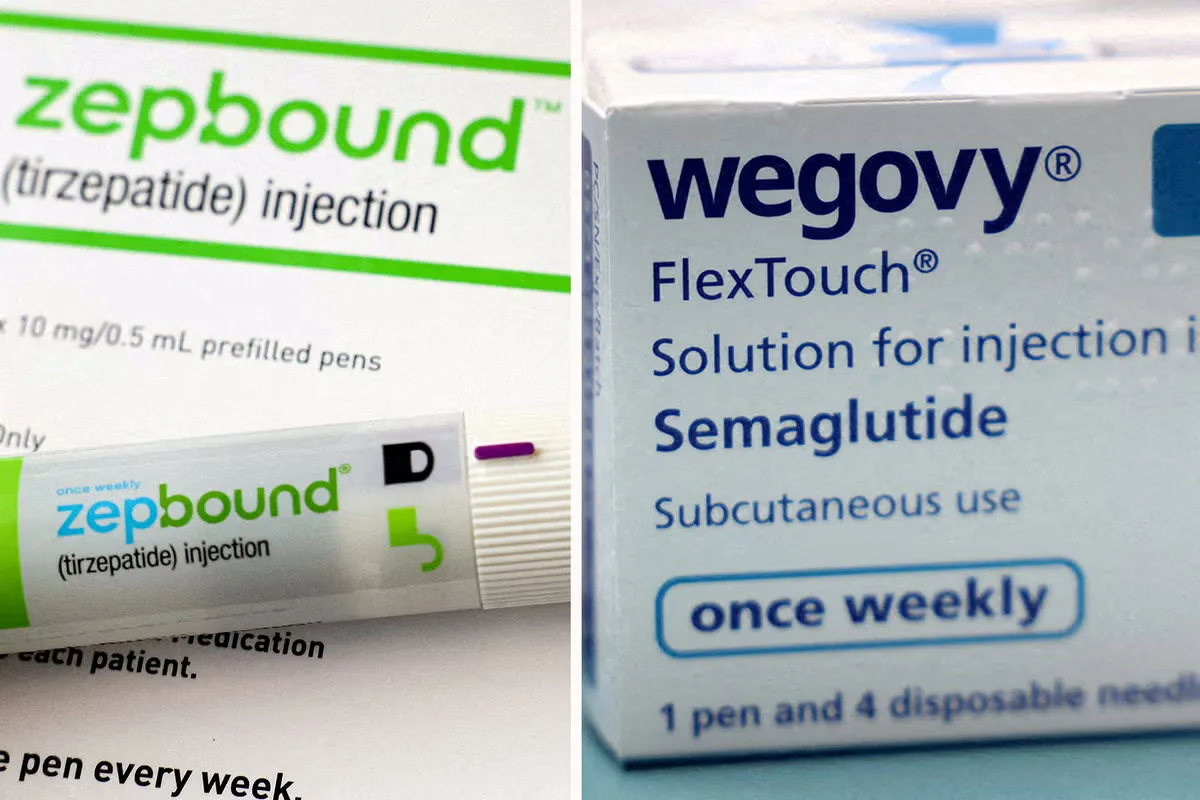

GLP-1 receptor agonists, commonly known as GLP-1s, are emerging as a potential therapy for multiple sclerosis (MS), with growing evidence suggesting benefits beyond their original use in diabetes management. At the ACTRIMS meeting in San Diego, Afsaneh Shirani, MD, a board-certified neurologist at Saint Luke's Marion Bloch Neuroscience Institute and the University of Missouri-Kansas City, discussed this promising yet preliminary data. While GLP-1s hold promise in MS due to their multi-organ effects, including in the brain, she emphasized that more rigorous examination is required to address key questions on health, access, and equity.
Understanding GLP-1 Receptor Agonists and Their Relevance to MS
GLP-1 receptor agonists were initially studied for their role in insulin secretion regulation, primarily to manage type 2 diabetes and obesity. However, research has revealed their broader actions across different organs, with receptors widely expressed in the brain. This raises the possibility of direct central nervous system (CNS) effects, making them intriguing for neurodegenerative conditions like MS.
MS patients, particularly those newly diagnosed, often exhibit metabolic dysfunctions such as hyperinsulinemia and reduced insulin sensitivity. Obesity is a widely accepted major risk factor for MS and can alter treatment responses to disease-modifying therapies (DMTs). These metabolic links provide a rationale for exploring GLP-1s in MS, as they address both weight management and potential anti-inflammatory pathways.
"Even though GLP-1s were initially studied for their role in insulin secretion regulations, we now know that they have actions across different organs, and they are also widely expressed in the brain, raising the possibility that they may have direct [central nervous system] effects," Shirani told attendees.
Interest has grown due to higher GLP-1 use prevalence among ages 30-64, overlapping with typical MS onset. Drugs like metformin or pioglitazone have shown potential to reduce MRI disease activity and influence pro-inflammatory T-cell responses, paving the way for GLP-1s, which emerging evidence suggests may be safe and efficacious.
Key Studies on GLP-1s in MS Patients
Massachusetts General Hospital Study (2005-2024)
A study from Massachusetts General Hospital involved 49 individuals treated with GLP-1s for a mean duration of 2 years. Participants experienced weight loss of roughly 1.03 pounds per month per patient. Notably, there were no serious adverse effects, despite new lesional activity in a small number of enrollees. This data supports the safety profile of GLP-1s in an MS population.
Beth Israel Deaconess Medical Center Study
Another study from Beth Israel Deaconess Medical Center followed 60 individuals treated with a GLP-1 for an average of just over 3 years. Results indicated a single patient with a clinician-confirmed relapse, with no changes in either the Expanded Disability Status Scale (EDSS) score or timed 25-foot walk (T25FW) for the study's duration. Additionally, data showed a statistically significant increase in vitamin D levels in the treatment group compared to the pre-study interval without GLP-1s.
These real-world observations highlight GLP-1s' potential to manage metabolic issues without worsening MS progression, though larger controlled trials are essential.
Upcoming Research Initiatives
Additional explorations are underway to build on this foundation. Researchers at Johns Hopkins University are set to commence a multi-site, double-blind, randomized, placebo-controlled study examining the effect of GLP-1s on brain volume via MRI, as well as other blood-based biomarkers.
An observational study at the Feinberg School of Medicine at Northwestern University will assess the effects of GLP-1s combined with ocrelizumab in 100 individuals. These trials aim to provide higher-quality evidence on efficacy and safety.
Precision tracking for your journey
Join thousands using Shotlee to accurately track GLP-1 medications and side effects.
📱 Get the Shotlee App
Track your GLP-1 medications, peptides, and health metrics on the go with our mobile app!
Challenges in Evaluating GLP-1s for MS Treatment
Outcome Measurement Obstacles
Assessing GLP-1s' role in MS faces several hurdles. There is a paucity of validated biomarkers for neuroprotection. Measuring whole-brain atrophy demands larger sample sizes and extended longitudinal durations for significant results. Paramagnetic rim lesions, used to gauge chronic inflammation, lack standardization and validated multi-center studies, making them unreliable.
Patient Selection and Trial Design Issues
Patient selection criteria pose dilemmas: Should trials focus on relapsing or progressive MS? Might GLP-1s' mechanistic effects require earlier intervention? Should patients with diabetes be excluded? "A significant number of patients with MS have diabetes, so excluding these patients may help with less confounded results, but can also significantly impact generalizability," Shirani noted.
Access, Equity, and Cost Barriers
As in other neurological subspecialties, barriers include cost, access, and equity, with racial and socioeconomic differences in GLP-1 prescription patterns. These issues could limit benefits for underserved MS populations.
"GLP-1 [receptor agonists] engage multiple neurobiological pathways that are implicated in MS," Shirani said. "There are still key mechanistic and practical challenges, and I think ultimately whether GLP-1 [receptor agonists] can meaningfully alter neurodegeneration or help you to prepare new people with MS remains an open question for the field."
Mechanisms: How GLP-1s Might Benefit MS Patients
GLP-1s mimic glucagon-like peptide-1, enhancing insulin release, slowing gastric emptying, and promoting satiety. In the CNS, they may reduce neuroinflammation, protect neurons, and improve insulin signaling in the brain—disrupted in MS. By tackling obesity and metabolic syndrome, common in MS, GLP-1s could enhance DMT efficacy and slow progression.
Compared to alternatives like metformin (which improves insulin sensitivity) or pioglitazone (a PPAR-gamma agonist reducing inflammation), GLP-1s offer injectable options with stronger weight loss effects, though they carry risks like gastrointestinal side effects or rare pancreatitis.
Practical Guidance for MS Patients Considering GLP-1s
For MS patients with obesity or metabolic issues, GLP-1s may warrant discussion with a neurologist and endocrinologist. Key considerations include:
- Eligibility: Ideal for overweight patients or those with insulin resistance; monitor for interactions with DMTs.
- Safety Monitoring: Watch for GI upset, thyroid concerns, or rare events; regular MRI and bloodwork advised.
- Side Effects: Common issues like nausea often improve; vitamin D monitoring is positive per studies.
- Access: Insurance coverage varies; explore patient assistance programs.
Tools like Shotlee can help track symptoms, side effects, medication adherence, and metabolic changes, empowering patients to share data with providers.
Key Takeaways: What This Means for Patients and Clinicians
- GLP-1s show preliminary safety and metabolic benefits in MS, with weight loss and stable disability scores in small studies.
- Vitamin D increases observed; no serious adverse effects reported.
- Rigorous RCTs needed for neuroprotection claims.
- Address equity to ensure broad access.
Conclusion
While GLP-1 receptor agonists offer exciting promise for MS through metabolic and CNS effects, the field requires multi-site trials to resolve biomarker gaps, patient selection, and access issues. Patients should consult specialists about off-label use, weighing benefits against current evidence. Stay tuned for results from Johns Hopkins and Northwestern, which could shape MS management. For related topics like GLP-1s in obesity or DMT comparisons, explore our guides on metabolic health in neurology.