
Beyond Appetite: How GLP-1 Drugs May Be Rewiring the Human Brain
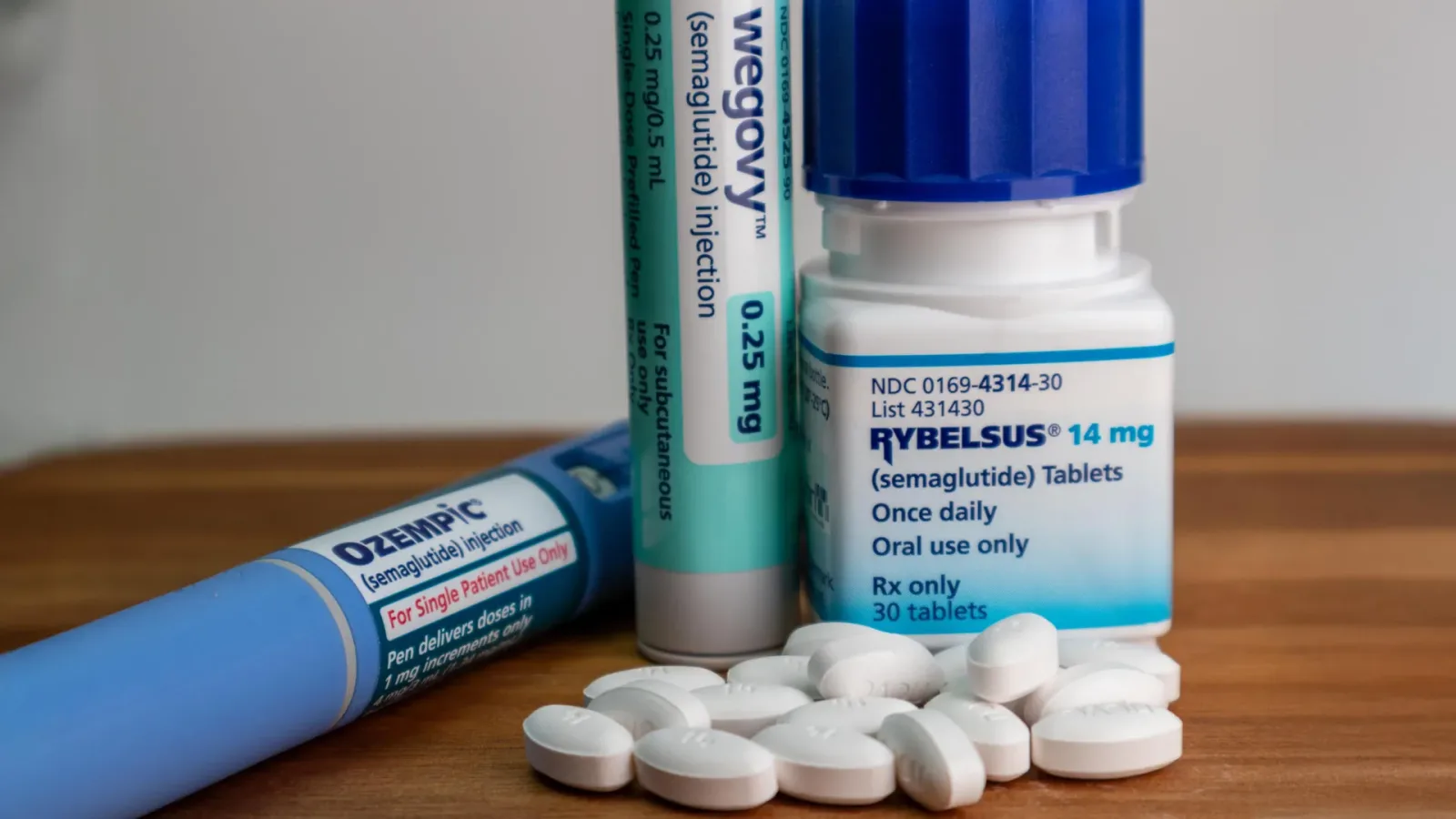
When GLP-1 receptor agonists like semaglutide (Ozempic, Wegovy) and tirzepatide (Mounjaro, Zepbound) first hit the scene, the focus was squarely on the gut. They were metabolic marvels, mimicking natural hormones to control blood sugar, suppress hunger, and drive significant weight loss. However, as tens of millions worldwide now use these drugs, researchers are uncovering evidence that these medications are initiating changes far deeper than the digestive tract—they appear to be reshaping the human brain.
This shift in understanding turns what began as an obesity and diabetes breakthrough into modern medicine’s most compelling, and perhaps largest, unplanned neuroscience investigation. Scientists are now probing how these compounds affect everything from cognitive function and motivation to addiction pathways and emotional regulation.
Accidental Discoveries: Early Clues from Brain Imaging
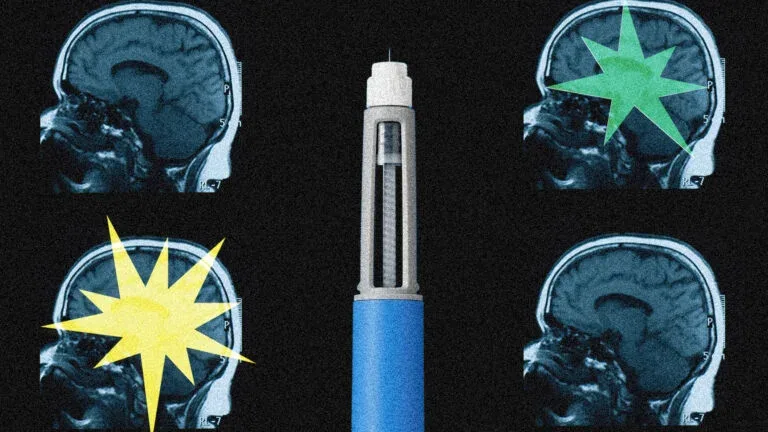
The first compelling hints of neurological impact came almost unexpectedly. A research team at the University of Colorado Anschutz, led by Allison Shapiro, was studying the effects of GLP-1 drugs on teens and young women with polyendocrine metabolic ovarian syndrome (PMOS). As part of their standard protocol, they took brain scans before and after treatment.
What Shapiro observed was astonishing. “We didn't expect to see this effect, and we really don't know what it means,” she noted. Within just a few months of therapy, brain imaging revealed significant changes, specifically an increase in the connectivity within the **salience network**—the crucial system responsible for directing attention and prioritizing stimuli.
The Gut-Brain Axis and Neural Plasticity
This finding underscores a growing scientific consensus: physical health and brain health are inextricably linked. Just as exercise enhances neural plasticity (the brain’s ability to adapt), diet influences gray matter volume. GLP-1s seem to operate within this intertwined system. They mimic the body’s natural hormones, which are designed to signal satiety and regulate glucose, but the receptors for these hormones are widely distributed, including deep within the central nervous system.
Researchers are currently debating the precise mechanism:
- Direct Action: Do the drugs cross the blood-brain barrier to directly influence neurons?
- Indirect Action: Do they work by drastically improving systemic factors like reducing chronic inflammation, easing metabolic stress, and improving cardiovascular health, which in turn benefits the brain?
Many suspect both pathways are active. Evidence suggests GLP-1s may quiet overactive immune cells in the brain that contribute to long-term cognitive degeneration, while simultaneously helping existing brain cells function more efficiently.
Rewiring Reward: Addiction, Craving, and Emotional Flattening
Perhaps the most profound area of investigation involves the brain’s reward and decision-making circuits. Long before these drugs became household names, scientists like Lorenzo Leggio at the National Institute on Drug Abuse (NIDA) were studying GLP-1 analogs for addiction treatment, inspired by early rodent studies showing reduced alcohol consumption.
Dampening the Dopamine Drive
Addiction is characterized by hyperactivity in brain circuits governing reward and craving. Researchers hypothesize that GLP-1 drugs dampen these dopamine-driven systems, effectively lowering the intensity of urges, whether for food, alcohol, or other substances.
“Many patients have described a quieting of 'food noise'—the constant mental pull toward eating that many had lived with for years.”
This effect is highly desirable for managing binge eating or substance use disorder. Indeed, major trials are underway to test tirzepatide for alcohol-use disorder, and studies are examining its role in nicotine and opioid dependence.
The Double-Edged Sword of Quieted Cravings
However, this mechanism raises complex questions about personality and motivation. If the drugs suppress destructive impulses, where is the line before they suppress healthy ones? Anecdotally, some patients report a phenomenon described as “emotional flattening”—reduced pleasure, diminished motivation for hobbies, and even lowered libido. While the FDA has not flagged this as a widespread safety concern, it prompts scientists to ask if altering the reward system fundamentally reshapes an individual’s experience of pleasure and desire.
Precision tracking for your journey
Join thousands using Shotlee to accurately track GLP-1 medications and side effects.
📱 Get the Shotlee App
Track your GLP-1 medications, peptides, and health metrics on the go with our mobile app!
The Cognitive Puzzle: Alzheimer’s and Neurodegeneration
For years, one of the greatest hopes for GLP-1 drugs was their potential to slow the progression of neurodegenerative diseases like Alzheimer’s. A major Phase III trial by Novo Nordisk, however, recently failed to show a significant clinical slowing of cognitive decline in established Alzheimer’s patients.
Despite this setback, the data offered subtle encouragement. Researchers noted modest shifts (around 10%) in cerebrospinal fluid biomarkers associated with neuroinflammation and neurodegeneration. This suggests the drugs are having a biological effect, but perhaps the intervention came too late in the disease process.
Shifting the Focus to Prevention
This has prompted a pivot in research strategy. Instead of treating advanced Alzheimer’s, scientists are now exploring whether GLP-1s could be more effective as a preventative measure, delaying the onset of the disease in at-risk populations. Similar findings have been observed in Parkinson’s research, where early animal success has not yet translated to human trials, leading some experts to suggest higher doses or earlier intervention might be necessary.
The following table summarizes some of the key areas of neurological investigation:
| Condition/Area | Observed Effect/Hypothesis | Current Research Status |
|---|---|---|
| Attention & Focus | Increased connectivity in the salience network (Shapiro study). | Early imaging data; mechanism unclear. |
| Addiction/Cravings | Dampening dopamine-driven reward pathways. | Active clinical trials for alcohol use disorder, nicotine dependence. |
| Alzheimer's Disease | Modest positive shifts in inflammatory biomarkers. | Phase III trial showed no clinical slowing; focus shifts to prevention. |
| Anxiety/Mood | Anecdotal reports of reduced anxiety and emotional distress. | Observational studies and animal models suggest antidepressant effects. |
The Psychiatric Frontier: Anxiety, Inflammation, and COVID Effects
The connection between systemic inflammation and mental health is undeniable, making GLP-1s an exciting new avenue for psychiatric research. Researchers are inundated with anecdotal reports of patients experiencing reduced anxiety, less compulsive thinking, and clearing of brain fog after starting these medications.
Daniel Drucker, a pioneer in GLP-1 research, notes that while initial interest focused on managing the metabolic side effects of antipsychotics, the drugs may offer direct psychiatric benefits by modulating the inflammatory state often implicated in mood disorders.
This is particularly relevant in the context of **Long COVID**. Many sufferers report persistent cognitive issues, anxiety, and depression, often linked to lingering neuroinflammation. Clinical trials are now testing whether drugs like tirzepatide can alleviate these post-viral symptoms by targeting that underlying inflammatory cascade.
Practical Considerations for Patients Tracking Progress
As these drugs move from purely metabolic tools to potential neurological modulators, tracking side effects and benefits becomes even more critical. For individuals managing their treatment journey, documenting these subtle shifts is essential for both their prescribing physician and ongoing research.
If you are using GLP-1 therapy, tools like the Shotlee app can be invaluable for:
- Symptom Logging: Precisely tracking gastrointestinal side effects versus mood or cognitive changes.
- Dose Correlation: Noting when specific changes (like reduced food noise or emotional shifts) occur relative to dose increases.
- Long-Term Monitoring: Building a comprehensive health record that links metabolic improvements with observed psychological well-being.
For adolescents, the stakes are even higher. The developing brain is uniquely vulnerable. Researchers like Shapiro stress that the long-term implications of neural changes observed in youth are unknown. The true test will be observing whether these structural brain effects persist after the medication is discontinued.
Conclusion
GLP-1 receptor agonists have profoundly altered the landscape of chronic disease management. What started as a breakthrough for blood sugar control has rapidly evolved into a powerful tool that interacts deeply with the central nervous system. While the weight loss and diabetes benefits are well-established, the emerging data on attention, addiction, and mood suggests these medications are not just managing symptoms; they are actively participating in neural remodeling. The scientific community is now tasked with navigating this complex territory, balancing the profound therapeutic potential against the need to fully understand the long-term implications of this unprecedented pharmacological experiment.