
The Critical Crossroads: Weight Regain After GLP-1 Therapy Ends
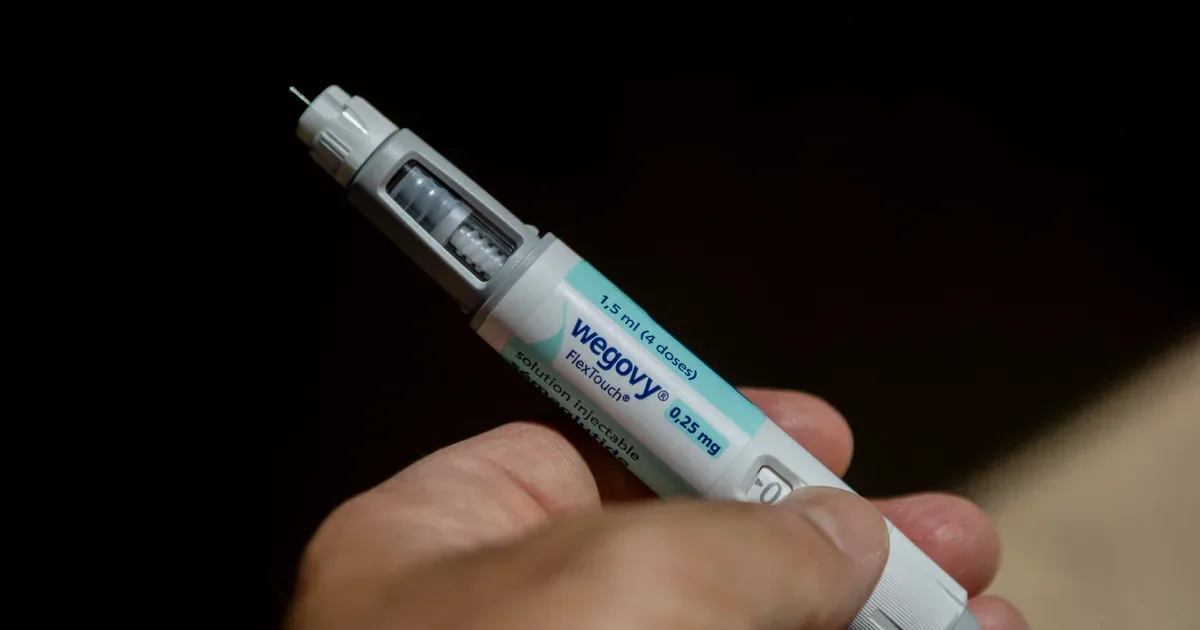
The advent of GLP-1 receptor agonists—medications like Semaglutide (Wegovy) and Tirzepatide (Mounjaro, Zepbound)—has revolutionized the treatment of obesity, offering unprecedented levels of weight loss. However, emerging research is sounding a crucial warning: the benefits achieved during treatment appear to diminish rapidly once the medication stops.
A comprehensive analysis conducted by researchers at the University of Oxford, published in the British Medical Journal (BMJ), synthesized data from 37 studies involving over 9,000 participants. The findings underscore that while these injectable therapies are highly effective during use, they may necessitate long-term commitment to maintain results.
The study’s central takeaway is stark: individuals discontinuing these powerful weight loss agents tend to regain the lost weight significantly faster than those who achieve weight loss through traditional behavioral interventions alone.
Comparing the Trajectories: Medication vs. Lifestyle Change
The Oxford research meticulously compared weight maintenance outcomes between those who utilized pharmacological support and those who relied on diet, exercise, and behavioral programs.
Rapid Rebound on Pharmacotherapy
For participants taking GLP-1 medications, the weight loss was substantial—an average of 8.3 kg over an average treatment period of 10 months. However, the subsequent weight regain was swift:
- Participants regained an average of 4.8 kg within the first year after stopping treatment.
- The full weight lost was typically regained within approximately 1.7 years.
- For those specifically on Semaglutide or Tirzepatide, who lost nearly 15 kg on average, 10 kg was regained within one year.
The Longevity of Lifestyle Adjustments
In contrast, individuals who achieved weight loss through structured diet and exercise programs, supported by appropriate behavioral coaching, demonstrated greater durability in their results. While they, too, generally regained weight over time, this process took significantly longer—just under four years.
Professor Susan Jebb, a lead author from the University of Oxford, summarized the disparity: “The rate of weight regain is almost four times faster than after behavioural programmes, and that’s regardless of the amount of weight loss during treatment.”
| Intervention Group | Average Weight Loss (During Treatment) | Time to Regain ~50% of Lost Weight | Time to Return Near Baseline Weight |
|---|---|---|---|
| GLP-1 Medications (Semaglutide/Tirzepatide) | ~15 kg | Within 1 year | ~1.5 years |
| Behavioral/Dietary Programs | (Varies) | Longer than 1 year | Closer to 4 years |
The Loss of Cardiometabolic Benefits
The implications of this rapid weight regain extend beyond the number on the scale. The study noted that the associated health improvements seen during treatment—specifically better blood sugar control, improved cholesterol profiles, and lower blood pressure—also reversed in tandem with the weight gain.
“The cardiometabolic benefits essentially parallel weight - and so as weight is regained, the cardiometabolic benefits are lost,” stated Professor Jebb. Cardiometabolic measures returned to baseline levels approximately 1.4 years after medication discontinuation.
This suggests that for patients using these drugs to manage Type 2 diabetes or high cardiovascular risk, stopping the medication effectively reverses the protective effects, necessitating a re-evaluation of long-term management strategies.
Why Does Weight Rebound So Quickly?
Obesity is fundamentally understood as a chronic, relapsing condition, much like hypertension or high cholesterol. Experts suggest that GLP-1 medications treat the physiological drivers of obesity, and when the treatment is withdrawn, those drivers resurface.
Dr. Adam Collins, Associate Professor of Nutrition at the University of Surrey, offered a plausible biological explanation:
Precision tracking for your journey
Join thousands using Shotlee to accurately track GLP-1 medications and side effects.
📱 Get the Shotlee App
Track your GLP-1 medications, peptides, and health metrics on the go with our mobile app!
The 'GLP-1 Fix' Withdrawal
“Artificially providing GLP-1 levels several times higher than normal over a long period may cause you to produce less of your own natural GLP-1, and may also make you less sensitive to its effects,” Dr. Collins explained. When the external supply is removed, appetite control is suddenly lost, leading to overeating.
This phenomenon implies that, for many, these drugs function best as a chronic therapy. As Professor Jebb suggested, “We should see this as a chronic treatment for a chronic condition, just in the same way as blood pressure medication.”
The Need for Integrated, Long-Term Support
The research strongly advocates for a shift in perspective regarding obesity treatment. If the benefits are to be sustained, some form of intervention must continue. This raises important questions for both patients and healthcare systems regarding access, duration, and cost.
Navigating Treatment Duration and Cost
Currently, prescribing guidelines vary. For instance, the NHS in the UK often limits Wegovy prescriptions to two years, though there is no formal time limit for Tirzepatide. Critically, many patients—especially in private healthcare settings—stop treatment due to high out-of-pocket costs, side effects, or reaching a personal goal weight.
Experts caution that patients paying privately must be fully informed about the “very high risk of rapid weight regain when treatment ends” to make financially informed decisions about the necessity of ongoing use.
Combining Treatments for Better Adherence
The study confirmed that combining behavioral programs (diet and exercise) with medication leads to greater initial weight loss. However, when the drug stops and appetite returns, the learned behavioral strategies often prove insufficient to maintain the new weight without the drug’s appetite suppression.
Conversely, those who relied solely on behavioral programs may have practiced those strategies more intensely, leading to better long-term adherence.
The Missing Piece: Nutritional Guidance
Adding another layer of complexity, separate research published in Obesity Reviews highlighted a potential gap in current care: nutritional deficiencies.
Dr. Marie Spreckley of the University of Cambridge noted that many patients experience significant appetite suppression but receive “little or no structured guidance on diet quality, protein intake, or micronutrient adequacy.” Without integrated nutritional care, there is a risk of swapping weight-related issues for preventable muscle loss or deficiencies.
Practical Takeaways for Patients
For patients currently using or considering GLP-1 therapy, this research emphasizes proactive planning:
- Discuss Long-Term Plans: Engage with your provider about what happens when you reach your goal weight or if you must stop the medication.
- Integrate Support Now: Use the time on medication to build robust, sustainable habits, as these will be crucial for post-medication maintenance.
- Track Progress Holistically: Utilize tools like the Shotlee app to meticulously log not just weight, but also symptoms, energy levels, and dietary intake. This data is vital for understanding your body’s response to dose changes or cessation.
- Prioritize Nutrition: Actively seek guidance on maintaining muscle mass and nutrient intake, especially when appetite is suppressed.
Conclusion: Obesity Treatment as a Chronic Partnership
The rapid weight regain observed after discontinuing Semaglutide and Tirzepatide treatments confirms that these medications are powerful tools, not permanent cures, for a chronic disease. The data strongly suggests that achieving long-term success requires a commitment to ongoing intervention—whether that means lifelong medication adherence, a return to intensive behavioral programming, or a strategic, intermittent use of the drugs supported by robust lifestyle coaching.
For patients and clinicians, the focus must now shift from maximizing short-term weight loss to establishing a sustainable, multi-faceted, and potentially lifelong management strategy.