
The Collision Course: GLP-1 Use Meets Menopause and Bone Health
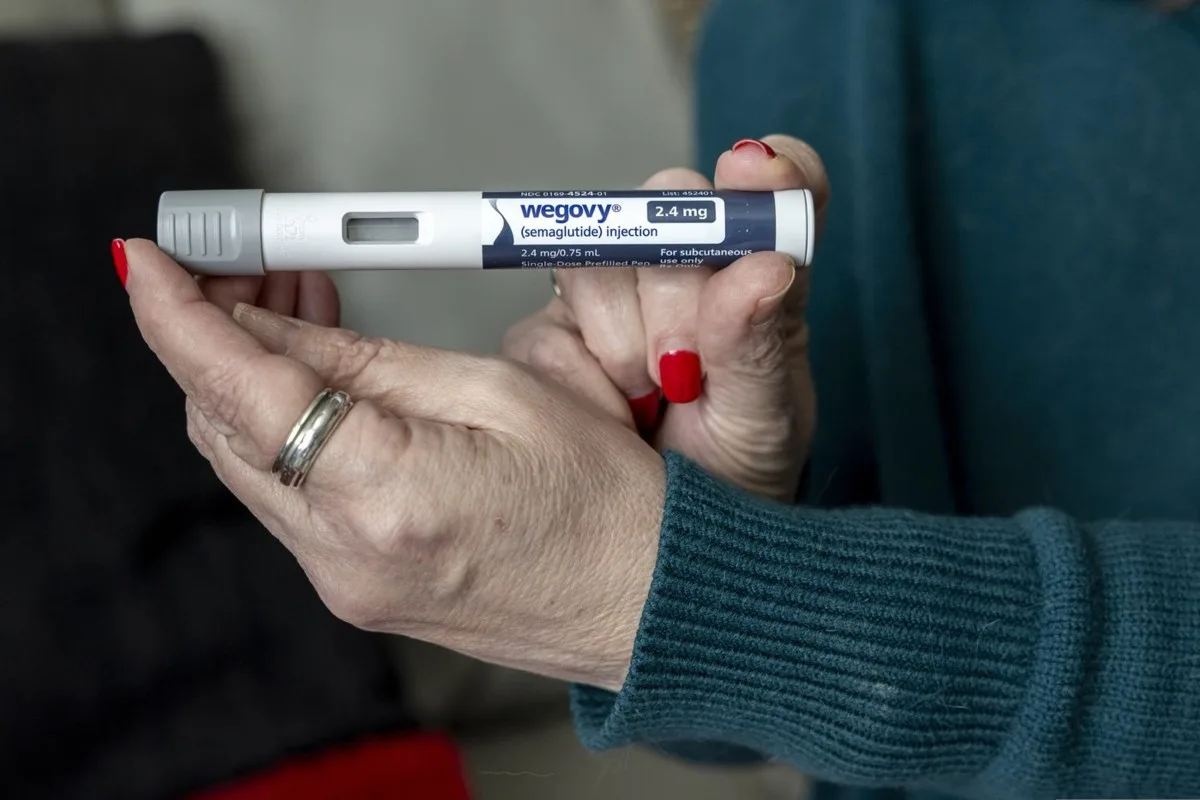
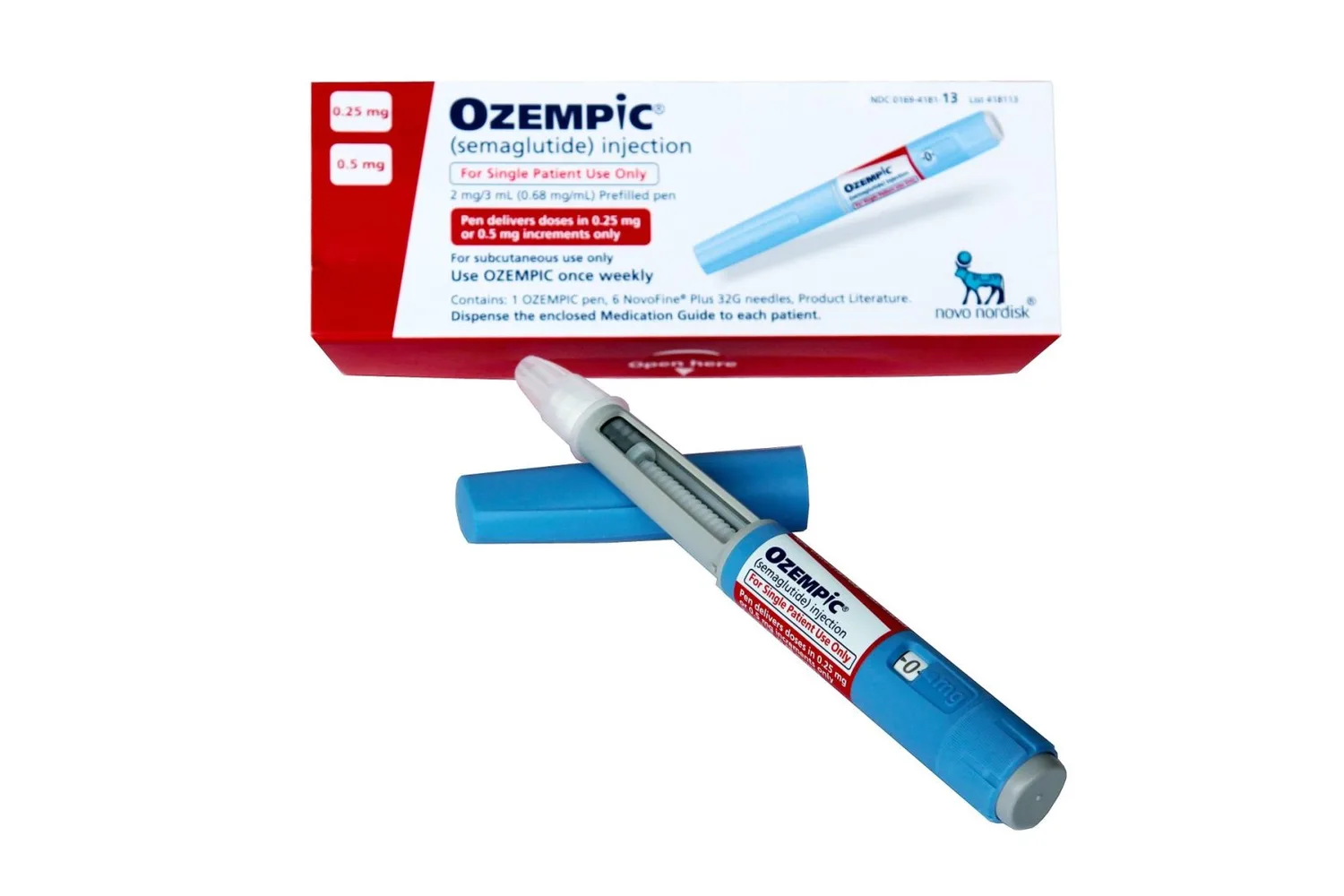
Millions of women are currently leveraging the powerful appetite-suppressing effects of GLP-1 receptor agonists—medications such as Ozempic, Wegovy, Mounjaro, and Zepbound—to manage weight, particularly during the menopausal transition. However, leading bone health researchers are sounding the alarm, suggesting that this widespread trend may be setting up postmenopausal women for significant long-term skeletal fragility.
Dr. Wendy Kohrt, a distinguished bone health researcher at the University of Colorado Anschutz School of Medicine, describes the current situation as a potential “perfect storm.” This storm arises from the convergence of two powerful physiological shifts: the natural, accelerated bone loss associated with menopause and the rapid weight reduction induced by these peptide therapies.
“Postmenopausal women are already at a time of life when they’re losing bone at an accelerated rate,” Dr. Kohrt noted. “They are seeking a treatment with GLP-1 drugs that will likely accelerate bone loss even more.”
Why Menopause Already Puts Bones at Risk
To understand the heightened concern, it is crucial to recognize the baseline vulnerability of women after menopause. Estrogen plays a vital, protective role in maintaining bone mineral density (BMD). As estrogen levels plummet during menopause, the rate at which the body breaks down old bone outpaces the rate at which it builds new bone, leading to gradual but significant density loss.
This natural decline places women at a higher risk for osteopenia and, eventually, osteoporosis. Current standard screening guidelines often recommend routine bone density scans (DEXA scans) starting around age 65. However, with the high uptake of GLP-1 medications among women aged 50 to 64—where approximately one in five have tried these treatments, according to UCHealth data—this timeline may be dangerously late.
The Mechanism: Rapid Weight Loss and Muscle Mass Depletion
The concern isn't solely tied to the GLP-1 drugs themselves, but rather the speed and manner in which weight is lost while taking them. When significant weight loss occurs rapidly, the body often sheds not just fat, but also vital lean muscle mass.
Muscle Strength and Skeletal Integrity
Strong muscles are essential for maintaining strong bones. Muscles exert mechanical stress on bones during movement, which signals the bone tissue to remain dense and robust. When muscle mass diminishes, this protective signaling weakens.
Dr. Kohrt’s previous research has illuminated this connection. A 2006 study demonstrated that women who lost approximately 10 pounds over six months through cardiovascular exercise also experienced measurable bone loss, even when the majority of that weight reduction was fat rather than muscle. Crucially, the exercise itself did not appear to offer sufficient protection against the bone loss associated with the weight reduction.
Compounding this issue is the reality of adherence to GLP-1 therapy. Research cited by UCHealth indicates that about two-thirds of individuals discontinue GLP-1 treatment within a year, often due to side effects or cost. While weight regain is common after stopping these medications, the lost bone density may not be recovered.
Can Exercise Mitigate GLP-1 Induced Bone Loss?
Given the importance of physical activity, many patients ask whether increased exercise can counteract the skeletal risks associated with rapid weight loss from semaglutide or tirzepatide therapy.
Precision tracking for your journey
Join thousands using Shotlee to accurately track GLP-1 medications and side effects.
📱 Get the Shotlee App
Track your GLP-1 medications, peptides, and health metrics on the go with our mobile app!
The current evidence suggests that while exercise is vital for overall health, its role in fully preventing bone loss during significant weight reduction is limited.
- Cardiovascular Exercise: Activities like walking, running, or cycling, while excellent for heart health, do not appear to offer meaningful protection for bone density when substantial weight loss is occurring.
- Resistance Training: Weight lifting and other resistance-based exercises are superior because they directly challenge the muscles, which in turn stimulates bone maintenance. However, even dedicated resistance training may not fully prevent bone loss in the context of rapid, drug-induced weight reduction.
- Osteoporosis Management: For women already diagnosed with osteoporosis, exercise alone is insufficient to prevent fractures; medical intervention via FDA-approved medications is required.
Navigating the Decision: Pre-Treatment Screening and Risk Assessment
For women approaching or in menopause who are considering starting a GLP-1 medication for weight management, proactive consultation with their healthcare provider is paramount. This discussion must weigh the immediate benefits of weight loss against the potential long-term skeletal consequences.
Dr. Kohrt strongly recommends that women obtain a baseline bone density scan (DEXA scan) before initiating GLP-1 therapy, especially if they are under the current age threshold for routine screening.
Key Considerations Before Starting Therapy:
| Factor | Relevance to GLP-1 Use | Action Recommended |
|---|---|---|
| Current Bone Density (BMD) | Establishes baseline before potential accelerated loss. | Schedule DEXA scan prior to first injection/pill. |
| Muscle Mass Status | Rapid weight loss often correlates with muscle loss. | Incorporate dedicated resistance training immediately. |
| Duration of Therapy | Longer use may correlate with greater cumulative bone loss. | Discuss long-term skeletal monitoring plan with physician. |
| Weight Regain Potential | Bone lost during treatment may not return upon weight regain. | Develop a sustainable maintenance plan post-therapy. |
Broader Safety Considerations for Peptide Therapies
While bone health is a critical, emerging concern for postmenopausal women, it is important to note that GLP-1 medications carry other established risks that require patient awareness.
Recent psychiatric research has highlighted concerns regarding misuse. A study published in JAMA Psychiatry found that nearly one-third of individuals with diagnosed eating disorders reported using a GLP-1 injection, with over 10% admitting to misuse. This raises concerns that some individuals may be using these powerful drugs to fuel disordered eating patterns rather than achieving sustainable health goals.
Furthermore, individuals with specific medical histories must exercise caution or avoid these medications entirely:
- A history of certain types of thyroid cancers.
- Pancreatitis.
- Severe gastrointestinal conditions, such as gastroparesis (stomach paralysis).
As the pharmaceutical landscape evolves, new formulations are emerging, including oral GLP-1 pills that have shown efficacy comparable to injectables in recent trials, potentially offering an easier route to adherence for some patients.
Practical Takeaways for Shotlee Users
For those tracking their progress using platforms like Shotlee, this new research emphasizes the need to track more than just weight loss. When managing GLP-1 therapy, ensure your tracking regimen includes:
- Symptom Logging: Note any new joint pain or muscle weakness, which could signal bone or muscle density changes.
- Activity Tracking: Log resistance training sessions separately from cardio to ensure muscle-building activity is prioritized.
- Dose and Timing: Keep precise records of medication dosage and start/stop dates to correlate with any physiological changes.
Conclusion
GLP-1 medications represent a significant advancement in managing obesity and related metabolic conditions. However, for the millions of women navigating menopause, the confluence of hormonal shifts and rapid weight loss demands a cautious, informed approach. Prioritizing a baseline bone density scan and integrating rigorous resistance training alongside medical guidance can help mitigate the risk of future fractures, ensuring that the journey toward weight management does not compromise long-term skeletal health.