
The Unforeseen Impact of GLP-1s on Your Sex Drive
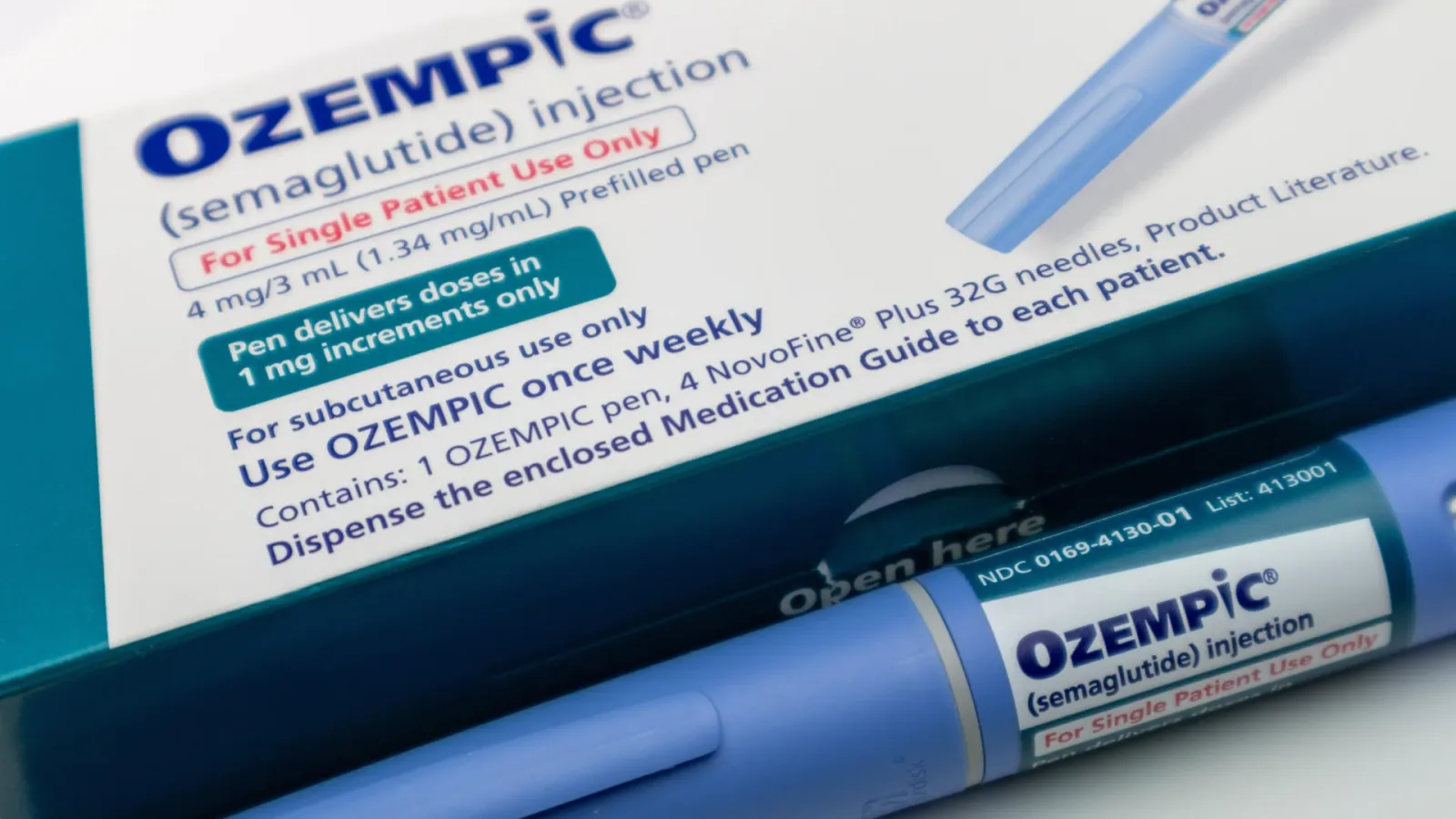
In recent years, GLP-1 receptor agonists – medications like Ozempic, Wegovy, and Mounjaro – have become household names, revolutionizing the treatment of Type 2 diabetes and offering a powerful new avenue for weight loss. While their benefits for metabolic health are widely celebrated, these drugs can also influence aspects of our lives that are often overlooked in mainstream discussions: our sex drive and sexual function. The journey with GLP-1s is proving to be more complex than just managing blood sugar or shedding pounds; for many, it involves navigating unexpected shifts in desire and intimacy.
Sexual desire is a multifaceted experience, intricately linked to our physical health, psychological state, and hormonal balance. Experts are now shedding light on how GLP-1 medications can profoundly impact this delicate system, leading to a spectrum of responses. Some individuals report a significant surge in libido, while others experience a noticeable decrease. Understanding these varied reactions is key to managing expectations and addressing potential concerns. This article explores the science behind these effects, drawing on insights from leading medical professionals and recent research to provide a comprehensive guide.
Understanding GLP-1s: More Than Just Appetite Suppressants
GLP-1 receptor agonists are a class of medications designed to mimic the action of glucagon-like peptide-1 (GLP-1), a natural hormone produced in the gut. This hormone plays a crucial role in regulating blood sugar and appetite, and it's released primarily in response to eating, especially when consuming sugars and fats.
Dr. Carl Streed Jr., an associate professor of Medicine at Boston University, explains that GLP-1 "signals, among many pathways, for our gut to slow down (gastric emptying) and promotes feeling full (satiety)." When we refer to GLP-1 medications, we are typically talking about GLP-1 receptor agonists, which act similarly to the natural hormone. These medications effectively slow down the digestive process, increase feelings of fullness, and help stabilize blood sugar levels. The result is a reduced appetite, leading to smaller portion sizes and fewer cravings, which are central to their effectiveness in weight management and diabetes control.
While the most commonly discussed side effects of GLP-1s involve gastrointestinal issues like nausea, bloating, and changes in bowel habits, their influence extends to more intimate aspects of health. The intricate interplay of hormones, brain chemistry, and physical well-being means that these medications can indeed alter how individuals experience sexual desire.
The Dual Impact: Why GLP-1s Can Boost or Dampen Libido
The effects of GLP-1s on libido are not uniform; they can swing in opposite directions for different individuals. Dr. Justin Lehmiller, a senior research fellow at the Kinsey Institute and co-author of a study on GLP-1s and dating, notes that the reasons are multifaceted, encompassing direct drug effects on the body and brain, as well as potential side effects and the broader impact of weight loss itself.
A study led by Dr. Lehmiller revealed a near-even split in reported experiences: 18% of participants experienced an increase in sexual desire, while 16% reported a decrease. Similarly, 16% noted improved sexual function, compared to 12% who experienced a decline. Interestingly, men were twice as likely as women to report becoming more sexually adventurous on these medications.
The psychological and social dimensions are also significant. Weight loss achieved through GLP-1s can lead to substantial improvements in self-esteem and body image. For some, particularly within cultures that place a high value on thinness, this newfound confidence can translate directly into a heightened sex drive and a greater willingness to explore their sexuality. As Dr. Evan Goldstein, a leading anal health expert, points out, "When you feel lighter and more confident in your body, then your perception of yourself blossoms, and that'll likely make its way into the bedroom."
Factors Contributing to Increased Libido:
- Improved Self-Esteem and Body Image: Weight loss can significantly boost confidence, leading to greater comfort and desire for sexual activity.
- Hormonal Changes: GLP-1s can influence hormone levels, including potentially increasing testosterone, which is linked to heightened sex drive and sexual function in all genders.
- Enhanced Physical Health: Better blood sugar control, reduced blood pressure, and improved cholesterol levels contribute to overall well-being, which can positively impact sexual vitality.
- Reduced "Food Noise": For some, quieting obsessive thoughts about food can free up mental energy and focus, potentially redirecting it towards other areas of life, including intimacy.
Factors Contributing to Decreased Libido:
- Gastrointestinal Side Effects: Nausea, bloating, diarrhea, and constipation can make individuals feel unwell and unmotivated for sex.
- Reduced Appetite and Caloric Intake: If the medication significantly curtails appetite, leading to insufficient calorie and nutrient intake, the body may enter a state of perceived scarcity, prioritizing survival over sexual desire.
- Hormonal Fluctuations: While some hormonal changes can be beneficial, others might negatively impact libido. The interaction with hormone replacement therapy (HRT) in transgender individuals requires careful monitoring due to potential unforeseen effects.
- Altered Brain Motivations: GLP-1s can influence brain pathways related to motivation and reward, potentially dampening interest in various activities, including sex, food, or social interactions.
The Nuances of Sexual Function and GLP-1s
Beyond desire, GLP-1s can also influence the physiological aspects of sexual function. For some, particularly those experiencing erectile dysfunction (ED), improvements in vascular health and hormonal balance associated with weight loss and the medication itself can lead to better erectile function and potentially assist with achieving orgasm. This can be a significant benefit, enhancing sexual experiences for individuals and their partners.
Dr. Goldstein highlights that weight loss can impact hormones, specifically mentioning a decrease in estrogen and an increase in testosterone in males, which directly correlates with increased sexual drive and erectile function. Dr. Streed adds that studies suggest ED can improve on GLP-1s, which may enhance readiness for sexual activity.
Precision tracking for your journey
Join thousands using Shotlee to accurately track GLP-1 medications and side effects.
📱 Get the Shotlee App
Track your GLP-1 medications, peptides, and health metrics on the go with our mobile app!
However, the picture isn't universally positive. Some individuals have reported new or worsened issues with ED and premature ejaculation while on these medications. This underscores the highly individual nature of responses to GLP-1 therapy and the complex interplay of factors at play.
Navigating the Impact on Gay Men and Bottoming
The effects of GLP-1s can present unique considerations for gay men, particularly concerning the practice of bottoming. On one hand, the slowed gastric emptying and more regulated bowel movements experienced by some users can lead to more predictable and compact stool, potentially increasing confidence and spontaneity for anal sex. Dr. Goldstein notes that this can translate to being "more prepared for bottoming."
Conversely, the gastrointestinal side effects can be a significant deterrent. Bloating, constipation, gas, and general discomfort can make the prospect of anal sex unappealing or even painful. Dr. Goldstein also points to an increase in new anal tears (fissures) or worsening of hemorrhoids among some patients, along with pelvic spasms, which can render bottoming impossible.
To mitigate these issues, practical strategies are recommended:
| Strategy | Description |
|---|---|
| Dietary Adjustments | Increase fiber and water intake. Reduce consumption of heavy meals, fats, dairy, and alcohol. Opt for smaller, more frequent meals. |
| Bowel Management | Consider stool softeners or over-the-counter laxatives like Miralax to ensure predictable bowel function. |
| Timing | Plan sexual activity for times when you feel physically best, minimizing the impact of potential side effects. |
The goal is to achieve predictable bowel function that fosters confidence during sexual play, especially when bottoming.
What to Do If GLP-1s Negatively Affect Your Sex Drive
If you find that GLP-1 medications are diminishing your libido or causing discomfort with sexual activity, it's crucial to address these concerns proactively. Don't dismiss these effects as minor; your sexual health is an integral part of your overall well-being.
Here are actionable steps you can take:
- Prioritize Nutrition and Exercise: Ensure you are consuming adequate calories and nutrients from your smaller meals. Incorporate regular exercise to help maintain muscle mass, which can be lost with significant weight reduction, and to boost overall energy and mood.
- Communicate with Your Doctor: Report any and all side effects to your prescribing physician. They can help assess the situation and explore potential solutions.
- Seek Specialist Advice: Depending on the nature of the side effects, consulting with a urologist, endocrinologist, or a sexual health specialist can provide targeted guidance.
- Monitor Hormones: Blood work to check hormone levels (like testosterone) is essential. Adjustments or supplementation may be necessary.
- Consider Dose Adjustment: Your doctor may consider adjusting the dosage of your GLP-1 medication to optimize its benefits while minimizing adverse effects on your sex drive and function.
As Dr. Goldstein passionately advocates, "You deserve to have a great sex life, even while taking a GLP-1." Open communication with healthcare providers and a willingness to explore solutions are key to ensuring that your journey with these powerful medications supports your overall quality of life, including your sexual well-being.
For those tracking their health journey, including medication doses, side effects, and symptom changes, tools like Shotlee can be invaluable. By logging your experiences, you can provide your doctor with detailed, objective data, facilitating more informed treatment decisions and helping you manage the multifaceted impact of GLP-1 therapies.
Conclusion
GLP-1 receptor agonists represent a significant advancement in treating Type 2 diabetes and obesity, offering profound health benefits for many. However, their influence on libido and sexual function is a complex and often overlooked aspect of this therapy. The effects can range from a welcome boost in desire and function to a frustrating decrease. Understanding the potential mechanisms, from hormonal shifts and improved self-esteem to gastrointestinal distress and altered brain motivations, empowers individuals to have informed conversations with their healthcare providers. By actively managing diet, exercise, and seeking professional guidance, individuals can navigate these changes and strive for optimal well-being, ensuring that their treatment supports a fulfilling life in all its dimensions.