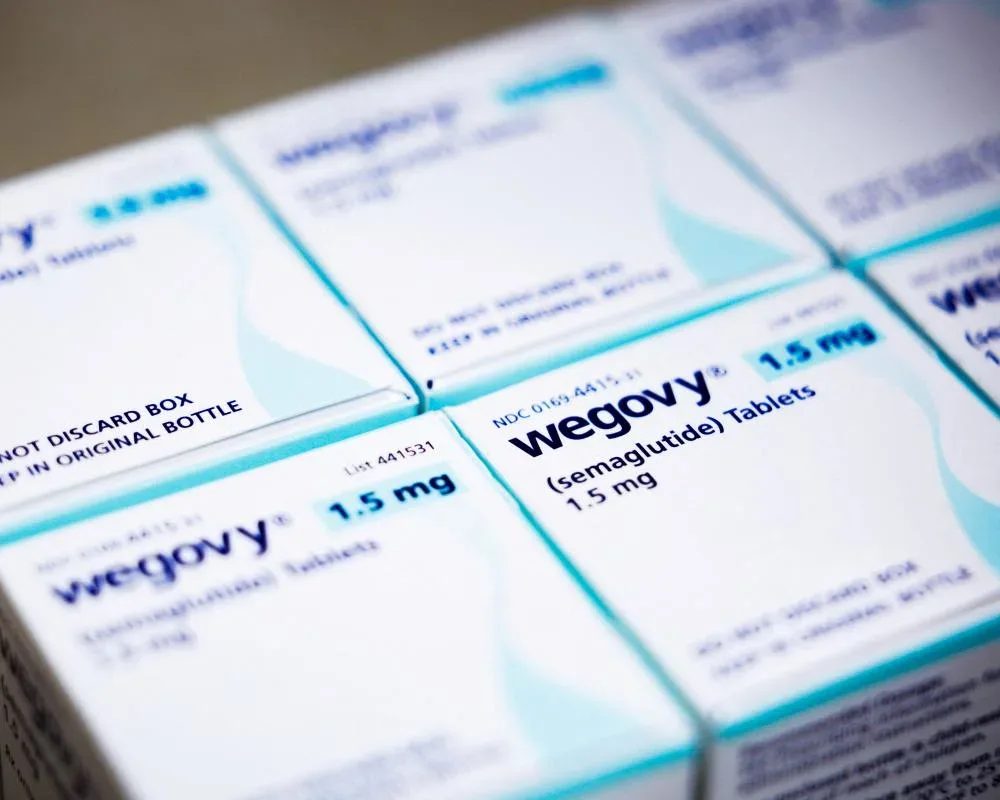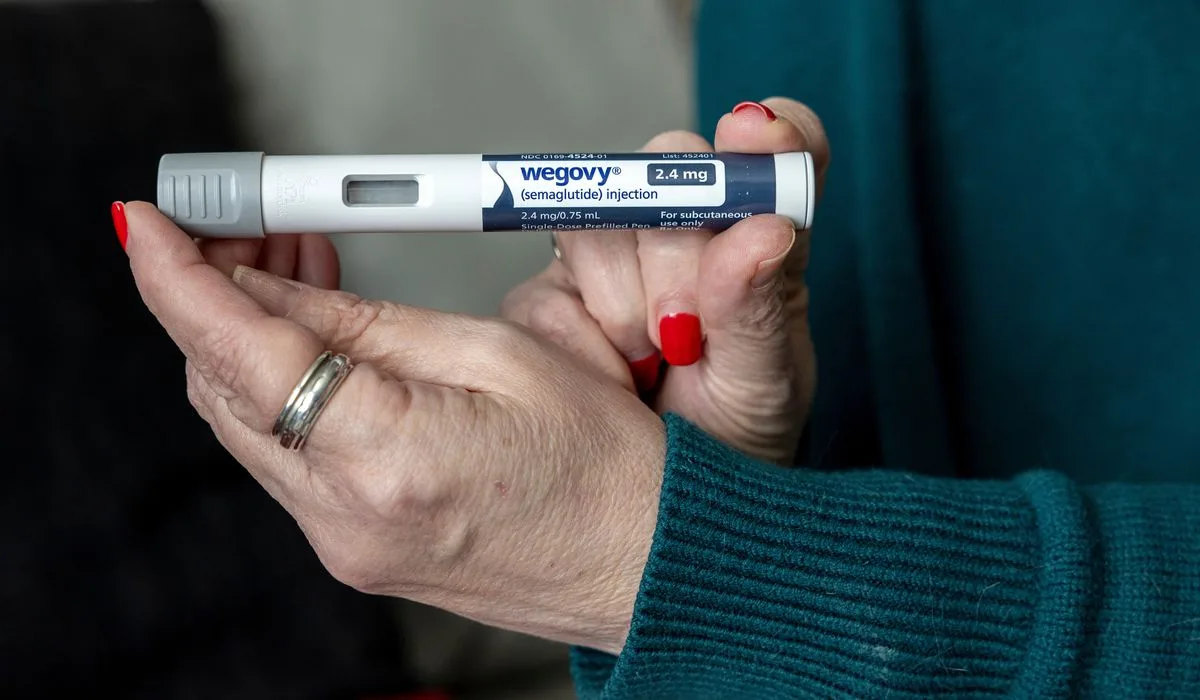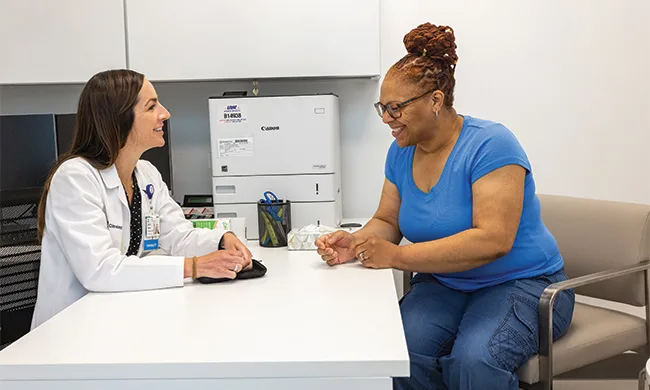

GLP-1 receptor agonists (GLP-1 RAs), such as Ozempic, Wegovy, and Mounjaro, have transformed metabolic health management for diabetes and obesity. However, a landmark study highlights gastrointestinal problems as the most common GLP-1 side effects, urging a balanced approach to their use. This analysis, led by Dr. Kaijie Yang of First Hospital of China Medical University, provides critical insights for patients and clinicians navigating these therapies.
The Groundbreaking Study on GLP-1 Side Effects
The new study involved a meticulous review of 60 different meta-analyses encompassing 1,751 randomized clinical trials with approximately three million participants. Researchers examined data on a wide range of potential complications, including gastrointestinal adverse events, cancer, fractures, respiratory problems, psychiatric side effects, liver problems, and others.
GLP-1 medications work by mimicking the glucagon-like peptide-1 hormone, which slows gastric emptying, enhances insulin secretion, and promotes satiety. This mechanism explains why gastrointestinal issues dominate the safety profile, as delayed stomach motility can lead to symptoms like nausea and bloating.
Methodology and Scope
By aggregating data from thousands of trials, the study offers a robust overview of real-world risks and benefits. It differentiates consistent signals from preliminary ones, helping physicians weigh options for individualized care.
Key Findings: Gastrointestinal Risks Lead the Way
The findings showed the most consistent risks involved gastrointestinal issues, with roughly double the likelihood of nausea, vomiting, and diarrhea compared to non-users. Researchers identified some signals suggesting a possible link to pancreatitis, but evidence for other side effects, such as gallbladder or biliary disease, was less clear.
These GI effects stem directly from the drugs' action on gut motility. For many patients, symptoms are mild and transient, resolving as the body adjusts to weekly injections or daily dosing. However, severe cases have prompted legal action, as detailed below.
Unexpected Protective Effects of GLP-1 Medications
Beyond risks, the analysis suggested that GLP-1 medications may offer some protective effects against infections, respiratory diseases, bone fractures, and dementia. Findings related to cancer remained inconclusive, warranting further research.
This dual profile underscores GLP-1 RAs' complexity. For instance, their anti-inflammatory properties may contribute to respiratory and neuroprotective benefits, making them valuable beyond glucose control.
"GLP-1 RAs continue to be a cornerstone of antidiabetic therapy but should not be misconstrued as a panacea. The complex profile that emerged from our findings was characterized by potential neuroprotective and respiratory benefits coexisting with safety signals related to gastrointestinal events, such as nausea and vomiting."
- Dr. Kaijie Yang, GLP-1 Receptor Agonists and Noncardiometabolic Outcomes
Ongoing GLP-1 Lawsuits: Stomach Paralysis and Vision Loss
Lawyers are pursuing Ozempic, Wegovy, and Mounjaro lawsuits over serious side effects, including stomach paralysis (gastroparesis), other gastrointestinal injuries, and NAION (non-arteritic anterior ischemic optic neuropathy), a rare optic nerve injury linked to sudden and potentially permanent vision loss.
Precision tracking for your journey
Join thousands using Shotlee to accurately track GLP-1 medications and side effects.
📱 Get the Shotlee App
Track your GLP-1 medications, peptides, and health metrics on the go with our mobile app!
GLP-1 Stomach Paralysis Lawsuits
Drug makers Novo Nordisk and Eli Lilly currently face more than 3,300 GLP-1 stomach paralysis lawsuits filed in federal courts nationwide. Plaintiffs claim severe injuries due to the delayed gastric emptying effects of the medications. These claims are consolidated into a multidistrict litigation (MDL) in the Eastern District of Pennsylvania, overseen by U.S. District Judge Karen Marston.
Judge Marston is coordinating discovery and pretrial proceedings, selecting representative cases for bellwether trials to gauge jury responses.
GLP-1 Vision Loss Lawsuits
Similarly, Judge Marston oversees a consolidated MDL of GLP-1 vision loss lawsuits, consisting of dozens of claims—more than 50 filed so far. These stem from studies linking semaglutide-based drugs like Ozempic, Wegovy, and Rybelsus to NAION, which causes rapid blurred or reduced vision, including blindness, with often permanent optic nerve damage.
The judge will guide these through discovery, pretrials, and bellwether trials. Outcomes won't bind other cases but will influence settlements. Absent agreements, cases may return to originating districts.
What This Means for Patients on GLP-1 Therapy
The researchers concluded that these findings make it clear doctors should approach GLP-1 use as part of individualized therapeutic strategies instead of routine prescriptions. Patients with a history of GI disorders may need alternatives like SGLT2 inhibitors or lifestyle interventions first.
Practical Guidance:
- Monitor for nausea, vomiting, or persistent abdominal pain; report to your doctor promptly.
- Start at low doses (e.g., 0.25mg semaglutide weekly) and titrate slowly.
- Stay hydrated and eat smaller meals to mitigate GI effects.
- Tools like Shotlee can help track symptoms, side effects, or medication schedules for better doctor discussions.
Compared to older diabetes drugs like sulfonylureas, GLP-1s offer superior weight loss and cardiovascular benefits but require vigilance for GI tolerability. Always consult your healthcare provider before starting or stopping.
Safety Profile and Comparisons
While GI issues are most prevalent, severe events like gastroparesis remain rare (affecting <1% in trials). Vision risks like NAION are even less common but serious. Protective signals against fractures align with GLP-1s' role in preserving bone health via weight loss.
Key Takeaways
- Gastrointestinal adverse events (nausea, vomiting, diarrhea) are twice as likely with GLP-1s.
- Potential protections against infections, respiratory issues, fractures, and dementia.
- Over 3,300 stomach paralysis and 50+ vision loss lawsuits in MDLs under Judge Marston.
- Prioritize personalized prescribing; monitor closely.
Conclusion: Informed Choices in GLP-1 Therapy
This study reinforces GLP-1 medications' value while spotlighting GI dominance in side effects and emerging litigation. Patients should discuss risks, benefits, and monitoring with providers to optimize outcomes. Stay informed on lawsuit developments for potential implications on access and compensation.