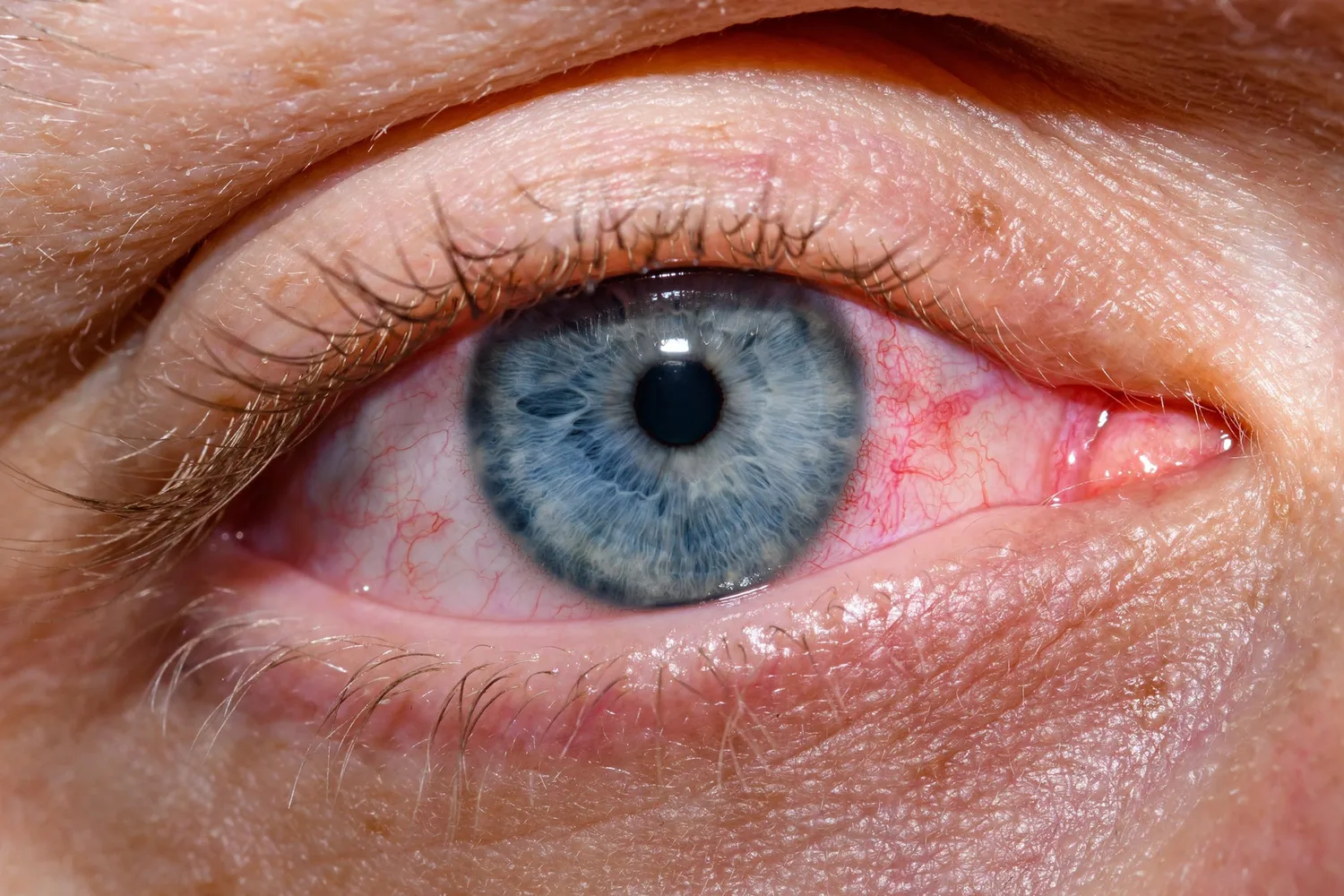

Wegovy Linked to Sudden Vision Loss Risk, Study Finds
A new study published in the British Journal of Ophthalmology has identified a potential link between Wegovy, a popular GLP-1 medication for weight loss, and an increased reporting of sudden vision loss known as "eye stroke" or ischemic optic neuropathy (ION). Analyzing millions of safety reports from the FDA Adverse Event Reporting System (FAERS), researchers found reports of this condition were far more strongly associated with Wegovy than with similar semaglutide-based treatments like Ozempic. This raises important questions for patients using these drugs for obesity management.
What is Ischemic Optic Neuropathy (ION)?
Ischemic optic neuropathy (ION) is a rare but serious condition where blood flow to the optic nerve suddenly decreases, depriving the nerve tissue of oxygen. This can lead to rapid symptoms including blurred vision, blind spots, or complete vision loss in one or both eyes. Often called an "eye stroke," ION is a medical emergency requiring immediate attention, as damage can be permanent.
ION typically affects adults over 50, with risk factors including hypertension, diabetes, sleep apnea, and certain medications. In the context of GLP-1 agonists like Wegovy (semaglutide 2.4 mg weekly injections for obesity), the study suggests a possible formulation- and dose-dependent risk, though causality remains unproven.
The Study Methodology: Diving into FAERS Data
To investigate potential links between obesity and diabetes medications and ION, researchers reviewed FAERS reports from December 2017 through December 2024. Out of 30,668,520 total adverse event reports, 31,774 involved semaglutide, with an average patient age of 56 and 54% women.
The analysis focused on specific GLP-1 and related treatments:
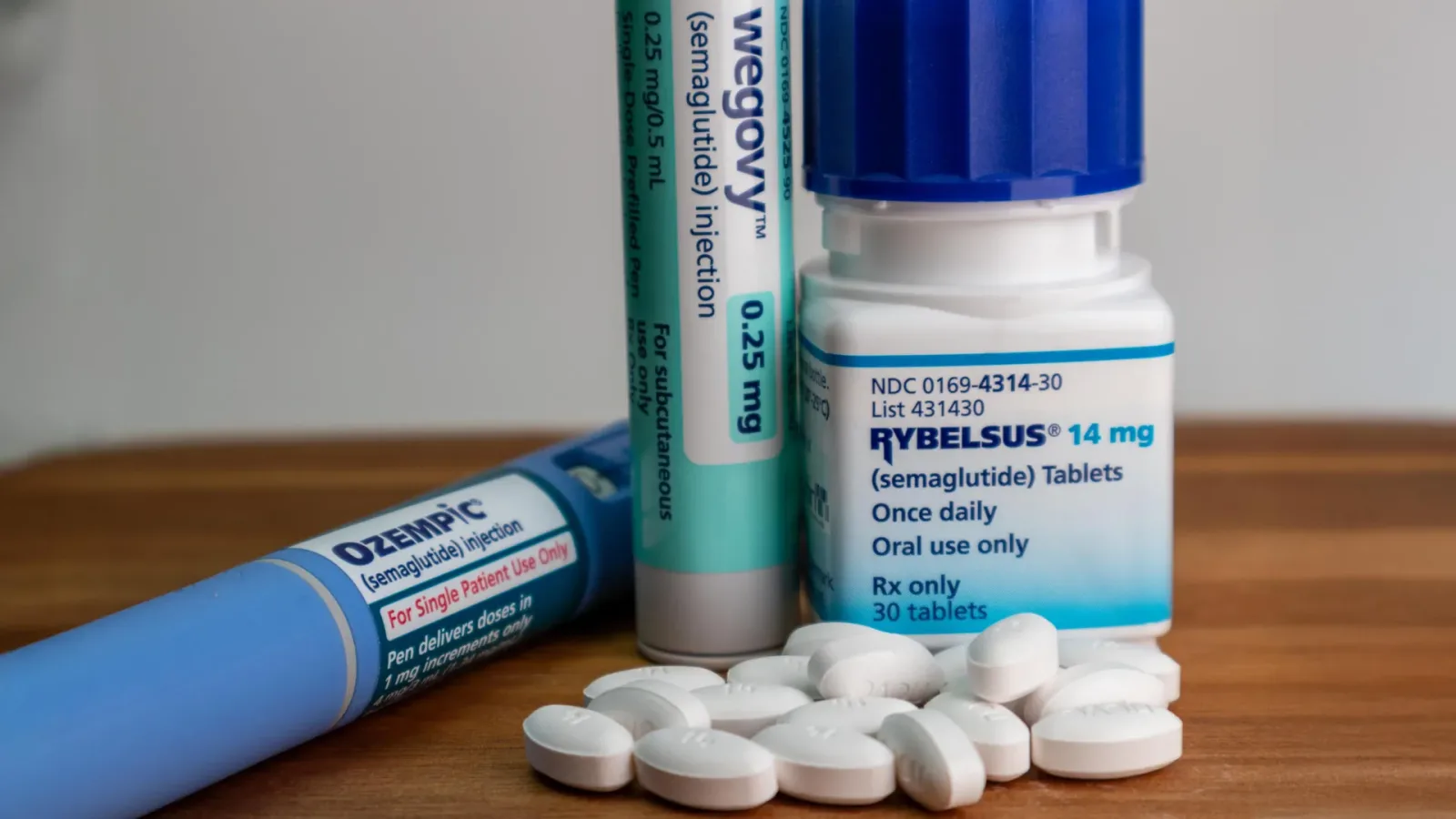
- Weekly Ozempic injections up to 2 mg for type 2 diabetes
- Weekly Wegovy injections up to 2.4 mg for obesity
- Daily Rybelsus tablets for type 2 diabetes
- Tirzepatide (dual GLP-1/GIP agonist): Mounjaro for type 2 diabetes and Zepbound for obesity
Reports came from multiple countries: Wegovy from 6 countries across 3 continents (3,070 total reports), Ozempic from 11 countries across 4 continents (20,608 reports). Ozempic generated about seven times more reports, likely due to its earlier approval in 2017 versus Wegovy's 2021 market entry.
Key Findings on ION Reports
Despite fewer overall reports, Wegovy showed the strongest association with ION:
- Wegovy: 28 reports; odds nearly 75 times higher
- Ozempic: 47 reports; odds nearly 19 times higher
- Generic semaglutide: 85 reports; odds of 21
No ION cases were reported for Rybelsus, and no safety signal was detected for tirzepatide (Mounjaro or Zepbound).
Sex-Specific Risks: Higher in Men on Wegovy
The analysis revealed notable differences by sex. The strongest signal was in men taking Wegovy, with odds 116 times higher. For Ozempic, the highest risk appeared in women, with nearly 27 times higher odds.
Overall, ION risk was nearly five times higher with Wegovy than Ozempic and more than three times higher in men than women. These disparities highlight the need for personalized risk assessments in GLP-1 therapy.
Precision tracking for your journey
Join thousands using Shotlee to accurately track GLP-1 medications and side effects.
📱 Get the Shotlee App
Track your GLP-1 medications, peptides, and health metrics on the go with our mobile app!
Possible Explanations for Differences Between Drugs
Researchers propose several factors may explain the stronger Wegovy signal. Injectable drugs like Wegovy and Ozempic act faster than oral Rybelsus, which has limited absorption and slower uptake—potentially accounting for no detectable Rybelsus signal.
"Injectable drugs act faster than oral tablets, and variations in how the drugs are delivered, their dose, and how they are prescribed may influence prescribing patterns and safety signals, with high-dose Wegovy probably driving the stronger association by predisposing to optic nerve hypoperfusion through intravascular volume contraction, hypotension with nocturnal dips and autonomic instability, although no direct clinical link has been established," the researchers explain.
The higher Wegovy dose (up to 2.4 mg vs. Ozempic's 2 mg) and its primary use in obesity patients could contribute via mechanisms like blood pressure drops or volume depletion affecting optic nerve blood supply.
Study Limitations and Context
FAERS relies on voluntary reports, so it cannot confirm causality, event frequency, or account for confounders like patients' other conditions, disease severity, or media-driven reporting (e.g., higher Wegovy publicity). Still, the authors conclude: "This study provides the first evidence of a formulation-and dose-dependent ION risk, with the strongest association observed for Wegovy." They call for "urgent prospective evaluation to guide prescribing and regulatory policy."
A related commentary echoes this: "These findings add to an emerging body of growing literature reporting ocular complications with [anti-obesity medications] which warrants further scrutiny and urgent clarification for ophthalmologists."
GLP-1 Drugs: Benefits vs. Emerging Risks
Wegovy (semaglutide) mimics GLP-1 hormone to reduce appetite, slow gastric emptying, and improve blood sugar control, leading to significant weight loss (15-20% body weight in trials). Similar to Ozempic, it offers metabolic benefits, including potential reductions in heart disease and stroke risk. However, as use surges—especially in high-obesity regions like the UK (29% adults obese, 64% overweight/obese)—monitoring rare side effects like ION is crucial.
Growing prescriptions in children over 12 amplify concerns for long-term ocular risks, despite potential benefits for conditions like age-related macular degeneration.
What This Means for Patients on Wegovy or Similar GLP-1s
If you're on Wegovy, Ozempic, or tirzepatide for weight loss or diabetes:
- Monitor vision closely: Report sudden blurred vision, blind spots, or color changes to your doctor immediately.
- Discuss risks: Especially if male, over 50, or with vascular risk factors. Ask about lower doses or alternatives like Rybelsus.
- Track symptoms: Apps like Shotlee can help log side effects, medication schedules, and vision changes for better doctor discussions.
- Lifestyle support: Manage blood pressure, hydration, and sleep to mitigate hypoperfusion risks.
Patients should not stop medications without consulting a healthcare provider, as benefits often outweigh rare risks.
Key Takeaways
- Wegovy shows the strongest FAERS signal for ION (75x odds), 5x higher than Ozempic.
- Men on Wegovy face 116x higher odds; women on Ozempic 27x.
- No signals for Rybelsus or tirzepatide.
- High-dose injectables may drive risk via hypotension/volume effects.
- Urgent need for prospective studies amid rising GLP-1 use.
Conclusion
This landmark study, titled "Ischemic optic neuropathy with semaglutide: global observational analysis of sex- and formulation-specific risk" (DOI: 10.1136/bjo-2025-328483), underscores a potential vision safety signal with Wegovy. While GLP-1s transform obesity and diabetes care, awareness of ION empowers informed decisions. Consult your ophthalmologist or endocrinologist for personalized guidance, and stay vigilant for eye health during treatment.