
What Are the Most Discussed Side Effects of GLP-1 Weight-Loss Drugs?
The widespread adoption of GLP-1 receptor agonists, including popular medications like Ozempic, Wegovy, and Mounjaro, has brought a surge of anecdotal reports about various side effects. While many of these are well-documented and expected outcomes of the drugs' mechanisms, others remain subjects of ongoing investigation and public discussion. Understanding which side effects have scientific backing versus those that are primarily hearsay is crucial for patients and healthcare providers alike. This article examines the evidence for some of the most talked-about potential side effects, focusing on what clinical trials, expert opinions, and adverse event reporting systems reveal about their prevalence and causes.
GLP-1 medications work by mimicking the action of the GLP-1 hormone, which plays a key role in regulating appetite and blood sugar. They signal the brain to reduce hunger, slow down digestion, and increase insulin secretion. These physiological changes are effective for weight loss and managing type 2 diabetes but can also lead to a range of gastrointestinal and metabolic adjustments that manifest as side effects. While manufacturers provide information on common and uncommon adverse events, the public discourse often raises concerns that require further scientific clarification.
Why Do Digestive Problems Occur with GLP-1 Medications?
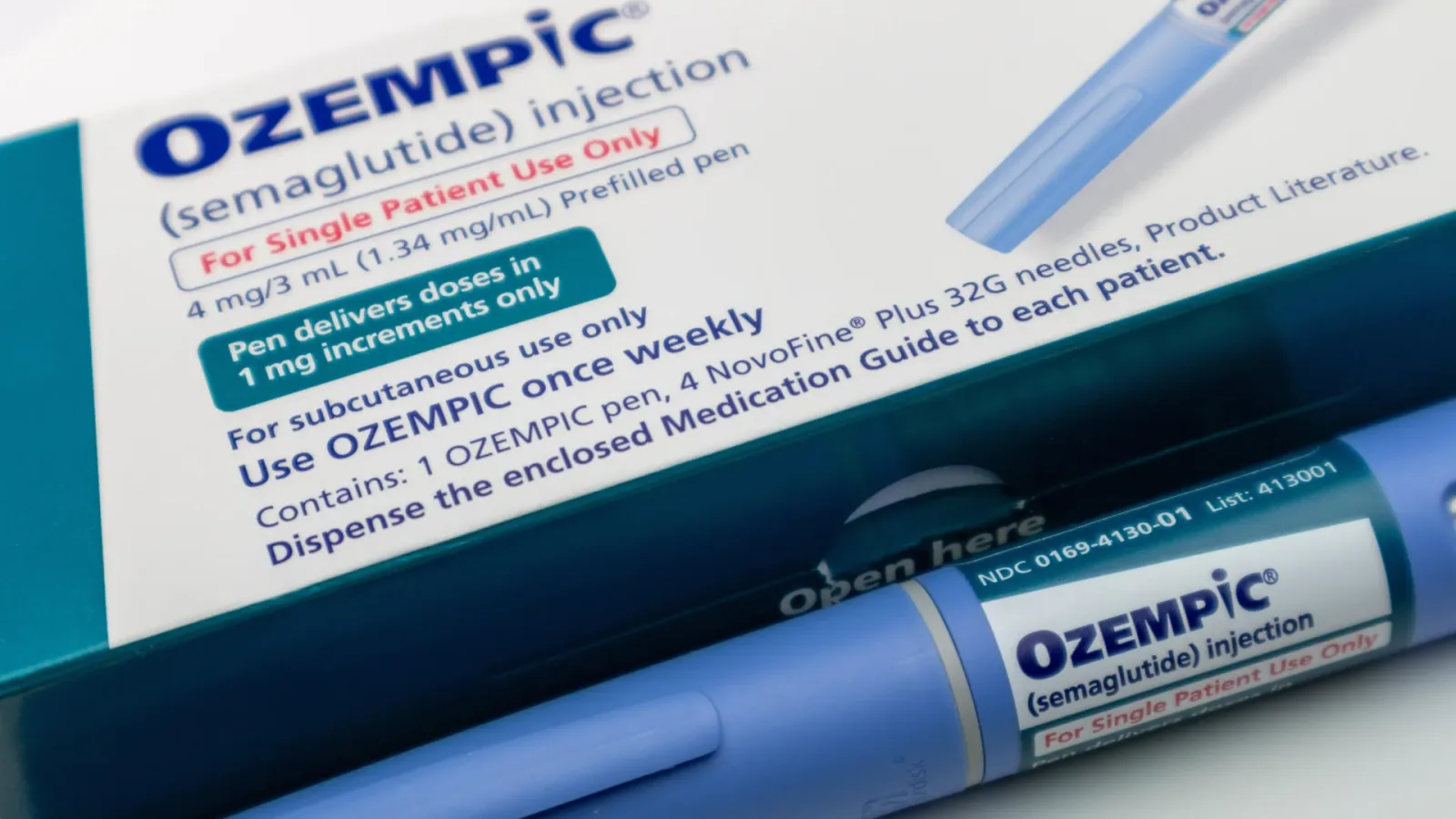
Digestive issues such as nausea, vomiting, diarrhea, and constipation are among the most frequently reported side effects associated with GLP-1 medications. These symptoms are directly linked to how these drugs function by slowing the rate at which food moves through the digestive tract and by affecting the signals between the gut and the brain that regulate digestion. This slowing of gastric emptying can lead to a feeling of fullness, reduced food intake, and consequently, these common gastrointestinal disturbances. For example, clinical trials for semaglutide (the active ingredient in Ozempic and Wegovy) consistently list nausea as a very common side effect, affecting over 10% of participants in some studies.
The mechanism behind these side effects is well-understood. GLP-1 agonists delay the emptying of the stomach, which means food stays in the stomach longer. This can contribute to feelings of fullness and nausea. Additionally, these medications can influence the motility of the intestines, leading to either constipation or diarrhea depending on the individual. Experts note that these side effects are typically most pronounced when starting the medication or increasing the dose and often diminish over time as the body adjusts. Patient information leaflets for these drugs commonly describe these gastrointestinal effects as 'very common' and usually transient.
What is the Risk of Eye Conditions with GLP-1 Drugs?
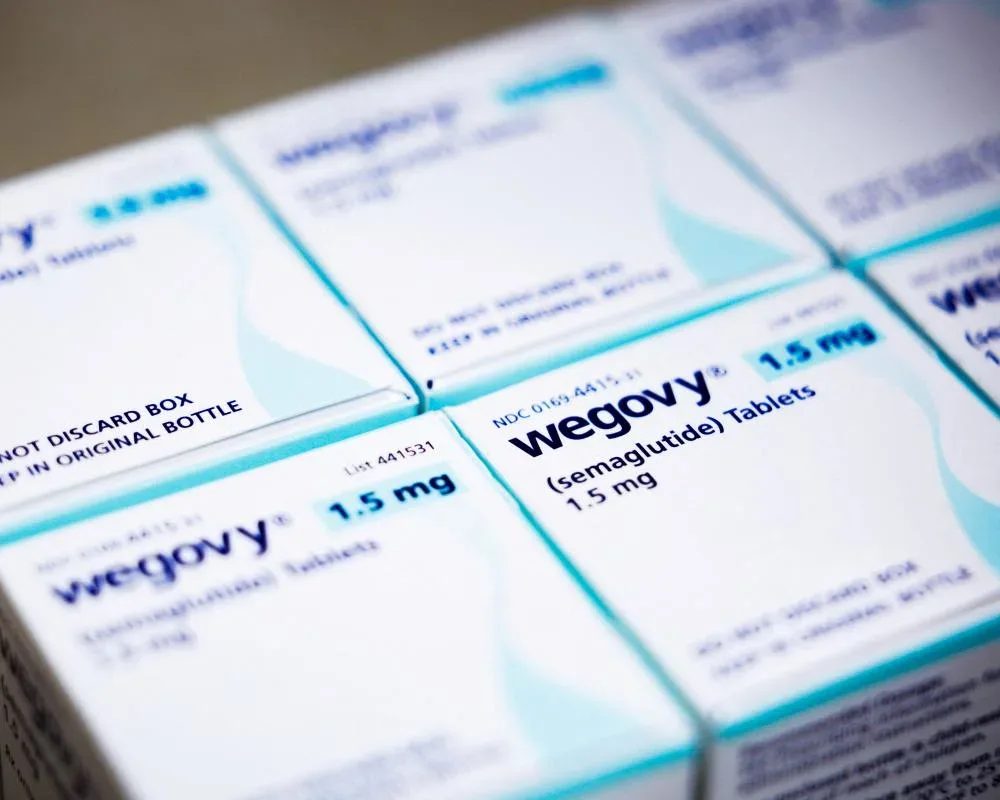
Concerns have been raised regarding the potential for GLP-1 medications to cause or exacerbate certain eye conditions. Notably, a study published last year suggested that individuals with diabetes using these drugs might face a doubled risk of developing age-related macular degeneration (AMD). Furthermore, adverse event reporting systems and matched cohort studies have indicated a potential link between some GLP-1 medications and non-arteritic anterior ischemic optic neuropathy (NAION), a serious condition that can lead to sudden and permanent vision loss. Pharmaceutical companies acknowledge these as possible side effects for some of their GLP-1 products, with warnings sometimes appearing in patient leaflets, such as for Wegovy.
While the association with NAION is a serious concern, it is considered extremely rare. Experts emphasize that the reported incidence is very low, and it is critical to differentiate between potential risks and common occurrences. The exact mechanisms by which GLP-1 agonists might influence these eye conditions are still under investigation. For AMD, the link might be related to the complex interplay of diabetes, metabolic changes, and vascular health, all of which are influenced by GLP-1 therapy. For NAION, it is thought to be a vascular event, but the direct causal link to GLP-1 drugs requires more robust evidence beyond observational data and case reports.
Why Are There Reports of Unexpected Pregnancies with GLP-1 Use?
Numerous reports have emerged of unexpected pregnancies occurring in individuals using GLP-1 medications, prompting strong recommendations for effective contraception. Plausible, though not yet definitively proven, explanations suggest that GLP-1 medications might interfere with the efficacy of oral contraceptives. Additionally, the significant weight loss achieved with these drugs could potentially increase fertility in women, leading to conception. However, conclusive research in this area is limited, partly because pregnancy and the intention to become pregnant were typically exclusion criteria in the initial clinical trials for these medications. Research into the impact of GLP-1 medications on male fertility is also in its nascent stages.
The UK's Medicines and Healthcare products Regulatory Agency (MHRA) advises against taking GLP-1 medicines during pregnancy or when trying to conceive due to insufficient safety data regarding potential harm to the baby. Similar warnings are standard in patient information leaflets. It's important to note that unplanned pregnancies can occur in individuals using oral contraceptives even without GLP-1 medication use, highlighting the need for comprehensive family planning discussions. The potential interaction with oral contraceptives is a key concern, as the effectiveness of hormonal birth control can be compromised by gastrointestinal side effects like vomiting or diarrhea, which are common with GLP-1s, or potentially by direct interference with absorption or metabolism.
Precision tracking for your journey
Join thousands using Shotlee to accurately track GLP-1 medications and side effects.
📱 Get the Shotlee App
Track your GLP-1 medications, peptides, and health metrics on the go with our mobile app!
What is 'Ozempic Face' and Is It a Real Side Effect?
The term 'Ozempic face' has gained traction on social media, describing perceived changes in facial appearance such as sunken eyes, increased wrinkles, and sagging skin after using GLP-1 medications. While these specific changes are not explicitly listed in patient information leaflets for GLP-1 drugs, cosmetic surgeons and dermatologists recognize them as a consequence of significant and rapid weight loss. The underlying cause is the loss of subcutaneous fat in the face, which provides volume and support to the skin, leading to a more aged or gaunt appearance. This phenomenon is not exclusive to any single GLP-1 medication but can occur with any intervention that leads to substantial body weight reduction.
The rapid loss of fat, including in the face, is a predictable outcome of effective weight-loss strategies, including bariatric surgery and intensive dieting. The speed at which weight is lost can exacerbate the effect, as the skin may not have sufficient time to retract and adapt to the reduced underlying tissue. While the term 'Ozempic face' specifically points to GLP-1 drugs, the effect itself is a broader consequence of rapid weight reduction. Maintaining hydration, a balanced diet, and considering non-invasive cosmetic treatments or fillers can help mitigate these aesthetic changes for individuals concerned about facial aging during their weight-loss journey.
What is the Evidence for Hair Thinning with GLP-1 Drugs?
Hair thinning has recently been highlighted in research suggesting a possible association with GLP-1 medications in adults with type 2 diabetes. This is not the first time a link has been suggested; patient leaflets for medications like Mounjaro and Wegovy already list hair loss as a common side effect. Experts have called for further investigation into this area, with current hypotheses suggesting that hair loss may be primarily due to rapid weight loss and its associated metabolic shifts and nutritional deficiencies, rather than the medications themselves. Studies have noted that hair loss is a frequent complication following metabolic and bariatric surgery, and it is also observed in individuals undergoing severe calorie restriction or 'crash dieting'.
The latest research analyzing data suggests that the observed association is largely driven by non-scarring forms of alopecia, such as telogen effluvium, which are often reversible. Telogen effluvium is a type of temporary hair shedding that occurs when stress or significant physiological changes push a large number of hair follicles into the resting phase. While the specific studies did not always track reversibility, the nature of telogen effluvium implies that as the body's metabolic balance is restored and nutritional status improves, hair regrowth typically follows. Ensuring adequate intake of essential nutrients, particularly protein, iron, and vitamins, is crucial for supporting hair health during rapid weight loss.
What is 'Ozempic Foot' and Does It Occur?
The term 'Ozempic foot,' describing a bony appearance of the feet and sometimes accompanied by foot pain, has been claimed as a side effect of GLP-1 medications, but it is not officially recognized in patient information leaflets. While studies specifically on 'Ozempic foot' are scarce, it appears that rapid weight loss, regardless of the method used, can affect the feet. Podiatrists have observed that a reduction in soft tissue and fat padding, particularly in the heels and balls of the feet, can diminish cushioning, leading to discomfort and pain. For instance, research following sleeve gastrectomy, a type of weight loss surgery, found a decrease in shoe size approximately one year post-operation, suggesting significant changes in foot structure and volume.
The loss of fat tissue in the feet can make them more susceptible to pressure and impact, potentially leading to conditions like metatarsalgia or heel pain. This effect is analogous to how rapid weight loss can alter facial contours. While GLP-1 medications facilitate weight loss, the impact on foot structure is likely a consequence of the overall reduction in body mass and fat distribution. Maintaining proper foot care, wearing supportive footwear, and ensuring adequate hydration can help manage discomfort associated with these changes. Patients experiencing foot pain should consult with their healthcare provider or a podiatrist.
Practical Takeaways for Managing GLP-1 Side Effects
- Consult Your Doctor: Always discuss any side effects with your healthcare provider. They can help determine if the symptom is related to the medication, its dosage, or another underlying issue.
- Stay Hydrated: Adequate fluid intake is crucial, especially when experiencing digestive upset like diarrhea or vomiting, and can help with overall metabolic function.
- Nutritional Support: Ensure a balanced diet rich in essential nutrients to mitigate risks like hair thinning or fatigue. Consider consulting a dietitian.
- Monitor Your Health: Use tools like the Shotlee app to track your symptoms, medication doses, and weight changes. This data can be invaluable for your doctor in managing your treatment.
- Patience is Key: Many common side effects, particularly gastrointestinal ones, tend to improve as your body adjusts to the medication over time.
Conclusion
GLP-1 receptor agonists represent a significant advancement in the treatment of type 2 diabetes and obesity, offering substantial benefits for many individuals. However, like all medications, they come with potential side effects. While digestive issues are common and expected, concerns like 'Ozempic face,' hair thinning, and eye conditions warrant careful consideration and further research. The evidence suggests that many of these effects are either directly related to the drugs' mechanisms of action, such as slowing digestion, or are indirect consequences of rapid weight loss itself. By staying informed, communicating openly with healthcare providers, and utilizing tools for health tracking, patients can navigate these potential challenges more effectively and safely on their journey towards improved health.
Frequently Asked Questions
- What is the most common side effect of GLP-1 medications?
- The most commonly reported side effects of GLP-1 medications are gastrointestinal issues, including nausea, diarrhea, constipation, and vomiting. These are generally dose-dependent and often improve as the body adjusts to the medication.
- Is 'Ozempic face' a scientifically proven side effect?
- 'Ozempic face,' characterized by facial aging signs like wrinkles and sagging, is not a direct side effect of the drug itself but rather a consequence of rapid weight loss. The reduction in facial fat volume leads to these aesthetic changes, which can occur with any significant weight reduction strategy.
- Can GLP-1 drugs cause permanent hair loss?
- While hair thinning is listed as a common side effect, it is often a temporary condition known as telogen effluvium, typically linked to the stress of rapid weight loss and metabolic changes. In most cases, hair regrowth occurs as metabolic balance is restored and nutritional intake is adequate. Permanent hair loss is not commonly associated with these drugs.
- What is the risk of vision loss with GLP-1 medications?
- There is a potential, though very rare, risk of developing non-arteritic anterior ischemic optic neuropathy (NAION), a condition that can cause sudden vision loss. Some studies also suggest a possible increased risk of age-related macular degeneration in people with diabetes using these drugs. However, these serious eye conditions are uncommon.
- Should I stop my GLP-1 medication if I experience side effects?
- It is crucial to consult your healthcare provider before stopping any medication. They can assess the severity of your side effects, adjust the dosage, suggest management strategies, or determine if an alternative treatment is more suitable for you.