
3 Ways Pharmacists Maximize Your GLP-1 Experience
Roughly 1 in 8 American adults take GLP-1 medications for diabetes or weight loss, and the number continues growing, according to a recent KFF Health poll. People considering these drugs understandably have many questions, ranging from which GLP-1 would be best, what side effects might they experience, and whether their insurance will cover it.
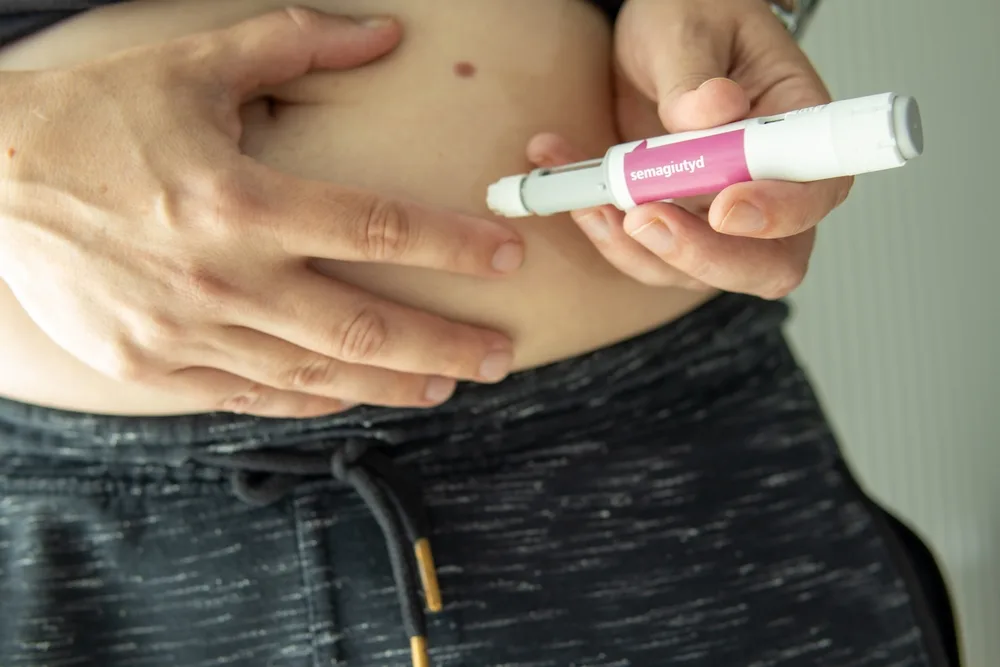
GLP-1 receptor agonists, such as semaglutide (found in Ozempic and Wegovy) and tirzepatide (in Mounjaro and Zepbound), mimic the glucagon-like peptide-1 hormone to regulate blood sugar, slow gastric emptying, and reduce appetite. This mechanism not only aids glycemic control in type 2 diabetes but also promotes significant weight loss, making them popular for metabolic health. However, their complexity—requiring titration, monitoring, and lifestyle integration—demands expert guidance.
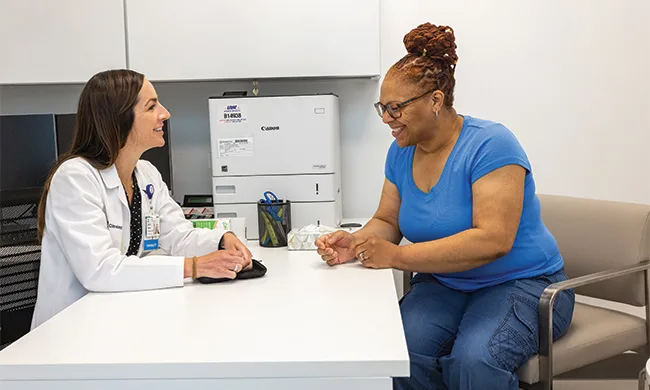
The health care professional who prescribes GLP-1s is a key source of information, but another vital partner is the medication expert on your health care team: your pharmacist.
"GLP-1s are more complicated than your typical antibiotic or medicines like cholesterol drugs, and they require particular expertise to manage effectively," said Martin Torres, PharmD, director of pharmacy, University of California, Irvine. "With their medication management expertise, pharmacists are particularly equipped to counsel people on GLP-1s. Our guidance can help people maximize benefits and minimize the risks."
GLP-1s are intended to be taken long-term, so it's helpful to consult with the pharmacist at your medical center or clinic. The health-system pharmacists who work collaboratively with doctors in these settings can serve as ongoing guides on your GLP-1 journey.
Why Pharmacists Play a Crucial Role in GLP-1 Therapy
Unlike short-term medications, GLP-1s involve gradual dose increases to build tolerance and effectiveness, often over weeks or months. Pharmacists bridge the gap between prescription and daily use, offering personalized advice on administration (injections or oral forms), storage, and adherence. Their training in pharmacotherapy ensures patients avoid common pitfalls, such as improper injection techniques that lead to wasted doses or reduced efficacy. For patients with comorbidities like cardiovascular disease or gastrointestinal issues, this expertise is invaluable.
1. Managing Costs of GLP-1 Medications
High costs are a major barrier to GLP-1 access, with monthly prices often exceeding $1,000 without coverage. Health-system pharmacists are an important resource for helping figure out how to pay for your medications.
Navigating Insurance Coverage
If you have insurance, they can help determine which GLP-1s your plan covers and which will suit you best. For instance, some plans prioritize diabetes indications over weight loss, affecting prior authorizations for drugs like Wegovy. Pharmacists review formularies, appeal denials, and suggest cost-effective alternatives within your coverage.
Exploring Alternative Payment Options
If your plan doesn't cover these drugs or you lack insurance, pharmacists can help you find alternative payment options, such as a drug-maker coupon or medication-support program. Manufacturers like Novo Nordisk and Eli Lilly offer savings cards that can reduce out-of-pocket expenses to as low as $25 per month for eligible patients. Pharmacists also connect you to patient assistance programs or compounding pharmacies for affordable versions where legally available.
Precision tracking for your journey
Join thousands using Shotlee to accurately track GLP-1 medications and side effects.
📱 Get the Shotlee App
Track your GLP-1 medications, peptides, and health metrics on the go with our mobile app!
2. Ensuring Effective and Safe Usage of GLP-1s
Figuring out the optimal dose and frequency for each patient typically takes time. Many people also experience side effects like nausea, vomiting, diarrhea, reflux, and constipation, especially during titration. Pharmacists can help you manage the risks and maximize the effectiveness of your GLP-1 in several ways.
- They're experts in flagging potential harmful interactions between GLP-1s and other medications or supplements you're taking. For example, GLP-1s can delay absorption of oral drugs like birth control or antibiotics, requiring timing adjustments.
- They can work with you to cope with or lessen side effects such as nausea, reflux, and constipation. Strategies include anti-nausea meds, dietary tweaks like smaller meals, or hydration tips.
- They can advocate to your doctor for increasing or decreasing your dose to get you to the safest effective amount and coordinate any other needed medication changes.
- They can teach you how to administer your medication properly to avoid waste, such as rotating injection sites or using pen devices correctly.
For ongoing monitoring, apps like Shotlee can help track symptoms, side effects, and injection schedules, providing data to share with your pharmacist for optimized care.
3. Supporting Lifestyle Changes with GLP-1 Therapy
Health-system pharmacists are also resources for lifestyle counseling to make the most of your GLP-1. There's a common misconception that GLP-1s simply melt away fat. Rather, by reducing cravings, they help people eat less—and that can open the door to developing healthier eating and activity habits.
Pharmacists can provide a wealth of information on the effects of lifestyle modifications. The strategies for healthy eating and physical activity they share can help make these a routine part of your life for long-term success. For example, they might recommend protein-rich meals to preserve muscle mass during weight loss or low-impact exercises like walking to enhance cardiovascular benefits. Studies show that combining GLP-1s with lifestyle changes yields 15-20% greater weight loss than medication alone.
Discontinuing a GLP-1: How Your Pharmacist Can Smooth the Transition
At least half the people who start GLP-1s will stop within the first year. High costs, insurance issues, and side effects are among the reasons people discontinue use. If you anticipate stopping your GLP-1, your health-system pharmacist can help smooth the transition.
A pharmacist's extensive knowledge of medications is valuable not only for starting but also for stopping GLP-1s. They can help by monitoring for rebound effects like weight regain or blood sugar spikes, recommending tapered discontinuation if needed, adjusting other diabetes or weight management meds, and suggesting nutritional support to maintain progress. This collaborative approach prevents complications and supports sustained metabolic health.
Key Takeaways for Your GLP-1 Journey
- Consult health-system pharmacists early for cost-saving strategies and coverage navigation.
- Rely on them for side effect management, drug interactions, and proper dosing.
- Integrate their lifestyle advice to amplify GLP-1 benefits long-term.
- Involve pharmacists in discontinuation to avoid setbacks.
Conclusion: Partner with Your Pharmacist for Optimal GLP-1 Results
To learn more about how health-system pharmacists can impact your overall health, visit yourpharmacist.org. By leveraging their expertise, patients can achieve better adherence, fewer complications, and superior outcomes with GLP-1 medications. Discuss your specific needs with your pharmacist today to personalize your therapy.