
Tapatío: Secret Weapon Against GLP-1 Induced Taste Loss?
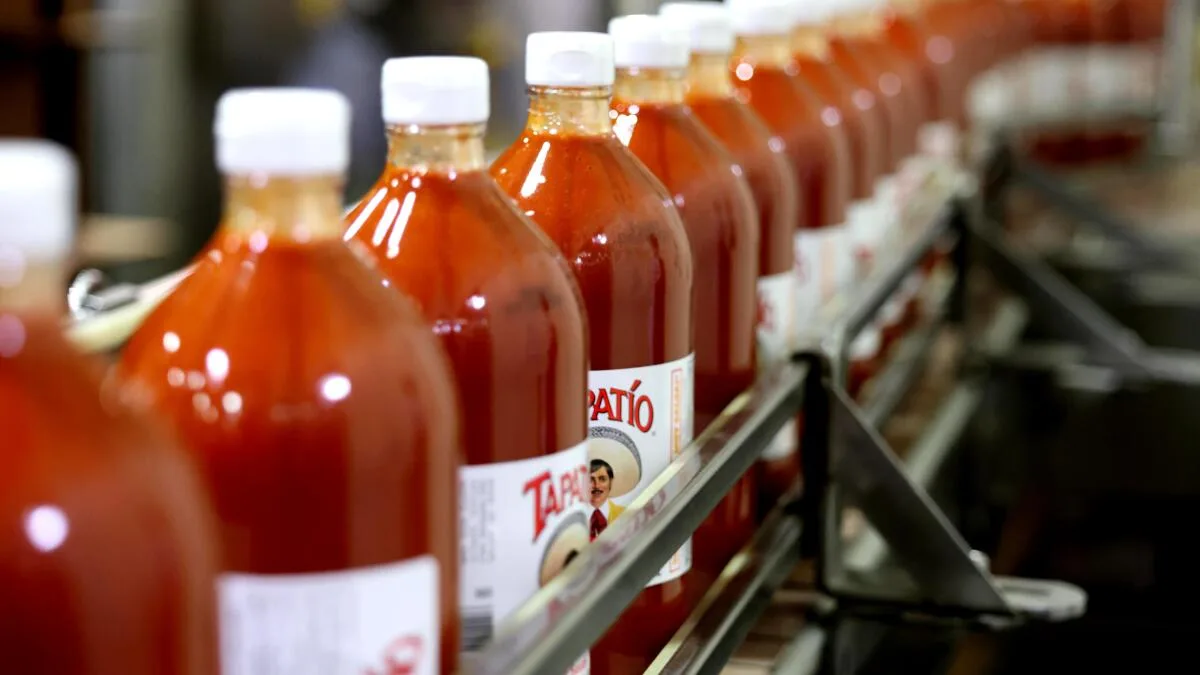
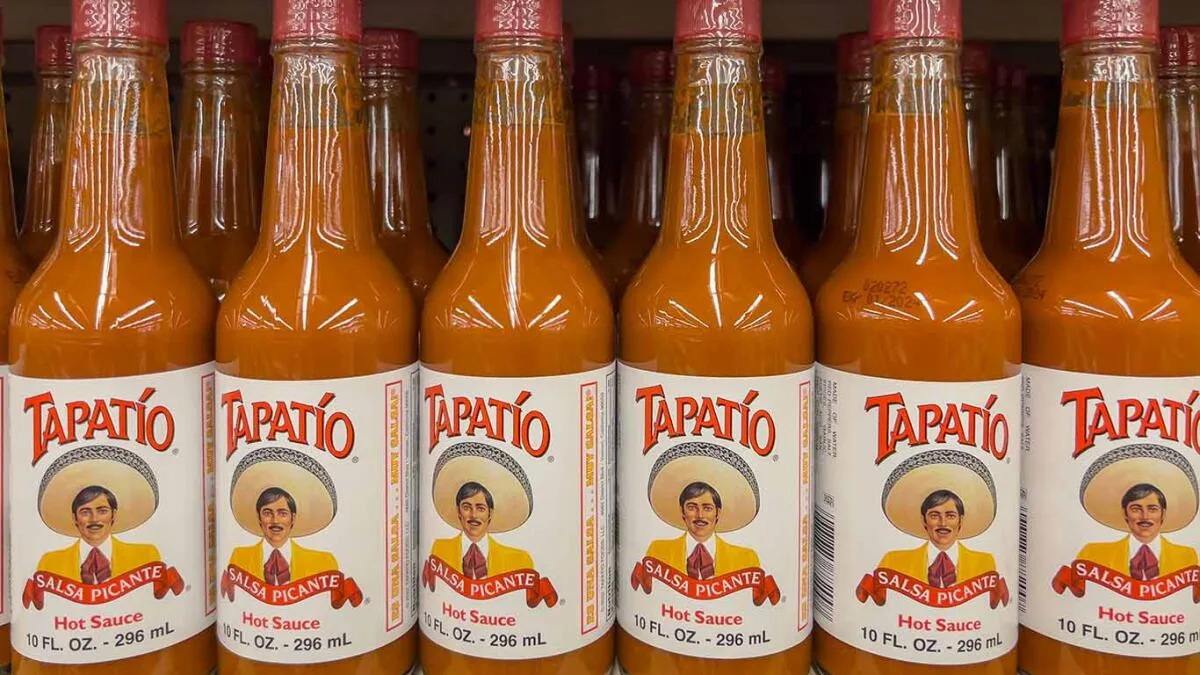
Tapatío, that spicy red sauce born in Southern California, always makes me think about Saturday afternoons at the old San Pedro Fish Market, where I would splash it on shrimp sauteed in Cajun spices, served with huge chunks of potatoes and foot-long garlic bread. Tapatío enhanced those already rich flavors with a garlicky, peppery kick. The Vernon-based company has an army of local fans like me, who love dousing it on popcorn and fried chicken, french fries, breakfast burritos and more.
The Acquisition of Tapatío and Its Link to GLP-1 Drugs
That versatility made the brand irresistible to Highlander Partners, a Dallas private investment firm that brought Tapatío earlier this year, as reported by my colleague Itzel Luna. The terms of the deal were not made public.
A surprising reason behind the purchase: Highlander said it was specifically targeting a growing base of GLP-1 users looking to invigorate taste buds dulled by the weight loss medicine.
The company's new chairman, Jeff Partridge, said the purchase was driven by the aim to capitalize on the growing appetite for more heat to splash on proteins. "Whether it's GLP-1 or desire for proteins, Tapatío and hot sauces enhance that experience," he told The Times. "Consumers are increasingly seeking flavors."
The Surge in GLP-1 Medication Use
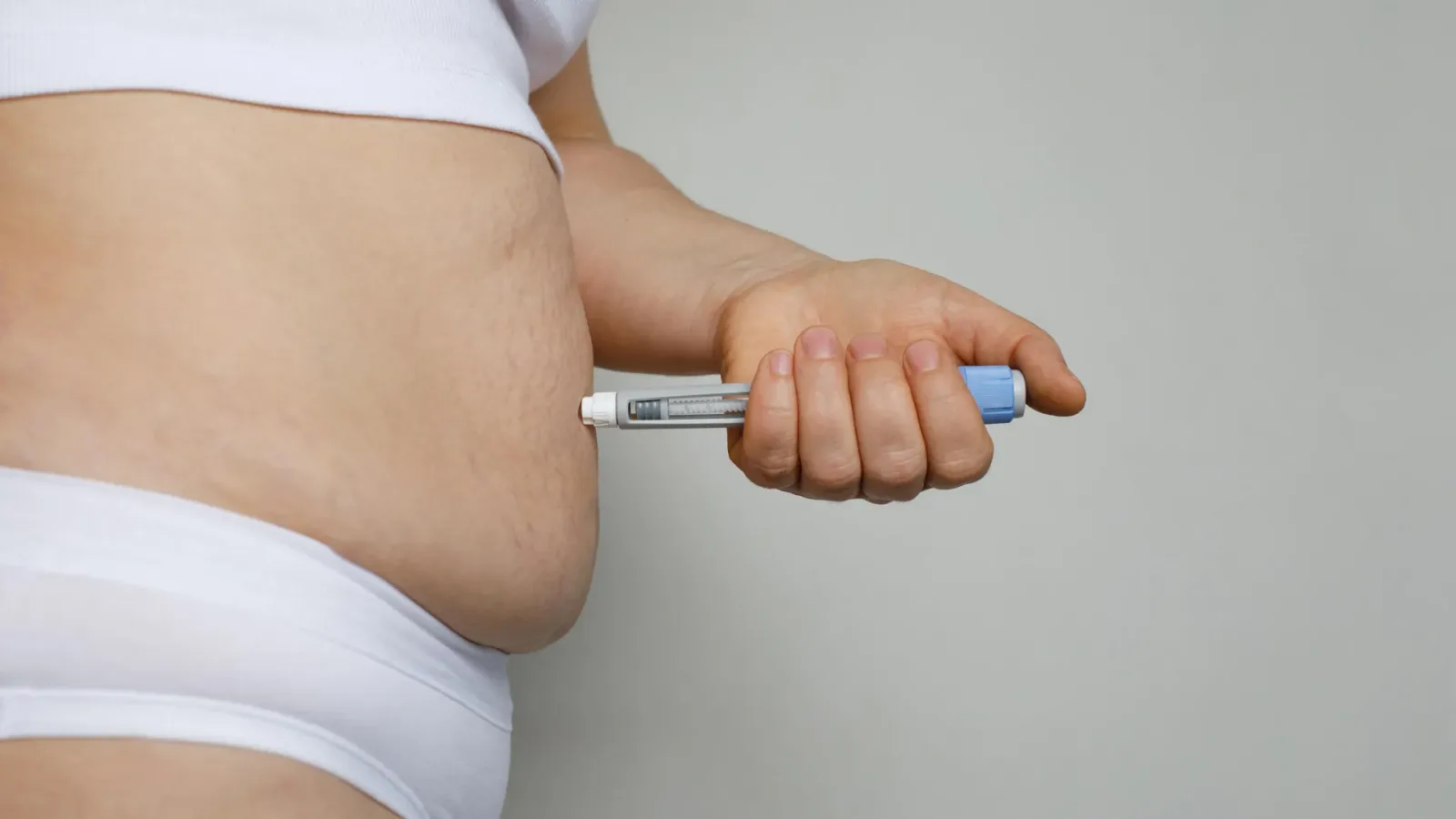
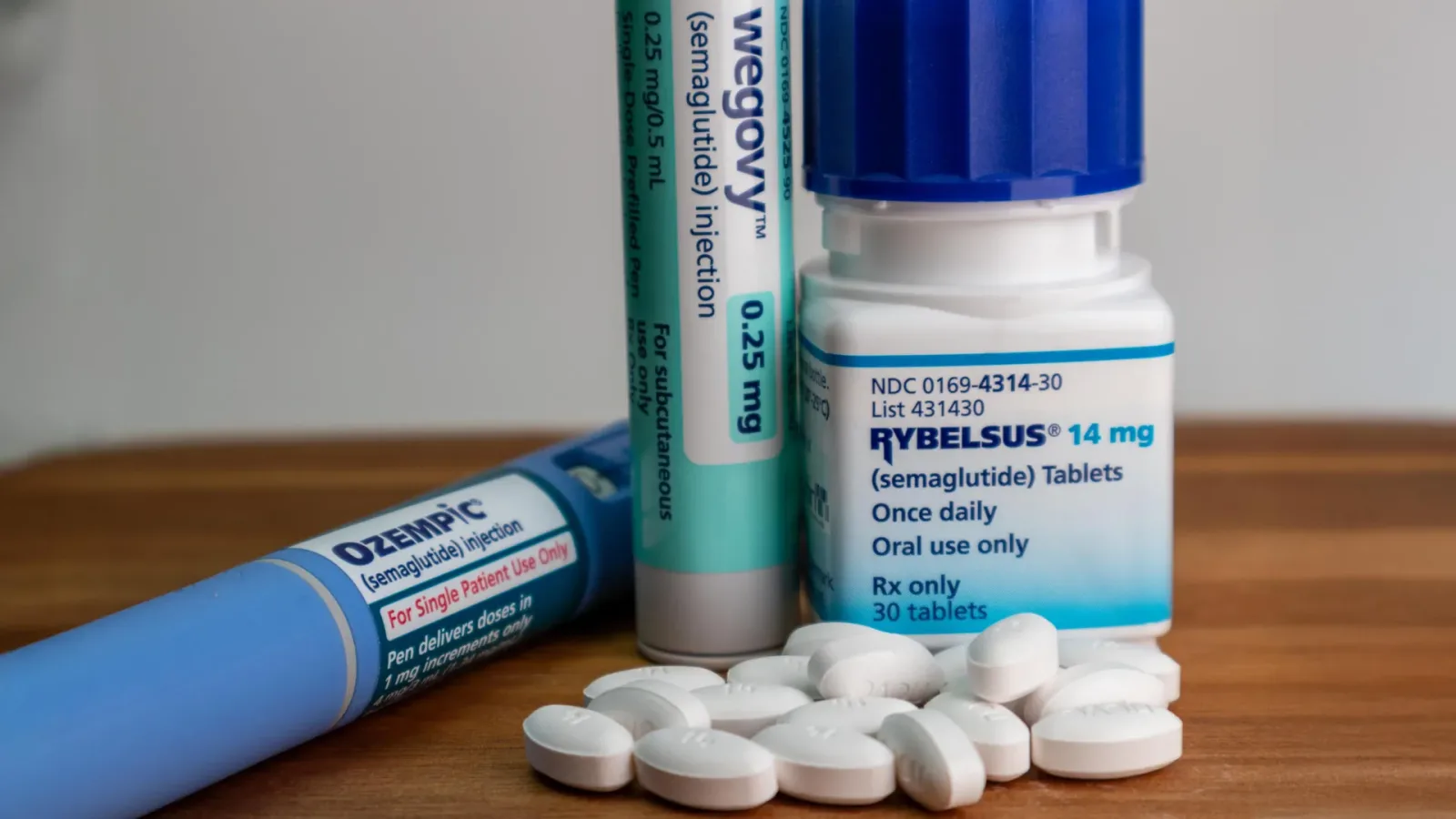
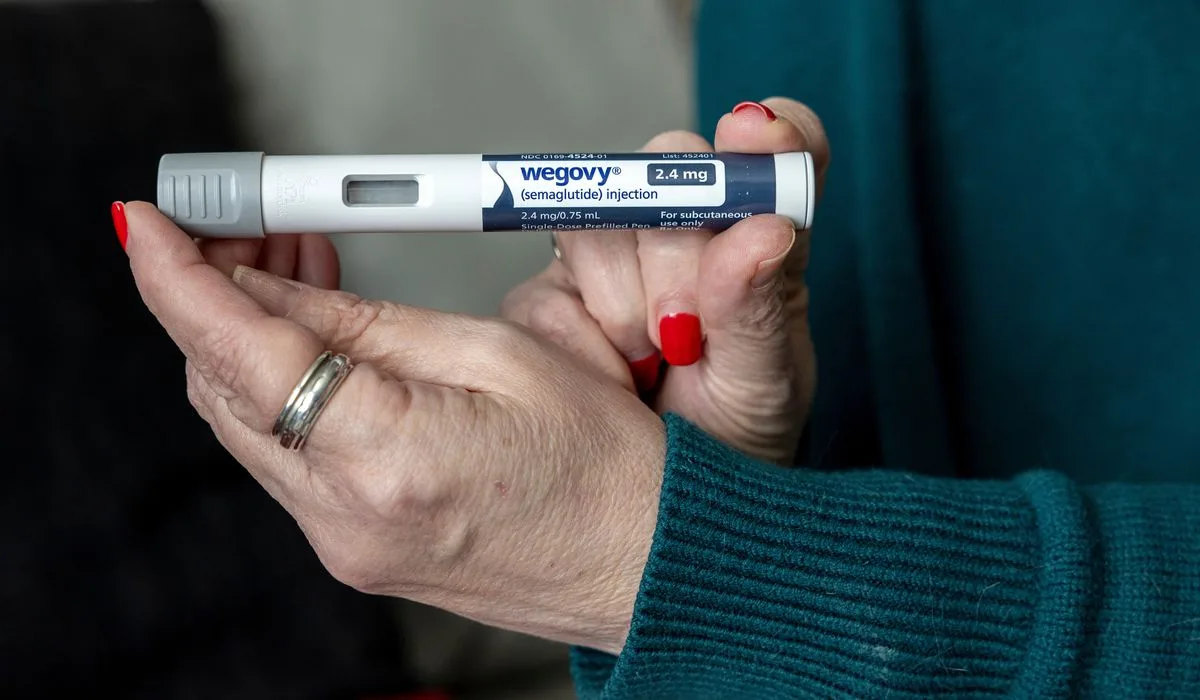
GLP-1 drugs, such as Ozempic and Wegovy, have exploded in popularity for weight loss and treating chronic conditions. KFF, a policy research and healthcare polling organization, reported in November that roughly 12% of U.S. adults are using a GLP-1, such as Ozempic or Wegovy "to lose weight or treat a chronic condition."
Rand, a nonprofit research organization, said in August 2025 that prescriptions for GLP-1 drugs have tripled since 2020.
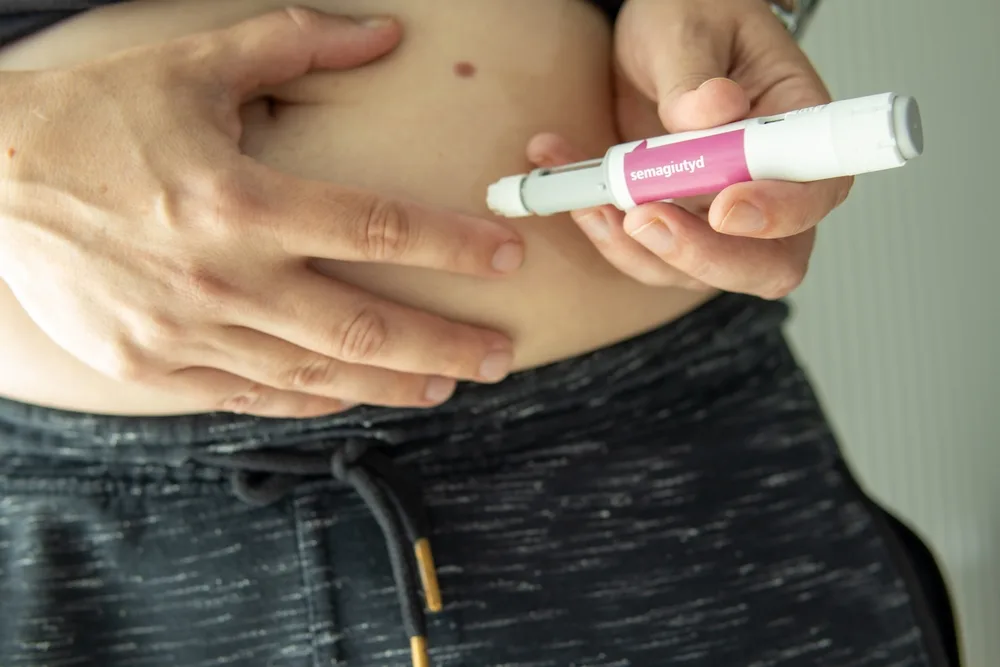
These medications, part of the glucagon-like peptide-1 receptor agonist class, are primarily prescribed for type 2 diabetes management and obesity. Their mechanism involves mimicking the GLP-1 hormone, which regulates blood sugar, slows gastric emptying, and signals fullness to the brain.
How GLP-1 Drugs Work and Affect Appetite
GLP-1s operate in various ways, said Dr. Elizabeth A. Jacobs, professor and chair of the Department of Internal Medicine at the UC Riverside School of Medicine. "They slow your gut and work within the brain to make you not want to eat as much and make you feel satisfied," she said. "Those are the two main ways in which they work along with a few other ways too."
Jacobs said the main goal is to lessen a person's desire to eat. "You're just not as hungry and driven toward it," she said, "and also your food usually moves less quickly through your stomach and your GI tract, which makes you feel more sated."
This satiety effect is why many patients experience reduced cravings for high-calorie foods, shifting preferences toward healthier options like fish and broccoli, as noted by experts.
GLP-1 Induced Taste Loss: What the Research Shows
One lesser-discussed effect is GLP-1 induced taste loss or dulling, where flavors seem muted. A semaglutide-related loss of taste isn't a symptom endocrinologists have observed in their own patients at USC's Keck Medicine, a spokesperson wrote.
Precision tracking for your journey
Join thousands using Shotlee to accurately track GLP-1 medications and side effects.
📱 Get the Shotlee App
Track your GLP-1 medications, peptides, and health metrics on the go with our mobile app!
USC shared a study that showed the opposite, in which 30 women with polycystic ovary syndrome using a GLP-1 became more sensitive to basic tastes, such as bitterness and sweetness.
Jacobs added, "It's not commonly known in the physician's world, where we prescribe them, that it could alter taste," she said.
However, she pointed to a University of Pennsylvania study showing that GLP-1s "significantly [depresses] the perception of all five basic taste qualities."
Expert Views on Taste Changes as a Normal Response
Dr. Eduardo Grunvald, an obesity physician at UC San Diego, said taste loss isn't a side effect, but a "normal way these medicines work." "Using these drugs puts you in a perpetual state of fullness and that will dampen your reward and taste center and that's why people kind of lose that reward," he said.
Grunvald said he's had patients who lost desire for their favorite processed foods and began craving previously less-consumed fish and broccoli. "The processed food doesn't have the same taste to them, but over time that tends to lessen," Grunvald said. "The change in taste is strongest in those just beginning."
Not to worry, Grunvald said, GLP-1 users will likely regain their entire, older sense of taste if they decide to drop the drugs. "I was surprised to hear the Tapatío aspect of this," he said. "I guess that's one way to handle taste loss."
Why Fiery Tapatío Could Help Combat Taste Dulling
Spicy foods like Tapatío, with its blend of garlic, peppers, and heat, may counteract dulled taste perception by stimulating different sensory pathways. Capsaicin in hot sauces activates TRPV1 receptors, creating a burning sensation that can heighten overall flavor experience and override muted sweet, salty, or umami notes.
For GLP-1 users, adding heat to proteins—aligned with increased protein intake recommendations during weight loss—makes meals more enjoyable. This ties into Highlander's strategy, positioning Tapatío as a versatile enhancer for everything from breakfast burritos to grilled fish.
Practical Tips for GLP-1 Users Experiencing Taste Changes
- Experiment with Heat: Start with small dashes of Tapatío or similar hot sauces on proteins, veggies, and snacks to reignite flavor.
- Track Symptoms: Tools like Shotlee can help log taste changes, side effects, and medication schedules to discuss patterns with your doctor.
- Consult Professionals: Speak to your endocrinologist or obesity specialist if taste loss persists beyond the initial weeks.
- Combine with Texture: Pair sauces with crunchy or chewy foods to boost sensory appeal.
Safety Considerations and When to Seek Advice
While hot sauces are generally safe, GLP-1 users with GI sensitivity should introduce spice gradually to avoid nausea or reflux, common with these meds. Taste alterations are typically transient, peaking early in treatment and fading as the body adjusts or upon discontinuation.
Always prioritize medical guidance; taste changes alone rarely warrant stopping GLP-1 therapy, given benefits for metabolic health.
Key Takeaways: What This Means for GLP-1 Patients
- GLP-1 drugs like Ozempic have tripled in prescriptions since 2020, with 12% of U.S. adults using them.
- Taste dulling stems from brain reward dampening and fullness signals, per experts like Drs. Jacobs and Grunvald.
- Spicy options like Tapatío offer a simple, enjoyable way to enhance flavors during treatment.
- Recovery of full taste is expected over time or post-treatment.
In summary, as GLP-1 use surges, innovative solutions like Tapatío highlight how everyday foods can support patient adherence. Discuss taste strategies with your healthcare provider to optimize your metabolic health journey.