
Popular medications for weight loss and diabetes, such as semaglutide (found in Ozempic, Wegovy, and Rybelsus) and tirzepatide (found in Mounjaro and Zepbound), belong to a class of drugs known as GLP-1 receptor agonists. While their impact on appetite and blood sugar is well-documented, a recent study funded by the National Institutes of Health (NIH) has illuminated a novel mechanism by which some of the newer, orally administered GLP-1 drugs may influence the brain. This research, conducted in mice, suggests these medications can reduce hedonic feeding—eating for pleasure rather than physiological need—by altering activity within a deep brain reward circuit. This pathway appears distinct from the previously understood appetite-control systems, opening new avenues for understanding and potentially treating conditions related to reward and craving, including substance use disorder.
How Do Oral GLP-1 Medications Differ from Injectables?
The University of Virginia research team focused on small-molecule GLP-1 receptor agonists, a category that includes oral medications. These compounds, such as orforglipron (an FDA-approved oral medication) and the experimental drug danuglipron, are chemically distinct from the larger peptide molecules found in injectable GLP-1 drugs like semaglutide. A significant advantage of oral formulations is their potential for easier administration, as they can be taken as pills, and potentially lower manufacturing costs compared to their injectable counterparts. As these medications become more widely available and prescribed, understanding their precise mechanisms of action within the brain is paramount for healthcare providers and patients alike.
Dr. Lorenzo Leggio, Clinical Director of NIH's National Institute on Drug Abuse (NIDA), emphasized this point: "As the accessibility of these medications continues to rise and patient uptake increases, it's crucial that we understand the neural mechanisms underlying the effects we're seeing." This underscores the ongoing scientific effort to fully map the neurological impacts of these increasingly common therapeutic agents.
What is Hedonic Feeding and How Do GLP-1 Drugs Affect It?
Hedonic feeding refers to the act of eating driven by pleasure, sensory appeal, or emotional state, rather than by genuine physiological hunger or the body's need for energy. It's the reason we might reach for a dessert even after a satisfying meal or indulge in snacks that offer little nutritional value but provide immediate gratification. While traditional GLP-1 drugs, primarily injectables like semaglutide, have been shown to reduce hunger-driven eating by acting on appetite-regulating centers in the hypothalamus and hindbrain, the mechanisms by which oral GLP-1s influence eating behaviors, particularly those related to pleasure, were less understood. This new study aimed to bridge that knowledge gap by investigating the neural pathways activated by oral small-molecule GLP-1 receptor agonists.
To achieve this, researchers utilized advanced gene-editing techniques to modify GLP-1 receptors in mice, specifically making them more analogous to human receptors. This crucial step ensured that the observed effects were more likely to be relevant to human physiology. By studying these modified mice, scientists could more accurately pinpoint how orforglipron and danuglipron interacted with the brain's complex signaling networks.
Where in the Brain Do Oral GLP-1 Drugs Act?
When the mice were administered either orforglipron or danuglipron, the research team observed distinct patterns of brain activity. As anticipated, these oral GLP-1 medications influenced brain regions already known to be involved in appetite regulation. However, the study revealed a significant and previously unrecognized effect: these drugs also activated the central amygdala. This area of the brain is deeply implicated in processing emotions, motivation, desire, and reward. The central amygdala's activation by these oral GLP-1s is noteworthy because it lies in a deeper brain structure than scientists had previously believed these drugs could directly reach and influence.
Further investigations uncovered that the activation of the central amygdala by orforglipron and danuglipron led to a reduction in dopamine release within key components of the brain's reward system during periods when the mice were engaged in eating for pleasure. Dopamine is a neurotransmitter critically involved in the brain's reward and pleasure pathways, signaling the anticipation and experience of rewarding stimuli, including palatable foods. By dampening this dopamine signaling in response to pleasurable food cues, these oral GLP-1 drugs appear to diminish the rewarding aspect of eating, thereby reducing the motivation to consume food for enjoyment.
Precision tracking for your journey
Join thousands using Shotlee to accurately track GLP-1 medications and side effects.
📱 Get the Shotlee App
Track your GLP-1 medications, peptides, and health metrics on the go with our mobile app!
How Do These Findings Relate to Weight Management?
The implications of these findings for weight management are substantial. While existing GLP-1 medications are recognized for their ability to curb appetite and reduce overall food intake by signaling satiety and fullness, this new research suggests that oral formulations may offer an additional benefit by targeting the psychological drivers of eating. By dialing down the brain's reward response to food, these drugs could help individuals feel less compelled by tempting foods, making it easier to adhere to dietary changes and manage calorie intake. This dual action—addressing both physiological hunger and the hedonic drive to eat—could represent a more comprehensive approach to weight loss and long-term weight maintenance.
This mechanism is particularly relevant for understanding why some individuals experience significant weight loss with these medications. It's not just about feeling less hungry; it's also about experiencing food as less intensely rewarding, which can fundamentally alter eating habits and food choices. For individuals struggling with emotional eating or cravings for high-calorie, palatable foods, this effect could be a critical factor in achieving their health goals. Tracking food intake, mood, and medication timing using tools like Shotlee can help individuals and their healthcare providers better understand these nuanced effects.
Could Oral GLP-1s Treat Conditions Beyond Weight and Diabetes?
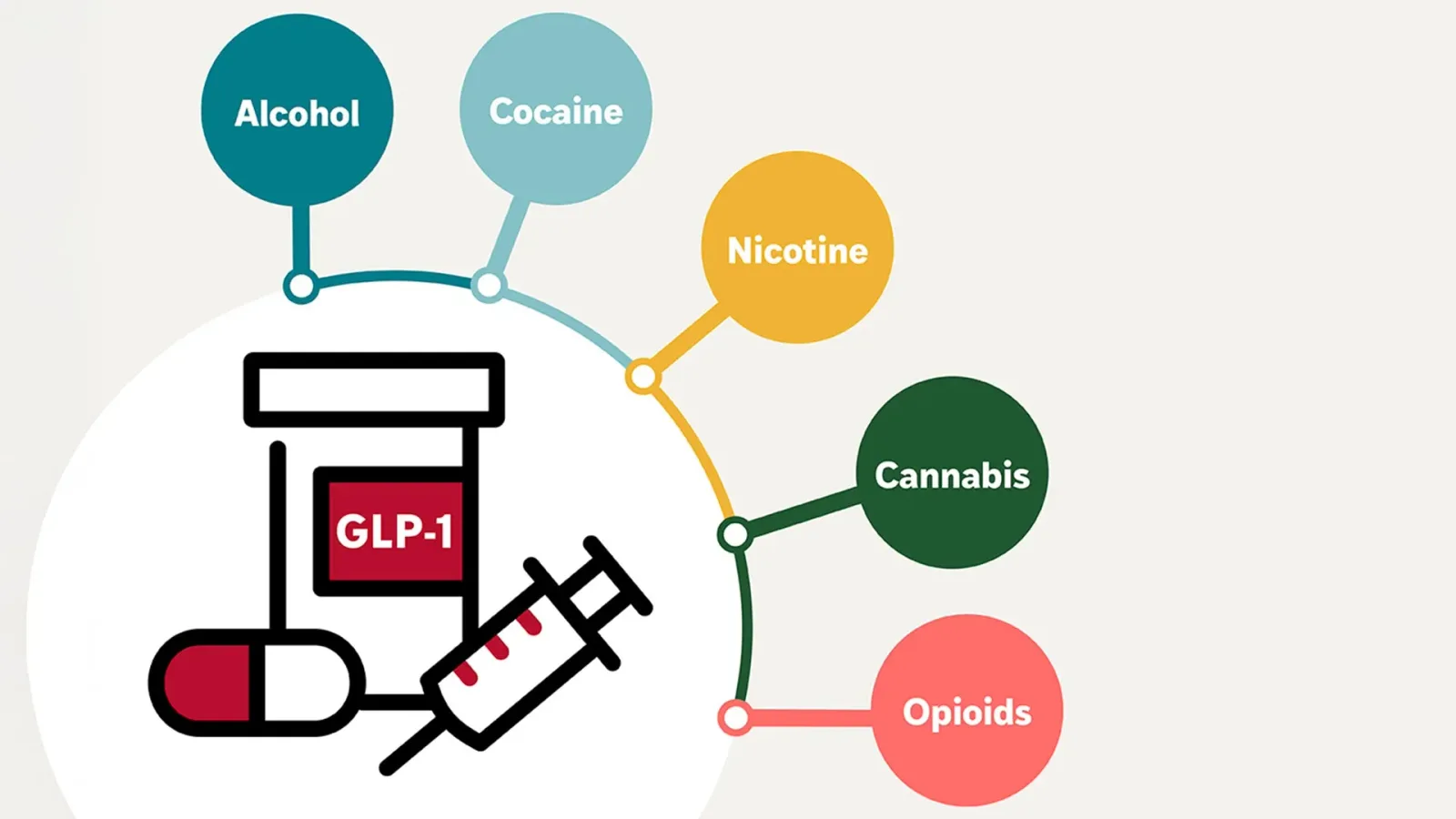
The discovery that oral GLP-1 medications can influence the central amygdala and the brain's reward circuitry opens exciting possibilities for their use in treating a broader range of conditions characterized by aberrant reward processing. Researchers are particularly interested in exploring whether these next-generation medications could be effective in reducing cravings for substances other than food. This includes investigating their potential role in managing substance use disorder, a complex condition often driven by intense cravings and the brain's reward system.
Conditions such as addiction to alcohol, nicotine, or illicit drugs involve dysregulation of the dopamine system and the brain's reward pathways. If oral GLP-1s can modulate these pathways by dampening the rewarding effects of substance consumption, they might offer a novel therapeutic strategy. Future research will focus on conducting follow-up studies to rigorously examine the efficacy and safety of these medications in individuals struggling with addiction. This line of inquiry could significantly expand the therapeutic landscape for addiction treatment, offering a new class of medications that target the underlying neurobiology of craving.
Key Study Details and Funding
This research was supported by several grants from the NIH, including funding from the National Institute of Neurological Disorders and Stroke (NINDS), the National Institute of General Medical Sciences (NIGMS), the National Heart, Blood, and Lung Institute (NHLBI), and the National Cancer Institute (NCI). It is important to note that this study was conducted in mice and was not a clinical trial involving human subjects that has been assessed by the FDA for product approval for stated indications. The findings are preclinical and provide a foundation for further investigation in human trials.
| Medication Type | Administration | Primary Known Mechanism (Traditional) | Newly Identified Mechanism (Oral GLP-1s) | Potential Applications |
|---|---|---|---|---|
| Injectable GLP-1 (e.g., Semaglutide) | Injection | Reduces hunger via hypothalamus and hindbrain | (Less direct evidence for hedonic feeding) | Type 2 Diabetes, Weight Loss |
| Oral Small-Molecule GLP-1 (e.g., Orforglipron, Danuglipron) | Pill | Reduces hunger via hypothalamus and hindbrain | Reduces hedonic feeding via central amygdala and reward circuit | Weight Loss, Type 2 Diabetes, Potential for Substance Use Disorder |
Practical Takeaways
- Oral GLP-1 medications may work differently than injectables by impacting the brain's reward system.
- This mechanism could help reduce cravings for enjoyable foods, aiding weight management beyond just suppressing hunger.
- Future research is exploring if these drugs can help treat substance use disorders by targeting reward pathways.
- While promising, these findings are from animal studies and require human clinical trials for confirmation.
- Tracking your progress, including food intake, mood, and medication effects, can be valuable information for your doctor.
Conclusion
The identification of a new neural pathway through which oral GLP-1 medications may exert their effects is a significant step forward in understanding these powerful drugs. By potentially dampening the brain's reward response to food, medications like orforglipron and danuglipron may offer a more comprehensive approach to weight management and diabetes control. Furthermore, the prospect of these drugs being utilized to address cravings in substance use disorder highlights their broad therapeutic potential. As research progresses, these findings pave the way for more targeted and effective treatments for a range of conditions linked to reward and craving, underscoring the intricate connection between our brain chemistry and our behaviors.