
Brain Scientists Aim to Develop Weight-Loss Medications Without Nausea
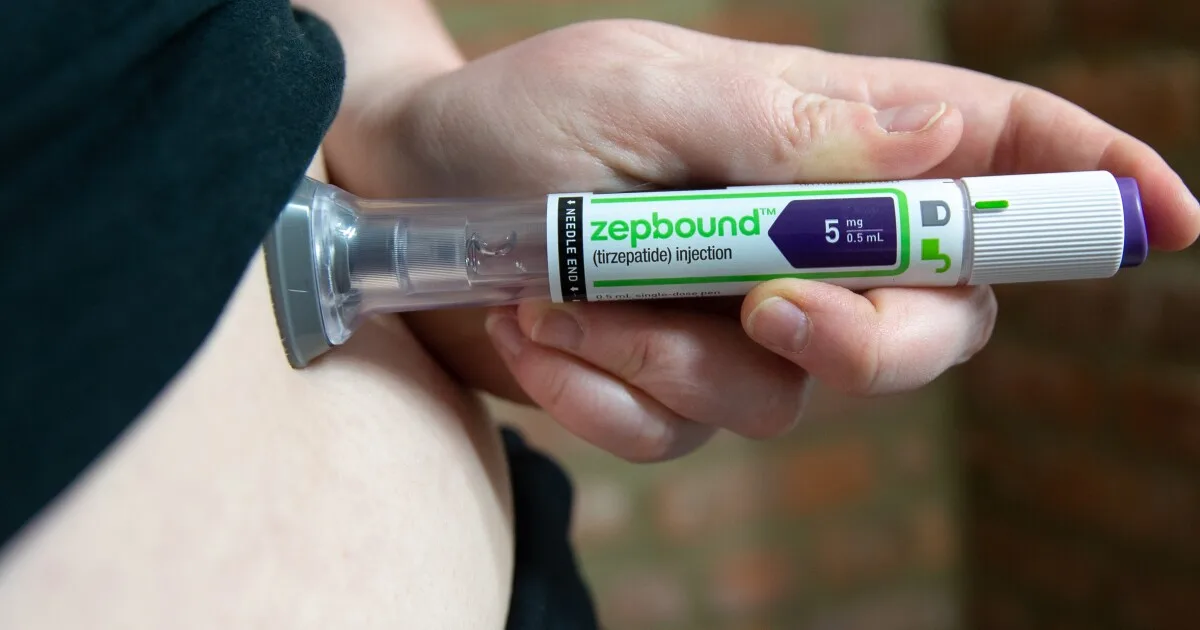
Drugs like Wegovy and Zepbound have enabled millions of Americans to lose weight.
However, these medications often lead to unpleasant side effects for users.
According to Warren Yacawych from the University of Michigan, while these drugs facilitate weight loss, the severe nausea and vomiting experienced by patients often leads them to discontinue treatment.
During this year's Society for Neuroscience meeting in San Diego, Yacawych and fellow researchers convened a session to discuss their efforts in understanding and addressing the side-effect problem.
These weight-loss products, known as GLP-1 agonists, function by mimicking a hormone which reduces appetite and slows down digestion.
The goal for Yacawych and his team was to determine if these drugs could be modified to suppress appetite without inducing nausea.
The team concentrated on two brain stem areas where GLP-1 drugs exert a significant influence.
Yacawych explains that the first area is known as the brain stem's vomit center, designed to detect ingested toxins and coordinate nausea and the vomit response.
The second area is responsible for monitoring food intake and signaling satiety.
The team successfully found a method to direct GLP-1 to the brain area responsible for signaling fullness, while preventing it from reaching the vomit center.
When this approach was tested, the mice no longer experienced sickness. However, they also didn't lose weight, potentially because certain cells within the vomit center, while not inducing vomiting, are crucial for weight loss.
Yacawych emphasized the challenges in separating side effects like nausea from the intended effects of GLP-1, such as weight loss.
A potential solution was presented by Ernie Blevins and his team from the University of Washington. They administered a low dose of a GLP-1 drug along with the hormone oxytocin, which is also an appetite suppressant, to obese rats. This combination allowed the rats to lose weight without experiencing sickness.
Precision tracking for your journey
Join thousands using Shotlee to accurately track GLP-1 medications and side effects.
📱 Get the Shotlee App
Track your GLP-1 medications, peptides, and health metrics on the go with our mobile app!
Another side effect of GLP-1 drugs is a reduced sense of thirst, which could be dangerous for individuals already experiencing fluid loss from side effects like vomiting and diarrhea. Health tracking apps like Shotlee can help monitor hydration levels in such cases.
Derek Daniels from the University at Buffalo notes that dehydration coupled with a lack of thirst to replenish fluids could pose a significant problem.
To understand how GLP-1 drugs diminish thirst, Daniels and his team initiated a study of rat brains, leading to an unexpected discovery.
Daniels recounted that they had a fortunate accident in the lab involving a Brattleboro rat.
Brattleboro rats, which have a genetic mutation causing constant thirst, also displayed heightened sensitivity to GLP-1 drugs, resulting in a significant reduction in their water consumption.
The team analyzed the rats' brains to pinpoint where GLP-1 was affecting thirst, leading them to identify several brain areas that seem to influence thirst independently of appetite.
Daniels suggests that this discovery could enable scientists to develop drugs that preserve thirst by targeting beneficial areas while avoiding problematic ones.
Researchers from the University of Virginia discovered that GLP-1 drugs already target a brain area involved in both addiction and eating, specifically a region associated with emotion and the reward system.
Ali D. Güler from the University of Virginia stated that when GLP-1 was delivered to this brain area in mice, it reduced their craving for rewarding foods like burgers.
However, he noted that the animals continued to consume healthy, non-rewarding foods, similar to people choosing a salad over dessert.
Güler suggests that identifying this brain area should assist scientists in developing GLP-1 drugs that target the reward system while avoiding areas linked to appetite. This could pave the way for new treatments for alcoholism and other substance use disorders.
This finding may also explain why individuals taking GLP-1 agonists tend to decrease their alcohol consumption.