
Eli Lilly Celebrates 150 Years of Innovation: A New Era for GLP-1 and AI in Medicine
INDIANAPOLIS -- The pharmaceutical landscape is evolving rapidly, driven by the convergence of artificial intelligence, advanced biotechnology, and a renewed focus on chronic disease management. This week, Eli Lilly and Company marked a historic milestone, celebrating 150 years of medicine at its headquarters in downtown Indianapolis. During the ceremony, CEO Dave Ricks outlined a strategic vision that prioritizes technological integration alongside traditional drug discovery.
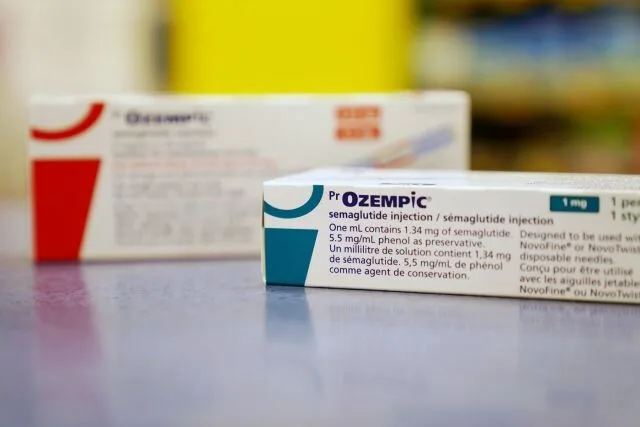
The announcement is particularly significant for patients and healthcare providers navigating the complex world of GLP-1 receptor agonists. As the demand for weight loss and diabetes treatments surges, with popular medications like Ozempic, Wegovy, and Mounjaro dominating the conversation, Lilly's commitment to expanding its pipeline signals a competitive and innovative future. Ricks highlighted the company's investment in artificial intelligence, brain science, and the next generation of peptide therapy, promising to make treatments safer, more effective, and more accessible.
The Digital Transformation of Pharmaceutical Manufacturing
One of the most profound shifts discussed during the anniversary event was the integration of deep technology into the drug supply chain. Ricks revealed that the company has elevated its technology leadership to report directly to the CEO, underscoring the strategic importance of digital infrastructure.
AI and Supercomputing in Drug Discovery
Lilly has built what Ricks described as the largest supercomputer in the pharmaceutical industry, housed in Indianapolis. This computational power is not merely a novelty; it is a critical tool for solving complex biological problems. By leveraging machine learning algorithms, scientists can simulate molecular interactions faster than ever before, potentially reducing the time required to bring new medicines to market.
For patients, this means the potential for faster approval of new therapies and a more robust pipeline of peptide therapy options. The supercomputer is already assisting in manufacturing processes, optimizing production yields to ensure that high-demand medications remain in stock. This technological backbone is essential for managing the global supply of insulin and other critical biologics.
Robotics and Purdue Partnership
In a move to modernize production safety and efficiency, Lilly is collaborating with Purdue University on automation and robotics. The goal is to deploy AI and robotics for unsafe or repetitive jobs within the manufacturing facility. This partnership aims to improve the consistency of advanced medicines while protecting human workers from hazardous environments.
Consistent manufacturing quality is vital for patients relying on daily injections or oral medications. Variability in dosage or formulation can impact efficacy, especially in weight loss regimens where precise dosing is key. By automating these processes, Lilly aims to standardize the quality of its portfolio, ensuring that every dose meets rigorous safety standards.
The Next Generation of GLP-1 Therapies
While the technological advancements are significant, the most immediate impact for patients lies in the pharmaceutical pipeline. Ricks discussed the growing market for GLP-1 weight-loss and diabetes drugs, acknowledging the success of recent launches while emphasizing the need for continuous improvement.
Oral Medications and Administration Convenience
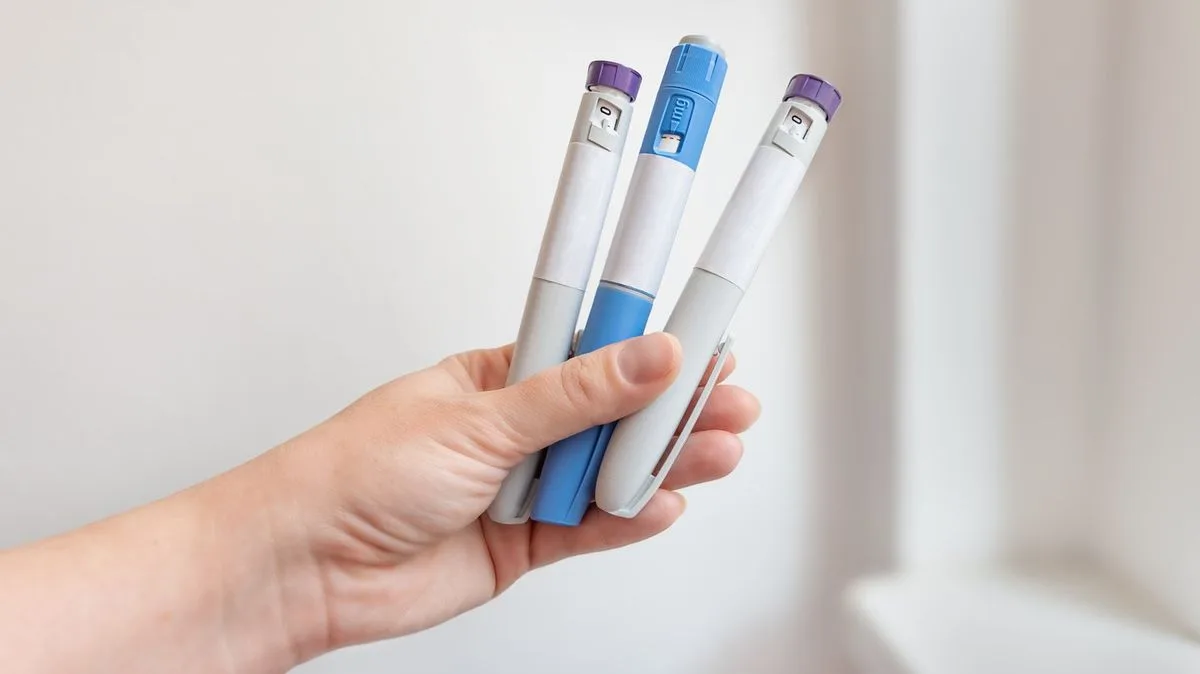
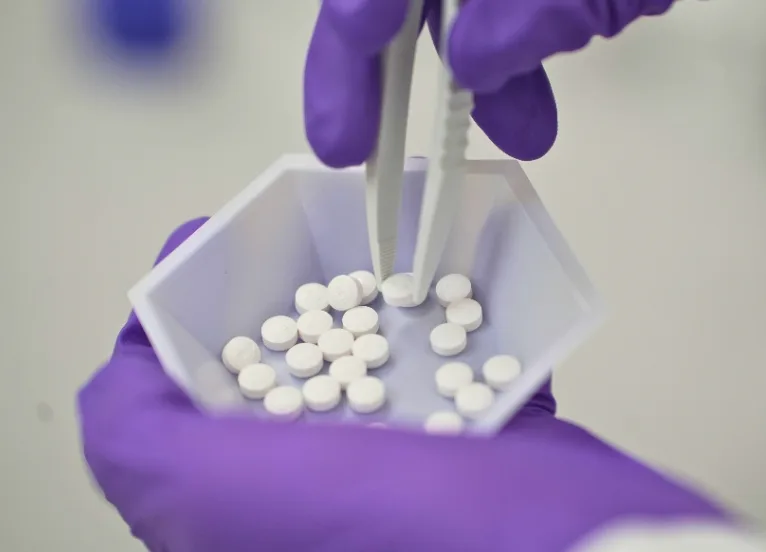
A major highlight of the announcement was the development of an oral GLP-1 medicine, orforglipron. For many patients, the convenience of an oral pill compared to weekly injections represents a significant quality-of-life improvement. While current market leaders like semaglutide (available as Ozempic or Wegovy) and tirzepatide (Mounjaro) are primarily injectable, oral options could expand access to those who struggle with needle aversion.
This shift toward oral administration aligns with broader trends in health tracking and patient adherence. When a medication is easier to take, patients are more likely to stick to their regimen, leading to better long-term health outcomes. Shotlee and similar platforms support this adherence by helping users log doses and monitor their progress over time.
Expanding the Weight Loss and Diabetes Landscape
Ricks noted that Lilly is developing more powerful medicines to help people reach healthier weights faster and more safely. The current landscape of obesity treatment faces challenges regarding side effects and individual variability in response. Lilly's R&D focus includes reducing these side effects while maintaining potency.
Precision tracking for your journey
Join thousands using Shotlee to accurately track GLP-1 medications and side effects.
📱 Get the Shotlee App
Track your GLP-1 medications, peptides, and health metrics on the go with our mobile app!
As the industry moves forward, we can expect a more diverse array of options for managing metabolic health. Whether through peptide therapy or traditional small molecules, the goal is personalized medicine that fits the specific needs of the patient. This diversification is crucial for preventing reliance on a single breakthrough drug, a lesson learned from past market shifts.
Neuroscience and Brain Health Research
Beyond metabolic health, Lilly is expanding its research into neurodegenerative diseases. The company is actively investigating treatments for ALS, frontotemporal dementia, and Lewy body dementia. This reflects a growing understanding of the link between metabolic health and brain function.
Tackling Neurodegenerative Diseases
Ricks emphasized that medicines can affect addiction and other brain conditions. This is a critical area of study, as the mechanisms that regulate appetite and glucose may also influence neural pathways associated with addiction and cognitive decline. By developing molecules aimed at reducing side effects and treating brain diseases, Lilly is positioning itself at the forefront of neurology.
The overlap between GLP-1 drugs and brain health is a hot topic in medical research. Early studies suggest that these agents may offer neuroprotective benefits, potentially slowing the progression of dementia. Lilly's investment in this area ensures that they are prepared to deliver therapies that address both the body and the mind.
The Intersection of Metabolic and Mental Health
The discussion also touched upon the relationship between metabolic drugs and addiction. As GLP-1 therapies become more widespread, understanding their impact on brain chemistry is essential. This holistic approach to health research ensures that new medications support overall well-being, not just weight metrics.
Strategic Resilience and Patient Access
The pharmaceutical industry is cyclical, and maintaining a robust portfolio is essential for long-term stability. Ricks referenced the company's struggles after losing exclusivity on Prozac as a catalyst for diversification. Relying on a single blockbuster drug can leave a company vulnerable to patent cliffs and generic competition.
Lessons from the Prozac Era
To avoid similar vulnerabilities, Lilly is investing heavily in research and development to ensure a steady stream of innovations. This strategy protects patients by guaranteeing that new, effective treatments will always be in development, even as older medications lose patent protection.
Building a Sustainable Pipeline
Indianapolis remains central to Lilly's future due to its workforce and partnerships. Ricks highlighted the importance of the local community, noting that the company succeeds with hardworking people and attracts talent from around the world. This commitment to the local ecosystem fosters innovation and stability.
For patients, a stable pharmaceutical company means reliable access to medications. The dialogue between the company and the community helps solve problems that affect both the business and public health. By maintaining a strong presence in Indianapolis, Lilly ensures that its R&D remains close to its operational roots.
Practical Takeaways for Patients
- Stay Informed: Keep up with news on oral GLP-1 options like orforglipron which may change administration preferences.
- Track Progress: Use tools like Shotlee to monitor symptoms, doses, and side effects during therapy.
- Understand the Science: Recognize that AI and robotics in manufacturing aim to improve drug consistency and supply.
- Monitor Brain Health: Be aware of the potential neuroprotective benefits of metabolic medications.
- Plan for the Long Term: Diversified drug pipelines mean more options will be available as patents expire.
Conclusion
Eli Lilly's 150th anniversary marks more than just a celebration of history; it signals a pivot toward a technology-driven future in medicine. By combining AI supercomputing with advanced GLP-1 research, the company is addressing the critical needs of patients managing diabetes and obesity. With a focus on reducing side effects, improving manufacturing efficiency, and exploring the brain's connection to metabolic health, Lilly is setting a new standard for pharmaceutical innovation.
As the industry evolves, patients will benefit from safer, more accessible treatments. Whether through the convenience of oral medications or the precision of AI-designed therapies, the goal remains the same: improving lives through science. For those currently navigating treatment plans, maintaining open communication with healthcare providers and utilizing health tracking tools will be key to achieving the best possible outcomes.
Comparison of Key GLP-1 Agents and Development Status
| Medication | Active Ingredient | Primary Use | Administration | Status |
|---|---|---|---|---|
| Ozempic | Semaglutide | Diabetes | Injection | Approved |
| Wegovy | Semaglutide | Weight Loss | Injection | Approved |
| Mounjaro | Tirzepatide | Diabetes | Injection | Approved |
| Zepbound | Tirzepatide | Weight Loss | Injection | Approved |
| Orforglipron | Orforglipron | Weight Loss/Diabetes | Oral Tablet | In Development |
Frequently Asked Questions
- What is the significance of Eli Lilly's new supercomputer?
The supercomputer allows for faster drug discovery and optimization of manufacturing processes, potentially reducing costs and improving the consistency of medicines like GLP-1 therapies. - How does orforglipron differ from Ozempic or Wegovy?
Orforglipron is an oral GLP-1 medication, whereas Ozempic and Wegovy are injectable semaglutide treatments. An oral option may offer better adherence for patients who prefer pills over injections. - Will AI help reduce side effects in weight loss medications?
AI is being used to design molecules that target receptors more specifically, which aims to reduce off-target side effects while maintaining efficacy in weight loss and diabetes management. - Is there a connection between GLP-1 drugs and brain health?
Research suggests GLP-1 agonists may have neuroprotective effects, potentially aiding in the treatment of neurodegenerative diseases like dementia and affecting addiction pathways. - How can patients track their progress on peptide therapy?
Using health tracking platforms to log doses, monitor weight changes, and record side effects can help patients and doctors adjust treatment plans for optimal results.