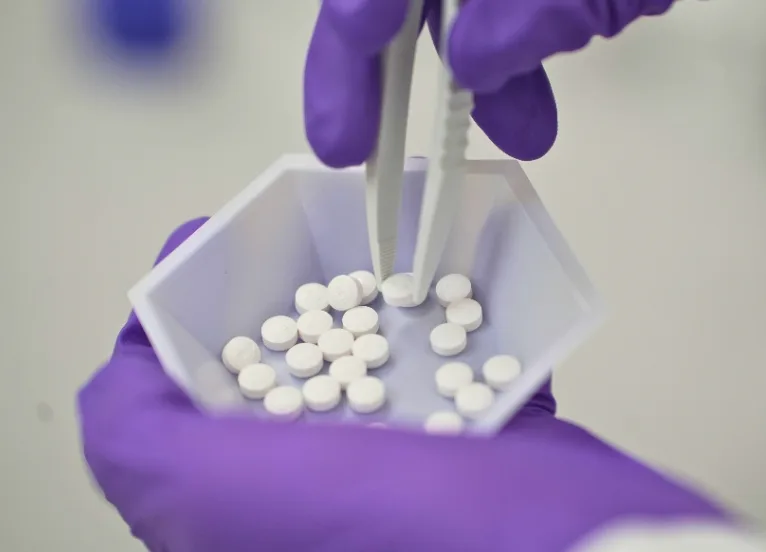

Specialists indicate that the medication broadens availability, yet it presently entails comparable expenses, adverse reactions, and daily habit adjustments as the injectable forms.
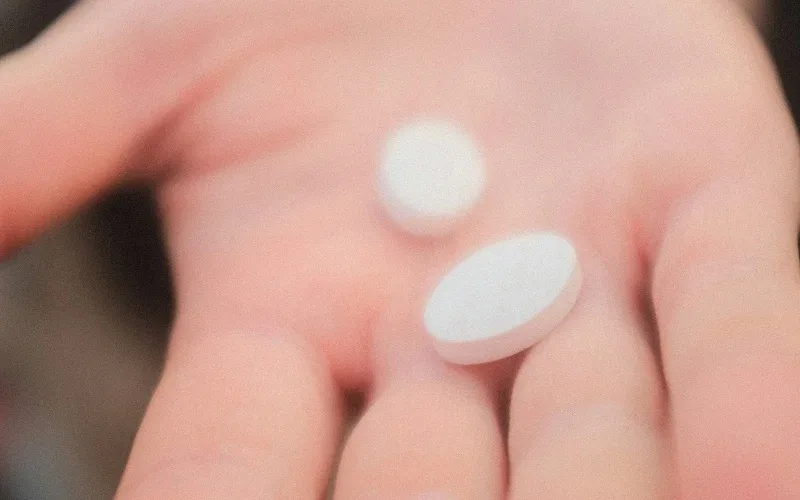
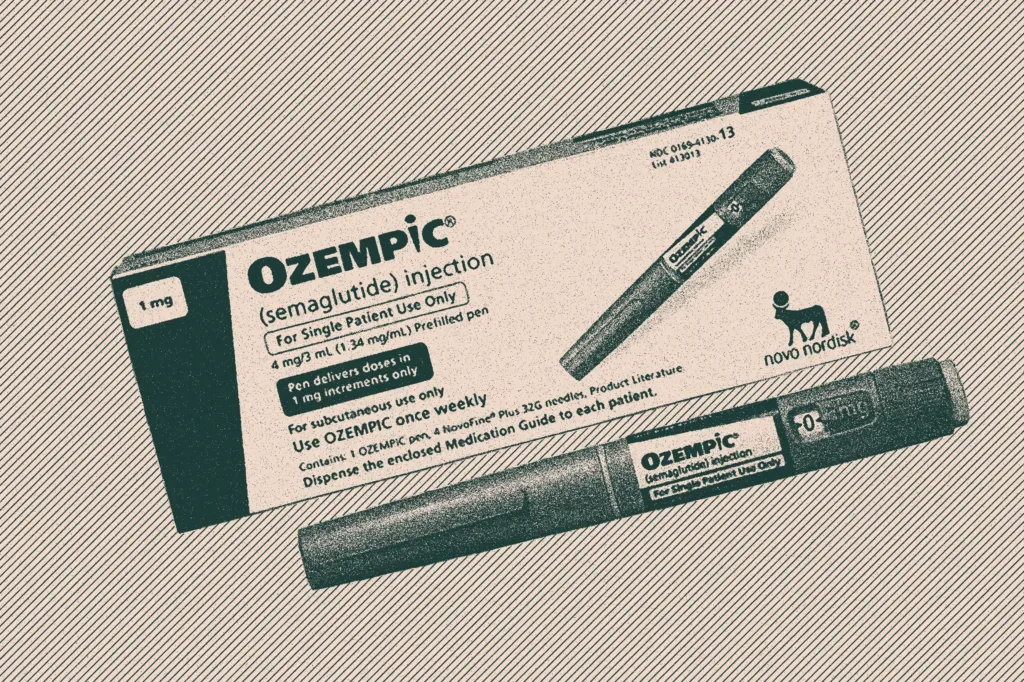
A GLP-1 medication in tablet form for shedding pounds is available now. This week, pharmaceutical firm Novo Nordisk launched an oral variant of Wegovy, previously only provided as a weekly injection, in conjunction with Ozempic. This daily prescription tablet serves as the initial non-injectable choice among GLP-1 treatments for weight management.
"This represents an exciting and highly promising advancement in obesity treatment—an efficacious oral GLP-1 delivering substantial weight reduction outcomes enhances accessibility in unprecedented ways," stated Arti Thangudu, MD, a certified endocrinologist and founder of Complete Medicine, in comments to Health. "Shelf-life durability, simplified storage, and prospects for better pricing, paired with robust clinical evidence, position this as a benefit for individuals."
Six Crucial Aspects to Learn About the Wegovy Tablet
1. It Matches the Effectiveness of Injections
Similar to other GLP-1 therapies, the Wegovy tablet aids weight reduction by stimulating glucagon-like peptide-1 (GLP-1) receptors, which regulate blood glucose and hunger. These medications decelerate digestion, promoting a sense of fullness over extended periods and signaling the brain of contentment, thereby curbing appetite.
The oral form of Wegovy incorporates semaglutide as its primary component, identical to the injectable version, and demonstrates comparable potency. In a recent experiment, participants using the tablet shed an average of 13.6% of their body mass after 64 weeks, versus roughly 2% for the placebo cohort. A 2021 investigation into semaglutide injections showed users losing about 14.9% of their weight over 68 weeks.
2. Weight Reduction May Occur More Slowly With This Option
Anticipate waiting several months for noticeable changes from the GLP-1 tablet, according to Rozalina McCoy, MD, an endocrinologist and associate professor at the University of Maryland School of Medicine, in her remarks to Health. In contrast to injections that enter the bloodstream directly, these pills undergo digestion first. Consequently, the oral drug demands a considerably higher dosage: 25 milligrams (mg), versus 2.4 mg for injections.
McCoy noted that significant weight loss might not appear until the third month, unlike the quicker onset within weeks for injections. The advised dosing plan begins at 1.5 mg during the initial month, rises to 4 mg in the second, then advances to 9 mg before peaking at 25 mg—the maximum dose utilized in the aforementioned study.
Precision tracking for your journey
Join thousands using Shotlee to accurately track GLP-1 medications and side effects.
📱 Get the Shotlee App
Track your GLP-1 medications, peptides, and health metrics on the go with our mobile app!
3. Pricing Remains Comparable to Injectables
McCoy expressed initial optimism that a GLP-1 tablet might prove more budget-friendly than injections, marketed as pens that incur greater production, shipping, and storage expenses than pills. Nonetheless, the current cost of the Wegovy tablet equals that of the shots. With insurance coverage, the 25-mg dose can be obtained for as little as $25 monthly, matching the injectable price. Uninsured, it reaches $299 per month, a $50 reduction from injections.
"I must confess, that outcome proved somewhat disheartening," McCoy remarked. "Yet, it's a beginning. As adoption grows and additional oral options emerge, I anticipate further declines in expense."
4. Adverse Effects Remain a Consideration
During clinical experiments, users of the Wegovy pill experienced side effects akin to those from injections, such as nausea, diarrhea, and vomiting. Both semaglutide formulations delay digestion, potentially leading to gastrointestinal distress. Additional frequent reactions encompass headache, tiredness, lightheadedness, and indigestion.
5. It Demands a More Precise Routine
Weekly Wegovy injections offer flexibility in timing, but the pill schedule requires greater specificity. Experts recommend consuming the Wegovy tablet each morning on an empty stomach, followed by a 30-minute wait before consuming food, beverages, or additional oral drugs. This approach ensures optimal absorption, as explained by McCoy. Failure to comply "could lead to increased GI discomfort or reduced efficacy," she stated.
As with all GLP-1 treatments, adopting a balanced lifestyle maximizes the pill's advantages. This involves consuming nutrient-rich, well-rounded meals, staying adequately hydrated, and incorporating resistance exercises to maintain muscle and bone density during weight loss, per McCoy's guidance. Health tracking apps like Shotlee can help monitor your progress with diet and exercise. Additionally, McCoy stressed that obesity constitutes a long-term issue, necessitating ongoing GLP-1 use to sustain weight loss.
6. This Isn't the Sole GLP-1 Tablet Available (Nor the Final One)
While the Wegovy pill stands as the only GLP-1 tablet authorized for weight reduction, another semaglutide pill named Rybelsus exists, though solely approved for managing type 2 diabetes. Furthermore, an additional GLP-1 tablet for weight management approaches the market: Eli Lilly, producer of Zepbound and Mounjaro and a rival to Novo Nordisk, develops orforglipron, anticipated to gain FDA clearance this spring.