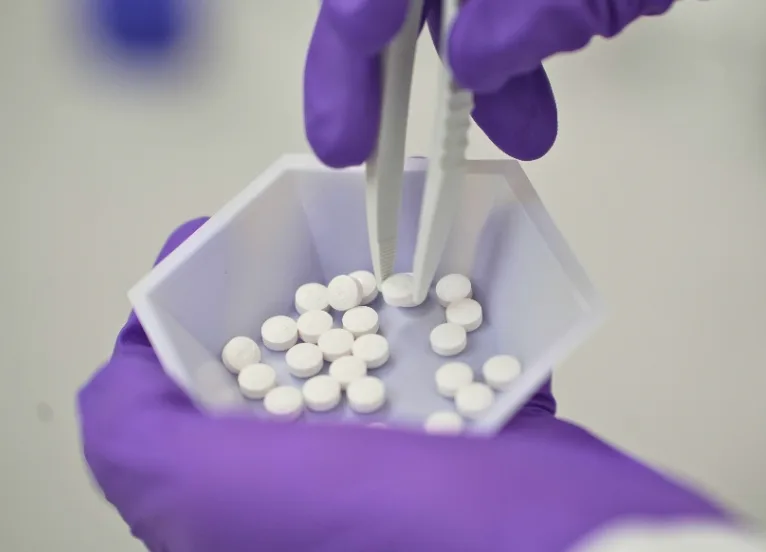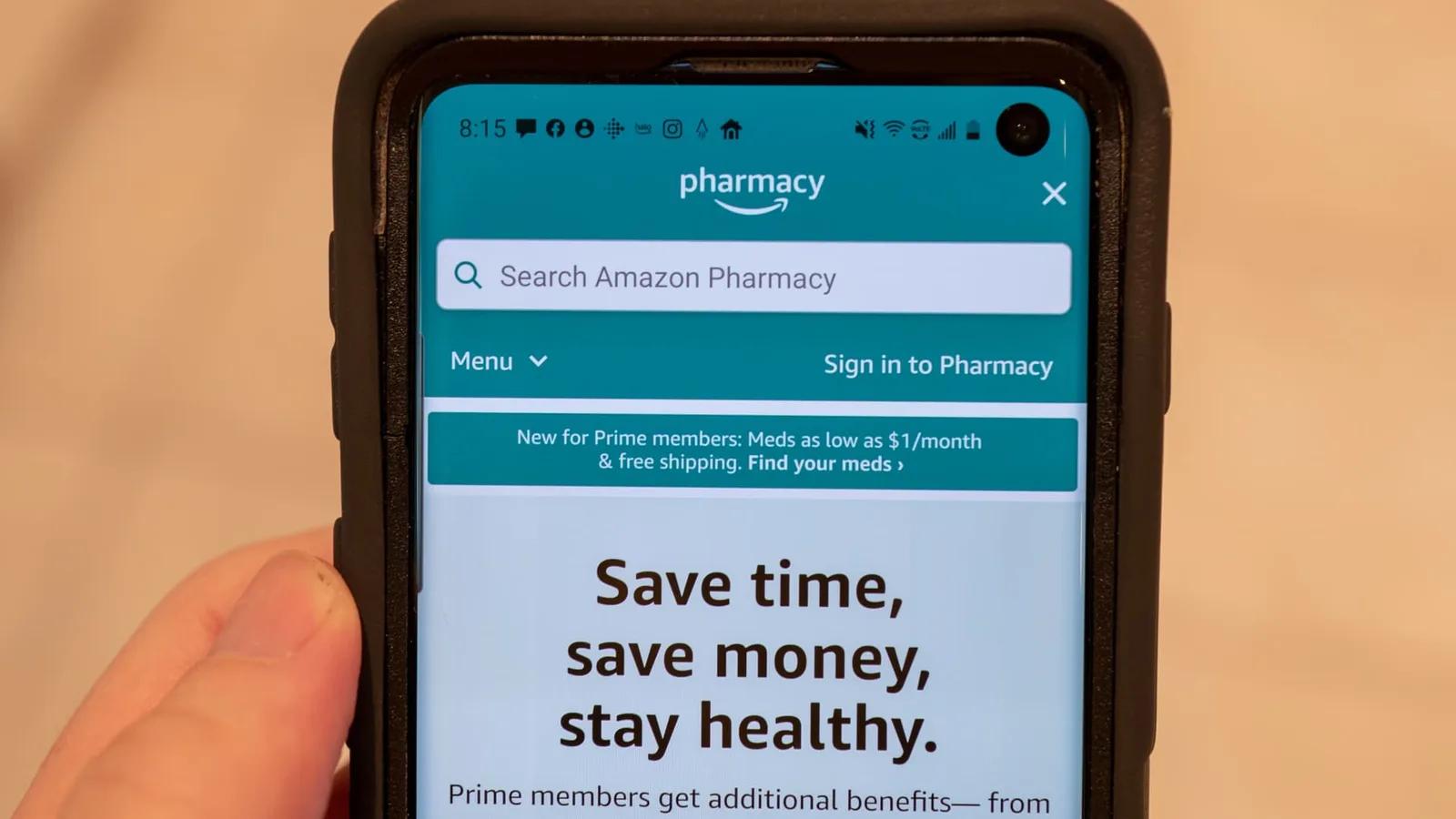
Individuals are now accessing the initial GLP-1 tablet for weight management produced by Danish pharmaceutical firm Novo Nordisk, while a competing oral medication from Eli Lilly awaits U.S. regulatory clearance in the coming months.
The Surge in GLP-1 Therapies
The rapidly expanding GLP-1 arena has depended heavily on weekly subcutaneous administrations. By 2026, innovative obesity tablets are set to advance this sector into a fresh phase.
Emerging Pill Options
Individuals are now accessing the initial GLP-1 tablet for weight management from Danish pharmaceutical firm Novo Nordisk—a daily dosage form bearing the identical brand as its renowned injectable Wegovy. The GLP-1 tablet from their primary competitor Eli Lilly follows closely, with anticipated U.S. approval in the near future.
For numerous individuals, tablets might provide a simpler and possibly more economical option compared to the current top-selling injectables. The out-of-pocket costs for Novo Nordisk's Wegovy tablet vary between $149 and $299 monthly, based on dosage, which represents a modest reduction from the recently adjusted prices of the injections.
Although tablets are not anticipated to yield greater weight reduction than weekly injections, according to distinct clinical studies, certain medical professionals argue that broadening the treatment spectrum remains a significant advantage for users.
Precision tracking for your journey
Join thousands using Shotlee to accurately track GLP-1 medications and side effects.
📱 Get the Shotlee App
Track your GLP-1 medications, peptides, and health metrics on the go with our mobile app!
Expanding Patient Reach
Tablets have the potential to draw in fresh patients pursuing obesity management for the first time, thus broadening the overall weight loss and diabetes medication sector and likely elevating revenues for Novo Nordisk and Eli Lilly. These newcomers could encompass those with needle phobia, along with individuals who might derive benefits from current injectables but perceive their situation as insufficiently grave to justify regular injections.
"I believe numerous individuals exist who have yet to experiment with these GLP-1 medications and are perhaps awaiting the availability of tablets," stated Dr. Eduardo Grunvald, who leads the UC San Diego Health Center for Advanced Weight Management. "It represents a natural inclination for certain people and even some healthcare providers."
"Moreover, for those covering costs personally, the tablets will prove somewhat cheaper than the injectables, making that an additional factor," he added.
Health monitoring apps like Shotlee can assist users in tracking their progress while using these new treatments.