
Kailera Therapeutics Eyes IPO for Obesity Drug Pipeline
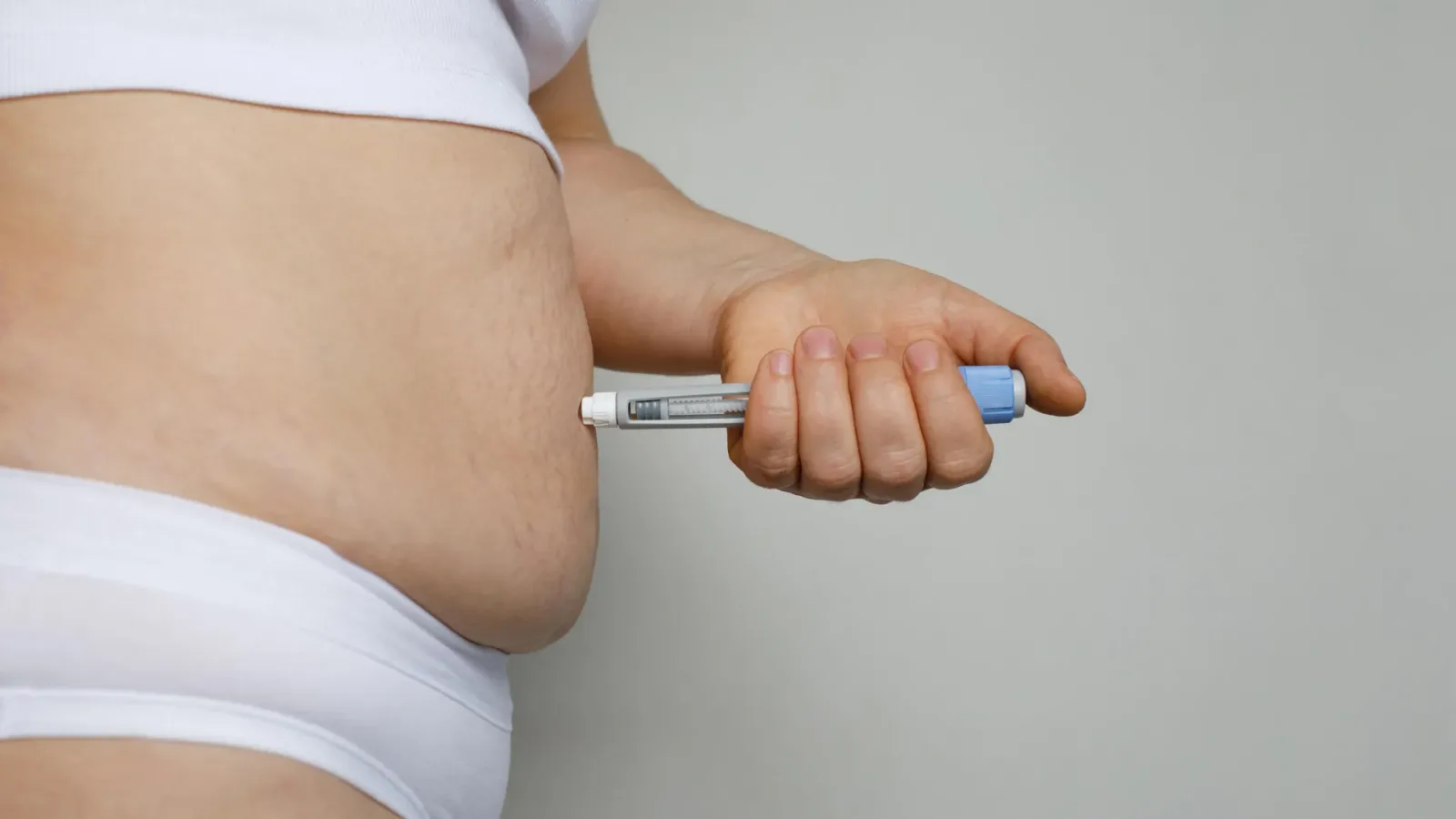
Boston-based biotech Kailera Therapeutics is setting its sights on an initial public offering (IPO) as it advances a promising portfolio of GLP-1-based obesity treatments. Launched in 2024 with $400 million in Series A funding and ex-China rights to four GLP-1 drugs from Jiangsu Hengrui Pharmaceuticals, the company secured an additional $600 million in its Series B round in 2025. This move signals strong investor confidence in Kailera's potential to compete in the booming anti-obesity market dominated by drugs like Eli Lilly's Zepbound.
Understanding Kailera Therapeutics' Origins and Funding Journey
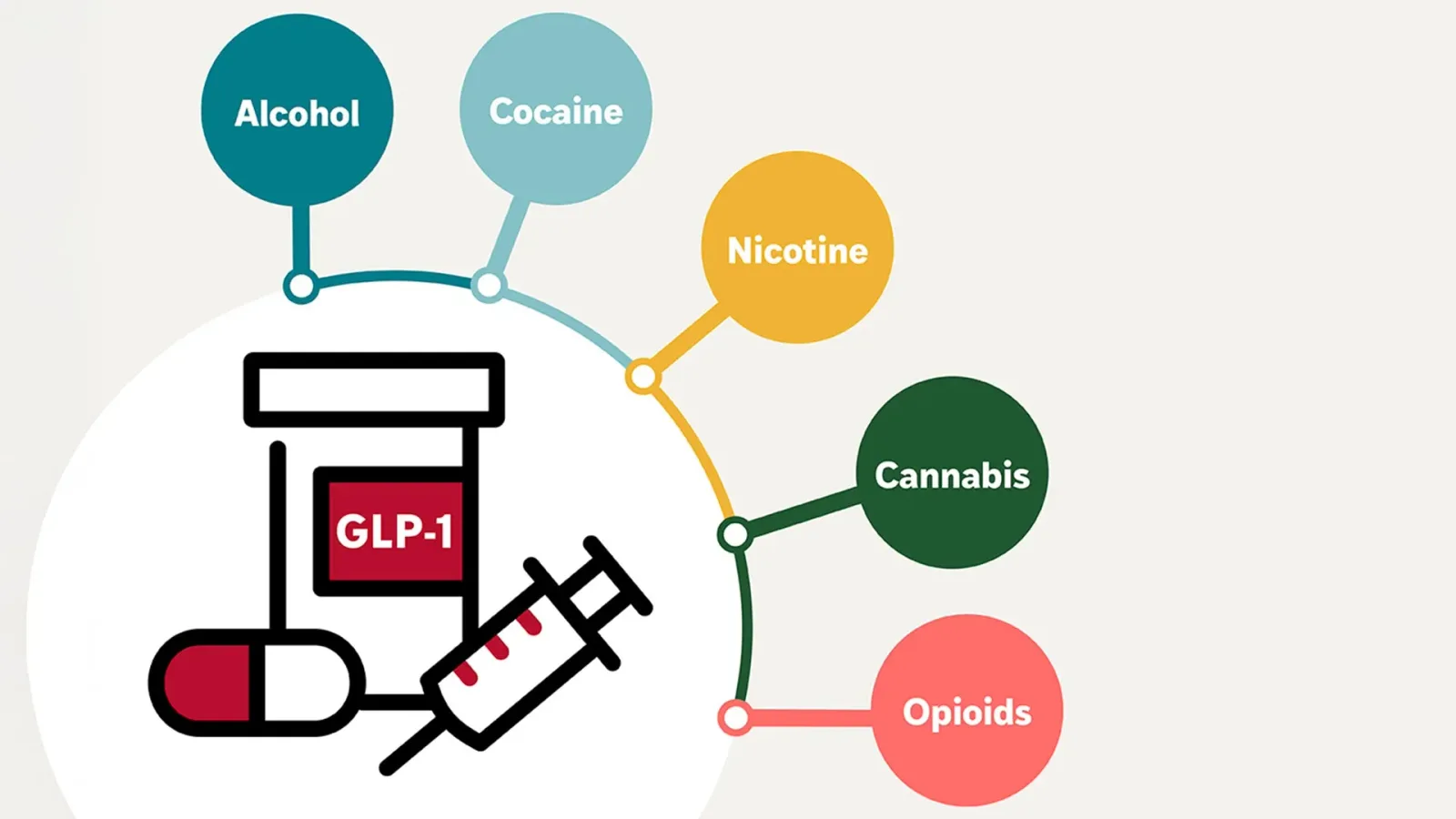
Kailera Therapeutics emerged as a key player in metabolic health by licensing intellectual property from Jiangsu Hengrui Pharmaceuticals. This partnership provided ex-China rights to four GLP-1 receptor agonists, positioning Kailera to develop next-generation therapies for obesity and related conditions. The initial $400 million Series A infusion in 2024 underscored the high stakes and promise of GLP-1 innovations, which mimic hormones like glucagon-like peptide-1 (GLP-1) to regulate blood sugar, slow gastric emptying, and reduce appetite—mechanisms central to sustained weight loss.
Building momentum, Kailera raised $600 million in Series B financing in 2025. These funds are earmarked for propelling candidates through clinical trials, a process known for its high costs in obesity drug development. GLP-1 therapies have transformed metabolic health, with market leaders demonstrating 15-20% average weight loss in trials, but Kailera aims to differentiate through dual agonists and oral formulations.
The Obesity Drug Pipeline: Lead Candidates in Focus
Kailera's portfolio centers on GLP-1 and GLP-1/GIP agonists, targeting the dual incretin system to enhance weight loss efficacy. These peptides activate receptors in the gut and brain, promoting satiety and metabolic improvements beyond what single GLP-1 drugs achieve.
KAI-9531 (Ribupatide): Injectable GLP-1/GIP Agonist in Phase III
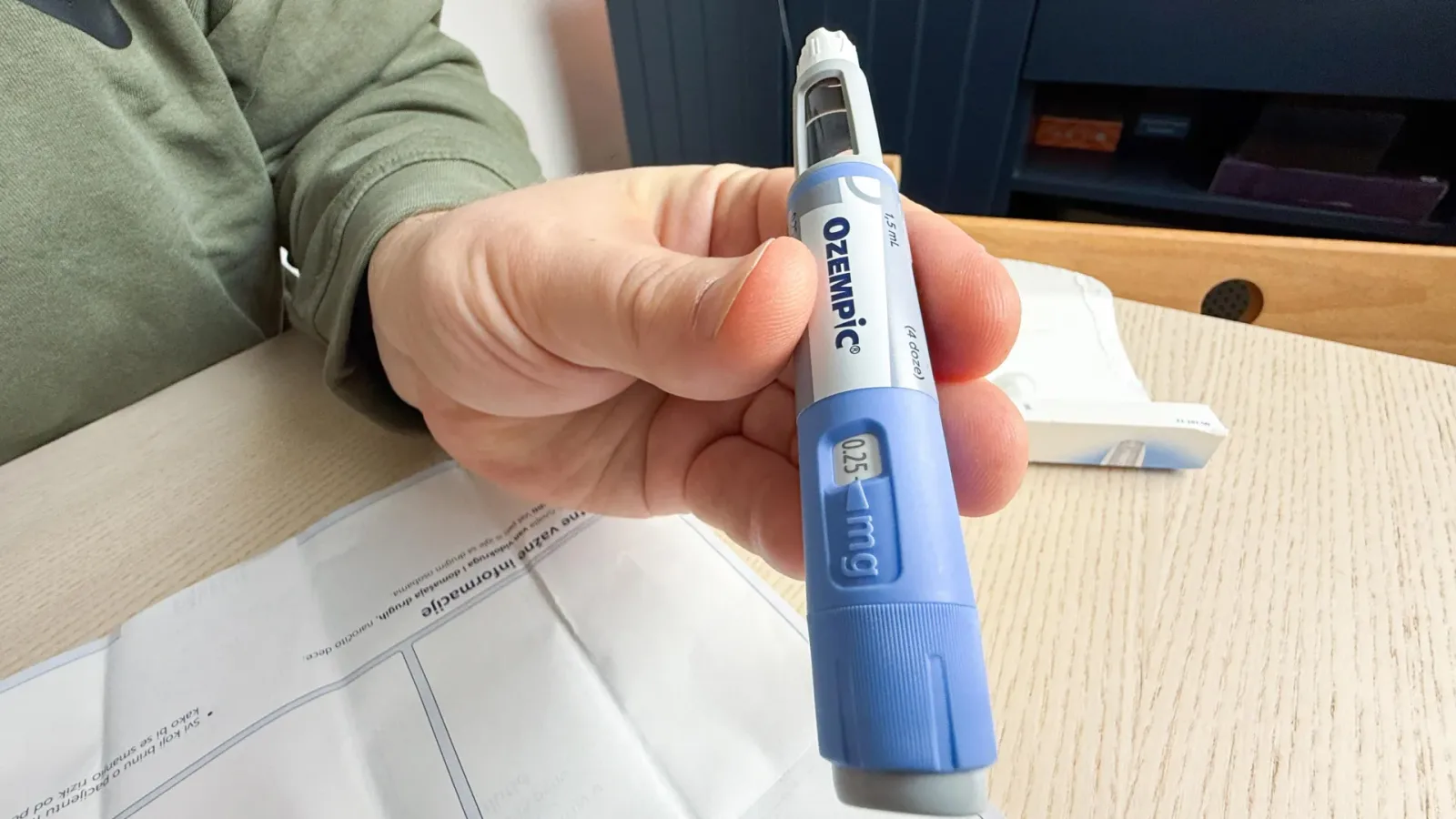
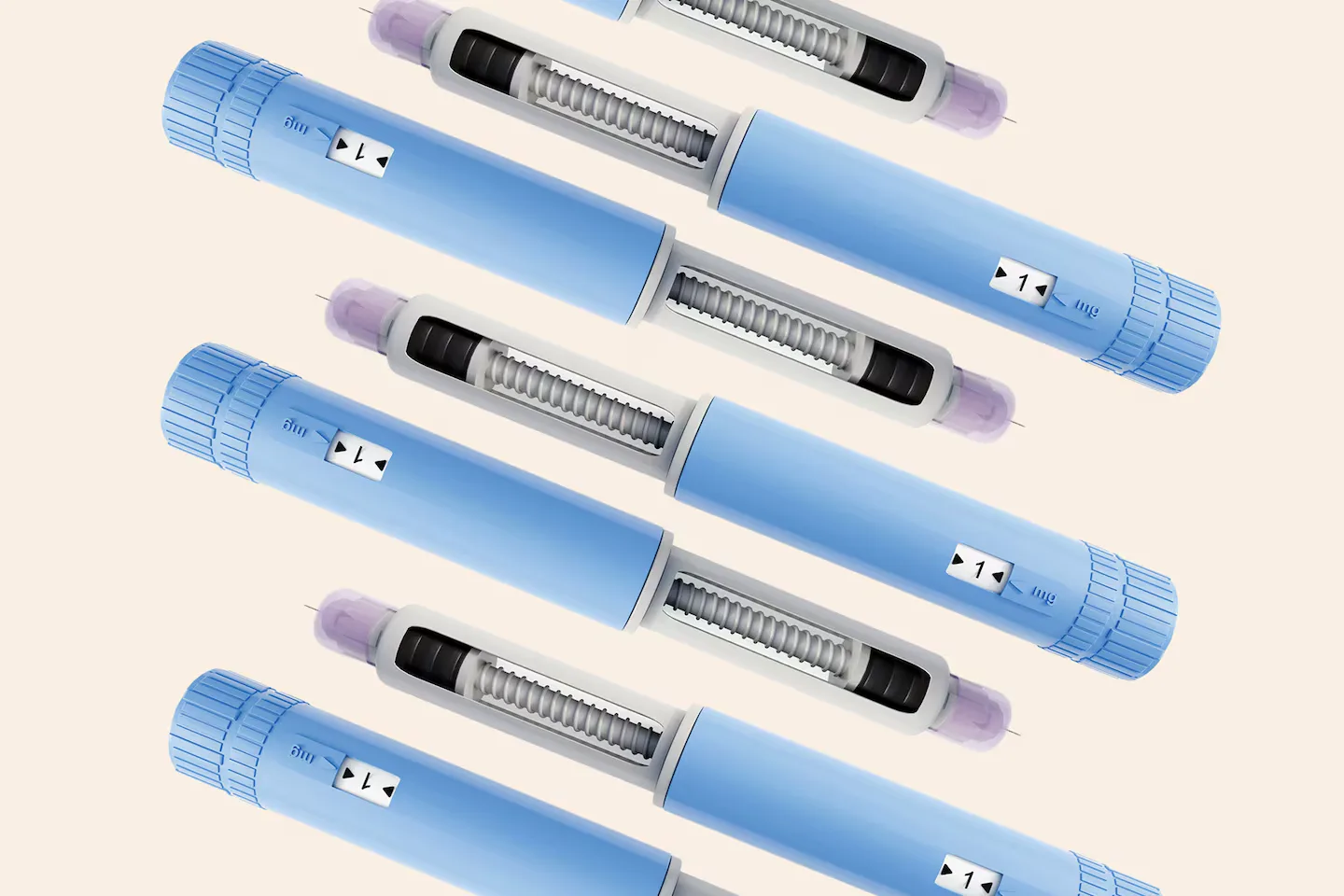
The firm's lead candidate, KAI-9531 (ribupatide), is an injectable GLP-1/GIP peptide agonist currently in global Phase III trials (NCT07284875). Kailera has positioned ribupatide as having a potentially superior clinical profile compared to Eli Lilly's blockbuster GLP-1/GIP agonist Zepbound. However, the company acknowledged in its recent Securities and Exchange Commission (SEC) filing that no direct head-to-head trials have been conducted against approved obesity treatments—a critical step in this competitive weight loss market.
For patients, GLP-1/GIP dual agonists like ribupatide offer hope for those with obesity-related comorbidities, such as type 2 diabetes or cardiovascular risk. Clinical data on similar drugs show benefits like improved insulin sensitivity and lipid profiles, but real-world use requires monitoring for gastrointestinal side effects common to the class, including nausea and diarrhea.
Oral Ribupatide: Promising Weight Loss Data from China
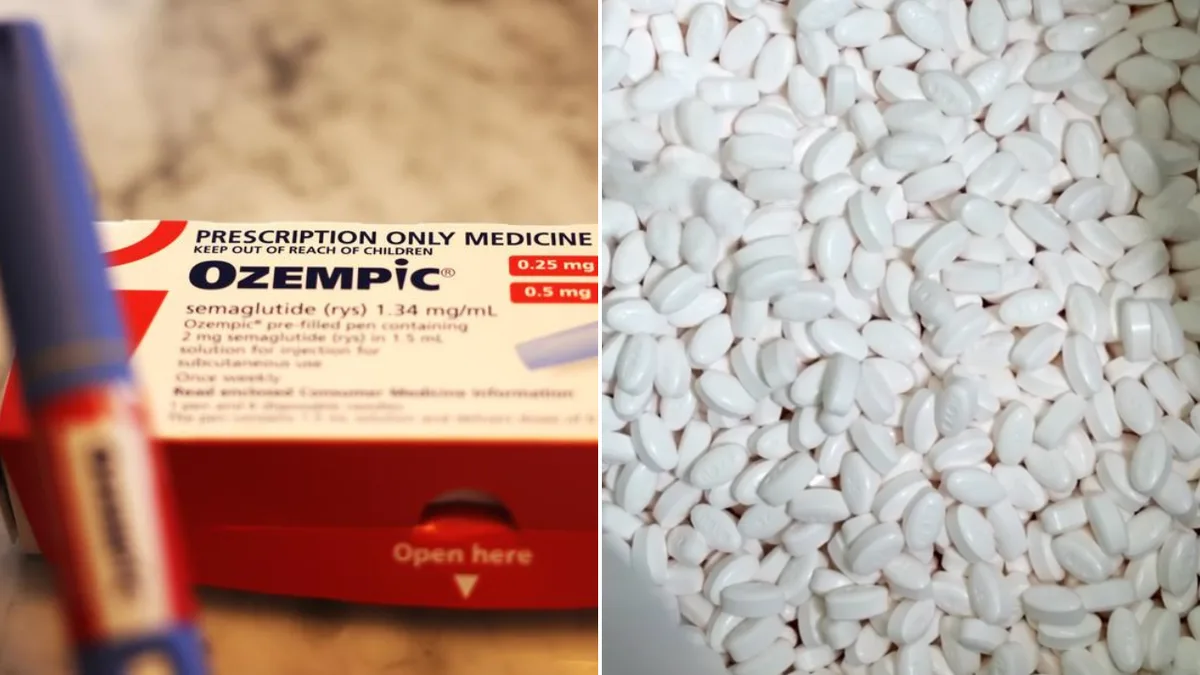
Kailera is also developing an oral version of ribupatide, which achieved up to 12.1% mean weight loss over 26 weeks in a recent China trial. Kailera's chief medical officer Scott Wasserman described these results as indicative of a "potentially game-changing clinical profile." Oral formulations address a key patient preference, reducing injection burden and improving adherence in long-term obesity management.
Compared to injectables, oral GLP-1s may offer convenience but often require higher doses due to lower bioavailability. Patients considering such therapies should discuss dosing schedules and symptom tracking—tools like Shotlee can help log side effects and progress.
Precision tracking for your journey
Join thousands using Shotlee to accurately track GLP-1 medications and side effects.
📱 Get the Shotlee App
Track your GLP-1 medications, peptides, and health metrics on the go with our mobile app!
KAI-7535: Another Oral GLP-1 in Late-Stage Trials
Complementing the pipeline, KAI-7535—a GLP-1 agonist—is already in Phase III trials (NCT07497880) in China under Hengrui's oversight, with topline results expected later this year. This candidate further bolsters Kailera's oral obesity offerings, potentially expanding access for patients intolerant to injections.
Financial Realities and IPO Strategy
The development of obesity treatments is notoriously costly. Kailera disclosed an accumulated deficit of $368.7 million last year in a recent SEC filing. The company anticipates "significant expenses and operating losses for at least the next several years" as it progresses its pipeline through clinical trials and regulatory approval.
Despite these challenges and global market volatility raising concerns about IPO activity, Kailera's pursuit of a public listing signals biotech optimism for 2026. The firm has yet to disclose the number of shares or pricing details for its IPO. In the GLP-1 space, public funding could accelerate U.S. and global trials, bridging the gap to market entry against incumbents like Novo Nordisk's Wegovy and Lilly's offerings.
Leadership Driving the Vision
Kailera is led by CEO Ron Renaud, who previously guided neuroscience-focused biotech Cerevel Therapeutics before its $8.7 billion acquisition by AbbVie in December 2023. Renaud's track record in navigating biotechs to successful exits positions Kailera well for IPO execution and pipeline milestones.
Market Context: GLP-1 Boom and Competitive Landscape
The obesity drug market is exploding, driven by GLP-1 successes proving durable weight loss and cardiometabolic benefits. Kailera enters a field where dual agonists like Zepbound have set benchmarks, but unmet needs persist for oral options and diverse patient profiles. No head-to-head data exists yet for ribupatide, emphasizing the need for Phase III outcomes to validate superiority claims.
For investors and patients, this IPO could democratize access to innovative peptides. Healthcare providers might recommend GLP-1s for BMI ≥30 or ≥27 with comorbidities, always weighing risks like pancreatitis or thyroid concerns—rare but monitored in trials.
Key Takeaways for Patients and Investors
- Kailera Therapeutics launched with $400M Series A, followed by $600M Series B, totaling over $1B for obesity GLP-1 development.
- Lead KAI-9531 (ribupatide) in Phase III; oral version showed 12.1% weight loss in 26 weeks.
- $368.7M deficit highlights trial costs, but IPO looms for further funding.
- CMO Scott Wasserman hails "game-changing" potential versus Zepbound (no head-to-head data).
- CEO Ron Renaud's experience from Cerevel acquisition adds credibility.
What This Means for Patients in Metabolic Health
If approved, Kailera's drugs could expand GLP-1 options, particularly orals for convenience. Consult physicians for personalized fit, considering factors like cost, insurance, and lifestyle. Tracking adherence and effects via apps supports optimal therapy.
In summary, Kailera Therapeutics' IPO preparations underscore momentum in obesity innovation. With Phase III data on the horizon, stakeholders should watch for updates that could reshape metabolic health treatments.