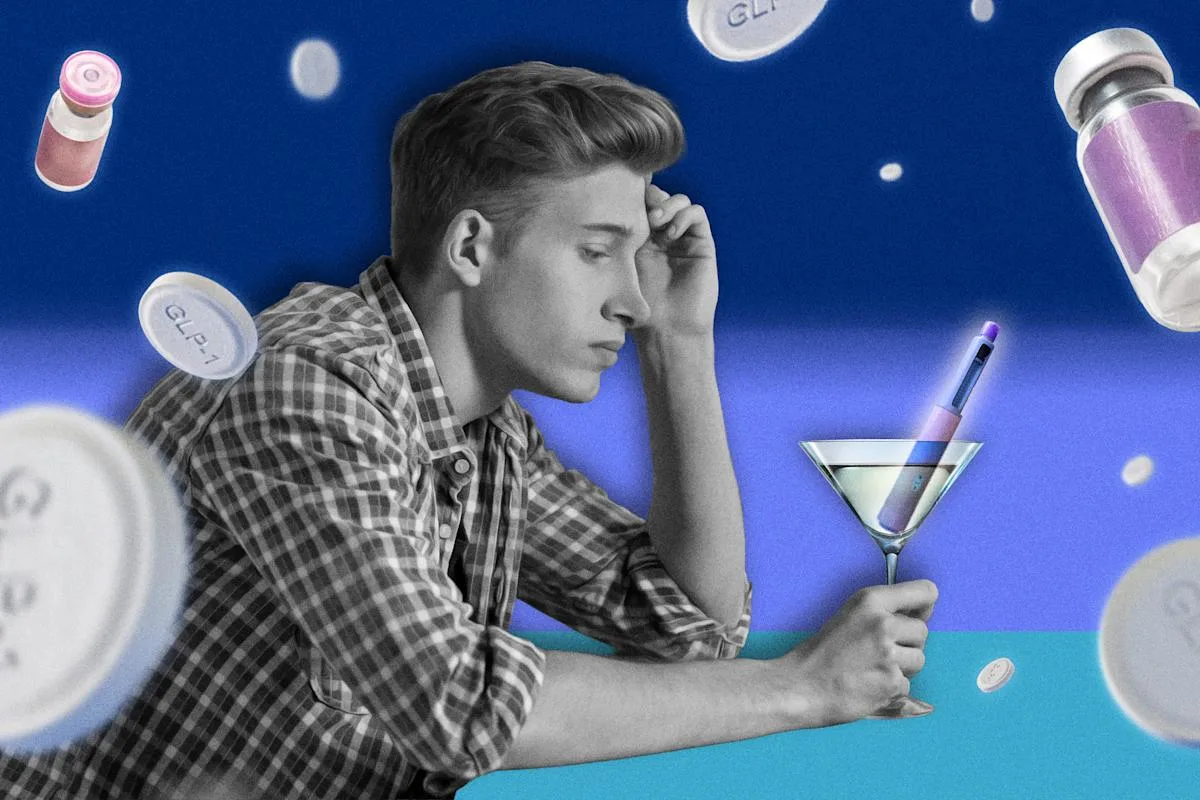

A Personal Story: From Happy Drunk to Sad on Ozempic
In the world of GLP-1 medications like Ozempic, success stories abound for weight loss and diabetes management. But Trey Luker-Stewart's experience highlights a lesser-discussed side: Ozempic alcohol effects. This 29-year-old Texan real estate agent and bar owner shared with The New York Post how the drug shifted his social drinking from joyful to distressing.
"For the longest time, I was using eating as an activity," Luker-Stewart said. Living in Dallas without mountains or oceans, his lifestyle revolved around shopping, eating, and drinking. Two years ago, he started a GLP-1 weight-loss drug like millions of Americans and shed 60 pounds quickly.
However, the slimmer waistline brought unexpected changes. "I was always a super happy drunk, but once I got on Ozempic, I wasn't," he admitted. "I became a lot more emotional." Carefree nights at the neighborhood bar turned anxious: "Something that was once a fun thing to do now made me anxious and upset. I start overthinking everything and my feelings get hurt easier."
The Hangover Shift: Down for the Count
Mornings became brutal too. "Before, I could wake up after drinking at 7 a.m. and go to the gym and be productive," Luker-Stewart explained. "But once I started taking a GLP-1, I was down for the count 'til lunchtime." This after just one or two drinks.
Switching to tirzepatide—the active ingredient in Mounjaro and Zepbound—didn't reverse it. The impact extended to business: "In Dallas overall, we've seen a 35% drop in alcohol sales across the board, and I think a lot of that has to do with GLP-1s," he noted. "I know I'm not the only one that feels this way when they go out."
How GLP-1 Drugs Like Ozempic Affect Alcohol and the Brain
Doctors confirm Luker-Stewart's observations. "The truth is, GLP-1 agonists alter your reward system," said Dr. James J. Chao, co-founder and chief medical officer of VedaNu Wellness. "When you drink, that warm, comforting glow you feel after knocking back a few might not happen. It could feel worse. It could feel like nothing at all."
Understanding GLP-1 Mechanisms
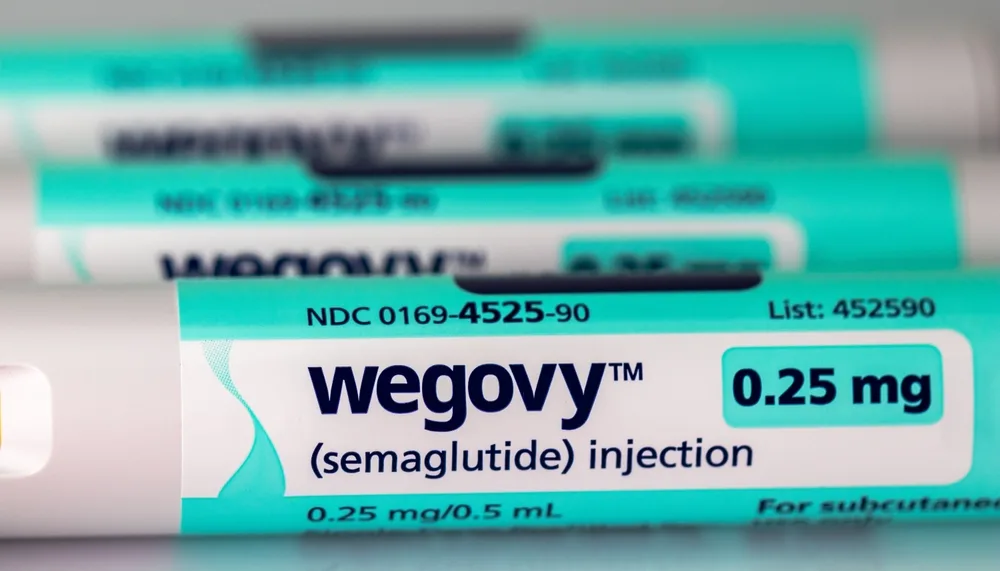
GLP-1 receptor agonists like Ozempic (semaglutide) and tirzepatide mimic gut hormones released after eating. They control blood sugar, regulate appetite, and quiet cravings—key to their weight loss efficacy. But their reach extends to the brain.
A critical area is the habenula, a pea-sized region governing reward, motivation, and aversion. "When the habenula is on, it causes all kinds of trouble, including cravings and withdrawal symptoms," explained Dr. Kyra Bobinet, a physician and behavioral neuroscience expert. "It really drives us to use."
These drugs bind to habenula receptors, dialing down compulsive behaviors like overeating (the infamous "food noise"). This blunts dopamine-driven euphoria from alcohol, leading to subdued, introspective, or dysphoric feelings—what patients call becoming a "sad drunk," per Dr. Fernando Ovalle Jr., a double board-certified plastic surgeon and obesity medicine specialist.
Precision tracking for your journey
Join thousands using Shotlee to accurately track GLP-1 medications and side effects.
📱 Get the Shotlee App
Track your GLP-1 medications, peptides, and health metrics on the go with our mobile app!
Potential for Addiction Treatment
Researchers are exploring GLP-1s for substance use disorders. They may curb reward-seeking for alcohol, nicotine, and opioids, though insurance coverage for this is years away. Even casual drinkers like Luker-Stewart experience shifts, as the reward system changes.
Why Hangovers Worsen on GLP-1 Medications
Severe next-day symptoms have explanations. "GLP-1s slow gastric emptying, which changes how alcohol is absorbed," Ovalle said. "That can make intoxication feel delayed, prolonged, and in some cases, people feel 'off' the next day."
Other factors include reduced intake: "Alcohol consumed in a relatively dehydrated, under-fueled state, especially with low protein intake, will hit harder and produce worse hangovers," Ovalle added. Weight loss lowers tolerance: "Some people weigh significantly less than when they started GLP-1s, which would contribute to a lower alcohol tolerance," Chao noted.
Luker-Stewart paused the medication for six months, regaining appetite but not his drinking tolerance. "I expected the alcohol side effects to do the same thing as the food, but it didn't really go away," he said. Dr. Bobinet suggests the habenula calibrates to lifestyle changes, lingering post-treatment.
Business and Broader Impacts of GLP-1s on Drinking
As a bar owner, Luker-Stewart links GLP-1 popularity to Dallas's 35% alcohol sales drop. A Novo Nordisk spokesperson acknowledged: "There are 'numerous studies' exploring the association between GLP-1 use and reductions in behaviors sometimes linked to addiction. GLP-1 receptor agonists are known to affect areas of the brain associated with controlling hunger and satiety and these are also home to the brain's reward system."
Now on a monthly maintenance tirzepatide dose, his lower tolerance persists: "It definitely changed something in me." Yet, he views it positively: "I would not have lost 60 pounds any other way. I've gone to the gym my whole life and nothing has given me the results that I received from a GLP-1."
Practical Guidance for Patients on GLP-1s Who Drink
For those on Ozempic, Mounjaro, or Zepbound experiencing GLP-1 alcohol side effects, moderation is key. Drink slowly, stay hydrated, eat protein-rich meals beforehand, and limit quantities due to lowered tolerance. Track symptoms with apps like Shotlee to monitor patterns and discuss with your doctor.
Consult healthcare providers before combining alcohol with GLP-1s, especially if you have liver concerns or history of heavy drinking. No evidence shows permanent alcohol processing changes, but brain adaptations may linger.
Key Takeaways: Balancing Weight Loss Benefits and Alcohol Changes
- GLP-1s like Ozempic effectively reduce weight (e.g., 60 lbs for Luker-Stewart) but can alter alcohol's rewarding effects via the habenula.
- Casual drinkers may feel more emotional ("sad drunk") and suffer worse hangovers from delayed absorption, dehydration, and lower tolerance.
- Business impacts like 35% alcohol sales drops in areas like Dallas highlight population-level shifts.
- Potential addiction treatment upside, but casual users should adjust habits.
- Weigh benefits against lifestyle changes; maintenance doses sustain results.
This aligns with The New York Post's The Thin Line series on GLP-1 downsides, reminding us these drugs help millions but carry nuanced risks.