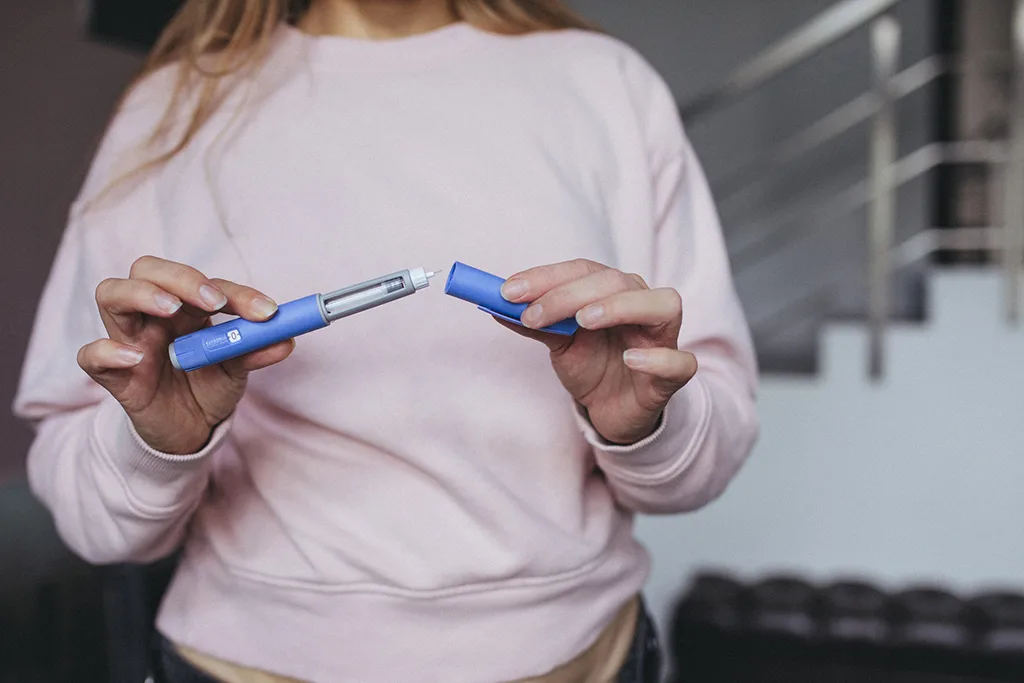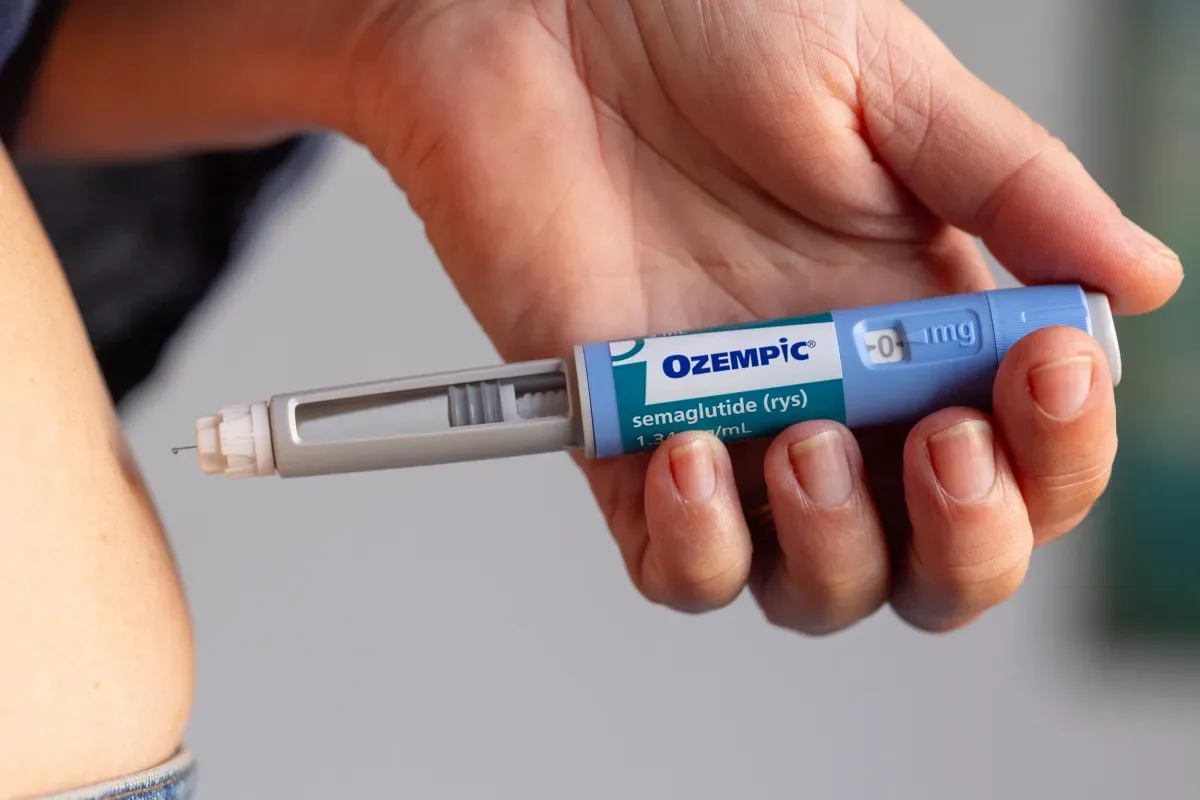

Glucagon-like peptide-1 (GLP-1) receptor agonists like Ozempic (semaglutide) have transformed weight management for millions in the U.S. These medications promote significant weight loss by mimicking the GLP-1 hormone, which slows gastric emptying, enhances satiety signals to the brain, and regulates blood sugar. But a key question arises: how to keep the weight off after using Ozempic? Weight regain after stopping GLP-1 treatment is common, making long-term strategies essential for metabolic health.
In this guide, we'll explore clinical evidence, maintenance approaches, safety considerations, and practical lifestyle tips to help you sustain your progress. Whether you're on Ozempic for weight loss or related conditions like type 2 diabetes, understanding these factors empowers informed decisions with your healthcare provider.
Understanding Weight Regain After Stopping GLP-1 Medications
GLP-1 receptor agonists excel at initial weight reduction, but discontinuation often reverses gains. In clinical trials, researchers continued to monitor people for months after the initial study period of 20 weeks. Those who continued taking semaglutide kept losing weight. But those who stopped regained almost 7% of their body weight.
Other studies suggest people regain up to two-thirds of the weight lost within a year after stopping GLP-1 medications. This pattern occurs because the body compensates for the absence of the drug's appetite-suppressing and metabolic effects. Without GLP-1 support, hunger hormones like ghrelin may rebound, and energy expenditure can decrease, leading to caloric surplus if habits revert.
GLP-1 medications don't just support weight loss. For many people, they also treat ongoing health conditions such as type 2 diabetes, cardiovascular risks, or obesity-related comorbidities. In some cases, stopping the medication may mean not being able to manage these conditions effectively, underscoring the need for a holistic transition plan.
Why Does Weight Regain Happen?
Mechanistically, GLP-1 agonists like Ozempic target multiple pathways: they reduce food intake by activating brain centers for fullness, delay nutrient absorption in the gut, and improve insulin sensitivity. Upon stopping, these benefits wane, and without behavioral reinforcement, old patterns resurface. Patient guidance emphasizes gradual tapering under medical supervision to mitigate rapid regain.
Maintenance Strategies: Lowest Effective Dose and Beyond
Most experts recommend using the "lowest effective dose" or the lowest amount that helps maintain your weight and health goals. This may mean:
- Reducing from higher doses (e.g., 2.4 mg weekly for weight loss) to maintenance levels like 1 mg or 0.5 mg.
- Spacing out doses, such as every 10-14 days instead of weekly.
But no studies have compared these methods, so it's difficult to say if one is better than the other. Spacing out your dose is also not part of standard prescribing guidelines—although your prescriber might recommend it based on your response. It's best to work with your healthcare team to figure out the best strategy for you. This might mean more frequent check-ins with them until you find the best maintenance schedule for you.
Compared to alternatives like diet-alone or older anti-obesity drugs (e.g., phentermine), GLP-1 maintenance dosing shows superior retention of losses in observational data. Tools like symptom-tracking apps (e.g., Shotlee) can help monitor weight fluctuations, side effects, or adherence during dose adjustments.
Reasons People Stop GLP-1 Medications Like Ozempic
The decision to continue or stop treatment is personal. What makes sense for you may not make sense for others, and vice versa. Just because experts recommend continuation in general, that doesn't mean you're required to do so.
There are many reasons why people stop taking GLP-1s. These include:
Precision tracking for your journey
Join thousands using Shotlee to accurately track GLP-1 medications and side effects.
📱 Get the Shotlee App
Track your GLP-1 medications, peptides, and health metrics on the go with our mobile app!
- Cost concerns, especially without insurance coverage.
- Tolerability issues or side effects.
- Reaching personal weight goals.
- Lifestyle changes or preference for non-medication approaches.
If you're thinking about stopping, talk with your healthcare team first. They can help you taper safely and/or find an alternative treatment if needed. And if cost is an issue, know that there are ways to save, such as patient assistance programs, compounding pharmacies, or generic semaglutide options where available.
Safety Considerations and Side Effects of Long-Term GLP-1 Use
It's normal to worry about long-term safety with any medication. GLP-1 medications are generally considered safe for long-term use. But they can have risks. Rare but serious side effects include:
- Pancreatitis.
- Gallbladder issues.
- Thyroid tumors (in animal studies; human risk unclear).
- Kidney problems.
Common side effects like nausea, vomiting, diarrhea, and constipation often improve over time. Serious problems are rare, but they can and do happen. Your care team can help you weigh the potential benefits of GLP-1 medications against the risks for your unique situation. Regular monitoring, including blood work and imaging if indicated, is key for those on prolonged therapy.
Compared to untreated obesity, which raises risks for heart disease, stroke, and joint issues, the risk-benefit profile favors continuation for many. Discuss family history or comorbidities to personalize safety assessments.
Lifestyle Habits to Prevent Weight Regain
If you've been prescribed and have been on a GLP-1 medication, continuing on the medication is the most effective way to maintain weight loss. But lifestyle habits still matter—especially if you stop treatment.
Weight maintenance is hard work. To help prevent weight regain, focus on:
- A balanced, calorie-controlled diet rich in protein, fiber, and whole foods.
- Regular physical activity: aim for 150+ minutes of moderate exercise weekly, mixing cardio and strength training.
- Adequate sleep (7-9 hours) to regulate hunger hormones.
- Hydration and mindful eating practices.
Behavioral Strategies for Success
Experts also recommend behavioral strategies, like:
- Tracking intake and activity with journals or apps.
- Building a support network through groups or coaching.
- Setting realistic, non-scale goals like improved energy or clothing fit.
- Cognitive techniques to handle cravings and emotional eating.
It sounds like a lot, and it is. But research finds that having a comprehensive approach like this is the best way to keep a healthy and comfortable weight. Weight maintenance requires ongoing effort. It can feel impossible at times. Support from professionals, peers, or your community can make it more sustainable. And be gentle with yourself: Your health is much more than just your weight.
Key Takeaways: What This Means for Patients
- Weight regain after stopping Ozempic is common (7% in short-term trials, up to two-thirds in a year).
- Lowest effective dose or continuation maximizes maintenance.
- Lifestyle integration is crucial, regardless of medication status.
- Consult your team before changes; taper safely.
- Long-term use is generally safe, but monitor risks.
Conclusion: Your Path to Sustainable Weight Management
GLP-1 medications like Ozempic can lead to significant weight loss. But many people regain weight after stopping them. Because of this, long-term treatment is often recommended. If you're considering stopping or changing your dose, speak with your healthcare team first. They can help you make a plan that's safe and sustainable based on your health and individual goals.
For related topics, explore GLP-1 benefits for heart health or peptide therapy options. Prioritize progress over perfection in your metabolic health journey.