GLP-1 Weight Loss Maintenance Guide
Complete Guide & Evidence (2026)
STEP 4 trial: patients who stopped semaglutide regained 2/3 of weight within a year.
Why Weight Regain Happens: The Set Point Biology
The STEP 4 trial was a landmark extension of the STEP 1 semaglutide trial. Patients who had lost an average of 17% of their body weight over 68 weeks on semaglutide were then randomized to either continue semaglutide or switch to placebo. Within one year of stopping, the placebo group had regained approximately two-thirds of their lost weight — about 11.6% of their original body weight, at a rate of roughly 1-2 lbs per month.
This is not a failure of willpower — it is the body defending its weight set point, a phenomenon documented for decades in obesity research. The body has powerful compensatory mechanisms to restore weight after loss: appetite hormones (ghrelin) increase, satiety hormones (leptin, PYY) decrease, metabolic rate slows (adaptive thermogenesis), and the brain's reward circuits increase the motivational salience of food. GLP-1 medications suppress all of these counter-regulatory responses; when the drug stops, they resume in full force.
This biology is increasingly reshaping how physicians think about GLP-1 medications: not as a temporary intervention to use until you lose the weight and then stop, but as a chronic treatment for a chronic condition — exactly as antihypertensives are used for high blood pressure. No one expects to stop their blood pressure medication after their numbers normalize and maintain the benefit without the drug. Obesity is no different from this physiological standpoint.
Maintenance Dosing: Continuing at Full or Reduced Dose
Wegovy 2.4mg weekly is FDA-approved as a chronic weight management medication with no defined stopping point. Continuing at the full dose maintains the maximum weight loss benefit and the fullest suppression of appetite and weight-regain signals. For patients who have reached their goal weight, some physicians trial a step-down to 1.7mg or 1mg to reduce cost and side effect exposure — weight is monitored closely and dose restored if regain occurs.
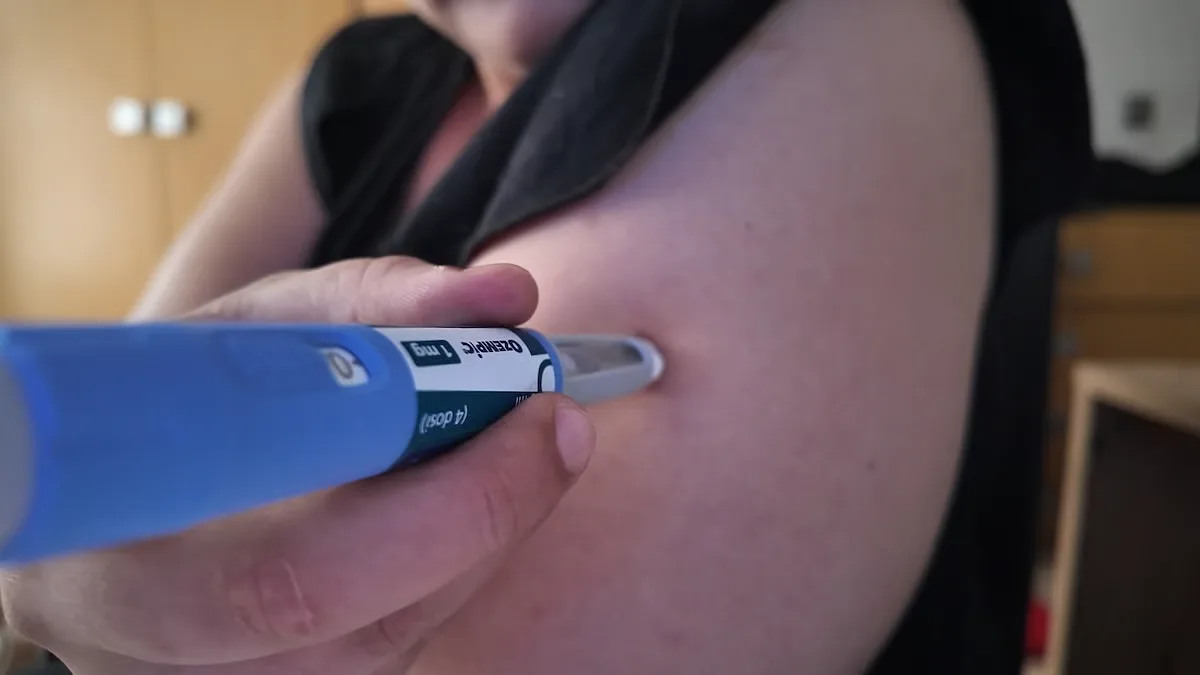
Ozempic (prescribed off-label for weight loss at doses up to 2mg) can similarly be continued long-term. The key is that continuous GLP-1 exposure is required to maintain the hormonal environment that supports the lower body weight. There is no “training” of the body to maintain weight on its own — the drug must be present to continuously suppress the compensatory weight-regain drive.
The SURMOUNT-4 trial specifically studied maintenance dosing for tirzepatide. Patients who had lost weight on tirzepatide were randomized to continue at a maintenance dose or switch to placebo. Those who continued tirzepatide (even at doses lower than their maximum) maintained over 80% of their weight loss, while the placebo group regained a large portion. This is the strongest evidence to date that continuing at a lower maintenance dose is a viable long-term strategy.
Zepbound (tirzepatide for weight management) is available at doses from 2.5mg to 15mg weekly. A maintenance dose of 5mg or 7.5mg after reaching goal on 10mg or 15mg may be sufficient for many patients — with cost savings and often better tolerability — while still maintaining meaningful weight loss vs placebo. This should be personalized with your prescriber.
Semaglutide (Ozempic / Wegovy) Maintenance: Wegovy 2.4mg weekly is FDA-approved as a chronic weight management medication with no defined stopping point. Continuing at the full dose maintains the maximum weight loss benefit and the fullest suppression of appetite and weight-regain signals. For patients who have reached their goal weight, some physicians trial a step-down to 1.7mg or 1mg to reduce cost and side effect exposure — weight is monitored closely and dose restored if regain occurs. Ozempic (prescribed off-label for weight loss at doses up to 2mg) can similarly be continued long-term. The key is that continuous GLP-1 exposure is required to maintain the hormonal environment that supports the lower body weight. There is no “training” of the body to maintain weight on its own — the drug must be present to continuously suppress the compensatory weight-regain drive.
Tirzepatide (Mounjaro / Zepbound) Maintenance: The SURMOUNT-4 trial specifically studied maintenance dosing for tirzepatide. Patients who had lost weight on tirzepatide were randomized to continue at a maintenance dose or switch to placebo. Those who continued tirzepatide (even at doses lower than their maximum) maintained over 80% of their weight loss, while the placebo group regained a large portion. This is the strongest evidence to date that continuing at a lower maintenance dose is a viable long-term strategy. Zepbound (tirzepatide for weight management) is available at doses from 2.5mg to 15mg weekly. A maintenance dose of 5mg or 7.5mg after reaching goal on 10mg or 15mg may be sufficient for many patients — with cost savings and often better tolerability — while still maintaining meaningful weight loss vs placebo. This should be personalized with your prescriber.
If You Must Stop: Building an Exit Strategy That Works
Sometimes stopping GLP-1 medication is necessary — due to cost, side effects, pregnancy planning, surgery, or personal choice. If you are planning to stop, these strategies give you the best chance of sustaining your results. The goal is to build as much of a metabolic and behavioral buffer as possible before stopping, so the compensatory weight-regain response has less momentum to overcome.
Dietary and Lifestyle Habits That Actually Stick
Research on long-term weight maintenance consistently identifies the same cluster of behaviors in people who successfully maintain significant weight loss. These are evidence-based priorities for the GLP-1 maintenance phase, whether you are continuing medication or transitioning off it.
Guide FAQs
STEP 4 trial: patients who stopped semaglutide regained 2/3 of weight within a year.
Yes. Shotlee supports tracking GLP-1 Maintenance doses, side effects, and health metrics. It is free.
PubMed, ClinicalTrials.gov, and the FDA website are the most reliable sources for current Glp1 Maintenance research and regulatory updates. Peer-reviewed journals including the New England Journal of Medicine, The Lancet, and JAMA publish the most impactful clinical trial results. This guide is updated regularly to reflect the latest available evidence. Use Shotlee to track your personal protocol outcomes alongside the published research.
Before starting Glp1 Maintenance, establish baseline measurements including body weight, waist circumference, blood pressure, and relevant lab work with your healthcare provider. Download Shotlee and begin logging your baseline metrics at least one week before starting treatment. This pre-treatment data provides the comparison point needed to objectively evaluate your treatment response over time. Additionally, discuss potential side effects and management strategies with your prescriber so you are prepared for the initial adaptation phase.
Evidence-based lifestyle modifications that complement Glp1 Maintenance protocols include: maintaining adequate protein intake (1.2-1.6g per kg body weight per day) to preserve lean mass, performing resistance training two to three times per week, staying well hydrated with at least eight glasses of water daily, prioritizing seven to nine hours of quality sleep, managing stress through regular physical activity or mindfulness practices, and eating smaller more frequent meals during dose titration phases. Track these lifestyle factors alongside your Glp1 Maintenance data in Shotlee to identify which combinations drive your best results.
Track Your GLP-1 Protocol in Shotlee
Free dose logging, side effect tracking, and health metric monitoring for your complete protocol.